Blogs
21 articles
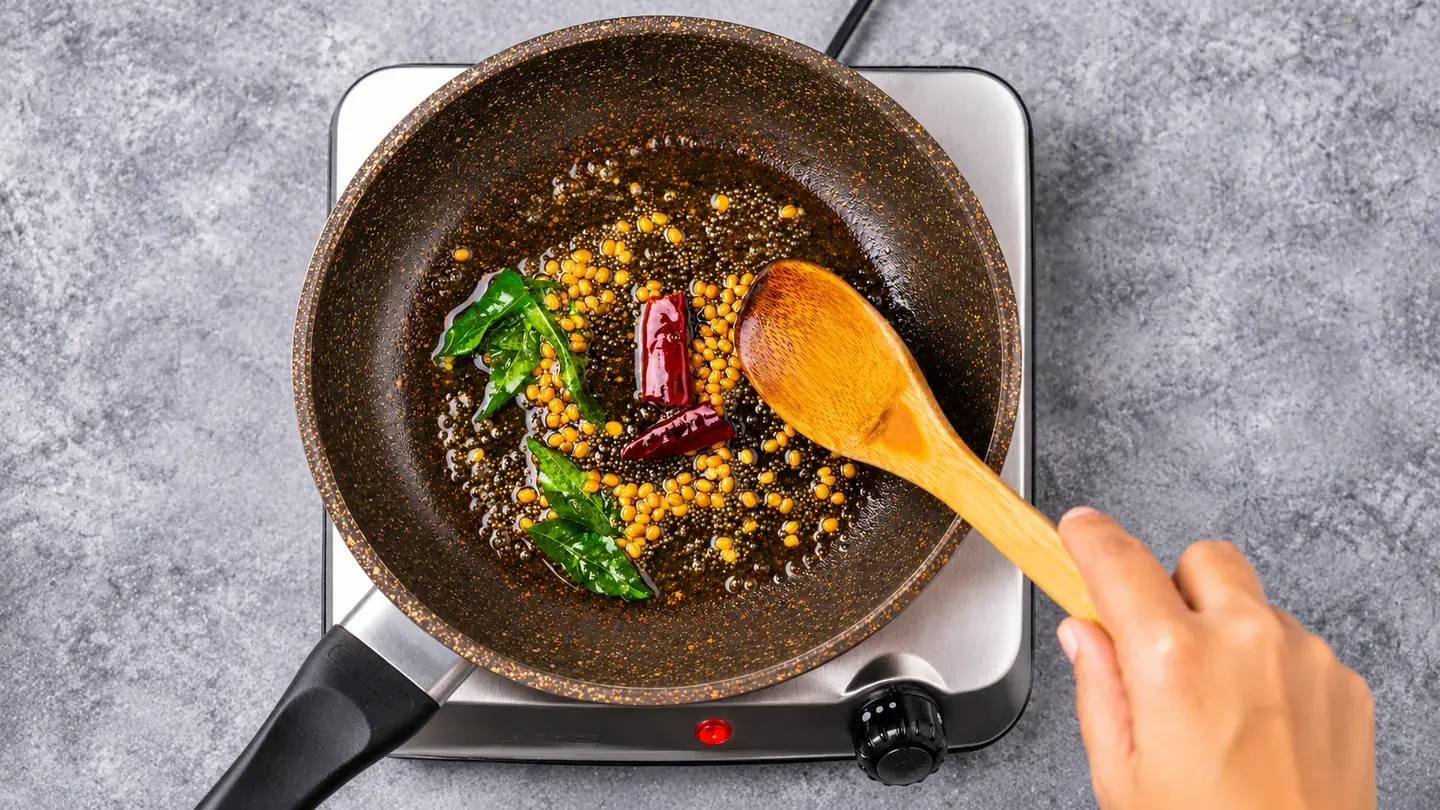
Why Does Tadka Make Food Taste Better? The Surprising Science Behind Tempering Spices
Mustard seeds pop, curry leaves crackle in hot oil, and the kitchen suddenly smells like dinner. Tadka is a small step with a big sensory effect: gentle heat frees aromas, while oil carries some of them into the dish. Here’s the science—and how to keep the spices fragrant instead of bitter.
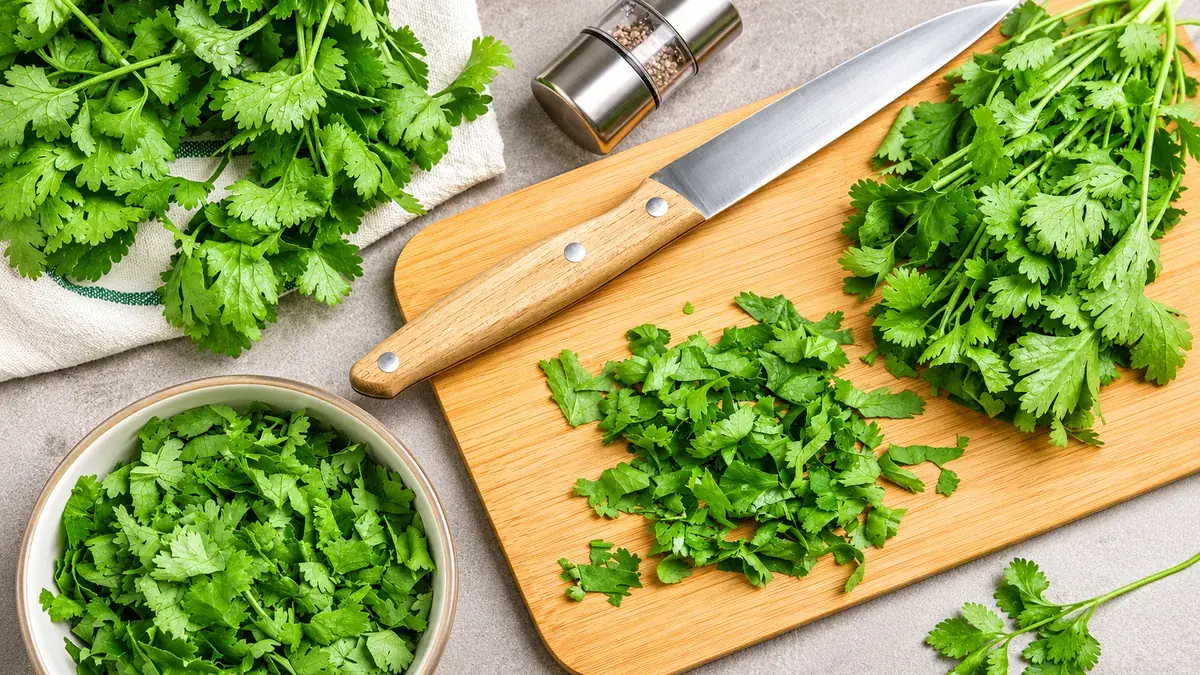
Why Does Coriander Taste Like Soap to Some People? The Surprising Science of Taste
For one diner, fresh coriander brightens a bowl of dal. For another, the same leaves taste soapy. Here is what food science says about aroma, smell-receptor genes and individual preference.
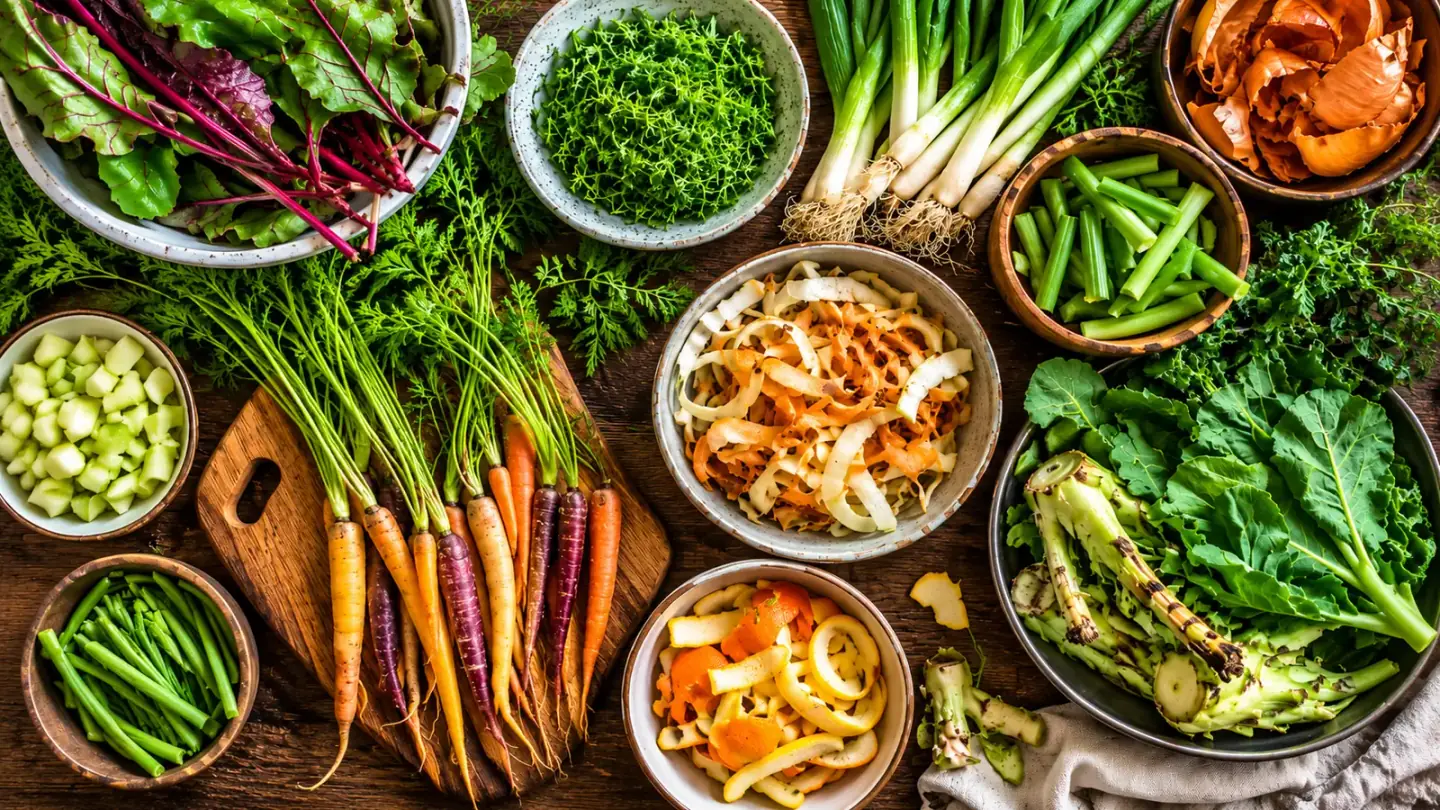
7 Vegetable Parts You're Throwing Away That You Can Actually Eat
Cauliflower leaves, radish greens and pumpkin seeds can become useful parts of everyday meals. Here are seven vegetable trimmings to try, how to prepare them, and which scraps to leave out of the pot.
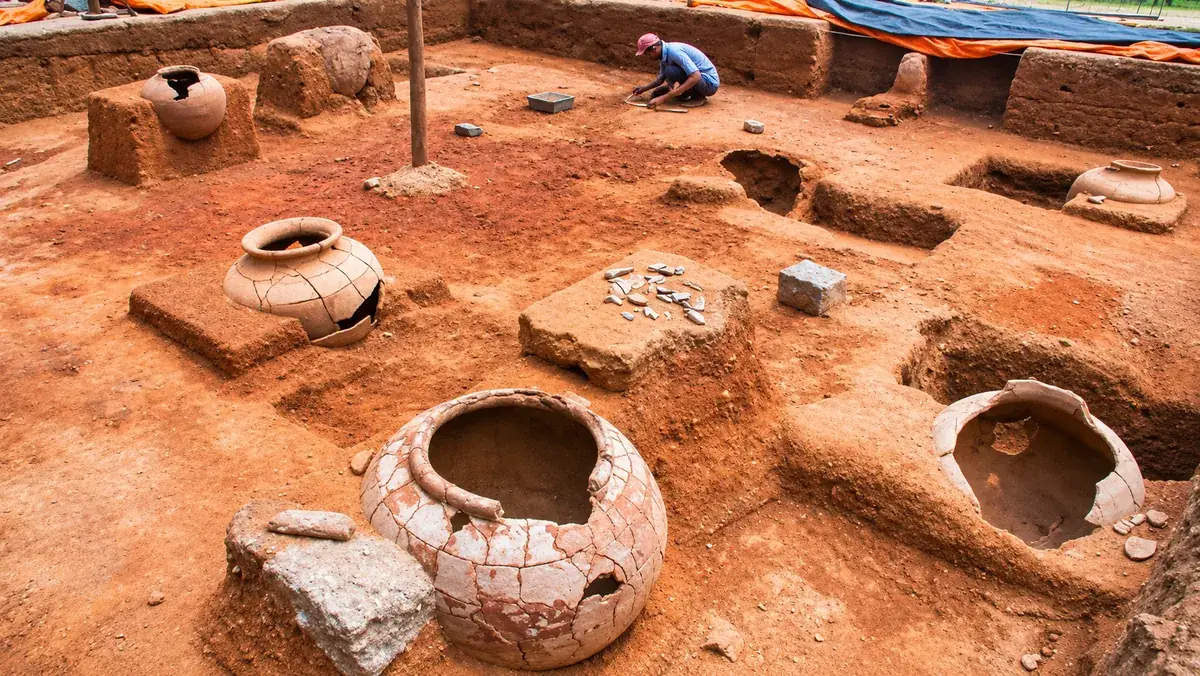
What Did Ancient Tamils Eat? 2,000-Year-Old Pottery Reveals Surprising Food Secrets
Chemical traces in pottery from Keeladi in Tamil Nadu and Gottiprolu in Andhra Pradesh offer evidence consistent with cow’s milk use and plant processing between 600 and 100 BCE. We explain what this new study can tell us about ancient South Indian food—and where four sherds leave the story open.
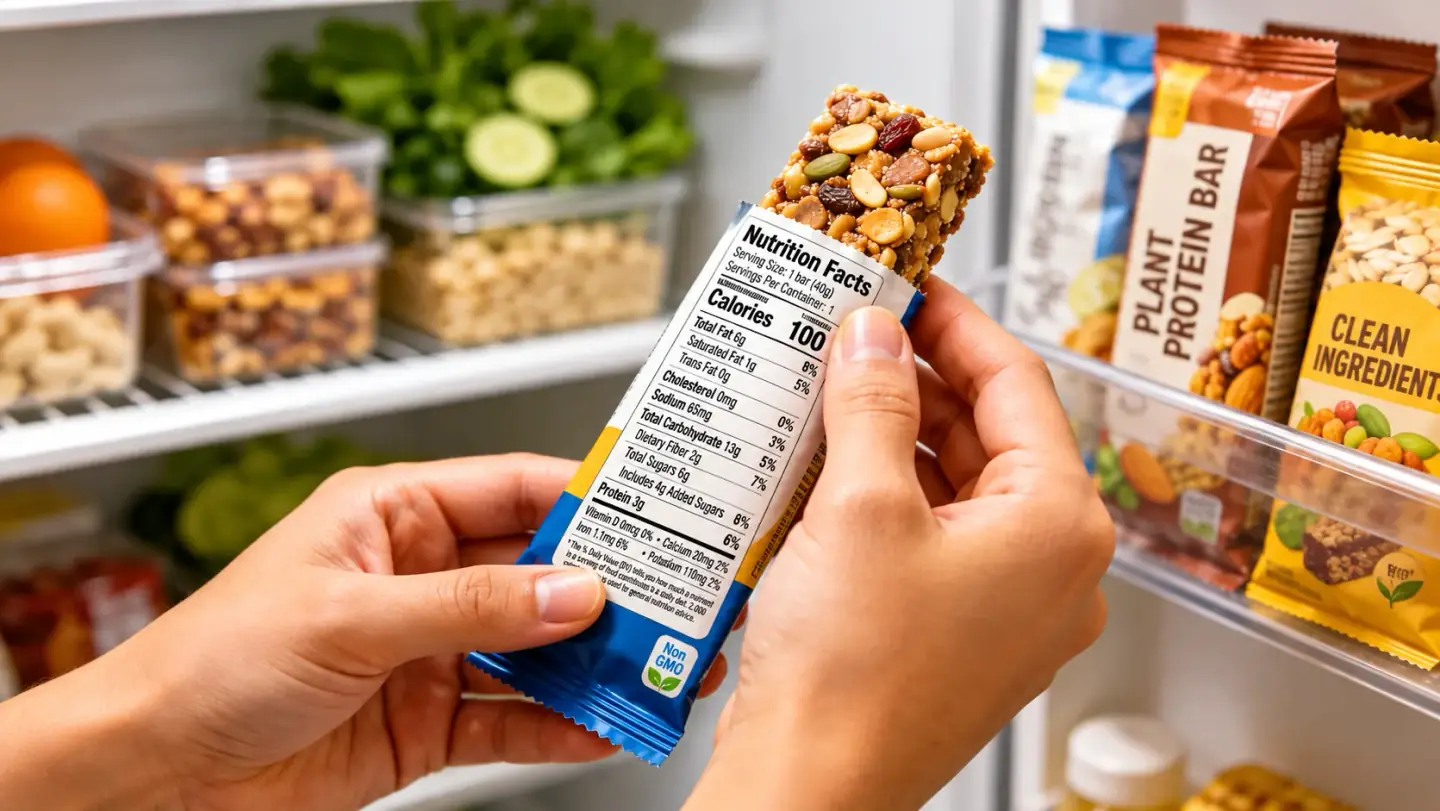
Are High-Protein Snacks Really Healthy? 7 Things to Check Before Buying
That bold protein claim is only one part of the packet. Here are seven practical checks for serving size, sugar, sodium, ingredients and value before you buy.
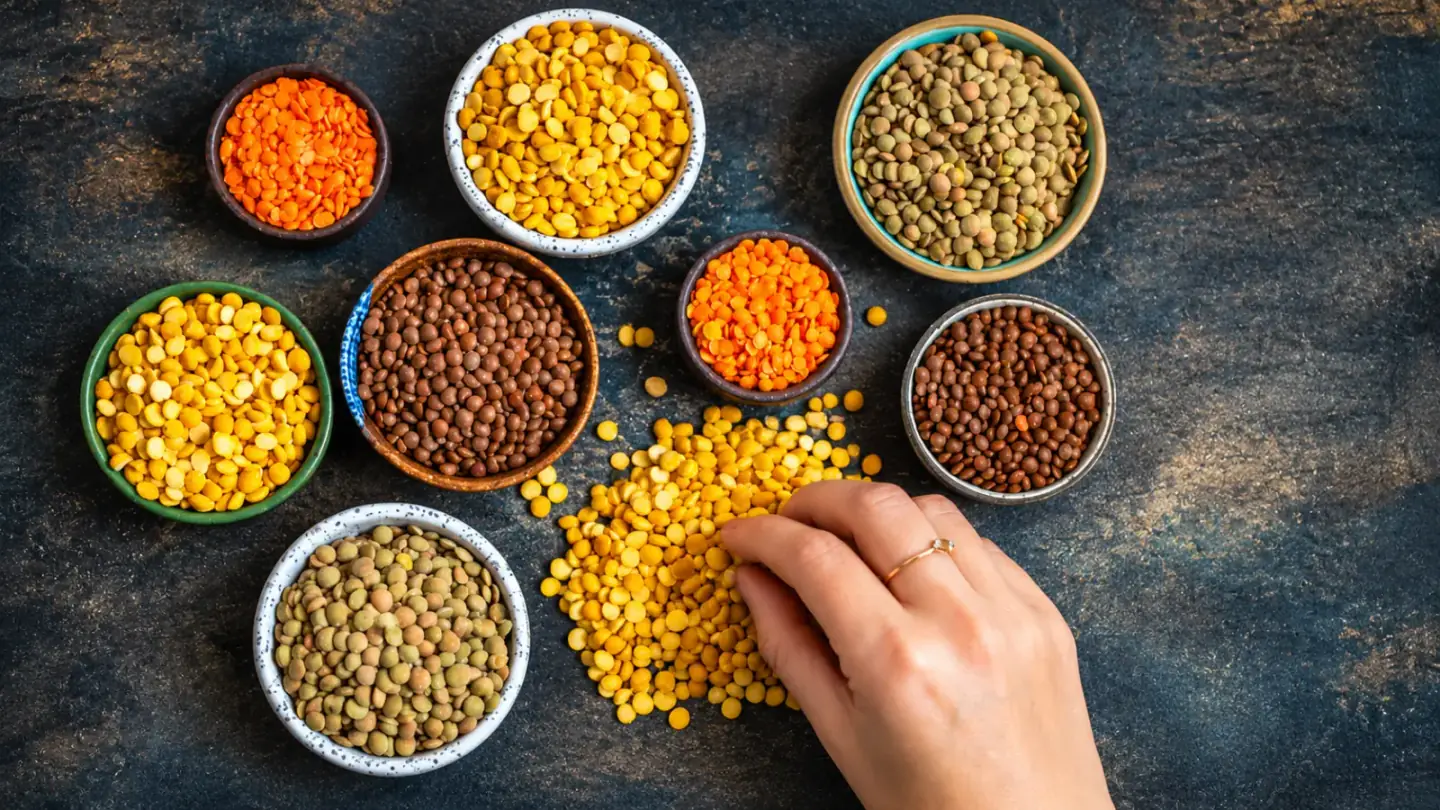
Do You Really Need to Soak Dal Before Cooking? The Truth May Surprise You
Many split dals can be cooked without soaking, while larger pulses often benefit from it. Here is how to choose, what soaking changes, and the important safety rule for rajma.
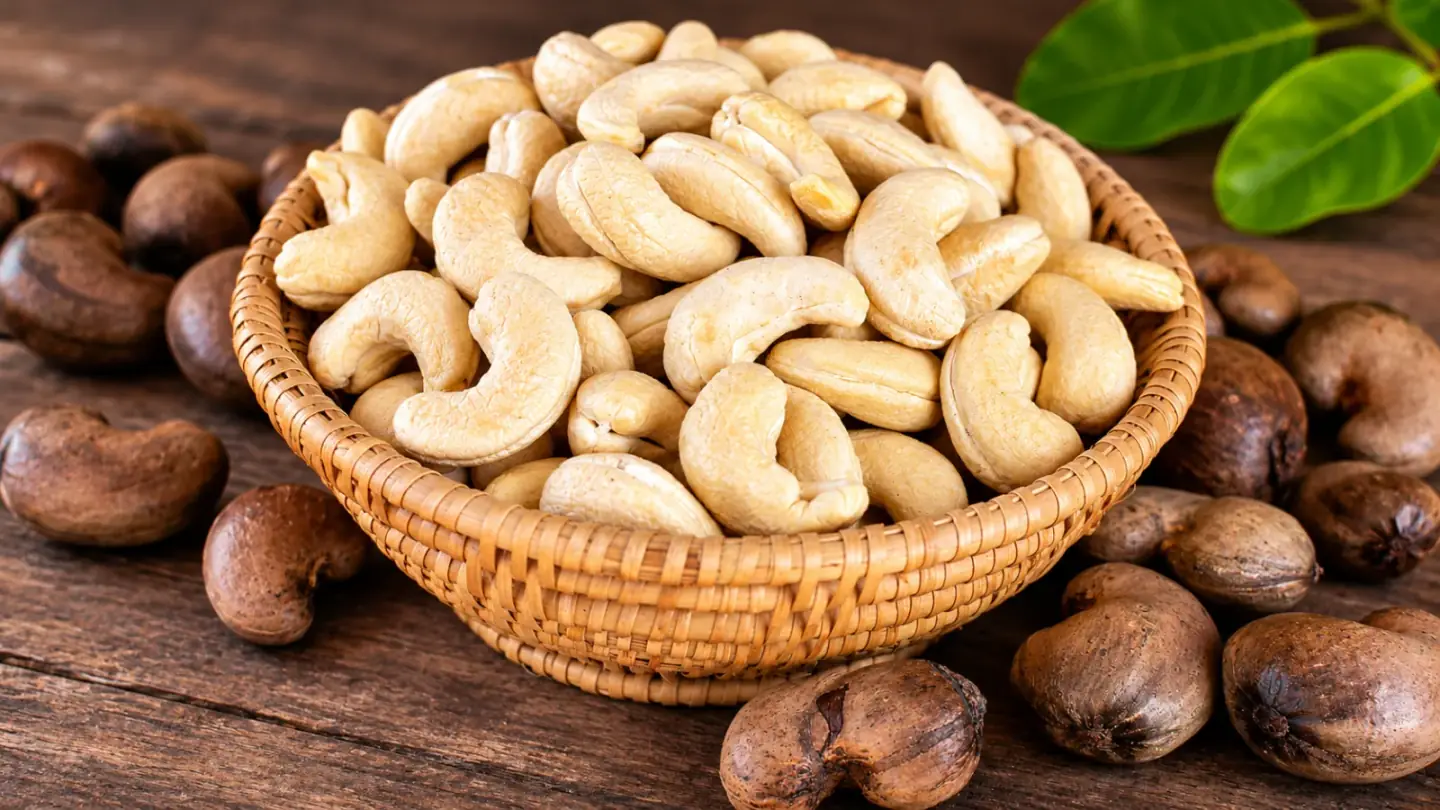
Cashews Aren’t Really Nuts! The Surprising Story of How Kaju Reached India
The crescent kernel in kaju katli began as a seed beneath a bright cashew apple. Follow its journey from tropical America to Goa and Indian kitchens.