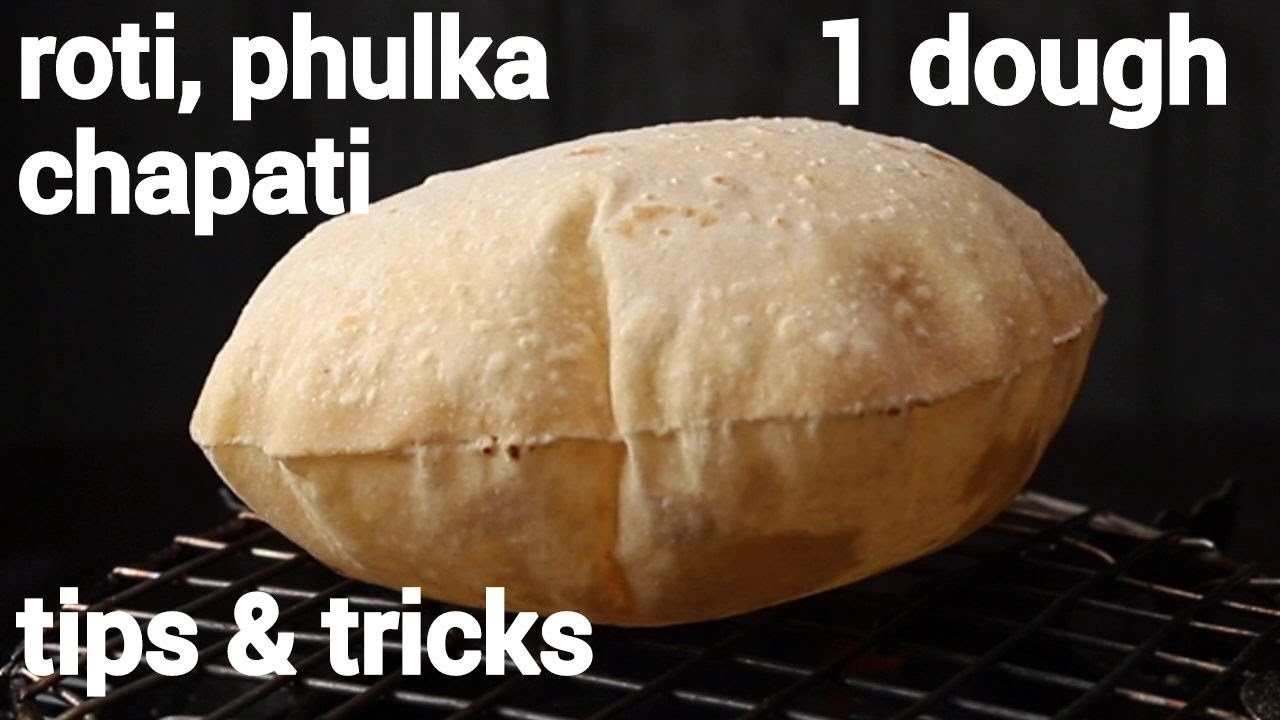
Phulka, Chapati, and Roti Recipe – Hebbar's Kitchen
For Dough
For Rolling & Cooking
Step-by-Step Instructions
Follow each step to make the recipe successfully.
Prepare the Dough
In a large bowl, take 3 cups of wheat flour. Add 1 tsp of salt and mix well. Add ½ cup of warm water and mix to form a crumble texture. Gradually add more water as required and gently to bring the dough together. Punch the dough vigorously for a few minutes. Add 2 tbsp of water and continue gently until the dough is super soft and non-sticky. Transfer the dough to a clean surface and gently to form a smooth ball. Place the perfect dough ball in a bowl. Drizzle 1 tsp of oil over the dough and grease it uniformly. Cover the bowl and let the dough rest for . After resting, the dough will be super soft. Gently it again without applying too much pressure. Divide the dough into ball-sized portions.
Prepare Phulka
Take one ball of dough and dust it with wheat flour. Press gently and roll it into a small, uniform disk using a rolling pin. Do not apply too much pressure. Ensure the phulka has a thin thickness. Dust off any excess flour. Place the rolled phulka on a hot tawa. After half-cooked, flip it over. Cook fully on the tawa until small bubbles appear. Transfer the half-cooked phulka to a direct flame (gas burner grill). Cook until the phulka puffs up completely. Flip it over and cook the other side until it puffs up and has light brown spots. The phulka is ready.
Prepare Chapati
Take one ball of dough and dust it with wheat flour. Press gently and roll it into a small disk. Apply half a teaspoon of oil evenly over the disk. Fold the disk in half. Fold it again to form a triangle shape. Dust the folded dough with wheat flour. Gently roll the triangular dough into a larger triangle or round shape, ensuring not to apply too much pressure. Dust off any excess flour. Place the rolled chapati on a hot tawa. Flip it over after a few seconds. Apply half a teaspoon of oil on the cooked side. Flip it again and apply half a teaspoon of oil on the other side. Cook both sides, pressing gently with a spatula, until the chapati puffs up and has golden brown spots. The chapati is ready.
Prepare Roti
Take one ball of dough and roll it into a uniform disk (similar to phulka, but can be slightly thicker). Place the rolled roti on a hot tawa. Turn it to cook uniformly. Bubbles will start to appear. Flip it over. Press gently with a spatula until the roti puffs up. Continue cooking until both sides are evenly cooked with light brown spots. The roti is ready.
Before You Cook
Helpful details before you startVariations
Simple ways to adapt this recipe.
- Phulka
Cooked partially on a tawa and then directly on a flame to puff up.
- Chapati
Rolled with a small amount of oil and folded into a triangle before final rolling and cooking on a tawa with oil.
- RotiCustomise
Cooked entirely on a tawa, pressed gently to puff up, without direct flame or oil during cooking.
Helpful Tips
Small details that can improve the final result.
More from hebbar's kitchen
Other recipes converted from hebbar's kitchen's cooking videos.

Missi Roti - Flatbread
Cuisine
Indian · North Indian
Prep + Cook Time
25 Minutes
Difficulty Level
Easy
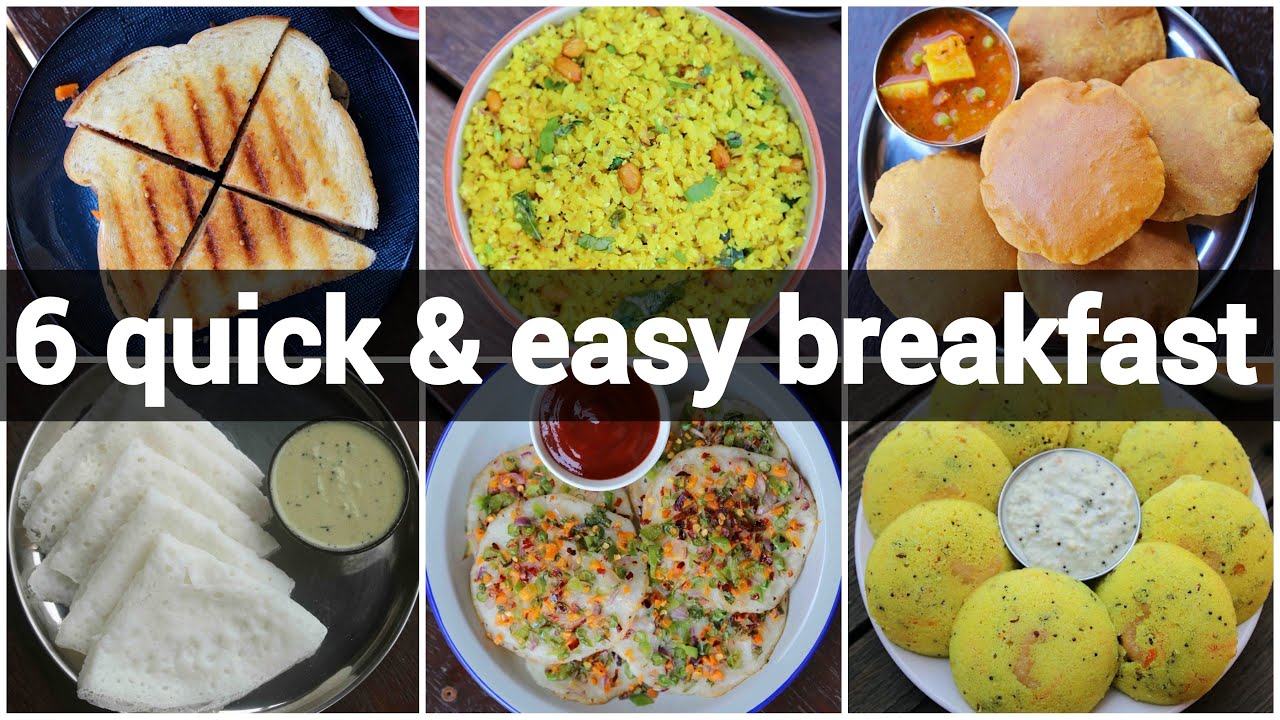
Poha Uttapam - Mix Veg Instant Uttapam
Cuisine
Indian · South Indian
Prep + Cook Time
36 Minutes
Difficulty Level
Easy
Missi Roti – Indian Flatbread
Cuisine
Indian · North Indian
Prep + Cook Time
30 Minutes
Difficulty Level
Easy
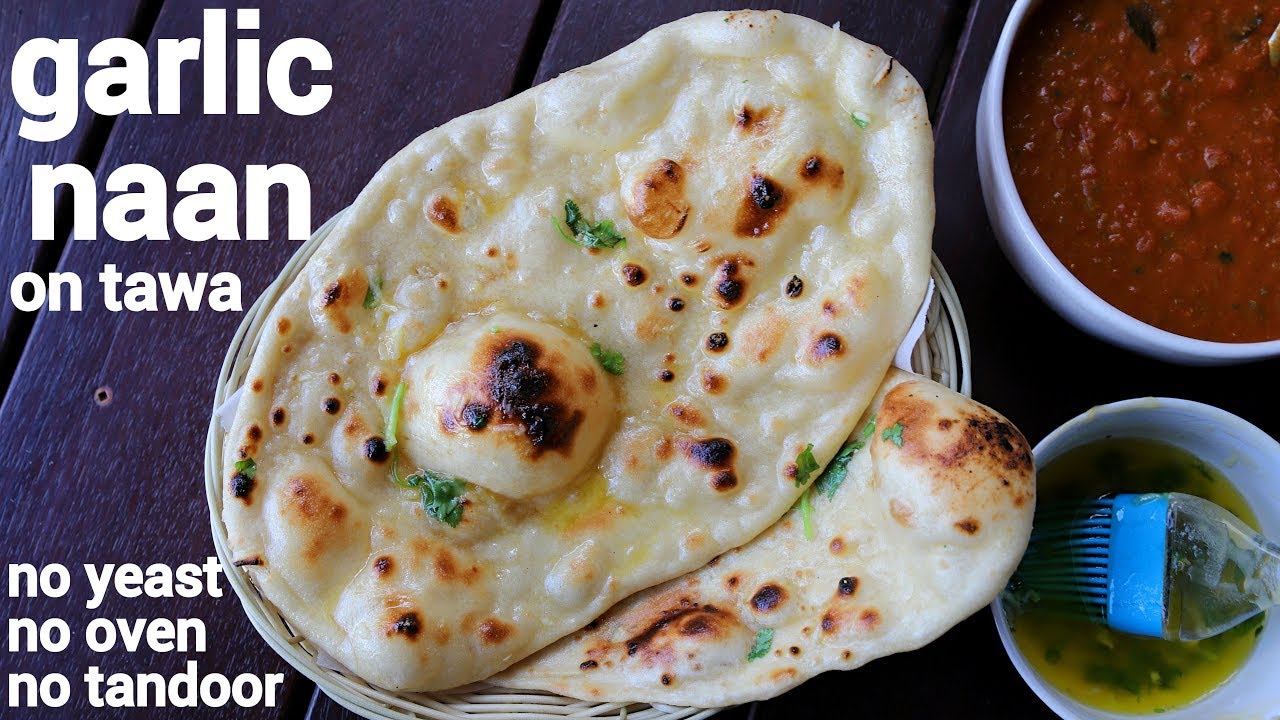
Garlic Naan Recipe – On Tawa (No Oven, No Yeast)
Cuisine
Indian · North Indian
Prep + Cook Time
2 hr 35 min
Difficulty Level
Medium
Missi Roti – Indian Flatbread
Cuisine
Indian · North Indian
Prep + Cook Time
30 Minutes
Difficulty Level
Medium
Poha Uttapam – Mix Veg Instant Uttapam
Cuisine
Indian · South Indian
Prep + Cook Time
25 Minutes
Difficulty Level
Easy
You might also like
Other recipes in the same cuisine, meal type, or style — ready to cook whenever you are.

Thakkali Satham (Tomato Rice) – Kongu Style
Cuisine
Indian · South Indian
Prep + Cook Time
35 Minutes
Difficulty Level
Easy
Thakkali Satham (Tomato Rice) – Kongu Style
Cuisine
Indian · South Indian
Prep + Cook Time
30 Minutes
Difficulty Level
Easy
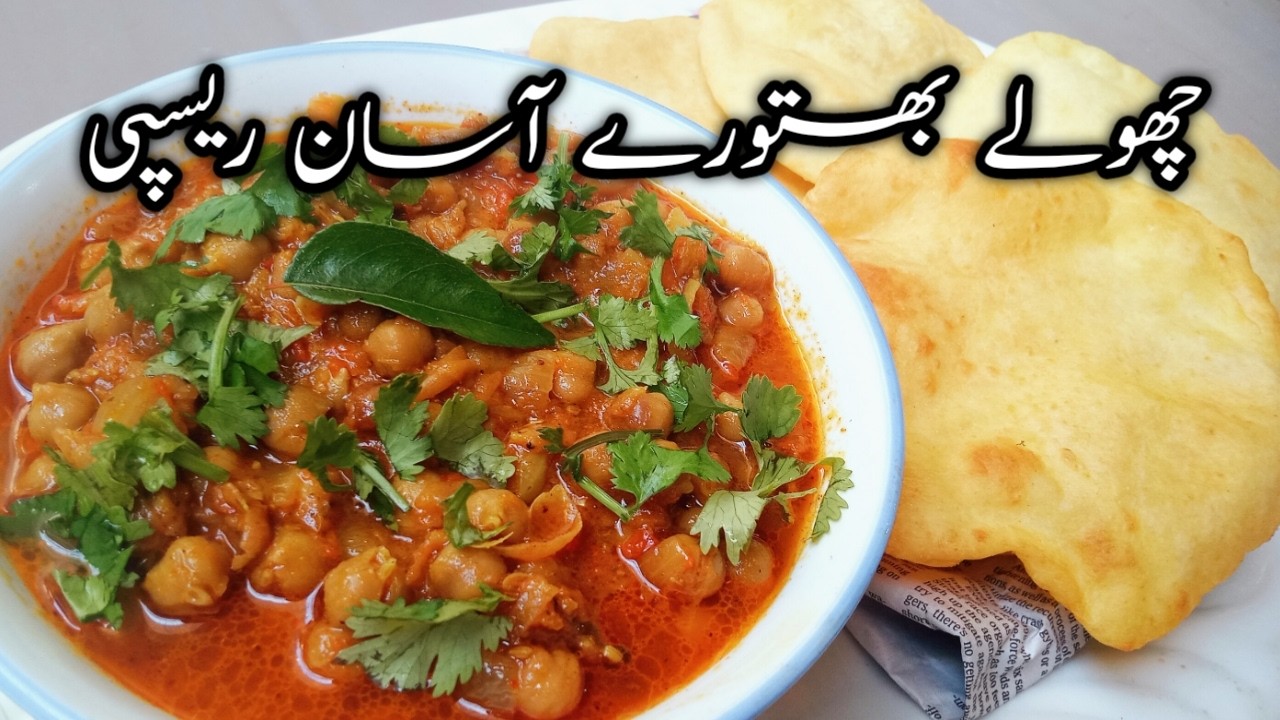
Chhole Bhature - Easy Recipe
Cuisine
Indian · North Indian
Prep + Cook Time
2 hr 40 min
Difficulty Level
Medium

Paneer Do Pyaza - Restaurant Style
Cuisine
Indian · North Indian
Prep + Cook Time
55 Minutes
Difficulty Level
Medium
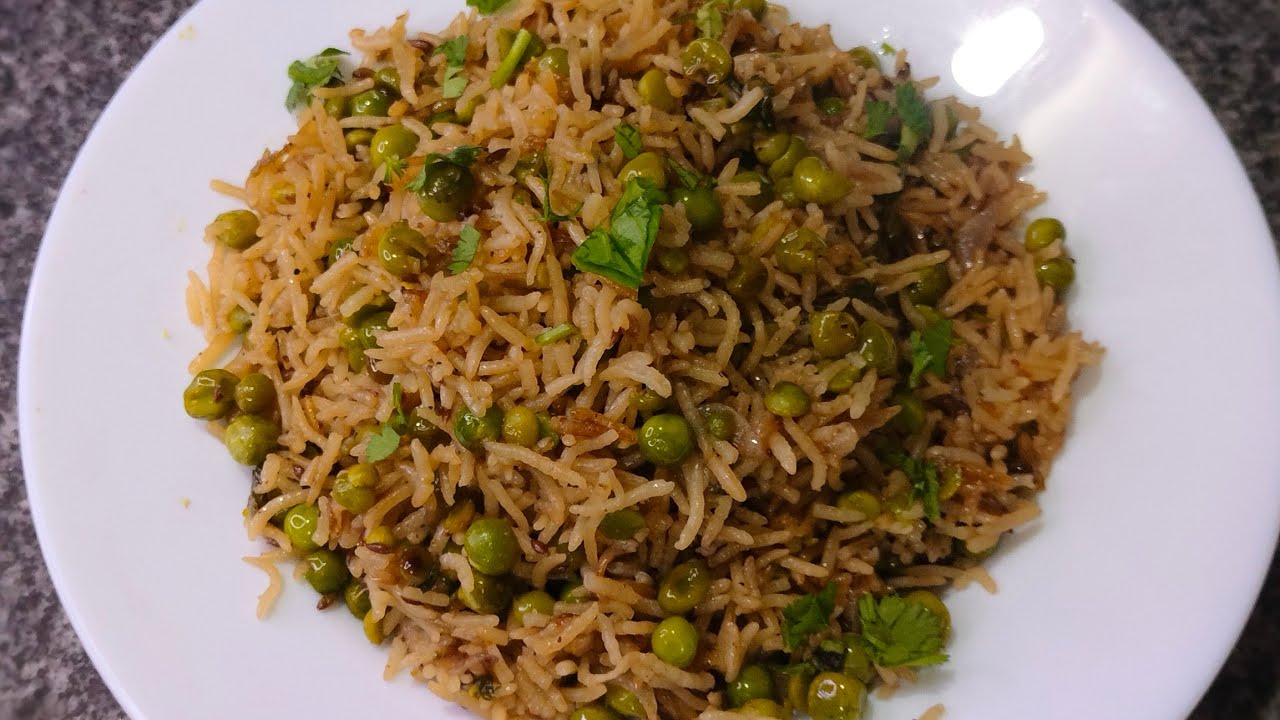
Matar Pulao - Simple and Tasty
Cuisine
Indian · North Indian
Prep + Cook Time
30 Minutes
Difficulty Level
Easy

Capsicum Sabji – Indian Style
Cuisine
Indian · North Indian
Prep + Cook Time
45 Minutes
Difficulty Level
Comments (0)
Sign in to leave a comment on this recipe.
Loading comments...