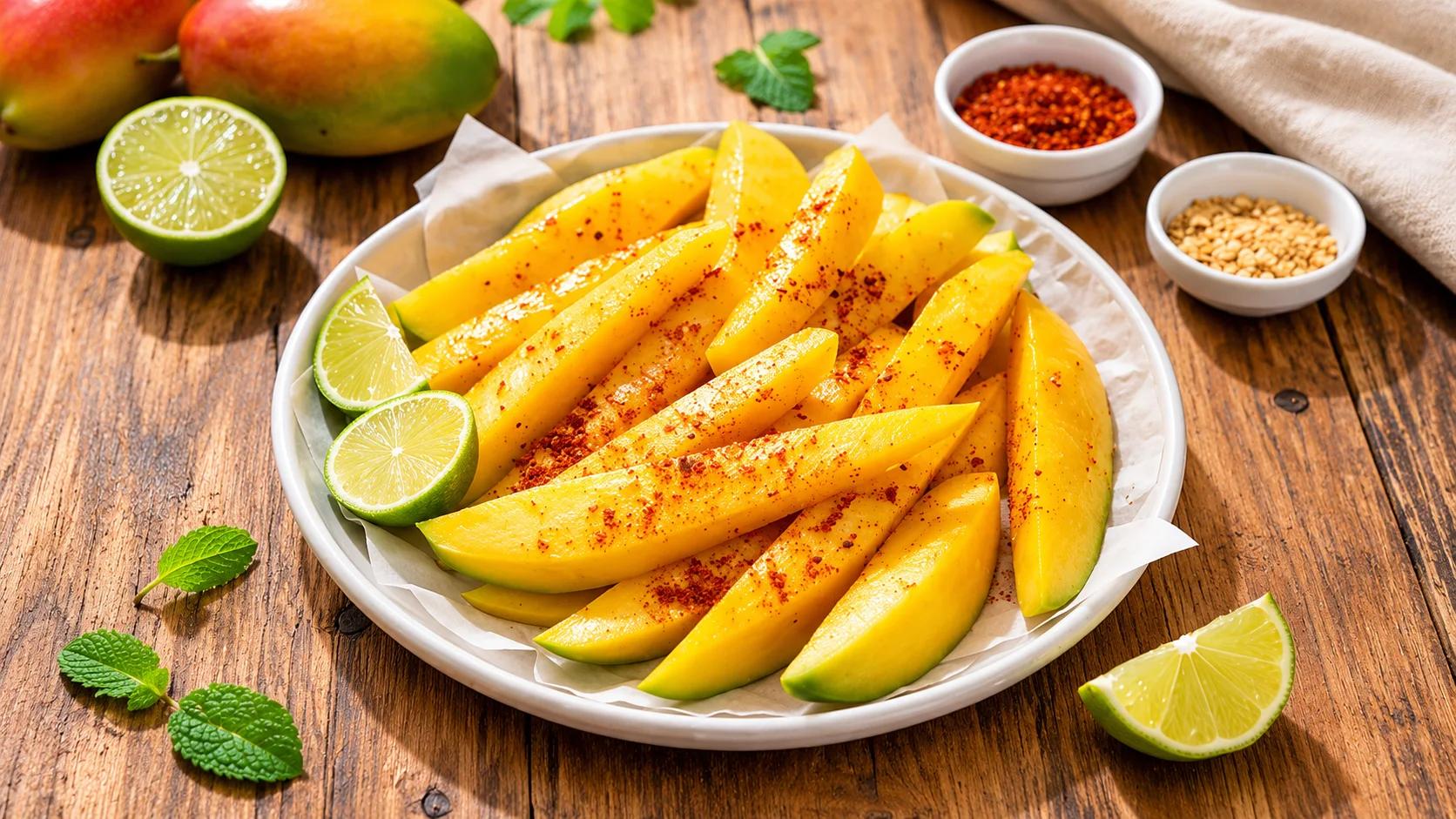
Mango with chilli, coffee with chocolate, pineapple with chaat masala: unusual pairings often work through contrast, aroma, texture, and familiarity. Here is what food science can explain, where its predictions end, and how to test a few combinations at home.
Ripe mango with chilli. Dark chocolate with coffee. Pineapple with chaat masala. Each pairing brings together ingredients with very different tastes, yet the result can feel balanced. The science of food pairing offers clues: aroma, contrast, texture, and what we have learned to enjoy all shape flavour. There is no formula that makes a combination delicious to everyone, but there are good reasons these familiar surprises can work.
Why do some strange food combinations taste so good?
A pairing can work through contrast as much as similarity. Sweet fruit can soften the impression of sharp acidity; a little salt can change how other tastes stand out; acidity can cut through a rich, fatty mouthfeel. Chilli brings a warming sensation alongside mango’s sweet aroma. Crunch next to creaminess adds another kind of contrast. These are useful ways to think about a plate, not guarantees: the amount, ingredient, preparation, and person tasting it all matter.
What does food pairing mean?
Traditional pairings are combinations cooks have developed through practice, family knowledge, local ingredients, and preference. Scientific flavour pairing looks at sensory qualities and the aroma compounds found in foods. Computational gastronomy uses recipe and ingredient data to find patterns or suggest combinations to explore. These approaches can inform one another, but a pattern in a database cannot declare a universally perfect dish.
Flavour is more than taste
The tongue detects sweet, sour, salty, bitter, and umami. Aroma joins in as molecules travel from food to the nose, including by a route up the back of the throat while you chew. Texture and temperature add more information: juicy mango, crisp sev, warm tea, or cool mint do not feel alike even if some tastes overlap. Chilli heat is not a basic taste. Capsaicin activates heat-sensitive sensory nerves, creating a warming or burning feeling. That sensation can sit beside sweetness or sourness and make a bite feel more layered.
Cooking changes aroma: toasted coffee smells different from steeped, ripe fruit from unripe. Chopping, heating, and adding fat also affect aroma release, so shared compounds alone cannot describe a dish.
Seven surprising food combinations that make sense
1. Mango, chilli, and salt
Ripe mango brings sweetness and aroma; chilli adds heat, while salt and lime sharpen the impression. This contrast appears in Indian fruit snacks. Try a few slices with a pinch of chilli powder and salt. Salt’s effect depends on the food and amount.
2. Dark chocolate and coffee
Roasted notes help coffee and dark chocolate pair; chocolate’s sweetness and cocoa richness can soften coffee’s bitterness. Their aromas differ, and roast and cocoa percentages change the balance. Mocha desserts use the pairing; try a little cooled coffee in chocolate ganache.
3. Pineapple and chaat masala
Pineapple is juicy, sweet, and tart. Chaat masala brings salt, sour notes, and spice, creating a lively contrast rather than hiding the fruit. This idea is familiar from Indian fruit chaat and street snacks. Try a light dusting on fresh pineapple, then add more only if you like it. Our Pineapple Masala is an easy way to explore the combination.
4. Watermelon and salt
A few grains of salt can shift juicy watermelon’s balance and make other flavours more noticeable to some people. Try two small pieces, one plain and one with a tiny pinch. It is a matter of taste, not a rule for serving melon.
5. Tamarind and jaggery
Tamarind’s tartness and jaggery’s sweetness balance in chutneys and sauces. Add chilli, cumin, or ginger for warmth. Start with a little jaggery in tamarind water, tasting before adding more. A good chutney can be sweet-sour without becoming candy-like; the right balance depends on the dish it accompanies.
6. Strawberry and balsamic vinegar
Balsamic vinegar adds acidity and aroma to ripe strawberries, giving their sweetness a sharper edge. Start sparingly. Spoon sliced berries with a few drops over yoghurt or vanilla ice cream and let them stand briefly.
7. Peanut, chilli, and lime
Peanuts are rich and crunchy; chilli brings warmth, lime sharpness, and salt ties the snack together. Toss roasted peanuts with lime, chopped chilli, and a little salt just before serving so they stay crisp. Peanuts are a serious allergen: check with guests and keep them away from anyone with a peanut allergy.
What Indian cooking can teach us about contrast
Many Indian dishes build flavour with several elements at once: aromatic spices, herbs, acidity, salt, sweetness, fermented foods, and varied textures. Chutneys and chaat make those contrasts easy to notice. A study of recipe data from eight regional cuisines—Bengali, Gujarati, Jain, Maharashtrian, Mughlai, Punjabi, Rajasthani, and South Indian—found that ingredient pairs with more recorded flavour compounds in common appeared together less often than expected in those collections. Spices contributed to that pattern, while dairy sometimes showed a different tendency.
This is a statistical finding about a particular recipe dataset and its flavour-compound records. It does not cover every Indian region, household, or dish, and it does not prove that low-overlap pairings taste better. A familiar example such as bhel puri brings together crisp puffed rice, chutneys, spice, and often raw mango: its appeal involves balance, texture, and culinary memory, not just a molecule count.
Can a computer predict what will taste good?
Recipe databases and ingredient chemistry can map patterns and suggest ideas, but may miss quantities, preparation, regional versions, texture, and personal preference. Shared aroma compounds are one clue, not a score for deliciousness. Treat a computer’s suggestion as a kitchen experiment.
Three small kitchen experiments
- Compare mango plain and seasoned. Taste two small pieces of the same ripe mango. Add a little chilli and salt to one. Notice whether heat, sweetness, or aroma stands out more to you.
- Test the salt on watermelon. Try matched pieces, one plain and one with just a few salt grains. Decide whether the difference is pleasant; no result is the correct one.
- Balance tamarind and jaggery. Stir a small amount of jaggery into tamarind chutney in a separate bowl. Taste after each addition and stop when the sourness and sweetness suit your palate.
Five food-pairing myths, checked
- Myth: Similar ingredients always taste good together. Fact: Similar aromas can be a useful clue, but texture, balance, cooking, and familiarity also shape enjoyment.
- Myth: Opposite flavours cannot work. Fact: Sweet and sour or rich and acidic contrasts can be appealing when their strength is balanced to the dish.
- Myth: Traditional pairings have no science behind them. Fact: Sensory science can help explain aroma and taste interactions, while tradition also records practice and preference across generations.
- Myth: AI can tell you the perfect pairing. Fact: Models can find patterns in available data, but they cannot know every recipe, context, or individual palate.
- Myth: If I like it, everyone will. Fact: People differ in sensory sensitivity, familiarity and preference. Offer unusual pairings as an invitation, not a test.
Why personal taste still matters most
Genetics can influence sensitivity to some tastes and aromas, but experience, culture, expectations, ingredient quality, and preparation also shape what feels enjoyable. Familiarity may make a new pairing easier to appreciate for some people; it does not promise that everyone will learn to like it. No palate needs correcting.
Frequently asked questions
What is the science behind food pairing?
Food pairing draws on taste, aroma, texture, temperature, and context. Chemistry can describe some ingredient aromas, and sensory research can measure how combinations are perceived, but neither gives a universal recipe for deliciousness.
Why do sweet and salty foods taste good together?
In some foods and amounts, salt changes the balance of other tastes and can make sweetness or aroma seem more noticeable. The effect varies with the ingredient and concentration, so a little may suit a dish where more would not.
Why do mango and chilli taste good together?
Mango’s sweet aroma contrasts with the warming sensation of chilli. Salt or lime may add more contrast. Chilli heat is a nerve sensation, not a basic taste, and the pairing is enjoyable to some people rather than everyone.
Do ingredients need shared flavour compounds to work together?
No. Shared aroma compounds are one proposed clue, not a requirement. Contrasting tastes, texture, preparation, cultural familiarity, and personal preference can all contribute to a successful combination.
Can AI predict delicious food combinations?
AI can use recipe and ingredient data to suggest combinations or find patterns. Its suggestions are hypotheses to try: data may omit quantities, preparation, regional variation, and the preferences of the person eating.
The next time a combination sounds strange, try a small bite and pay attention to what changes: aroma, texture, sweetness, heat, or memory. Great pairings do not have to match; sometimes contrast is what makes the plate interesting. Explore more flavourful recipes on FullMeals, and let your own kitchen be the final taste test.