Soft & Sweet Dosa
Recipe by Kamaths Veg & Non-Veg
Ingredients
Main Ingredients
- 2 cupsSona Masoori Rice
- 1 cupMedium-sized Poha (flattened rice)
- 0.5 to 1 tspMethi Seeds (fenugreek seeds)
- 0.5 cupCurd (or Buttermilk)
- to tasteSalt
For Sweet Dosa
- 0.25 to 0.5 cupGrated Jaggery
- as neededOil or Ghee
Step-by-Step Instructions
- 1.Wash and Soak Ingredients
Thoroughly wash 2 cups of Sona Masoori rice, 1 cup of medium-sized poha, and 0.5 to 1 teaspoon of methi seeds. Rinse them 2-3 times until the water runs clear. Place all washed ingredients in a bowl and soak them in water for 5 hours. For example, if you soak them at 12 PM, they will be ready for grinding by 5 PM.
- 2.Grind the Batter
After 5 hours of soaking, drain all the water from the soaked rice, poha, and methi seeds. Transfer the soaked ingredients into a mixer grinder jar. Add 0.5 cup of curd (or buttermilk) to the jar. Grind the mixture into a smooth, slightly thick paste, similar to a regular dosa batter consistency.
- 3.Prepare Plain Dosa Batter
Pour about half of the ground batter into a separate bowl for the plain dosa. Add salt to taste and mix it thoroughly by hand until well combined.
- 4.Prepare Sweet Dosa Batter
Take the remaining half of the batter and add 0.25 to 0.5 cup of grated jaggery (adjust to your preferred sweetness). Mix the jaggery into the batter thoroughly by hand until it is completely dissolved and evenly distributed. You can also add grated coconut at this stage if desired.
- 5.Ferment the Batters
Cover both the plain and sweet dosa batters, leaving a small gap for air circulation. Allow them to ferment overnight. The fermentation process will make the batter fluffy and light.
- 6.Cook Plain Dosa
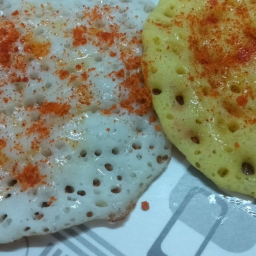
The next morning, the batters should be well-fermented and fluffy. Heat a tawa (griddle) and lightly grease it with oil. Pour a ladleful of the fermented plain dosa batter onto the hot tawa. Do not spread the batter; let it naturally form a thick, round pancake. Drizzle a little oil or ghee around the edges and on top of the dosa. Cover the dosa with a lid and cook for approximately 30 seconds until small holes appear on the surface, indicating it is cooked through on one side. Remove the dosa from the tawa.
- 7.Cook Sweet Dosa
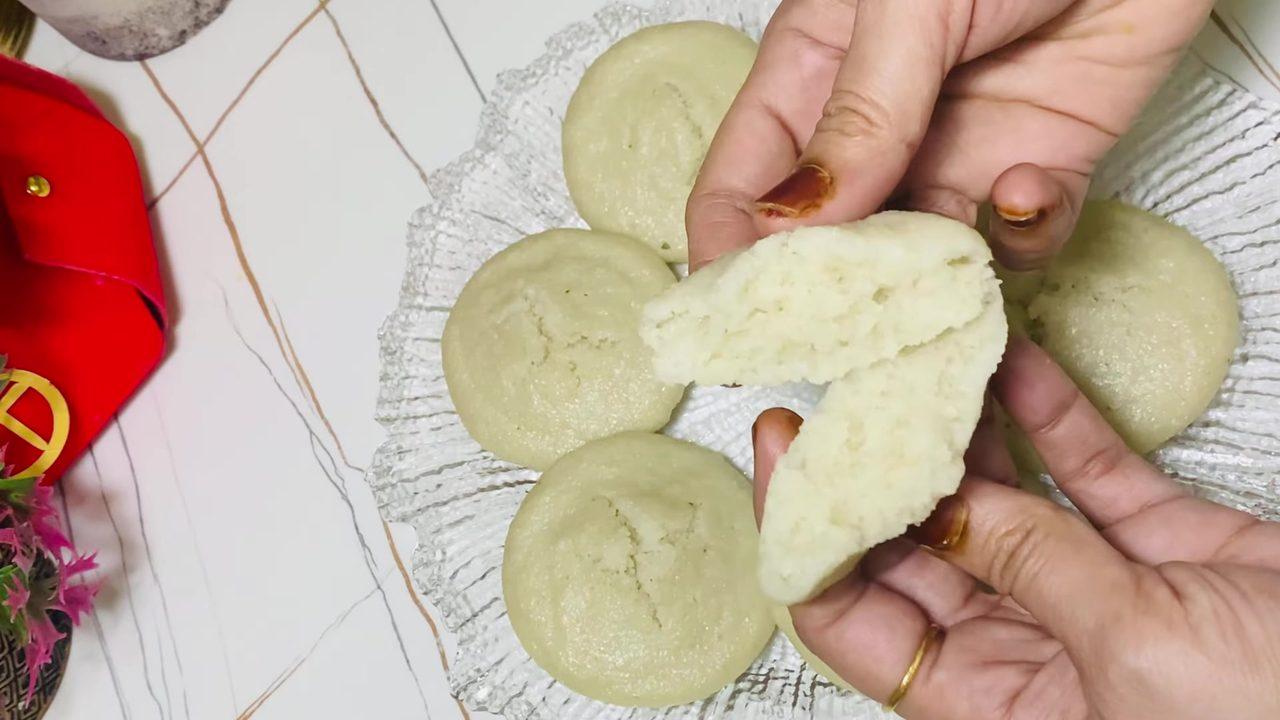
Heat the tawa again and lightly grease it with oil. Pour a ladleful of the fermented sweet dosa batter onto the hot tawa. Again, do not spread the batter. Drizzle oil or ghee on top. Cover and cook for approximately 30 seconds until small holes appear on the surface and it's cooked on one side. Remove the sweet dosa from the tawa.
- 8.Serve
Serve the plain dosa hot with chutney, sambar, or pickle. The sweet dosa can be enjoyed with ghee, chutney powder, or simply on its own. Both dosas will be soft and delicious.



Comments (0)
Sign in to leave a comment on this recipe.
Loading comments...