Perfect Chapati (Roti) - Traditional Indian Flatbread
Main Ingredients
Step-by-Step Instructions
Follow each step to make the recipe successfully.
Combine Flour and Water
In a large bowl, combine 250g of chapati flour with 150ml of cold water. Mix and the mixture until a soft, non-sticky dough forms. The amount of water may vary slightly depending on the flour brand.
Rest the Dough
Cover the dough with a clean tea towel and for . This allows the gluten to relax, resulting in a softer chapati.
Final Knead
After , give the dough a final for a few minutes until it is smooth and springy. When pressed, it should bounce back.
Divide and Form Dough Balls
Divide the dough into four equal portions. Take one portion, dip it in dry chapati flour, and form it into a smooth ball by pressing it between your palms and pinching the edges to seal. Repeat for all portions.
Heat the Tawa
Turn the gas hob to full power and place the tawa (or frying pan/crepe pan) on it. Once hot, the heat to a low-medium setting. Allow the tawa to heat thoroughly while you roll out the chapatis.
Roll Out the Chapati
Place a dough ball on a lightly floured surface. Using a rolling pin, roll the dough evenly, turning it frequently, until it forms a thin, round chapati. Ensure it's not too thick or too thin.
Cook on Tawa (First Side)
Gently transfer the rolled chapati onto the hot tawa. Cook for approximately until the color on the top surface visibly changes and small bubbles start to appear.
Cook on Tawa (Second Side)
Flip the chapati over and cook for another on the second side. It should develop some light brown spots.
Puff the Chapati (Method 1: Direct Flame)
Remove the tawa from the hob and turn the gas to full power. Using a roti flipper (or tongs), place the chapati directly over the flame. Gently rotate and flip the chapati until it puffs up completely and develops golden brown spots. Ensure the edges are also cooked.
Puff the Chapati (Method 2: Tea Towel - Alternative)
If not using a roti flipper, after cooking both sides on the tawa, use a clean tea towel to gently press around the edges of the chapati on the tawa. This will help it puff up. Continue pressing and rotating until the chapati is fully puffed and cooked with golden brown spots.
Serve Warm
Once cooked, immediately transfer the chapati into a clean tea towel to keep it warm and soft. Serve hot with your favorite curry or side dish.
Before You Cook
Helpful details before you startPlan Ahead
Complete this step earlier to save time later.
- View Step 2Rest the Dough30 minutes
Cover the dough with a clean tea towel and let it rest for 30 minutes. This allows the gluten to relax, resulting in a softer chapati.
Variations
Simple ways to adapt this recipe.
- Add a pinch of saltCustomise
Add a pinch of salt to the flour for enhanced flavor.
- If a tawa is unavailable
A crepe pan or a regular frying pan can be used for cooking the chapati.
Helpful Tips
Small details that can improve the final result.
More from My Little Kitchen
Other recipes converted from My Little Kitchen's cooking videos.

Perfect Chapatti / Roti
Cuisine
Indian · South Asian
Prep + Cook Time
47 Minutes
Difficulty Level
Medium
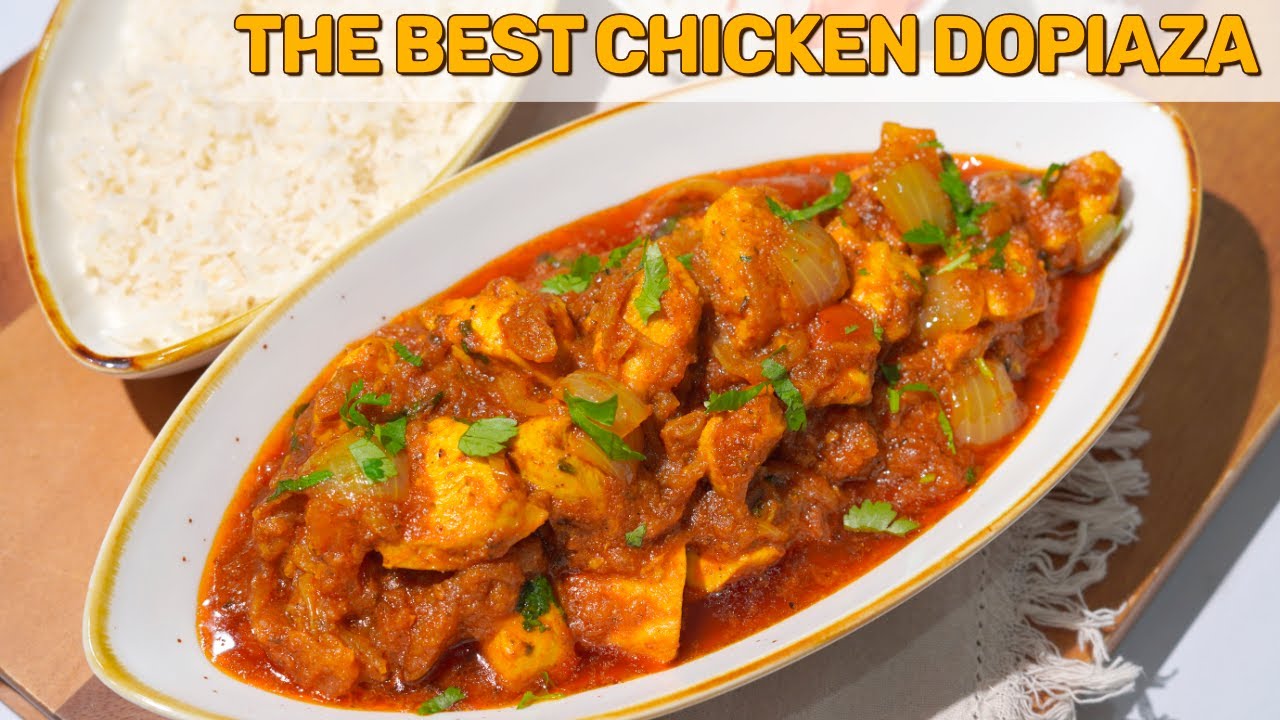
Chicken Dopiyaza – My Style
Cuisine
Indian · North Indian
Prep + Cook Time
1 hr
Difficulty Level
Medium
Perfect Chapati (Roti) - Back to Basics
Cuisine
Indian · South Asian
Prep + Cook Time
45 Minutes
Difficulty Level
Easy
Perfect Chapati – Indian Flatbread
Cuisine
Indian · North Indian
Prep + Cook Time
45 Minutes
Difficulty Level
Easy
How to Make Perfect Chapati/Roti
Cuisine
Indian · North Indian
Prep + Cook Time
45 Minutes
Difficulty Level
Easy

Restaurant Style Saag Paneer
Cuisine
Indian · North Indian
Prep + Cook Time
40 Minutes
Difficulty Level
Easy
You might also like
Other recipes in the same cuisine, meal type, or style — ready to cook whenever you are.
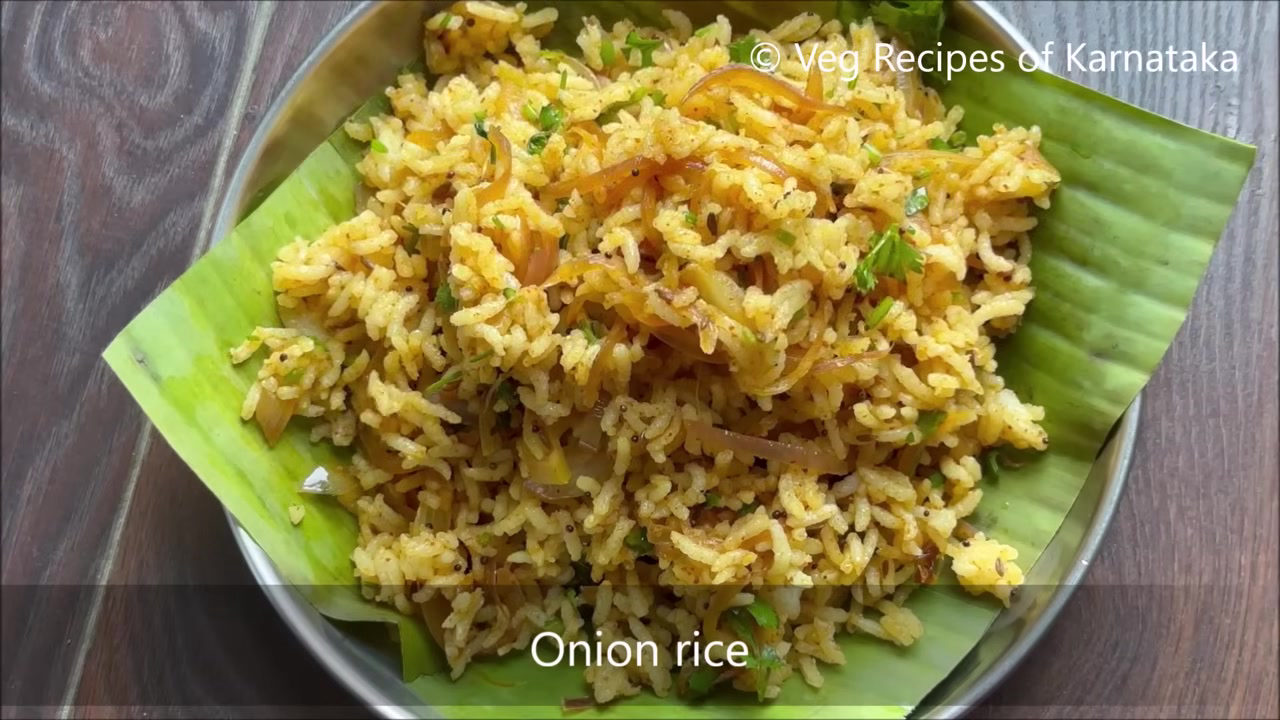
Onion Rice (Eerulli Rice) – South Indian Style
Cuisine
Indian · South Indian
Prep + Cook Time
25 Minutes
Difficulty Level
Easy

Easy Onion Rice (Eerulli Rice)
Cuisine
Indian · South Indian
Prep + Cook Time
25 Minutes
Difficulty Level
Easy

Thakkali Satham (Tomato Rice) – Kongu Style
Cuisine
Indian · South Indian
Prep + Cook Time
35 Minutes
Difficulty Level
Easy
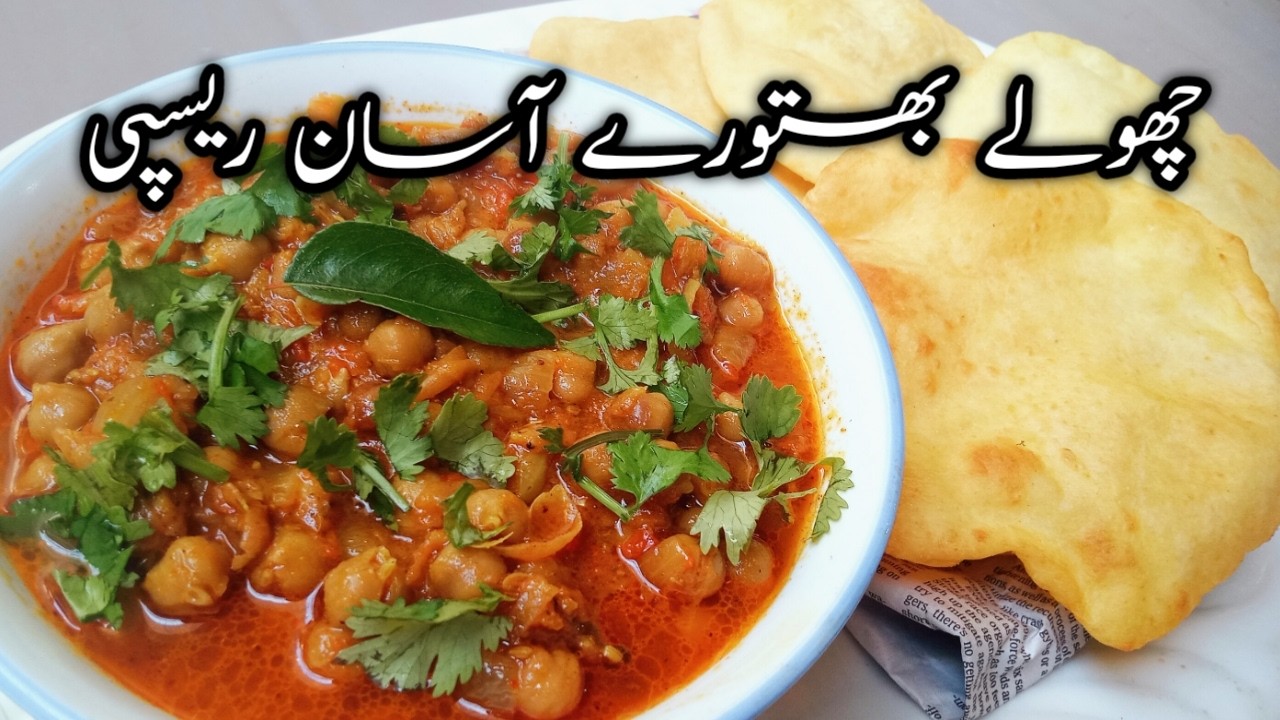
Chhole Bhature - Easy Recipe
Cuisine
Indian · North Indian
Prep + Cook Time
2 hr 40 min
Difficulty Level
Medium

Paneer Do Pyaza - Restaurant Style
Cuisine
Indian · North Indian
Prep + Cook Time
55 Minutes
Difficulty Level
Medium
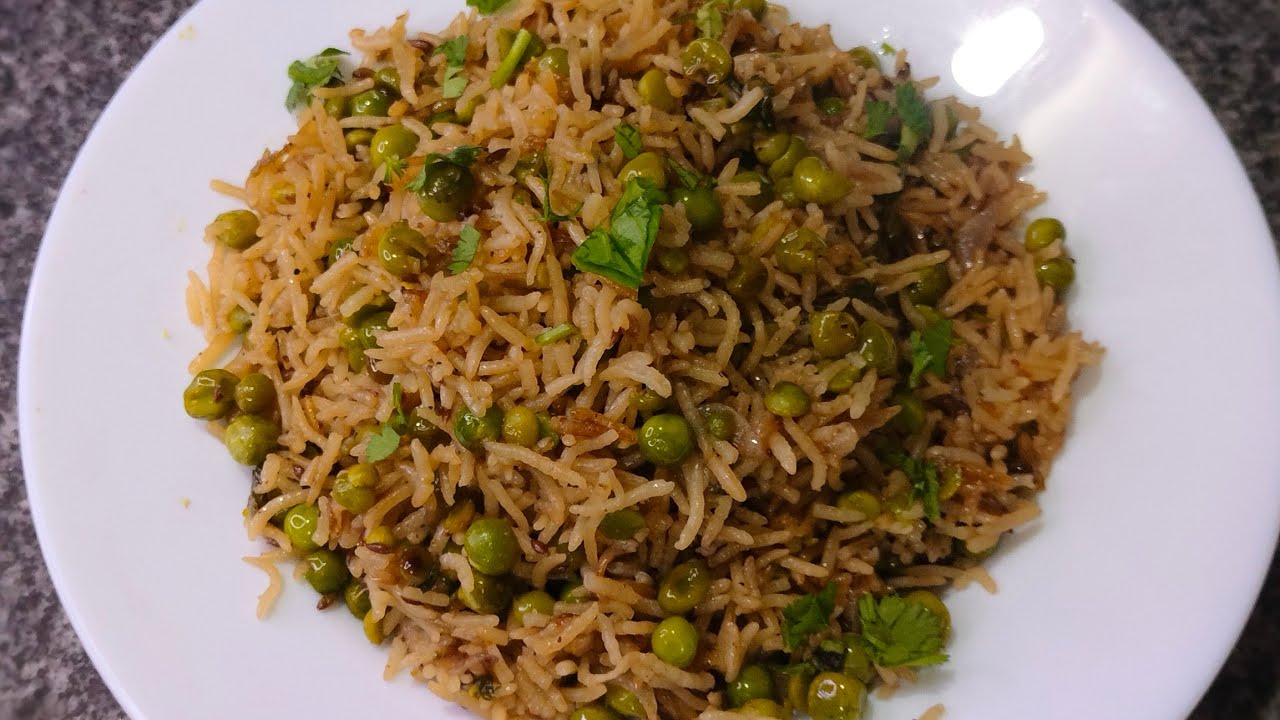
Matar Pulao - Simple and Tasty
Cuisine
Indian · North Indian
Prep + Cook Time
30 Minutes
Difficulty Level
Comments (0)
Sign in to leave a comment on this recipe.
Loading comments...