
Perfect Chapati – Indian Flatbread
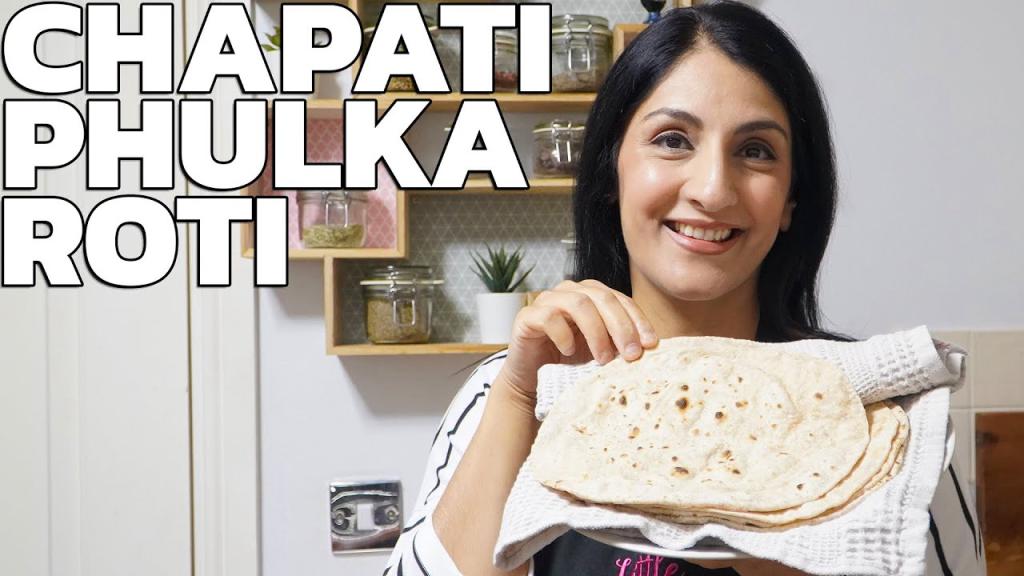
Main Ingredients
Step-by-Step Instructions
Follow each step to make the recipe successfully.
Gather Ingredients
Have 250g of chapati flour (atta) and 150ml of cold water ready. A pinch of salt is optional.
Knead the Dough
In a large bowl, add the 150ml of cold water to the 250g of chapati flour. Mix and the mixture by hand until it forms a soft but not sticky dough. Adjust the water quantity if the dough is too dry or too sticky. The dough should be firm yet pliable.
Rest the Dough
Cover the dough with a clean tea towel and at room temperature for . This allows the gluten to relax, resulting in softer chapatis.
Perform Final Knead
After , give the dough a final for about . This further improves the texture, making it smooth and springy.
Prepare Workstation and Tools
Set aside a bowl of dry chapati flour for dusting. Have a rolling pin, a tawa (hot plate), and a roti flipper (or a clean tea towel) ready. Place the tawa on a portable gas hob (or your stove) and turn the heat to full power to preheat. Once hot, the heat to a low-to-medium setting.
Divide the Dough
Lightly flour your work surface. Transfer the dough onto the floured surface and divide it into four equal portions using a dough scraper or knife.
Shape Dough Balls
Take one dough portion, dip it into the dry flour, and roll it between your palms. Use your left palm to hold the dough and your right hand's fingers to push the dough over and back into the middle. Pinch the top to seal any gaps, then roll it into a smooth, round ball. Repeat this process for all four dough portions and set them aside.
Roll Out Chapati
Take one dough ball, dip it again in dry flour, and gently shake off any excess. Place it on your floured work surface. Using a rolling pin, roll out the chapati. Roll one way, then turn the dough and roll again. If it starts to stick, pick it up, dip it back into the dry flour, shake off excess, and continue rolling until you have a nice, even, round chapati of desired thickness.
Cook First Side on Tawa
Once the tawa is hot (on low-to-medium heat), gently shake off any excess flour from the rolled chapati and place it onto the tawa. Cook for approximately . You will notice the color of the chapati changing on the top surface.
Cook Second Side on Tawa
Flip the chapati over using a spatula or your hands (if comfortable). Cook the second side for another until it starts to show light brown spots.
Puff Chapati Over Direct Flame (Method 1)
Remove the tawa from the hob. Turn the hob to full power. Using a roti flipper, carefully place the partially cooked chapati directly over the open flame. Gently move it around to ensure even cooking and watch as it puffs up. Flip it over to cook the other side directly over the flame until it's fully puffed and has nice brown spots. Once cooked, remove it from the flame and place it into a clean tea towel to keep warm.
Puff Chapati with Tea Towel (Method 2)
Alternatively, if you don't have a roti flipper or prefer not to use direct flame, after cooking both sides on the tawa, use a clean tea towel to gently press down around the edges of the chapati. This will help it puff up. Continue flipping and applying pressure with the tea towel until the chapati is fully cooked and puffed. Turn off the hob and place the cooked chapati into a clean tea towel to keep warm.
Before You Cook
Helpful details before you startPlan Ahead
Complete this step earlier to save time later.
- View Step 3Rest the Dough30 minutes
Cover the dough with a clean tea towel and let it rest at room temperature for 30 minutes. This allows the gluten to relax, resulting in softer chapatis.
Variations
Simple ways to adapt this recipe.
- If you don't have a traditional tawa
You can use a crepe pan or a regular frying pan to cook the chapatis.
Helpful Tips
Small details that can improve the final result.
More from My Little Kitchen
Other recipes converted from My Little Kitchen's cooking videos.
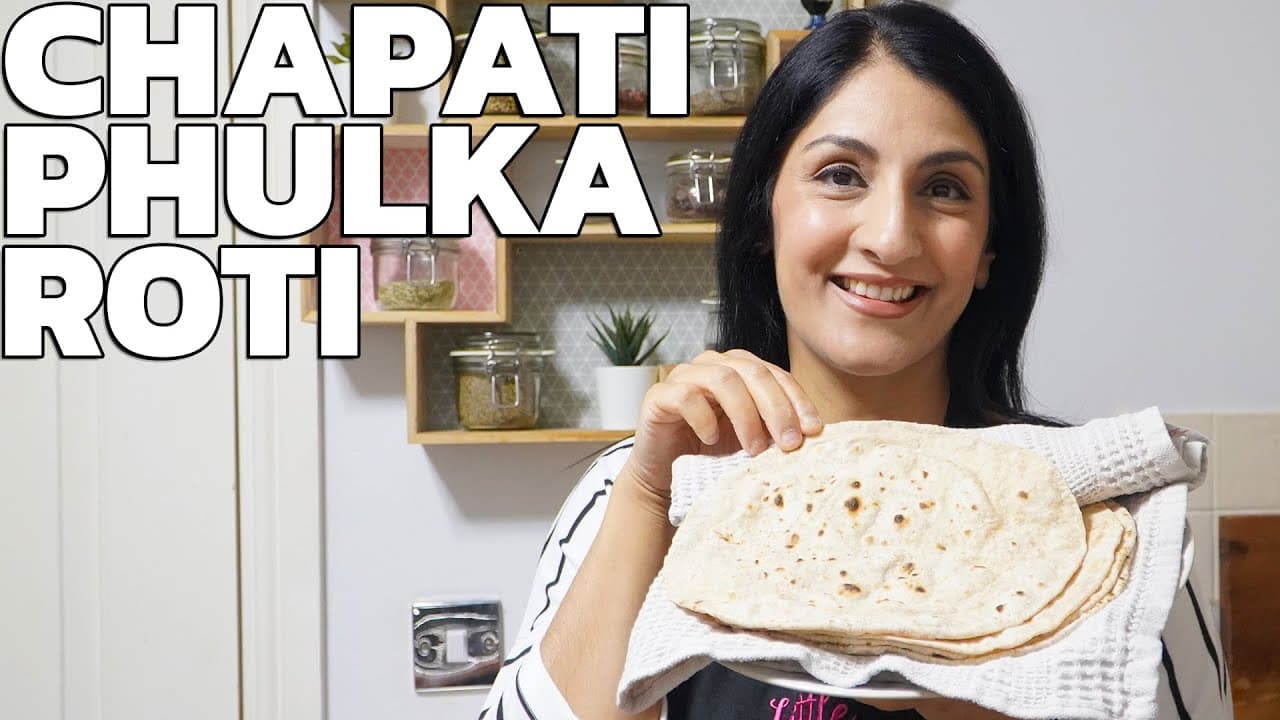
Perfect Chapatti / Roti
Cuisine
Indian · South Asian
Prep + Cook Time
47 Minutes
Difficulty Level
Medium
Perfect Chapati (Roti) - Traditional Indian Flatbread
Cuisine
Indian · North Indian
Prep + Cook Time
1 hr
Difficulty Level
Easy
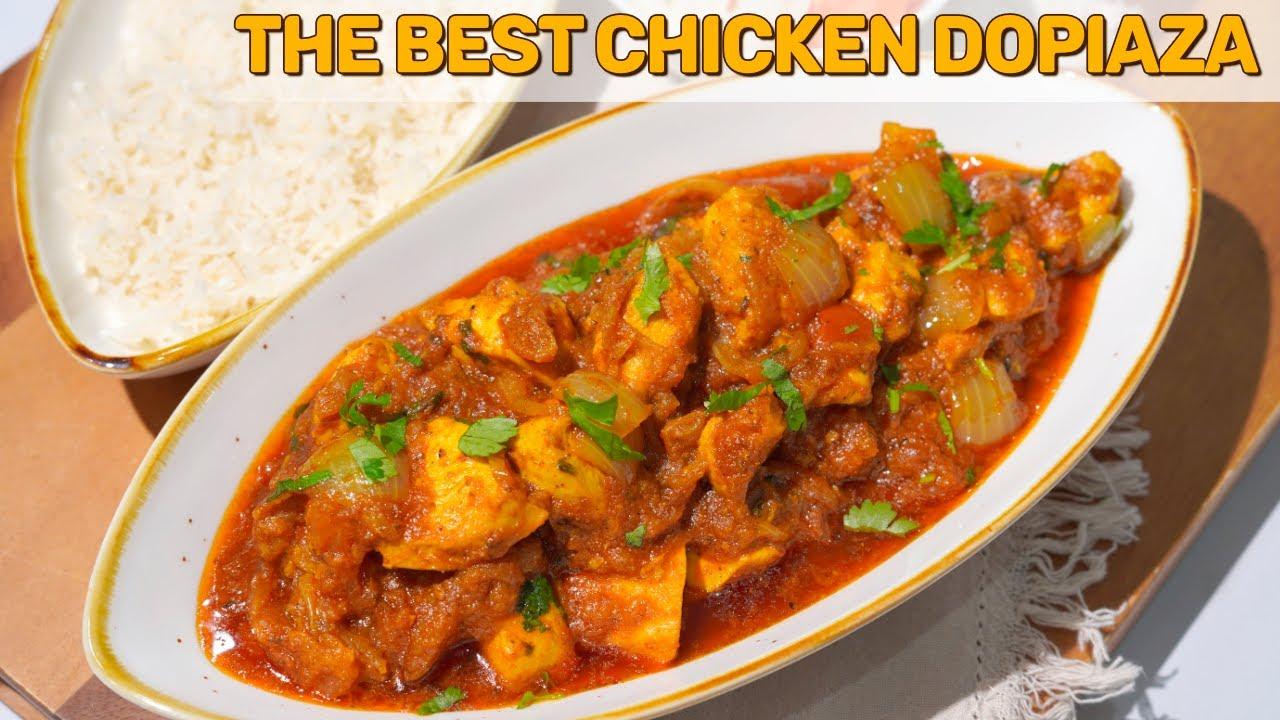
Chicken Dopiyaza – My Style
Cuisine
Indian · North Indian
Prep + Cook Time
1 hr
Difficulty Level
Medium
Perfect Chapati (Roti) - Back to Basics
Cuisine
Indian · South Asian
Prep + Cook Time
45 Minutes
Difficulty Level
Easy
How to Make Perfect Chapati/Roti
Cuisine
Indian · North Indian
Prep + Cook Time
45 Minutes
Difficulty Level
Easy
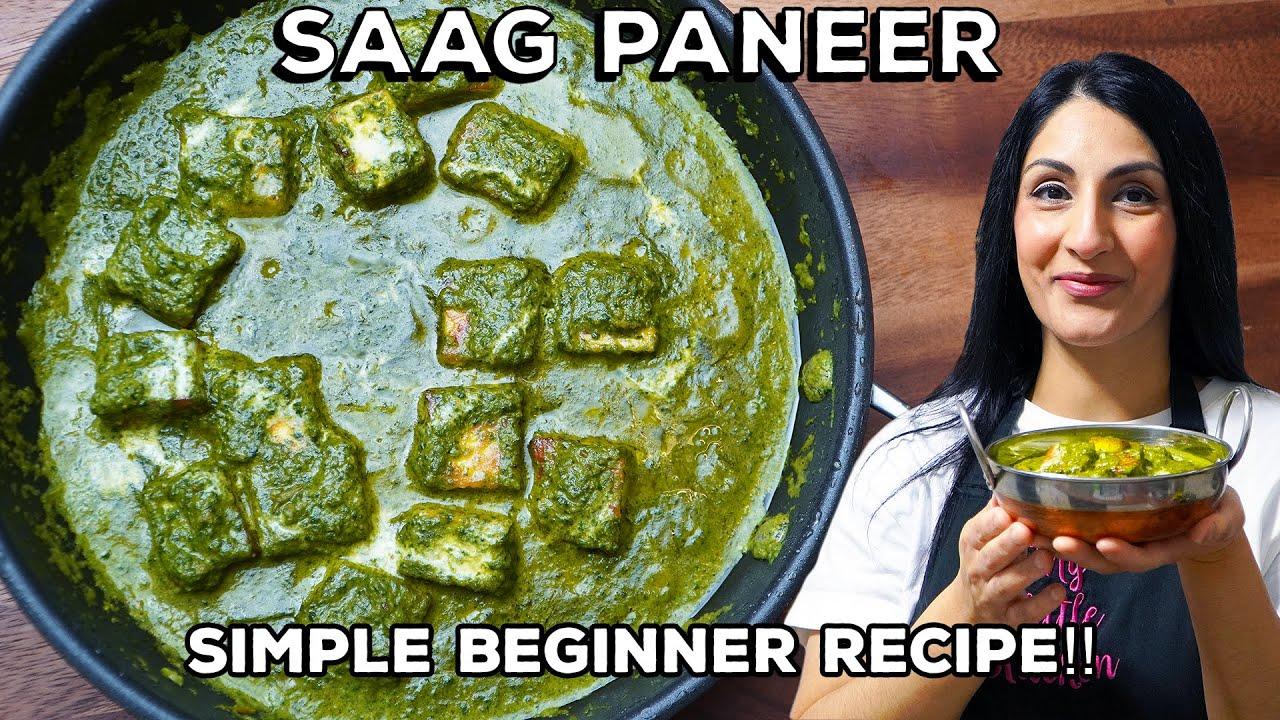
Restaurant Style Saag Paneer
Cuisine
Indian · North Indian
Prep + Cook Time
40 Minutes
Difficulty Level
Easy
You might also like
Other recipes in the same cuisine, meal type, or style — ready to cook whenever you are.
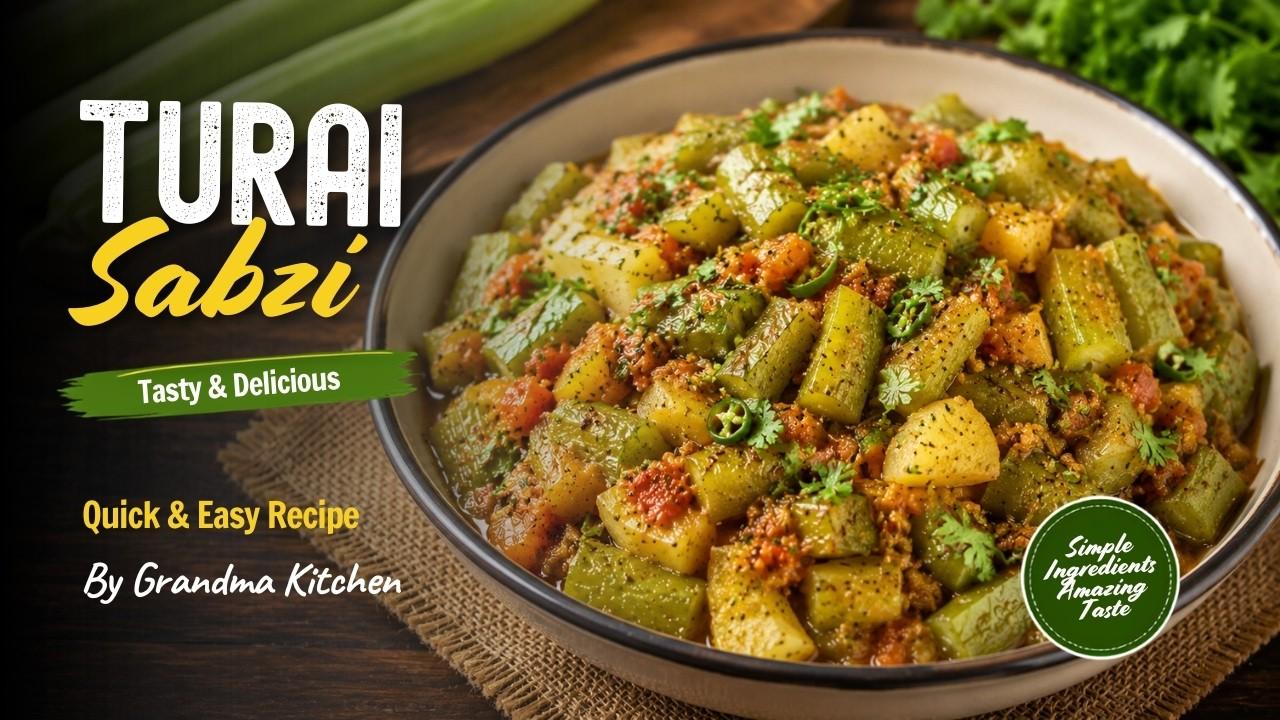
Ram Tori Sabzi (Turai Dabzi)
Cuisine
Indian · North Indian
Prep + Cook Time
50 Minutes
Difficulty Level
Medium

Spicy Fish Fry (Meen Varuval) - Tawa Fried
Cuisine
Indian · South Indian
Prep + Cook Time
1 hr
Difficulty Level
Easy
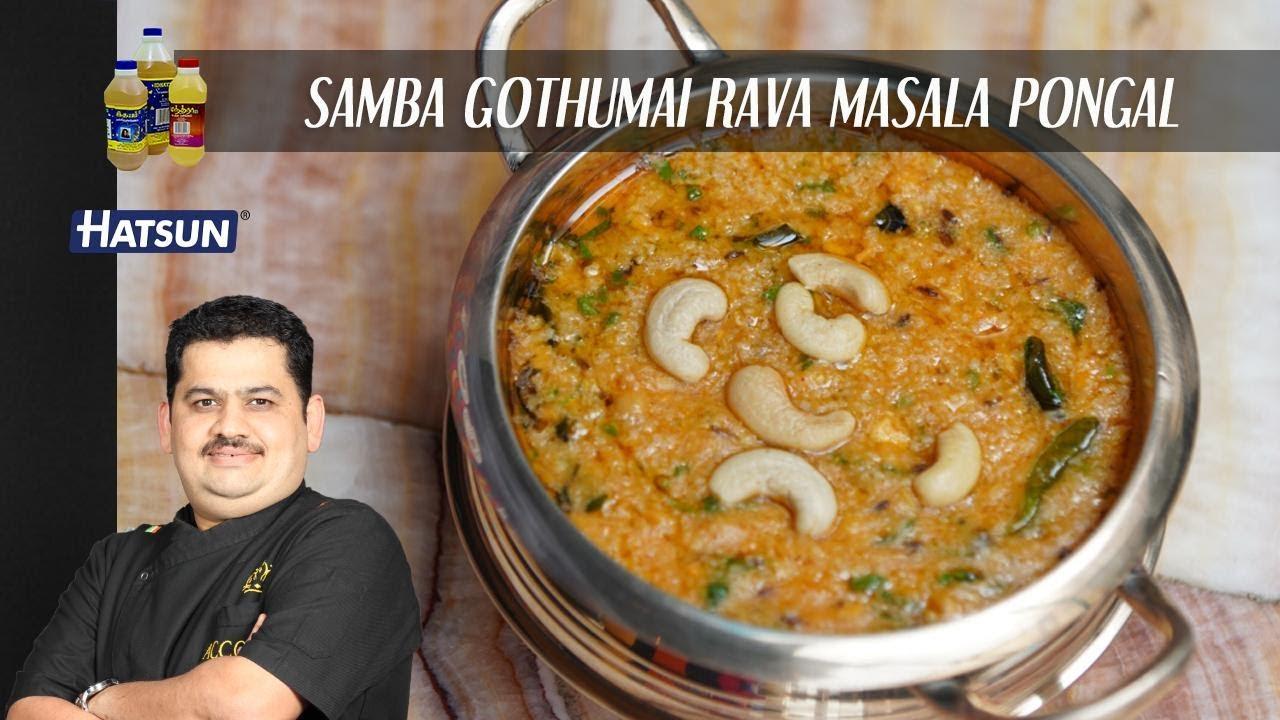
Samba Gothumai Rava Masala Pongal
Cuisine
Indian · South Indian
Prep + Cook Time
30 Minutes
Difficulty Level
Easy
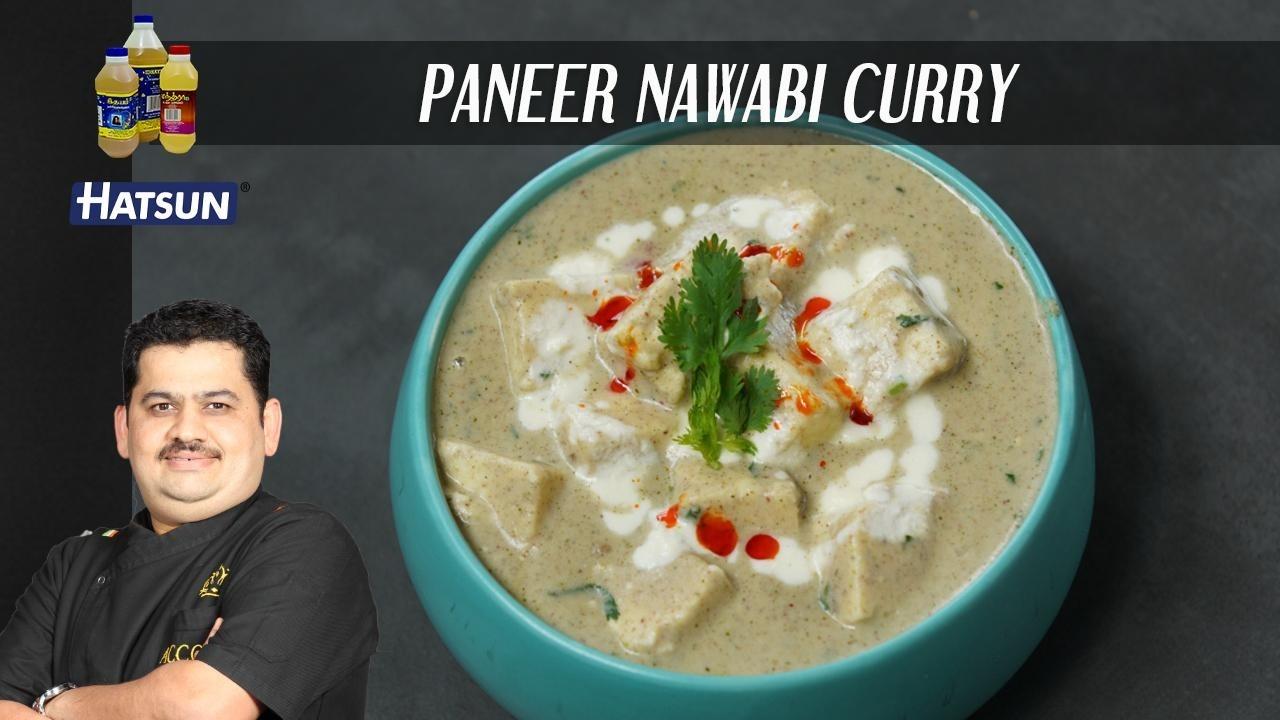
Paneer Nawabi Curry
Cuisine
Indian · North Indian
Prep + Cook Time
50 Minutes
Difficulty Level
Medium
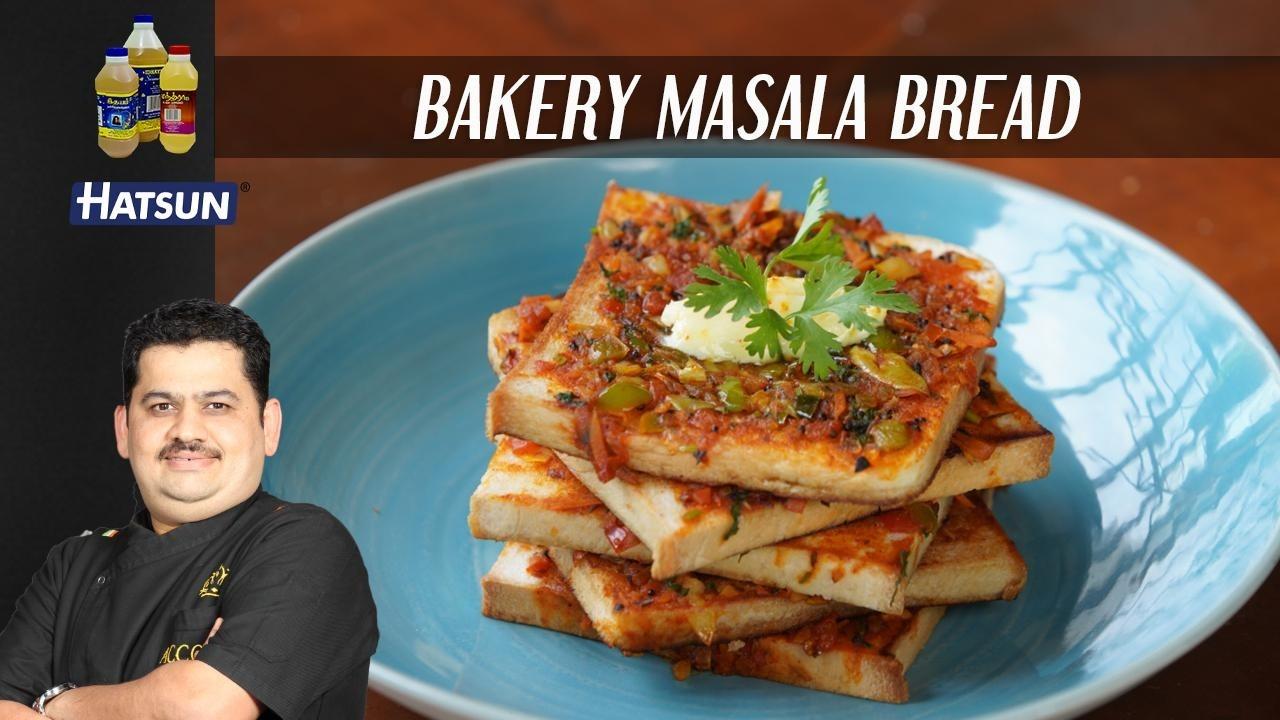
Bakery Masala Bread – Street Style
Cuisine
Indian · South Indian
Prep + Cook Time
30 Minutes
Difficulty Level
Easy
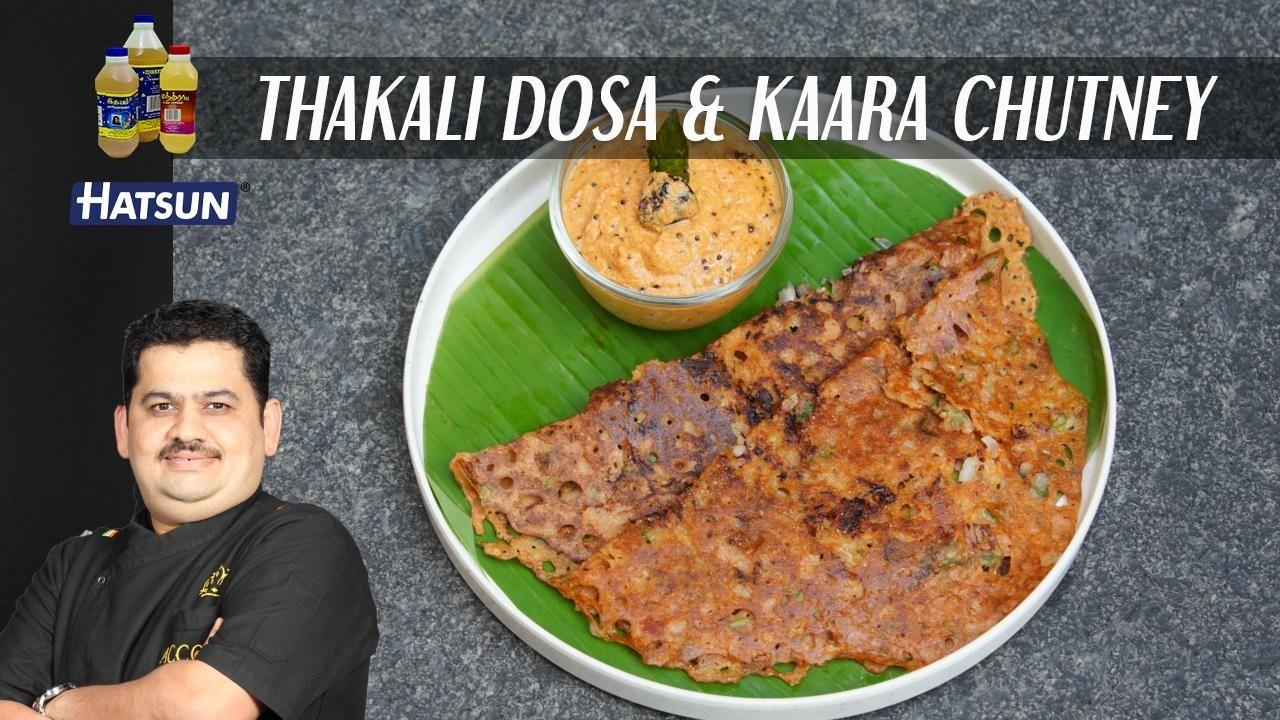
Thakkali Dosai & Kara Chutney
Cuisine
Indian · South Indian
Prep + Cook Time
45 Minutes
Difficulty Level
Comments (0)
Sign in to leave a comment on this recipe.
Loading comments...