
Maltese Ftira – Sourdough Bread with Traditional Filling

Maltese Ftira (Bread)
Traditional Filling
Step-by-Step Instructions
Follow each step to make the recipe successfully.
Mix Sourdough Starter and Water
Measure 160g of sourdough starter into a mixing bowl. Add 340g of filtered water and use a to dissolve the sourdough starter completely in the water.
Add Flour and Autolyse
Add 480g of bread flour to the sourdough and water mixture. Mix until just combined and no dry flour remains. Cover the bowl and let the dough rest for for autolyse. This allows the flour to fully hydrate.
Add Salt and Mix
After the autolyse, add 12g of salt to the dough. Mix the salt into the dough by hand, ensuring it's evenly distributed. Cover the bowl and for .
First Stretch and Fold
After , perform the first set of stretch and folds. Gently stretch a portion of the dough from the edge, pull it up, and fold it over the center. Rotate the bowl and repeat this process 3-4 times until the dough starts to gain strength. Cover and for another .
Second Stretch and Fold
After another , perform the second set of stretch and folds in the same manner as the first. Cover the bowl and for another .
Third Stretch and Fold
After the rest, perform the third and final set of stretch and folds. Cover the bowl and for .
Lamination
After , gently transfer the dough onto a lightly floured surface. Stretch the dough into a large, thin rectangle. Fold the dough like a letter, bringing one-third over the middle, then the other third over that. Then, fold it again from the short sides to create a compact package. Place the dough back into a lightly oiled bulk fermentation container.
Bulk Fermentation
Cover the container and let the dough bulk ferment at room temperature until it has risen by approximately 70% and shows many bubbles. This typically takes depending on room temperature and starter activity. The dough should reach the 1L mark in the container.
Divide and Rest Dough
Once bulk fermentation is complete, gently invert the dough onto a lightly floured surface. Divide the dough into two equal halves using a dough scraper. Let the divided dough pieces rest for .
Shape Ftira
Lightly dust the dough pieces with rice flour. Gently flatten each piece into a round shape, about 1-inch thick. Using your fingers, create a hole in the center of each dough round to form the traditional ftira shape. Place each shaped ftira on a floured kitchen towel or parchment paper.
Proof Ftira
Cover the shaped ftira with a clean cloth and let them proof at room temperature for . They should look slightly puffy.
Bake Ftira
Preheat your oven to 230°C (approximately 445°F) (450°F (approximately 230°C)) with a Dutch oven or heavy-bottomed pot inside. Carefully transfer one ftira into the hot pot. Bake with the lid closed for . Then, remove the lid and bake for another , or until golden brown and cooked through. Repeat with the second ftira. Let cool on a wire rack.
Prepare Filling Ingredients
While the ftira is baking or cooling, prepare the filling ingredients. Cut the peppered goats cheese into small cubes. Chop the pickled onions into smaller pieces.
Assemble Ftira with Filling
Once the ftira is ready, slice it horizontally. Spread tomato paste evenly on both halves. Drizzle with olive oil. Layer the tuna, peppered goats cheese, pickled onions, broad beans, olives, and capers on the bottom half of the ftira. Place the top half of the ftira over the filling.
Serve
Cut the filled ftira in half and serve immediately. Enjoy your homemade Maltese Ftira!
Before You Cook
Helpful details before you startIngredient SubstitutionsMissing something? View suitable alternatives.View 1 swap
No Onion?
- 1 tbsp onion powder (per medium onion)
- 3 tbsp dried minced onion
- Shallots or leeks (1:1)
Plan Ahead
Complete this step earlier to save time later.
- View Step 7Lamination
After 30 minutes, gently transfer the dough onto a lightly floured surface. Stretch the dough into a large, thin rectangle. Fold the dough like a letter, bringing one-third over the middle, then the other third over that. Then, fold it again from the short sides to create a compact package. Place the dough back into a lightly oiled bulk fermentation container.
- View Step 8Bulk Fermentation
Cover the container and let the dough bulk ferment at room temperature until it has risen by approximately 70% and shows many bubbles. This typically takes 4-6 hours depending on room temperature and starter activity. The dough should reach the 1L mark in the container.
- View Step 9Divide and Rest Dough
Once bulk fermentation is complete, gently invert the dough onto a lightly floured surface. Divide the dough into two equal halves using a dough scraper. Let the divided dough pieces rest for 10 minutes.
Variations
Simple ways to adapt this recipe.
- Experiment with different fillings like grilled vegetablesPreparation tip
Chicken, or other cheeses.
- Add herbs like oregano orCustomise
Add herbs like oregano or rosemary to the dough for extra flavor.
Helpful Tips
Small details that can improve the final result.
More from FOOD N BAKE BY ANTOINE PISANI
Other recipes converted from FOOD N BAKE BY ANTOINE PISANI's cooking videos.
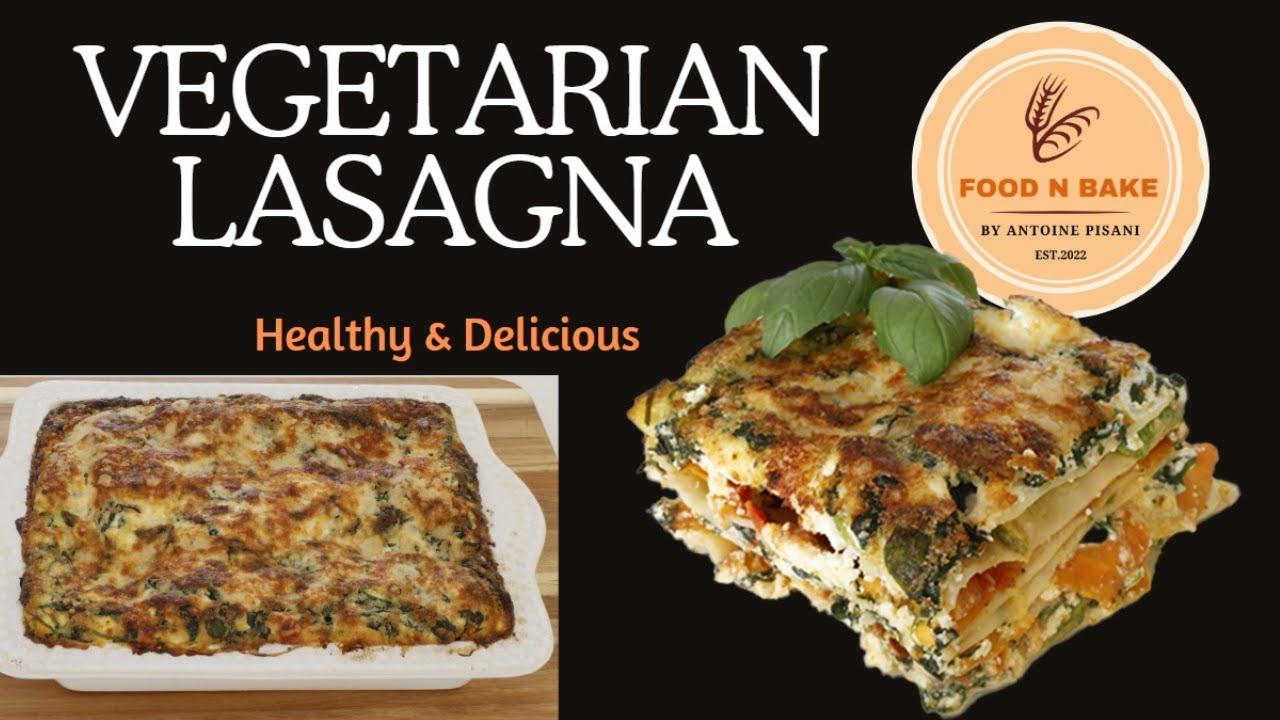
Vegetarian Lasagna with Ricotta and Spinach - Italian Style
Cuisine
Italian
Prep + Cook Time
2 hr
Difficulty Level
Medium
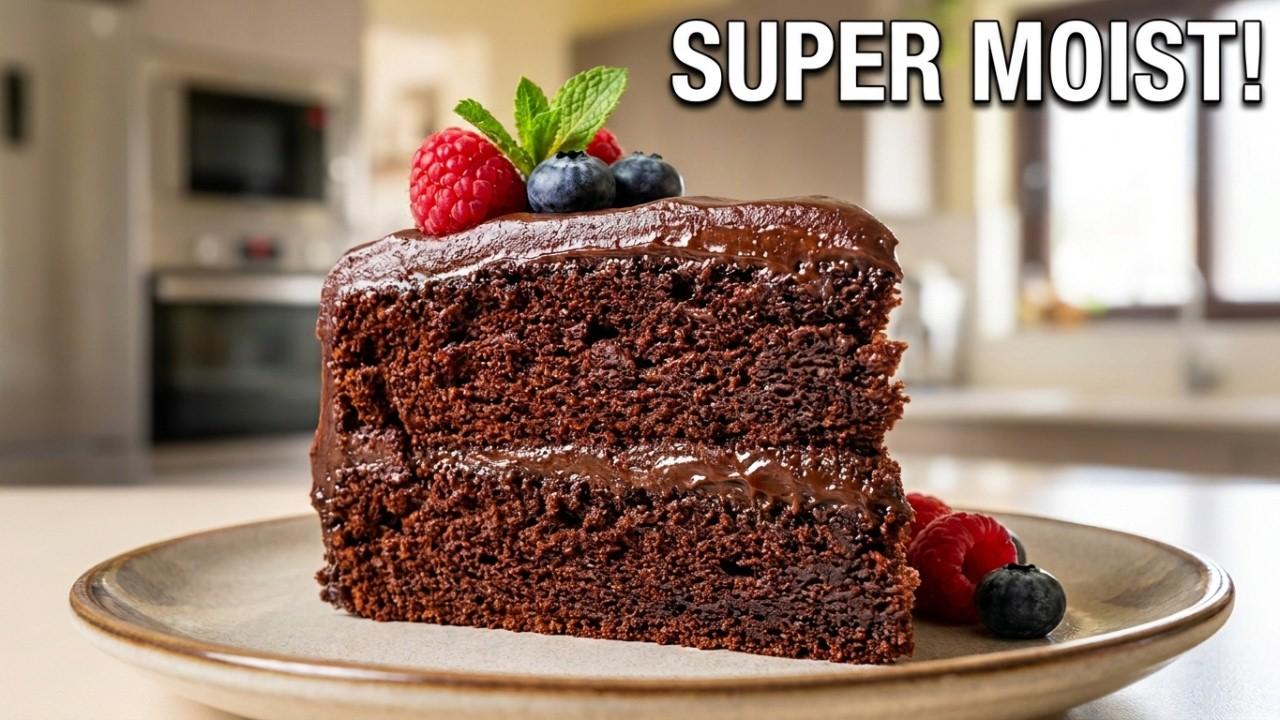
Chocolate Cake with Ganache & Buttercream – Rich & Decadent
Cuisine
European · Western
Prep + Cook Time
8 hr
Difficulty Level
Medium
Vegetarian Lasagna with Marrows, Carrots, and Spinach – Italian Style
Cuisine
Italian
Prep + Cook Time
1 hr 50 min
Difficulty Level
Medium
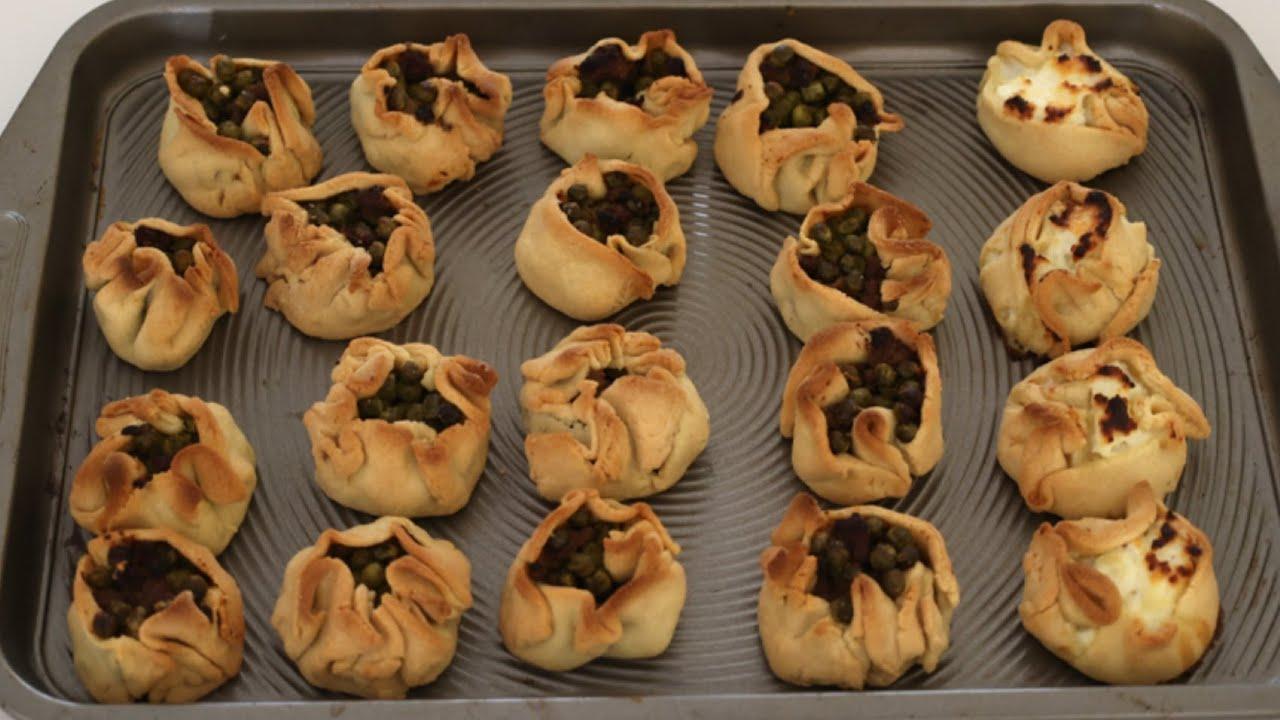
Maltese Pastizzi (Qassatat) - Savory Pastries
Cuisine
Maltese
Prep + Cook Time
1 hr 25 min
Difficulty Level
Medium
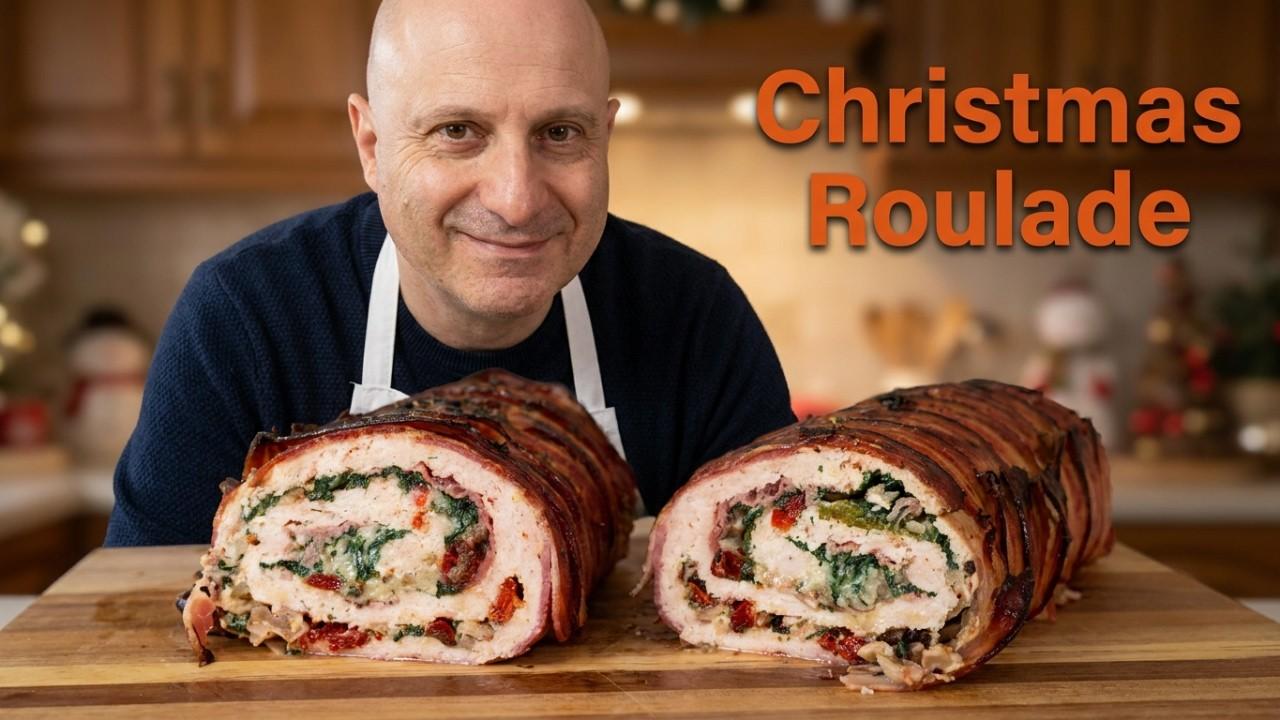
Chicken Roulade with Prosciutto, Spinach, and Mascarpone – Food N Bake
Cuisine
Mediterranean · Italian-inspired
Prep + Cook Time
1 hr 15 min
Difficulty Level
Medium

Lemon Meringue Pie – Italian Meringue Style
Cuisine
European · Dessert
Prep + Cook Time
2 hr 35 min
Difficulty Level
Medium
You might also like
Other recipes in the same cuisine, meal type, or style — ready to cook whenever you are.
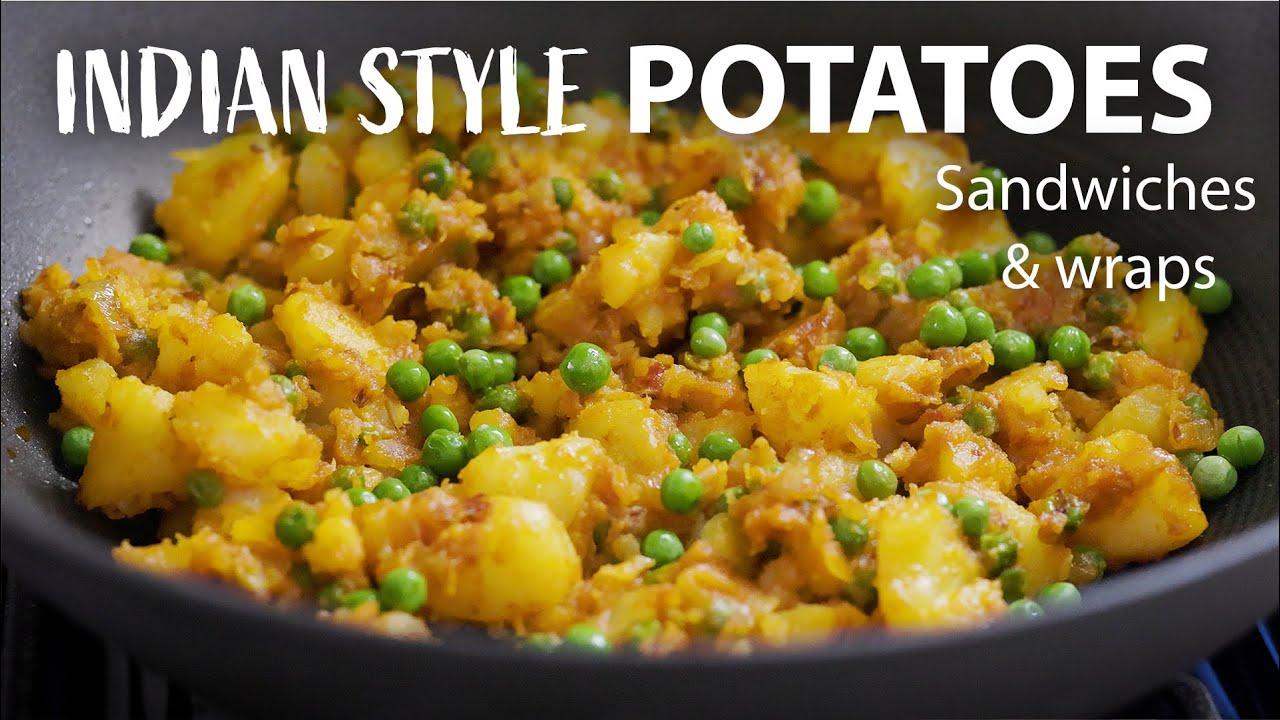
Aloo Matar - Indian Potato and Peas Curry
Cuisine
Indian · North Indian
Prep + Cook Time
50 Minutes
Difficulty Level
Easy
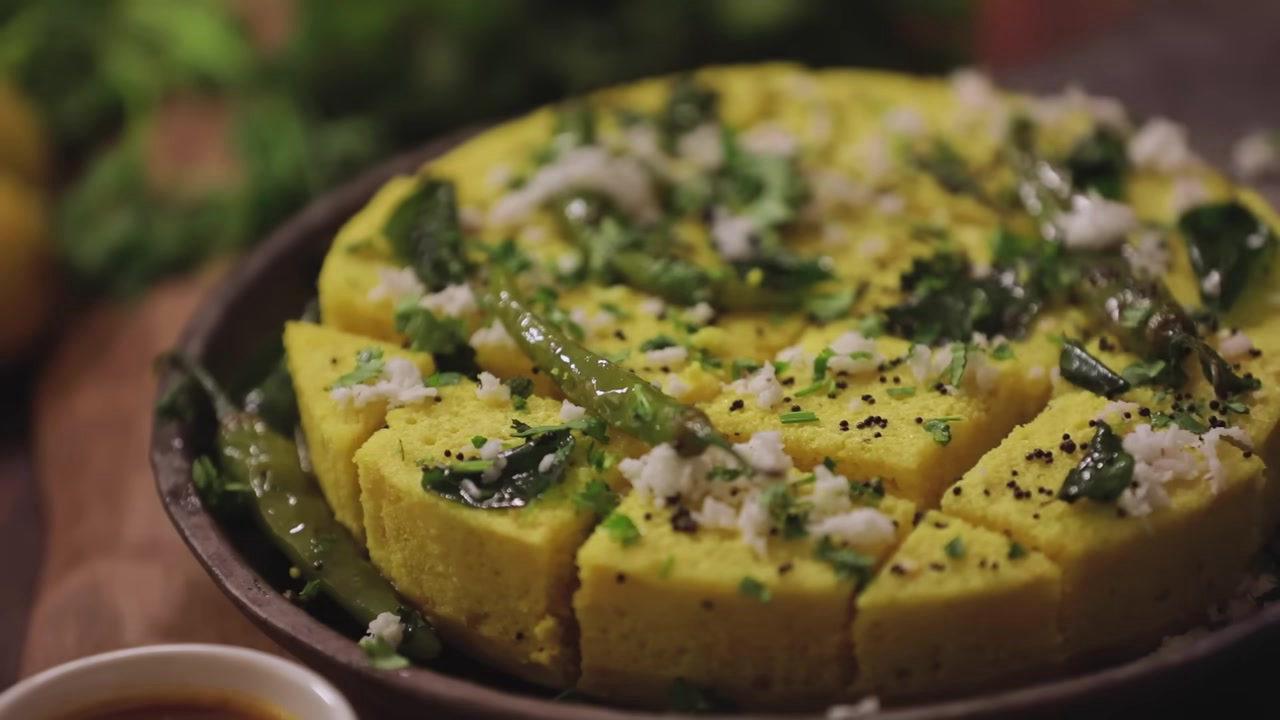
Dhokla - Home Cooking
Cuisine
Indian · Gujarati
Prep + Cook Time
55 Minutes
Difficulty Level
Easy
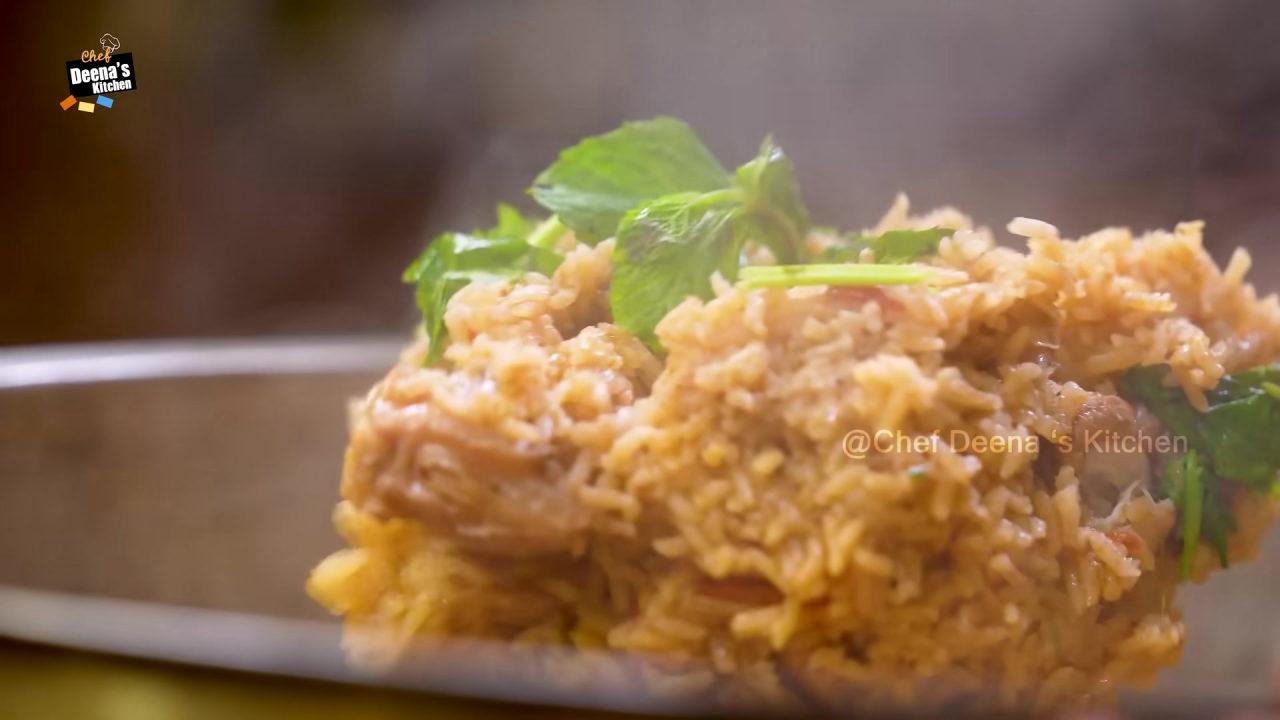
Coimbatore Home-Style Chicken Biryani
Cuisine
Indian · South Indian
Prep + Cook Time
1 hr 30 min
Difficulty Level
Medium
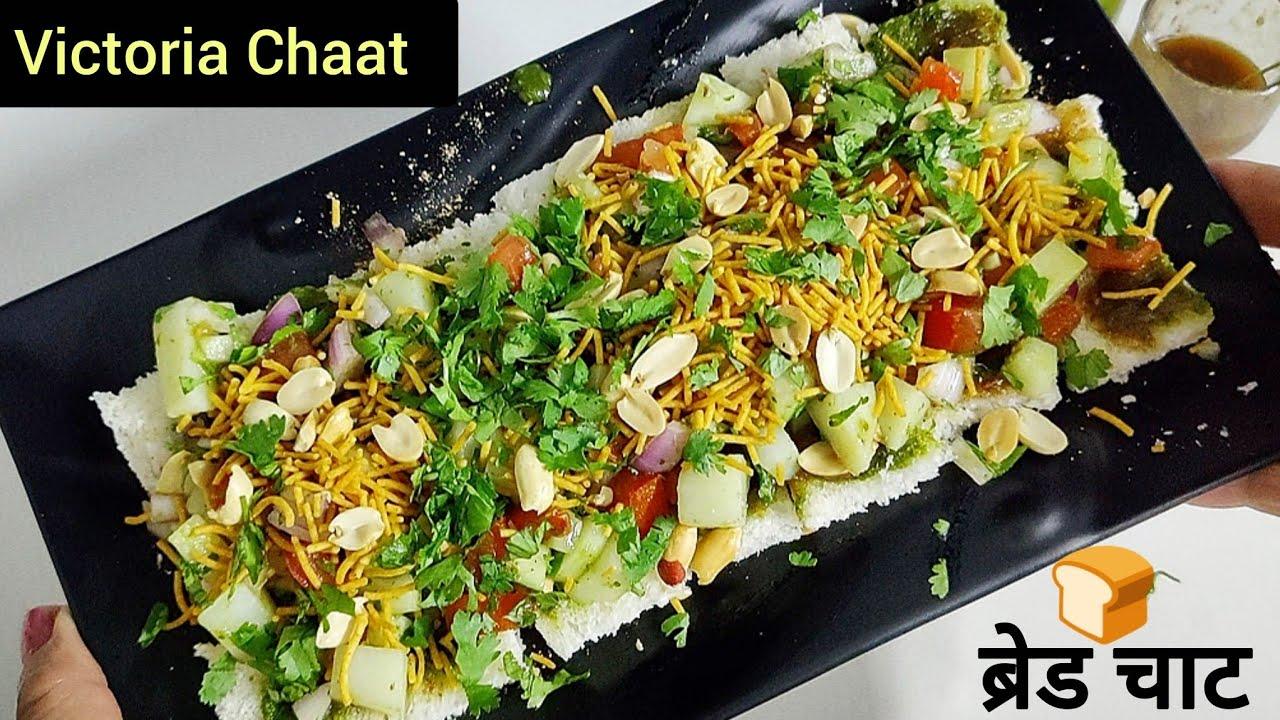
Victoria Chaat - Kolkata's Famous Fireless Chaat
Cuisine
Indian · Street Food
Prep + Cook Time
15 Minutes
Difficulty Level
Easy
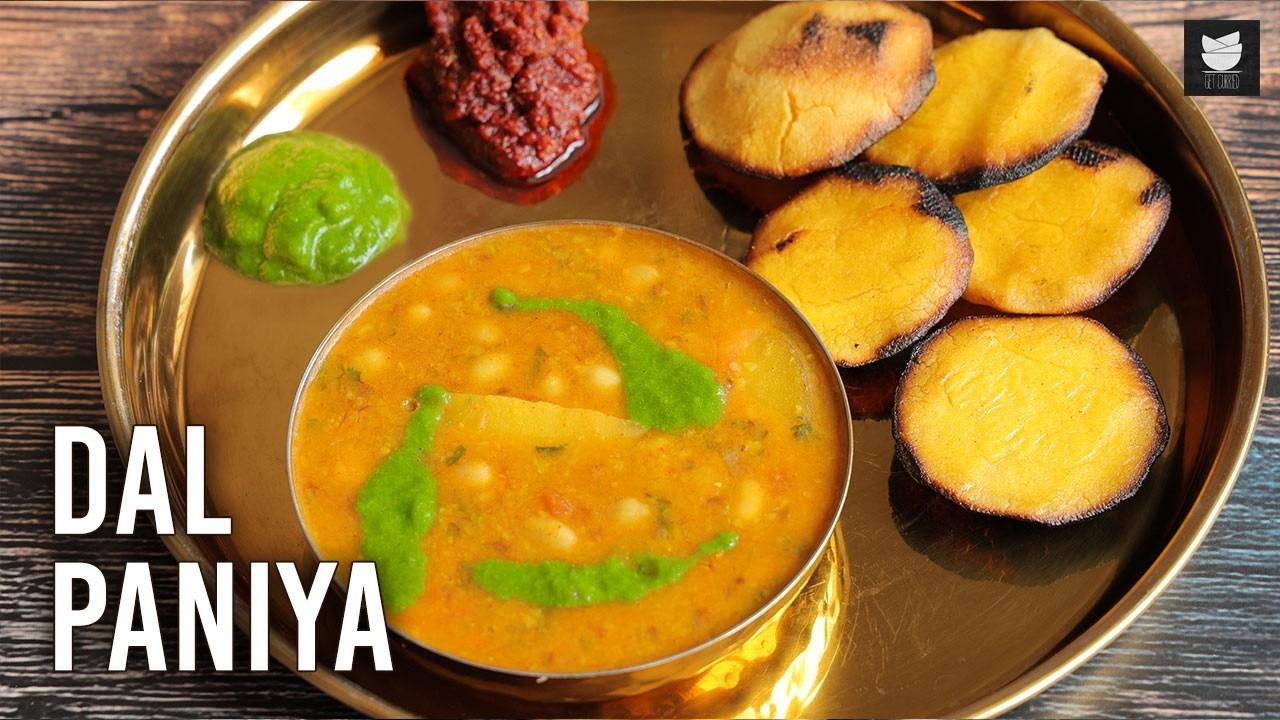
DAL PANIYA - Madhya Pradesh Special
Cuisine
Indian · Madhya Pradesh
Prep + Cook Time
1 hr 10 min
Difficulty Level
Medium

Thecha Paneer Rice – Spicy Maharashtrian Style
Cuisine
Indian · Maharashtrian
Prep + Cook Time
30 Minutes
Difficulty Level
Comments (0)
Sign in to leave a comment on this recipe.
Loading comments...