
Lemon Meringue Pie – Italian Meringue Style
For the Pastry
For the Lemon Cream
For the Italian Meringue
Step-by-Step Instructions
Follow each step to make the recipe successfully.
Prepare the Pastry Dough
Cut 125g of butter into cubes. In a bowl, combine the butter with 125g of icing sugar. Mix by hand until well combined. Add 0.5 tsp of ground vanilla and the zest of 1 lemon. Mix again. Crack 1 egg into the mixture and mix until incorporated. Sift 250g of all-purpose flour into the bowl. Mix by hand until a dough forms. Do not overwork the dough.
Chill the Pastry Dough
Wrap the prepared pastry dough in cling film. Place it in the fridge to chill for at least , or up to .
Prepare the Tart Tin
Grease a 23 cm tart tin with butter to prevent sticking.
Roll and Place the Pastry
Remove the chilled dough from the fridge. On a lightly floured surface, roll out the dough to a thickness of about 3-4 mm, large enough to fit the tart tin. Carefully roll the dough onto a rolling pin and unroll it over the prepared tart tin. Gently press the dough into the tin, ensuring it fits snugly into the fluted edges. Trim any excess dough by rolling the pin over the top of the tin. Prick the base of the pastry all over with a fork.
Chill and Blind Bake the Pastry
Place the tart tin with the pastry back into the fridge for another . Preheat your oven to 160°C (approximately 320°F) with fan (or 180°C (approximately 355°F) without fan). After chilling, add ceramic baking beans (or dried beans/rice) over the pastry base. Blind bake for until lightly golden. Remove from oven and let cool.
Prepare the Lemon Cream
In a saucepan, combine 150g of granulated sugar and the zest of 2 lemons. Add 20g of cornflour. Crack 3 eggs into the saucepan. all ingredients together until smooth. Add 100ml of lemon juice and again. Place the saucepan over low heat and stir continuously until the mixture thickens. Add a pinch of salt and mix. Remove from heat and let the lemon cream cool down to below 50°C (approximately 120°F).
Incorporate Butter into Lemon Cream
Once the lemon cream has cooled below 50°C (approximately 120°F), add 100g of unsalted butter (cut into pieces) to the cream. vigorously until the butter is fully incorporated and the cream is smooth and glossy.
Fill the Tart with Lemon Cream
Pour the prepared lemon cream into the cooled, blind-baked pastry shell. Spread evenly.
Prepare the Italian Meringue
In a small saucepan, combine 150g of granulated sugar and 50ml of water. Heat over medium heat, stirring until the sugar dissolves, then stop stirring. Insert a candy thermometer and cook until the syrup reaches 118°C (approximately 245°F). While the syrup is cooking, in a stand mixer, 3 egg whites on medium speed until soft peaks form. Once the syrup reaches 118°C (approximately 245°F), slowly and carefully pour the hot syrup in a thin stream into the egg whites, continuing to on medium-high speed until stiff, glossy peaks form and the meringue cools down.
Pipe and Torch the Meringue
Transfer the Italian meringue to a piping bag fitted with a star nozzle. Pipe decorative swirls or peaks over the lemon cream filling, covering the entire surface. Using a blowtorch, carefully the meringue until the peaks are golden brown. Serve and enjoy!
Before You Cook
Helpful details before you startIngredient SubstitutionsMissing something? View suitable alternatives.View 4 swaps
No All-purpose flour?
- White whole wheat flour (1:1)
- 1 cup minus 2 tbsp + 2 tbsp cornstarch (cake flour swap)
No Butter?
- 3/4 the amount of olive oil (for cooking, not baking)
- Equal parts ghee — Slightly nuttier flavor.
- Equal parts coconut oil (in baking)
No Egg?
- 1 tbsp ground flax + 3 tbsp water (rest 5 min) — Per egg, best in baking.
- 1/4 cup unsweetened applesauce — Per egg, in sweet baked goods.
- 1/4 cup silken tofu, blended — Per egg.
No Lemon juice?
- Lime juice (1:1)
- 1/2 the amount white vinegar — In dressings, savory dishes.
Plan Ahead
Complete this step earlier to save time later.
- View Step 2Chill the Pastry Dough30 minutes
Wrap the prepared pastry dough in cling film. Place it in the fridge to chill for at least 30 minutes, or up to 2 hours.
Storage & Leftovers
Keep your leftovers fresh and ready to enjoy.
- Refrigerate
Place the tart tin with the pastry back into the fridge for another 30 minutes.
Variations
Simple ways to adapt this recipe.
- You can use vanilla extractIngredient swap
You can use vanilla extract instead of ground vanilla for the pastry.
- If your oven does not have a fan
Adjust the blind baking temperature to 180°C.
Helpful Tips
Small details that can improve the final result.
More from FOOD N BAKE by Antoine Pisani
Other recipes converted from FOOD N BAKE by Antoine Pisani's cooking videos.

Chocolate Cake with Ganache & Buttercream – Rich & Decadent
Cuisine
European · Western
Prep + Cook Time
8 hr
Difficulty Level
Medium
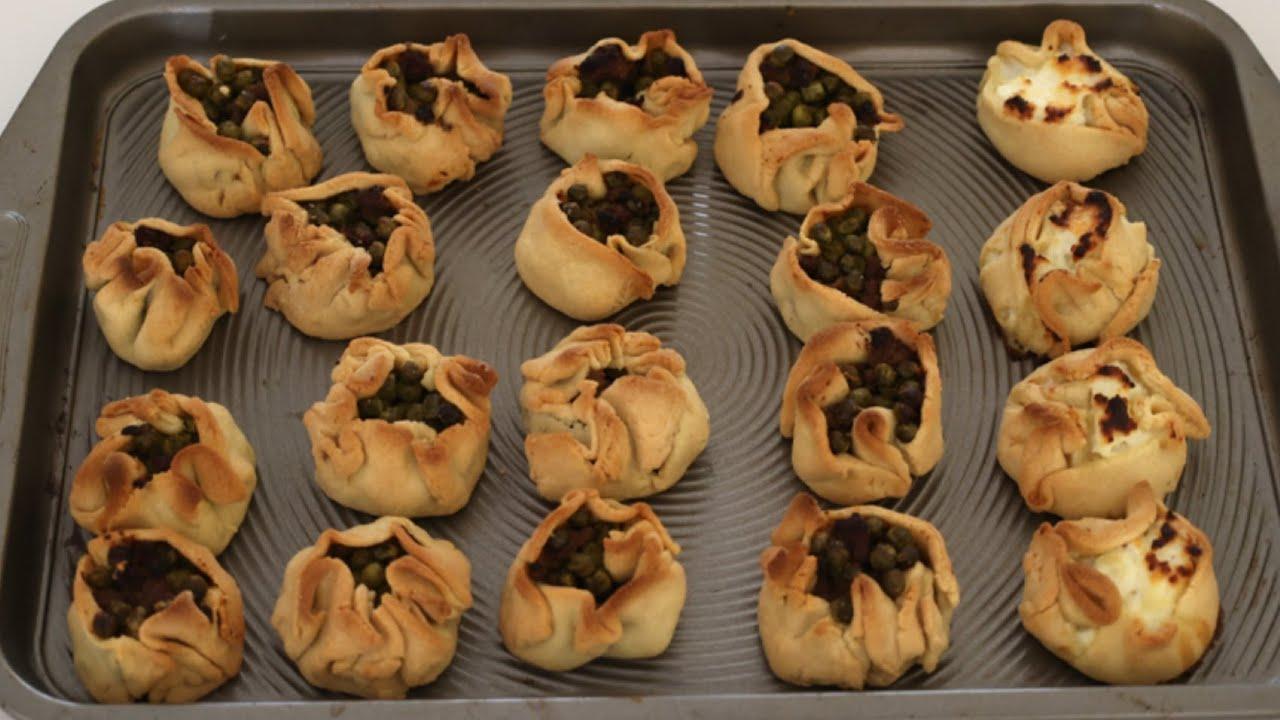
Maltese Pastizzi (Qassatat) - Savory Pastries
Cuisine
Maltese
Prep + Cook Time
1 hr 25 min
Difficulty Level
Medium

Vegetable Lasagna
Cuisine
Italian
Prep + Cook Time
2 hr 30 min
Difficulty Level
Medium
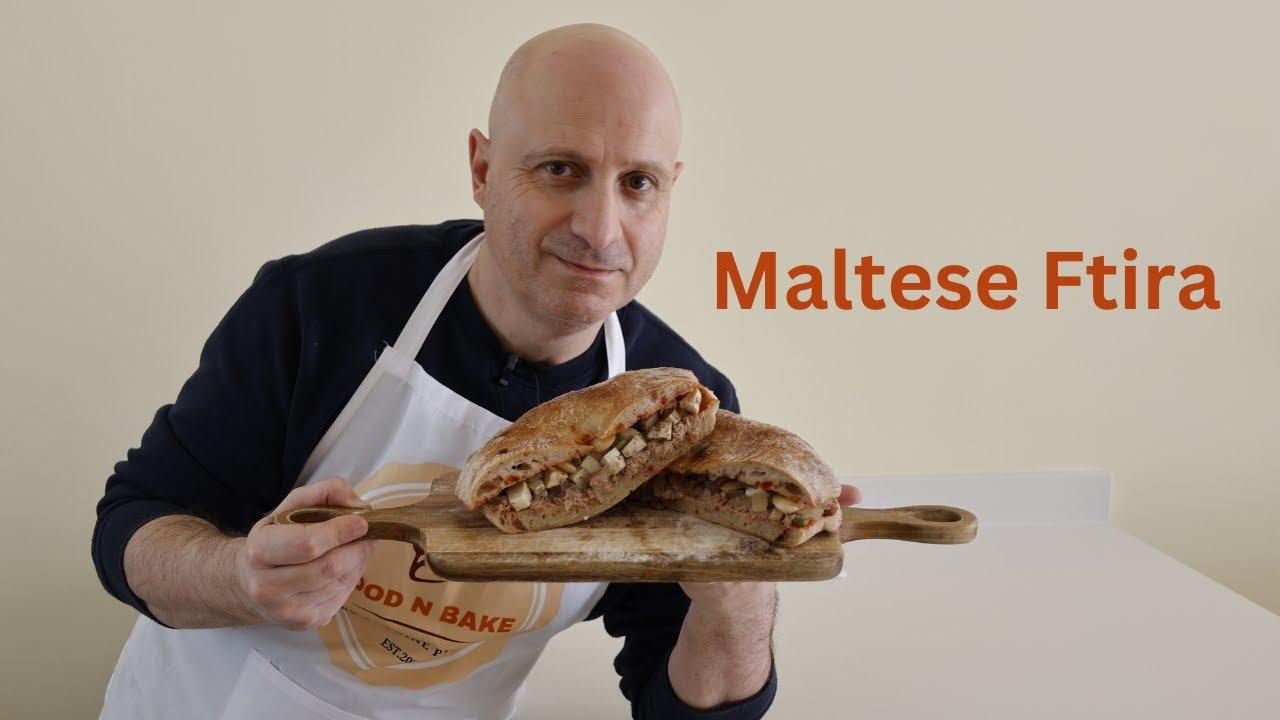
Maltese Ftira – Sourdough Bread
Cuisine
Maltese
Prep + Cook Time
8 hr 50 min
Difficulty Level
Medium

Pumpkin, Sweet Potato, and Carrot Soup
Cuisine
Mediterranean
Prep + Cook Time
40 Minutes
Difficulty Level
Easy

Salmon en Croute with Spinach and Goat Cheese
Cuisine
European · French
Prep + Cook Time
50 Minutes
Difficulty Level
Medium
You might also like
Other recipes in the same cuisine, meal type, or style — ready to cook whenever you are.
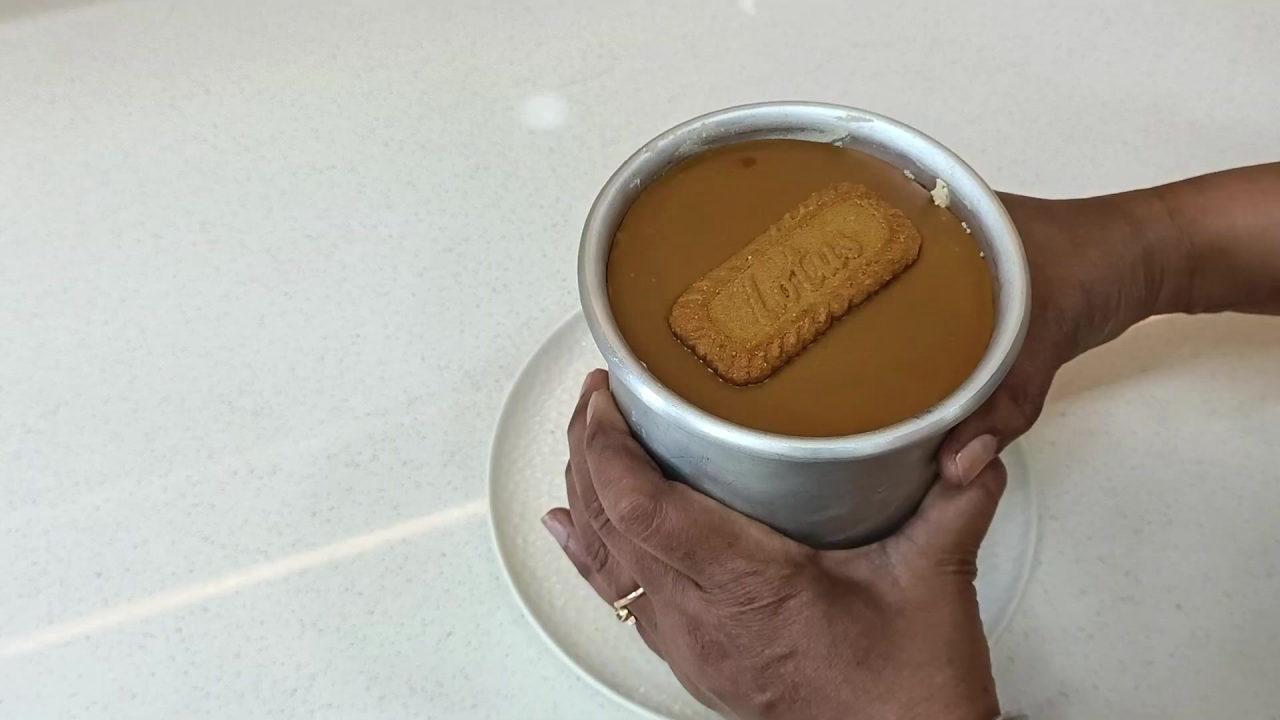
No-Bake Biscoff Cheesecake with Homemade Cream Cheese
Cuisine
European · Belgian
Prep + Cook Time
14 hr
Difficulty Level
Medium
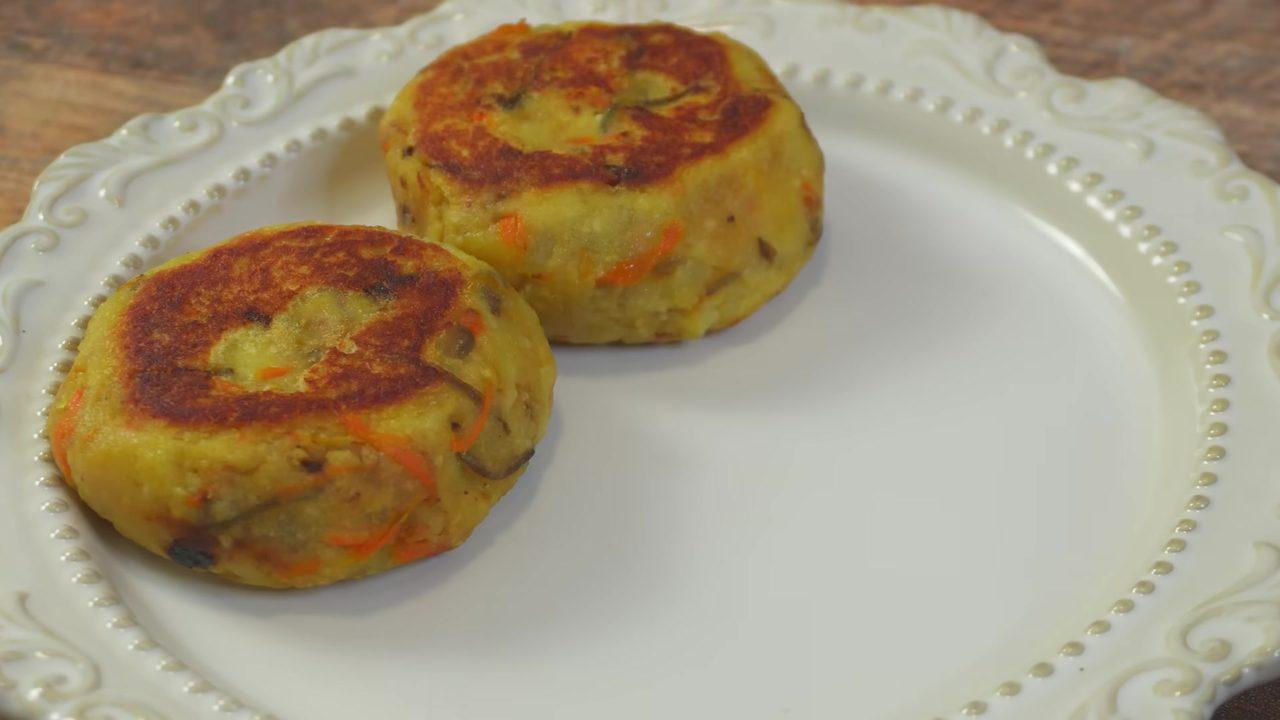
Stuffed Potato Patties with Egg Filling and Yogurt Dill Sauce
Cuisine
European · Eastern European
Prep + Cook Time
50 Minutes
Difficulty Level
Medium
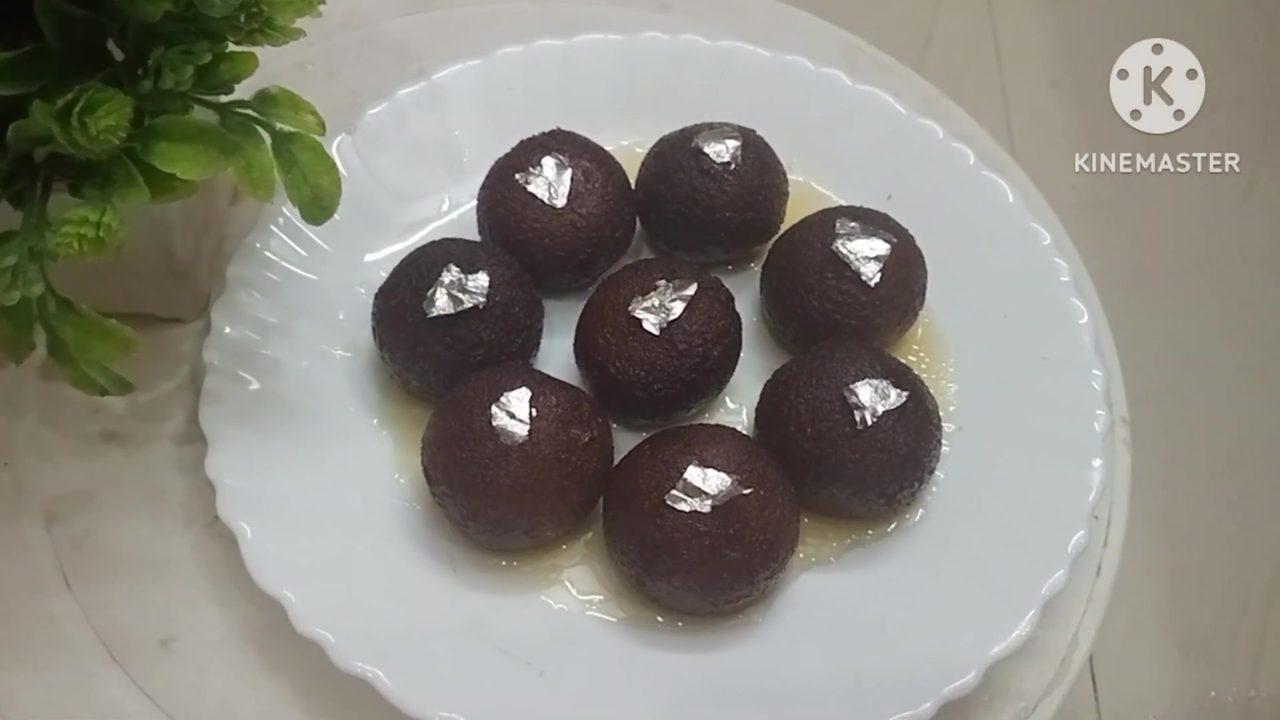
Kala Gulab Jamun
Cuisine
Indian · Dessert
Prep + Cook Time
40 Minutes
Difficulty Level
Medium
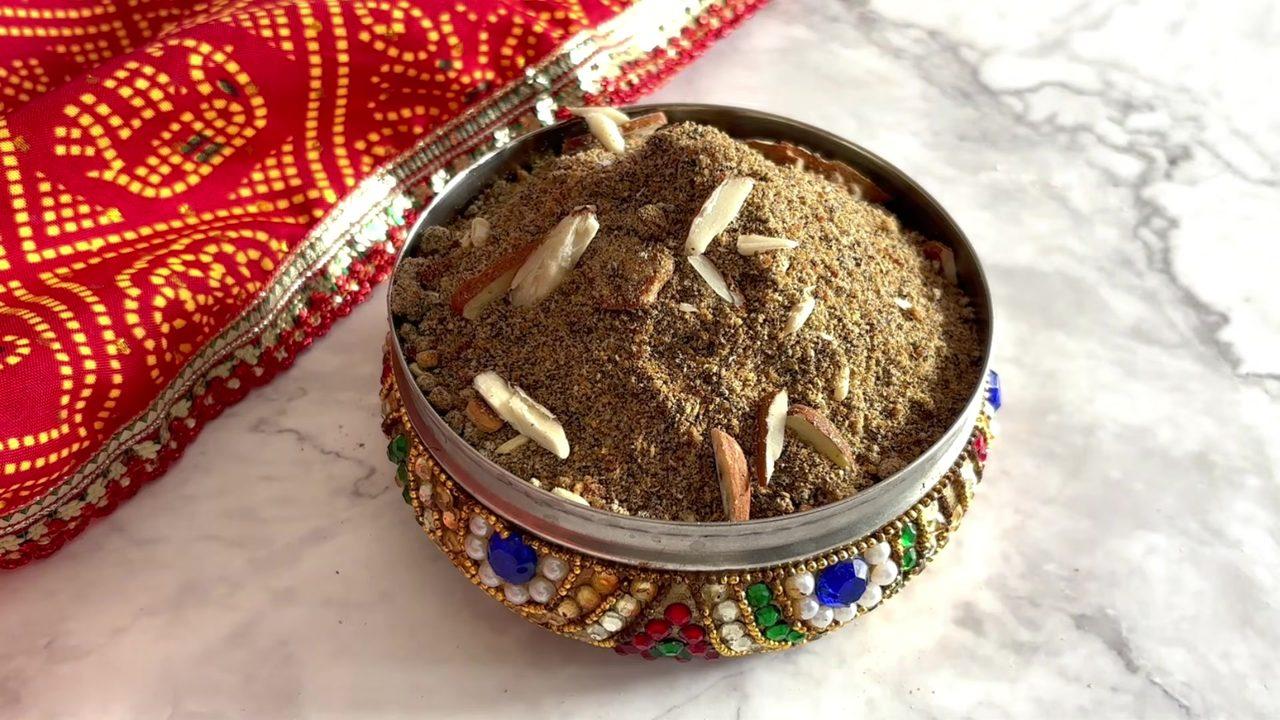
Kuttu aur Dhaniya Panjiri - Traditional Indian
Cuisine
Indian · North Indian
Prep + Cook Time
25 Minutes
Difficulty Level
Easy

Janmashtami Ladoo
Cuisine
Indian · Konkani
Prep + Cook Time
30 Minutes
Difficulty Level
Medium
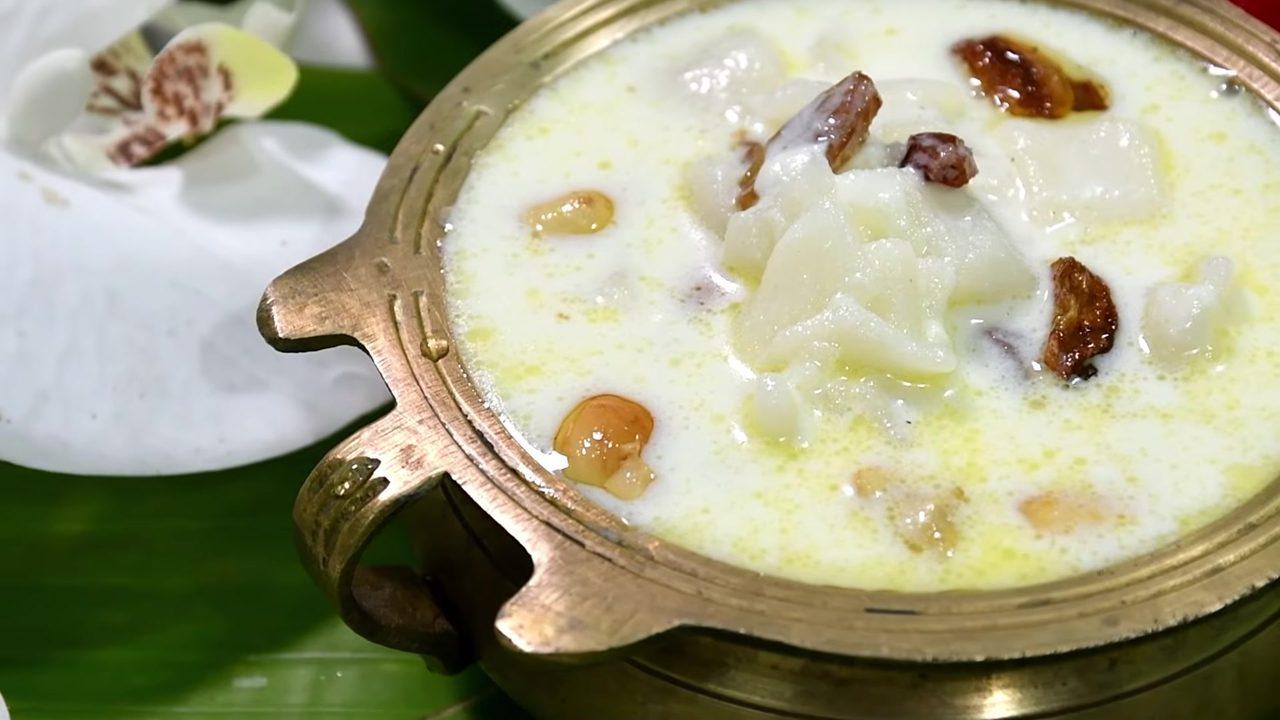
Ada Pradhaman - Simple & Easy
Cuisine
Indian · South Indian
Prep + Cook Time
30 Minutes
Difficulty Level
Comments (0)
Sign in to leave a comment on this recipe.
Loading comments...