
Karnataka Style Bisi Bele Bath & Homemade Powder Recipe
For Bisi Bele Bath Powder
For Bisi Bele Bath
Step-by-Step Instructions
Follow each step to make the recipe successfully.
Prepare Vegetables
Chop beans, carrots, capsicum, onion, and cabbage into small pieces. Keep 1 cup of fresh hyacinth beans (avarekai) ready.
Wash Rice and Dal
Take 1 cup of ration rice and 1 cup of toor dal in a bowl. Wash them thoroughly 2-3 times.
Pressure Cook Rice, Dal, and Vegetables
Transfer the washed rice and dal to a pressure cooker. Add all the chopped vegetables and fresh hyacinth beans. Pour in 5 cups of water. Mix well. Close the cooker and cook on low to medium flame for 2 whistles (approx. ).
Prepare Bisi Bele Bath Powder - Dry Ingredients
Heat a thick-bottomed pan with 2 drops of oil. Add 2 tsp fenugreek seeds, 4 tsp chana dal, and 8 tsp urad dal. Fry on low flame until aromatic and slightly reddish (approx. ).
Add Whole Spices
Add 8 pieces of 2-inch cinnamon sticks, 12 cloves, 1 tsp black peppercorns, and 10 green cardamom pods. Continue frying on low flame until all spices are fragrant (approx. ).
Add Coriander Seeds and Curry Leaves
Add 4 handfuls of coriander seeds and 1/2 handful of curry leaves. Fry until the curry leaves are crispy and the coriander seeds are aromatic (approx. ).
Add Dry Coconut
Add 1/4 cup (4-5 tsp) grated dry coconut. Fry until the coconut turns light brown (approx. ). Transfer all fried ingredients to a plate to cool completely.
Fry Byadagi Chilies
In the same pan (without adding more oil), add 60 Byadagi chilies. Fry on low flame until they become crispy (approx. ). Transfer to the plate with other cooled ingredients.
Grind the Powder
Once all ingredients are completely cool, transfer them to a mixer grinder jar. Grind to a fine powder. If desired, add 1/2 tsp asafoetida (hing) before grinding. Transfer the prepared Bisi Bele Bath powder to a bowl.
Prepare Tamarind Extract
Take 10-15g of tamarind in a small bowl. Add a little water and squeeze to extract the juice. Keep aside.
Check Cooked Rice and Vegetables
Open the pressure cooker. The rice, dal, and vegetables should be perfectly cooked and slightly firm. Gently mix them.
Prepare Tempering
Heat a separate pot. Add 1 tbsp ghee and 1 tbsp oil. Once hot, add 10 cashews and fry until golden brown.
Add Spices to Tempering
Add 1 tbsp mustard seeds, 1 tsp cumin seeds, and a few sprigs of curry leaves. Let them splutter. Add 3 Byadagi chilies and a pinch of asafoetida (hing). Fry for a few seconds.
Add Onions, Tomatoes, and Capsicum
Add 1 medium chopped onion and fry until soft. Then add 1 medium chopped sour tomato and 1 medium chopped capsicum. Mix well and cover with a lid. Cook for until tomatoes are soft and capsicum is slightly crunchy.
Add Tamarind Extract and Water
Pour in 1 cup of tamarind extract and 2 cups of water. Add 1 tbsp jaggery and 2 tbsp of the prepared Bisi Bele Bath powder. Add salt to taste. Mix well and bring the gravy to a boil.
Combine and Simmer
Add the cooked rice, dal, and vegetable mixture to the boiling gravy. Mix thoroughly. Add 1 more cup of water to adjust consistency. If needed, add 1 more tbsp of Bisi Bele Bath powder (total 3 tbsp used in video).
Final Touches
Bring the Bisi Bele Bath to a good boil, stirring occasionally. Once it reaches the desired consistency, turn off the stove. Garnish with chopped coriander leaves and mix.
Serve
Serve hot Bisi Bele Bath with a dollop of ghee and spicy boondi on the side.
Before You Cook
Helpful details before you startIngredient SubstitutionsMissing something? View suitable alternatives.View 6 swaps
No Curry leaves?
- 1 bay leaf + a pinch of lemon zest — Aroma only — flavor is unique.
No Asafoetida (hing)?
- 1/4 tsp garlic powder + 1/4 tsp onion powder
No Onion?
- 1 tbsp onion powder (per medium onion)
- 3 tbsp dried minced onion
- Shallots or leeks (1:1)
No Ghee?
- Unsalted butter (1:1)
- Neutral oil (1:1, lacks the toasted note)
No Jaggery?
- Dark brown sugar (1:1)
- Muscovado sugar (1:1)
No Cilantro?
- Flat-leaf parsley (1:1, milder)
- Fresh mint (in chutneys, salads)
Storage & Leftovers
Keep your leftovers fresh and ready to enjoy.
- Room TemperatureUp to 6 months
Fry all powder ingredients thoroughly to remove moisture for longer shelf life (up to 6 months at room temperature).
Variations
Simple ways to adapt this recipe.
- Green peas can be usedIngredient swap
Green peas can be used instead of fresh hyacinth beans (avarekai).
- Guntur chilies can be addedCustomise
Guntur chilies can be added to the powder for extra spiciness.
- Asafoetida (hing) can be added
Asafoetida (hing) can be added to the powder or tempering based on preference.
- Small onions (shallots) can be
Small onions (shallots) can be used in the tempering for enhanced flavor.
Helpful Tips
Small details that can improve the final result.
More from Suma's Kitchen
Other recipes converted from Suma's Kitchen's cooking videos.
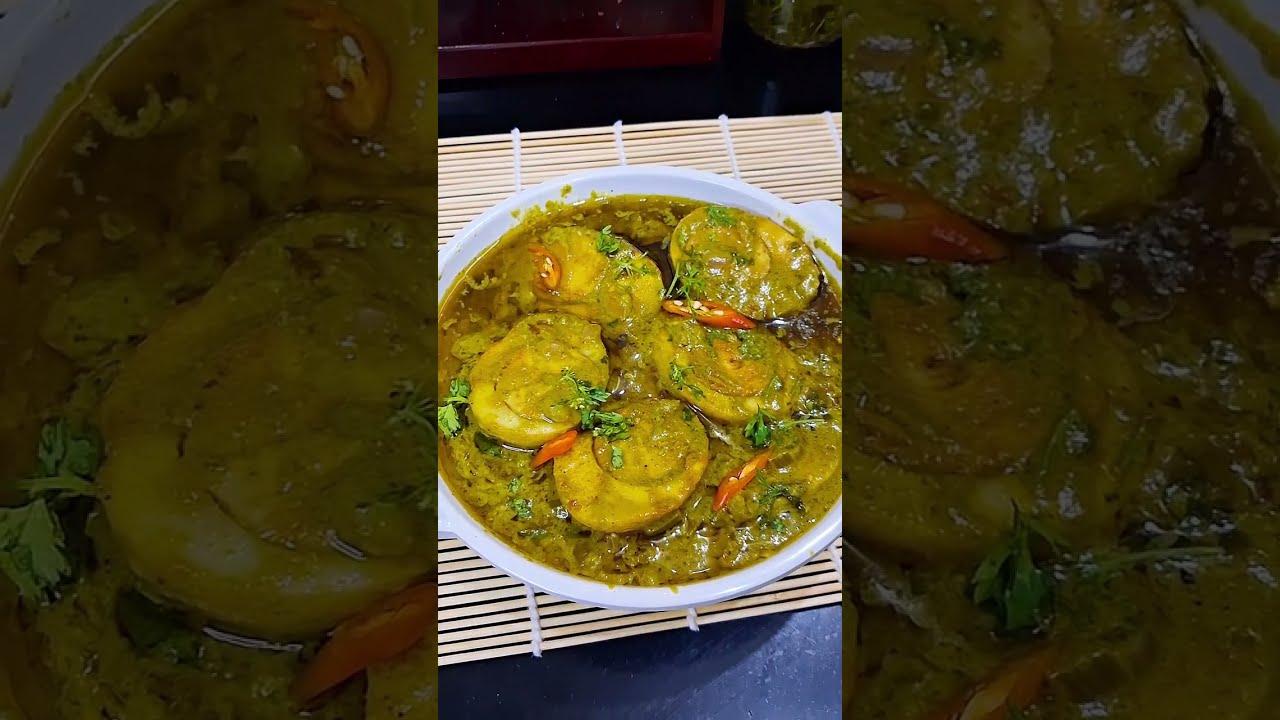
You might also like
Other recipes in the same cuisine, meal type, or style — ready to cook whenever you are.
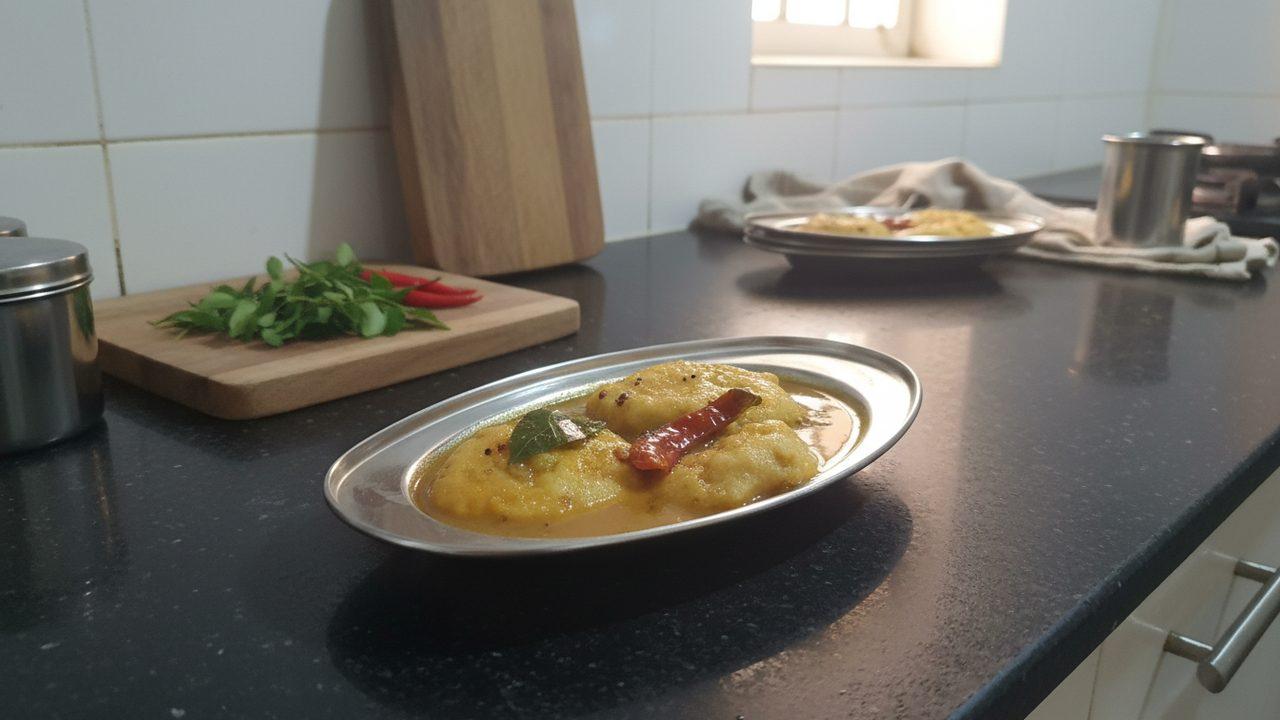
Vada Sambar
Cuisine
Indian · South Indian
Prep + Cook Time
45 Minutes
Difficulty Level
Medium

Chettinad Chole – South Indian Style
Cuisine
Indian · South Indian
Prep + Cook Time
45 Minutes
Difficulty Level
Medium
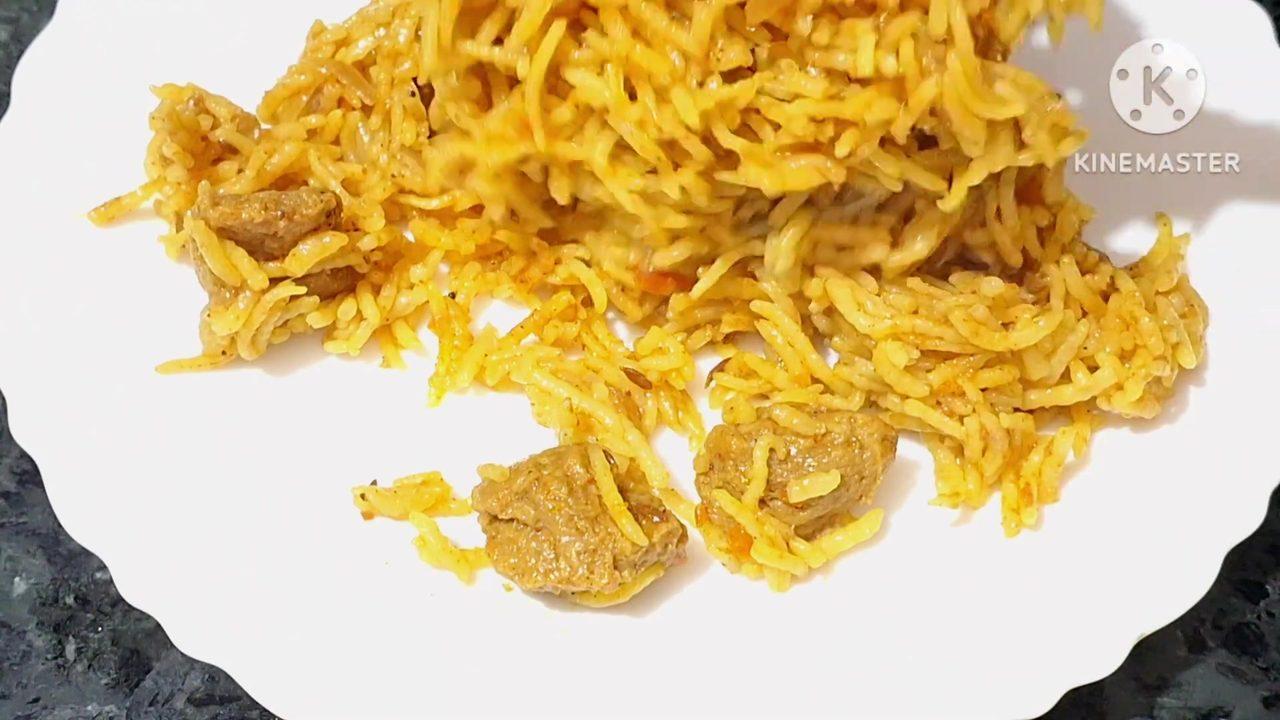
Soya Badi Pulao
Cuisine
Indian · North Indian
Prep + Cook Time
45 Minutes
Difficulty Level
Easy
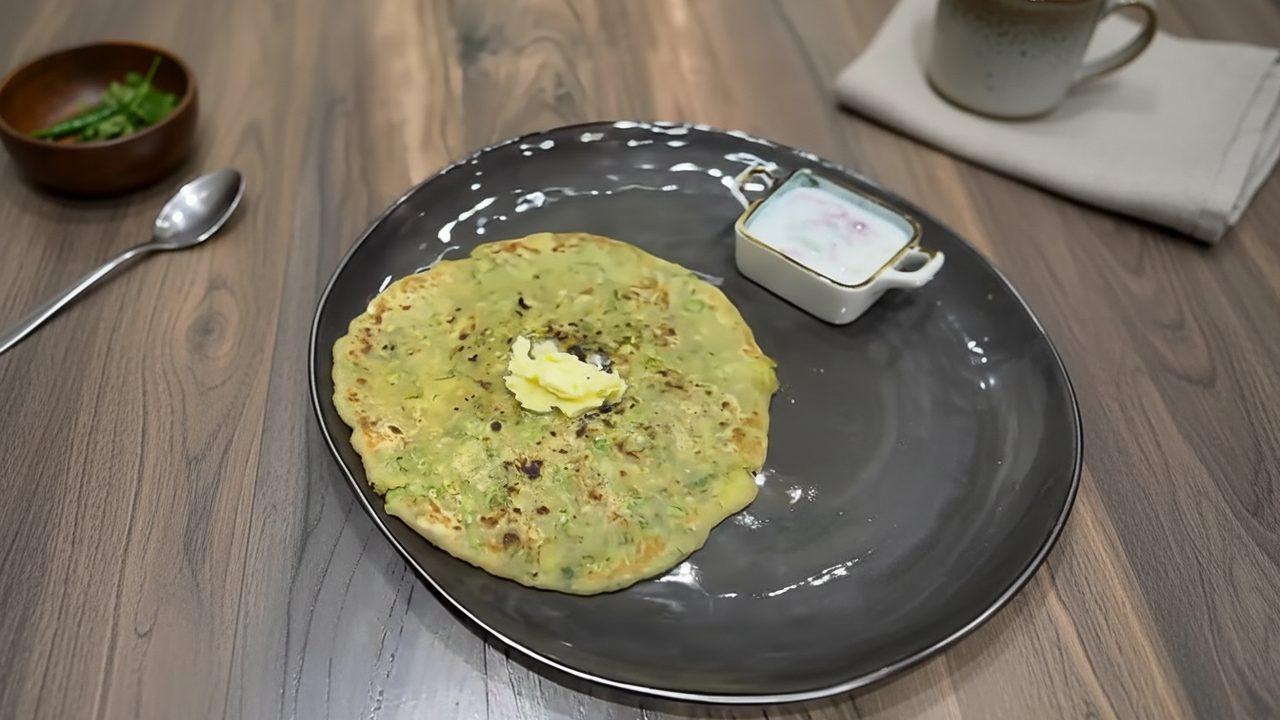
Stuffed Matar Parathe - Tasty & Fulfilling Recipe
Cuisine
Indian · North Indian
Prep + Cook Time
45 Minutes
Difficulty Level
Medium
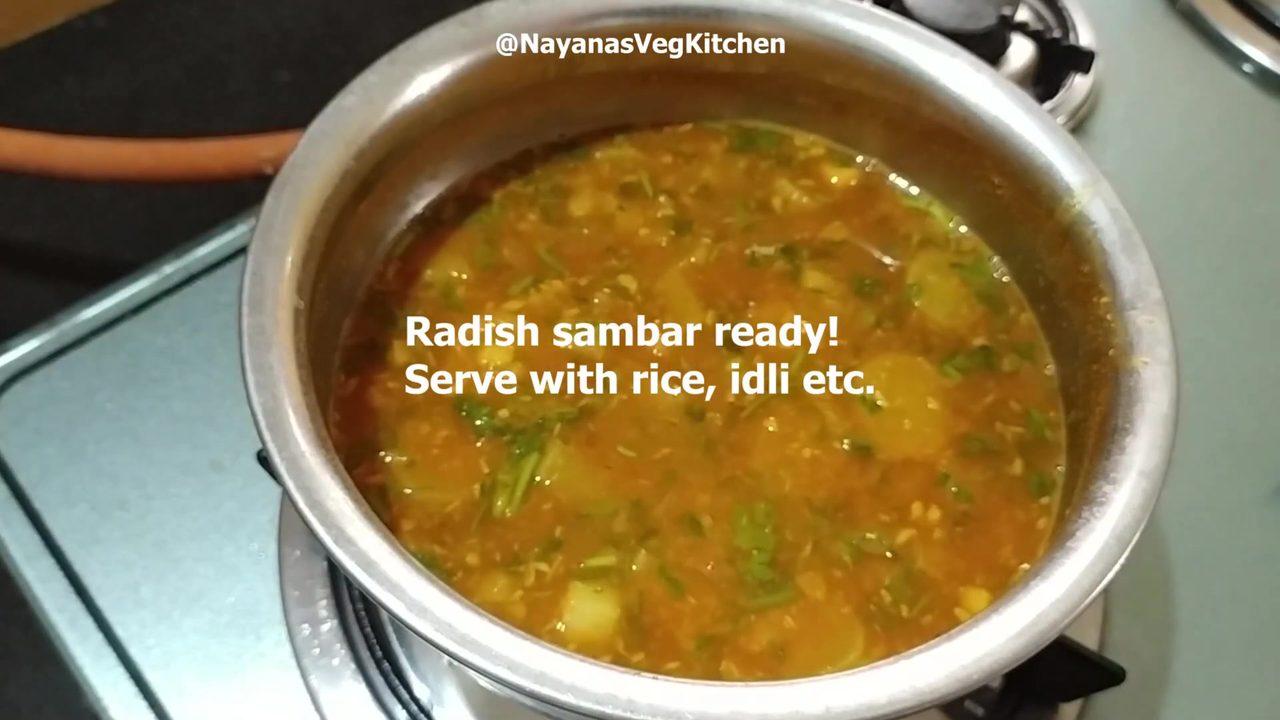
Yummy Mooli - Radish Sambar
Cuisine
Indian · South Indian
Prep + Cook Time
45 Minutes
Difficulty Level
Easy

Vegetable Biryani – South Indian Style
Cuisine
Indian · South Indian
Prep + Cook Time
40 Minutes
Difficulty Level
Comments (0)
Sign in to leave a comment on this recipe.
Loading comments...