How to Make Paneer – Fresh Indian Cheese
Recipe by RecipeTin Eats
Ingredients
Main Ingredients
- 2 litres / 2 quartsWhole Milk
- 1/4 cupLemon Juice
Step-by-Step Instructions
- 1.Heat the Milk
Pour the milk into a large pot and place it over medium-high heat. Bring it to a gentle boil, watching carefully to prevent it from boiling over.
- 2.Curdle the Milk
Once the milk is hot and foamy, reduce the heat to low. Pour in the lemon juice and stir gently. The milk will almost immediately start to separate into white curds and yellowish whey.
- 3.Strain the Curds
Line a colander or sieve with a few layers of cheesecloth and place it over a large bowl. Carefully pour the curdled milk mixture into the cheesecloth to separate the curds from the whey.
- 4.Rinse and Squeeze the Curds
Gather the corners of the cheesecloth to form a bundle. Hold it under cold running water for about a minute to rinse off the lemon flavor and cool it down. Then, twist and squeeze the bundle firmly to remove as much excess water as possible.
- 5.Press the Paneer
Place the squeezed bundle back into the sieve. Flatten it into a disc shape. Place a small plate on top of the bundle and weigh it down with heavy objects, such as canned goods.
- 6.Refrigerate to Set
Transfer the entire setup (bowl, sieve, paneer, and weights) to the refrigerator and let it press for at least 4 hours, or overnight, until the paneer is firm.
- 7.Cut the Paneer
Remove the weights and plate. Carefully unwrap the firm block of paneer from the cheesecloth. Place it on a cutting board and slice it into cubes or your desired shape.
- 8.Cook and Serve
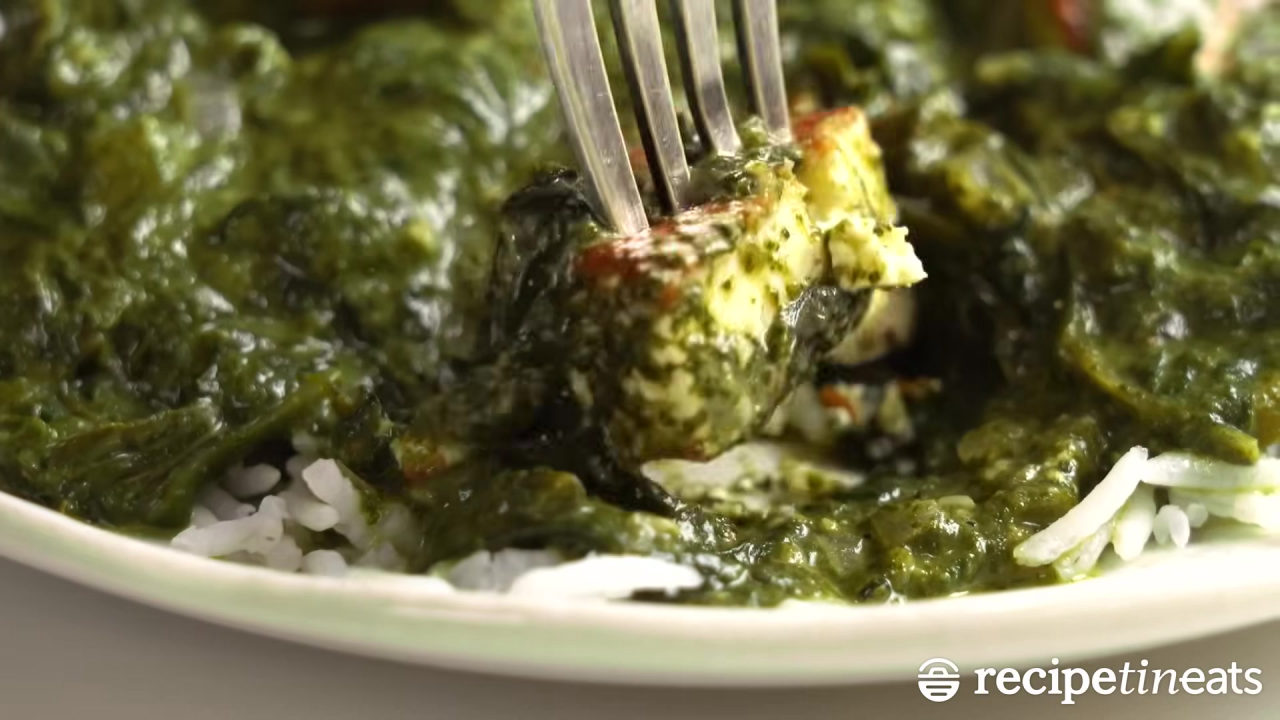
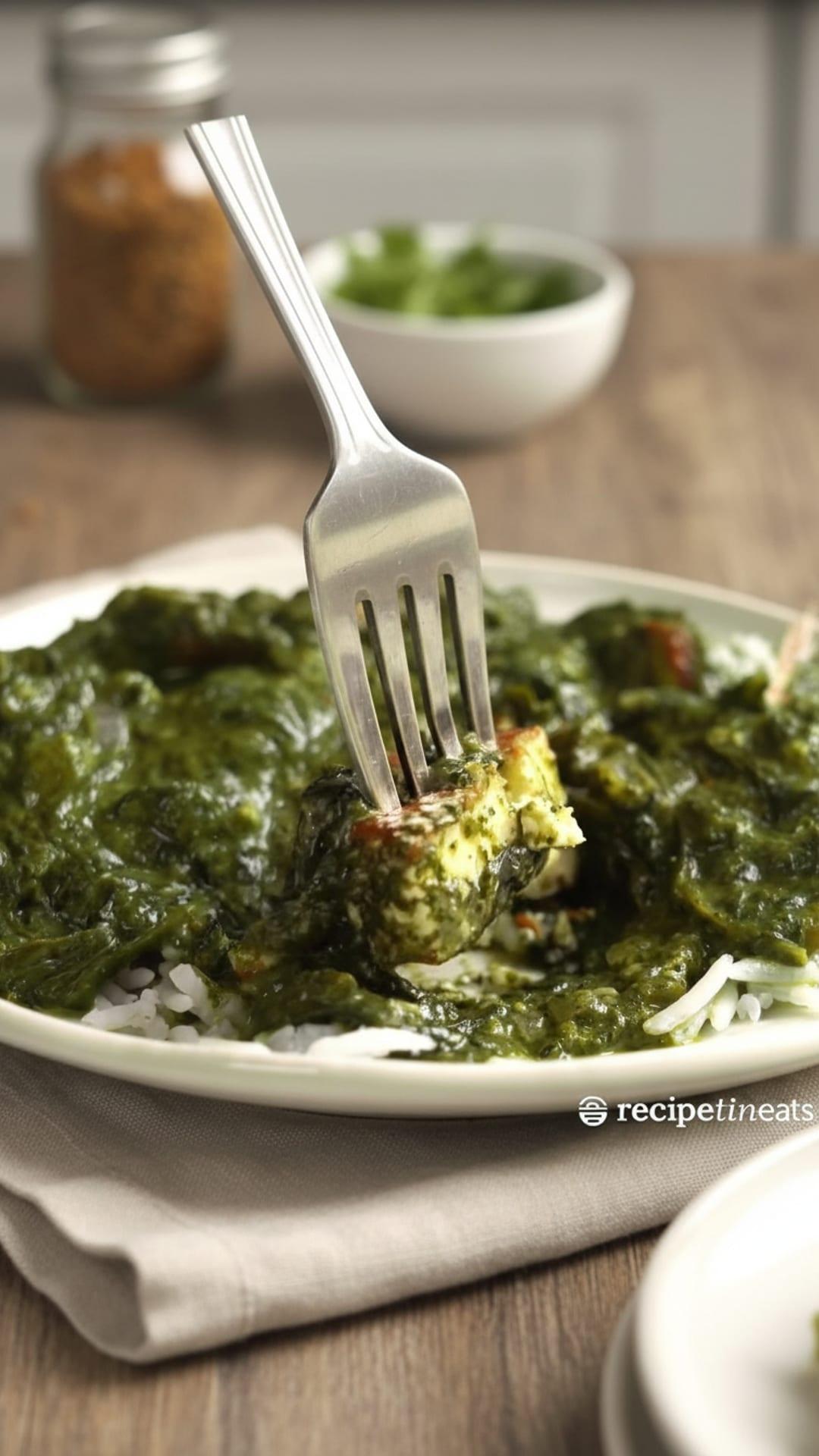
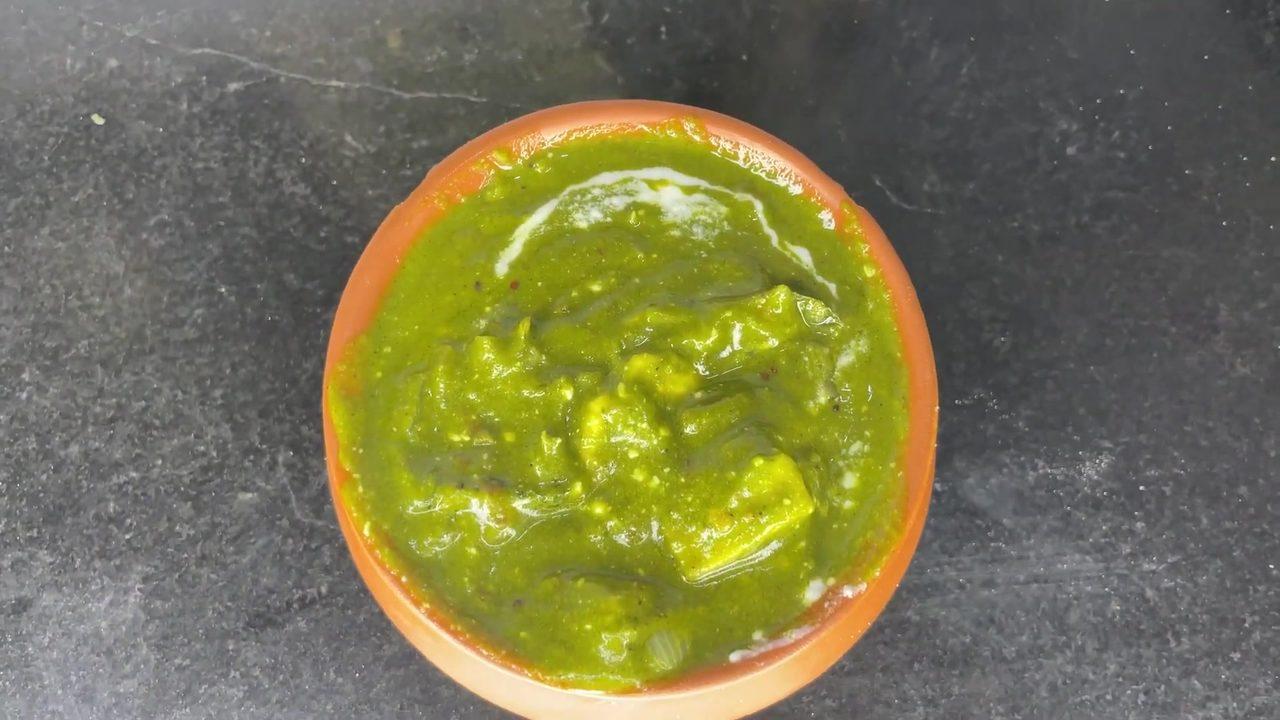
The paneer is now ready to be used. For extra flavor and texture, you can pan-fry the cubes until golden brown before adding them to curries like Palak Paneer.

Comments (0)
Sign in to leave a comment on this recipe.
Loading comments...