
Pahadi Rajma Chawal – Traditional Style
Main Ingredients
Step-by-Step Instructions
Follow each step to make the recipe successfully.
Wash the Rajma
Take 1 cup of mixed Rajma beans and wash them thoroughly with water until clean.
Pressure Cook the Rajma
Transfer the washed Rajma to a pressure cooker. Add approximately 3 cups of water, ensuring the Rajma is fully submerged. Close the lid and cook on high flame until 4-5 whistles are released, which should take about .
Prepare the Gravy Base
Heat 2-3 tablespoons of mustard oil in a kadai (wok) over medium heat. Once the oil is hot, add 0.25 tsp of Hing (asafoetida). Then, add the chopped onions and until they turn light brown.
Add Ginger and Garlic
Add the chopped garlic and grated ginger to the onions. Continue to cook for until the raw smell of ginger and garlic disappears.
Add Tomatoes and Salt
Add the chopped tomatoes to the mixture. Sprinkle salt to taste over the tomatoes. Mix well and cook until the tomatoes soften and start to break down.
Add Dry Spices
Add 1.5 tsp of Dhaniya Powder, 1 tsp of Lal Mirch Powder, and 0.5 tsp of Haldi Powder to the kadai. Mix all the spices thoroughly with the tomato-onion mixture.
Cook the Gravy
Continue cooking the gravy on medium-low heat, stirring occasionally, until the oil starts to separate from the mixture, indicating that the spices are well cooked.
Combine with Rajma
Once the gravy is ready, add the pressure-cooked Rajma along with its cooking water to the kadai. Mix everything well, ensuring the Rajma is coated with the gravy.
Simmer the Curry
Bring the Rajma curry to a boil, then the heat to low and let it for . This allows the flavors to meld and the curry to thicken slightly to your desired consistency.
Serve
Once the Rajma curry has reached the desired consistency, it is ready to be served. Ladle the hot Rajma into a serving bowl. Enjoy your Pahadi Rajma Chawal with rice and accompaniments like curd, pickle, and salad.
Before You Cook
Helpful details before you startIngredient SubstitutionsMissing something? View suitable alternatives.View 3 swaps
No Onion?
- 1 tbsp onion powder (per medium onion)
- 3 tbsp dried minced onion
- Shallots or leeks (1:1)
No Garlic (fresh)?
- 1/4 tsp garlic powder (per clove)
- 1/2 tsp garlic granules (per clove)
No Asafoetida (hing)?
- 1/4 tsp garlic powder + 1/4 tsp onion powder
You might also like
Other recipes in the same cuisine, meal type, or style — ready to cook whenever you are.
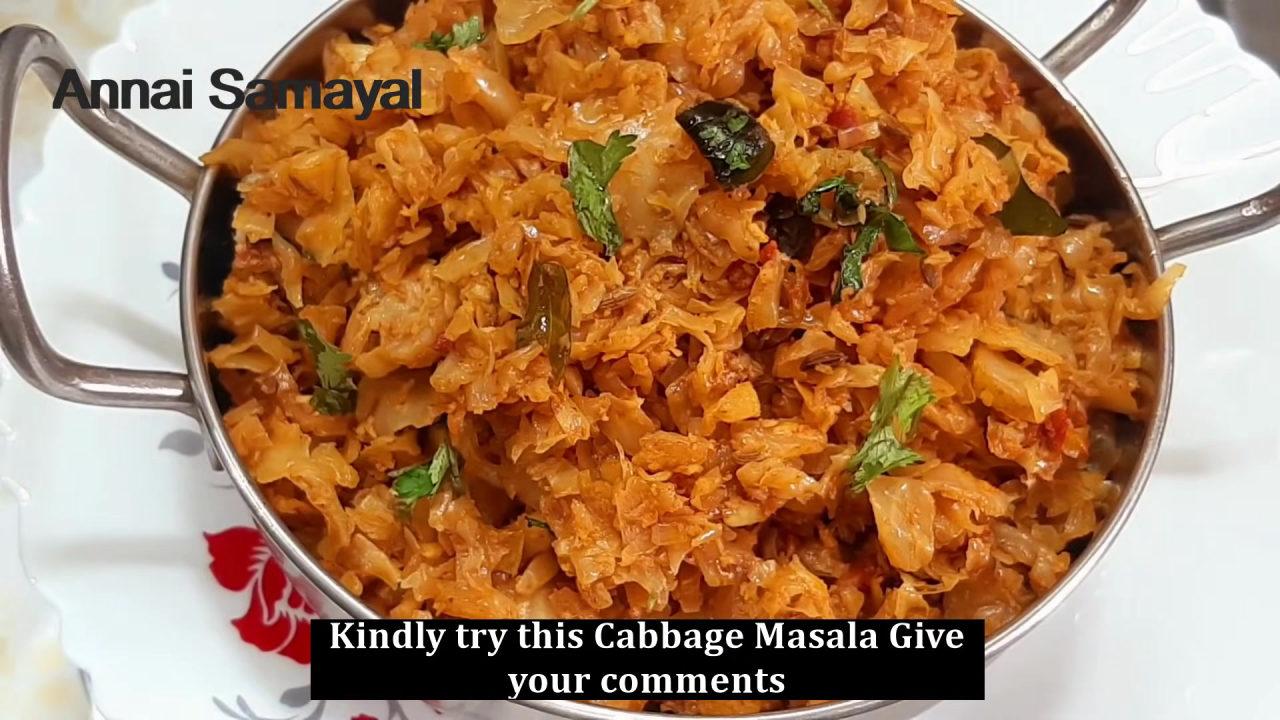
Cabbage Masala
Cuisine
Indian · South Indian
Prep + Cook Time
35 Minutes
Difficulty Level
Easy
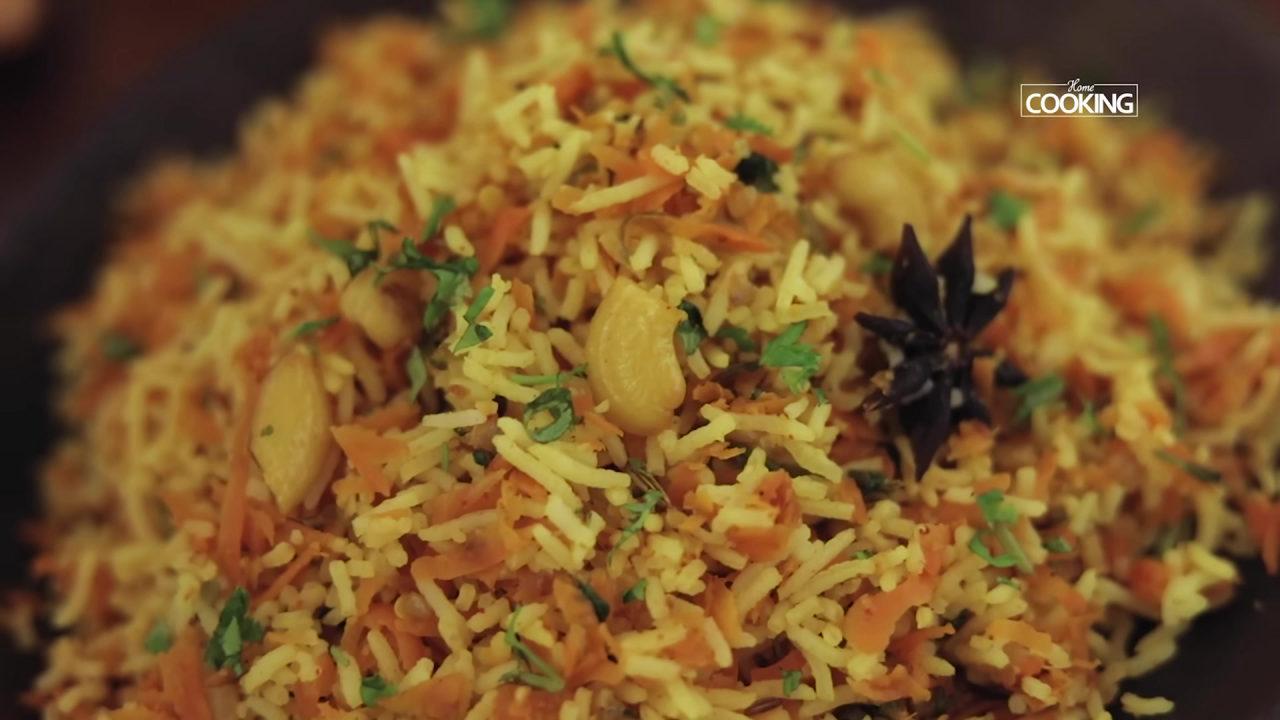
Carrot Rice – Home Cooking
Cuisine
Indian · South Indian
Prep + Cook Time
40 Minutes
Difficulty Level
Easy
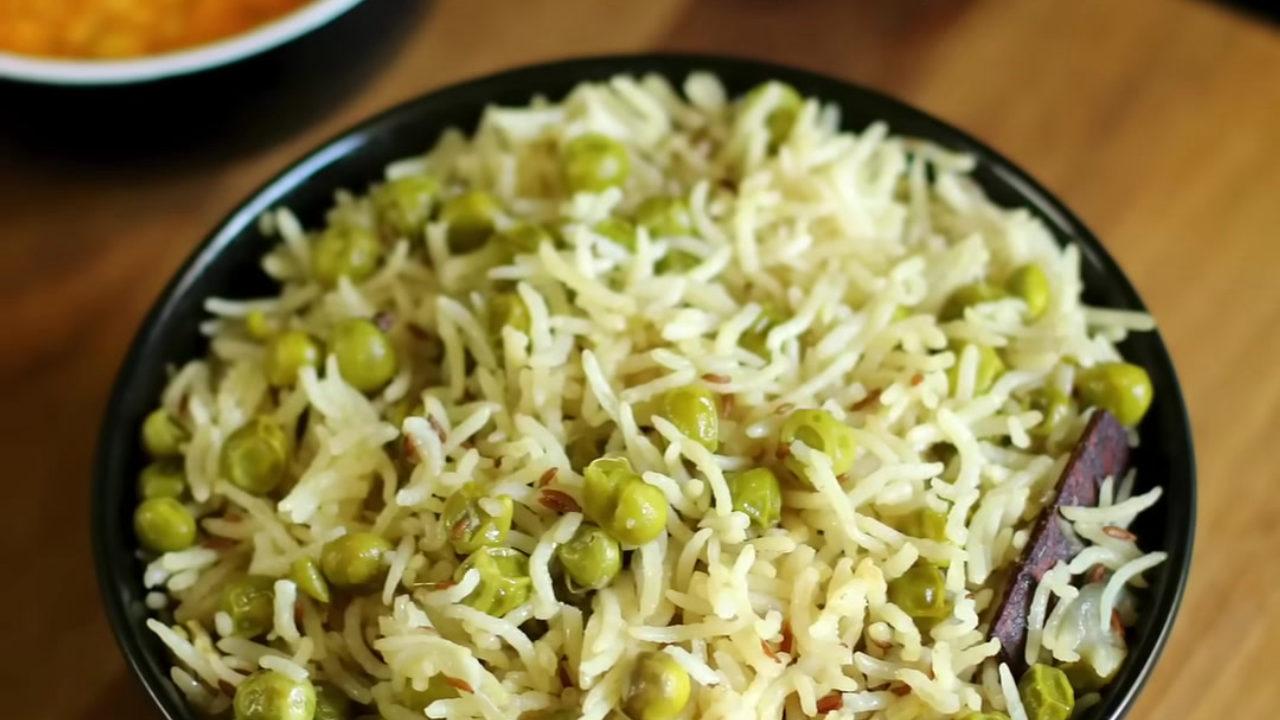
Matar Pulao (Peas Pulao) – Indian Style
Cuisine
Indian · North Indian
Prep + Cook Time
35 Minutes
Difficulty Level
Easy
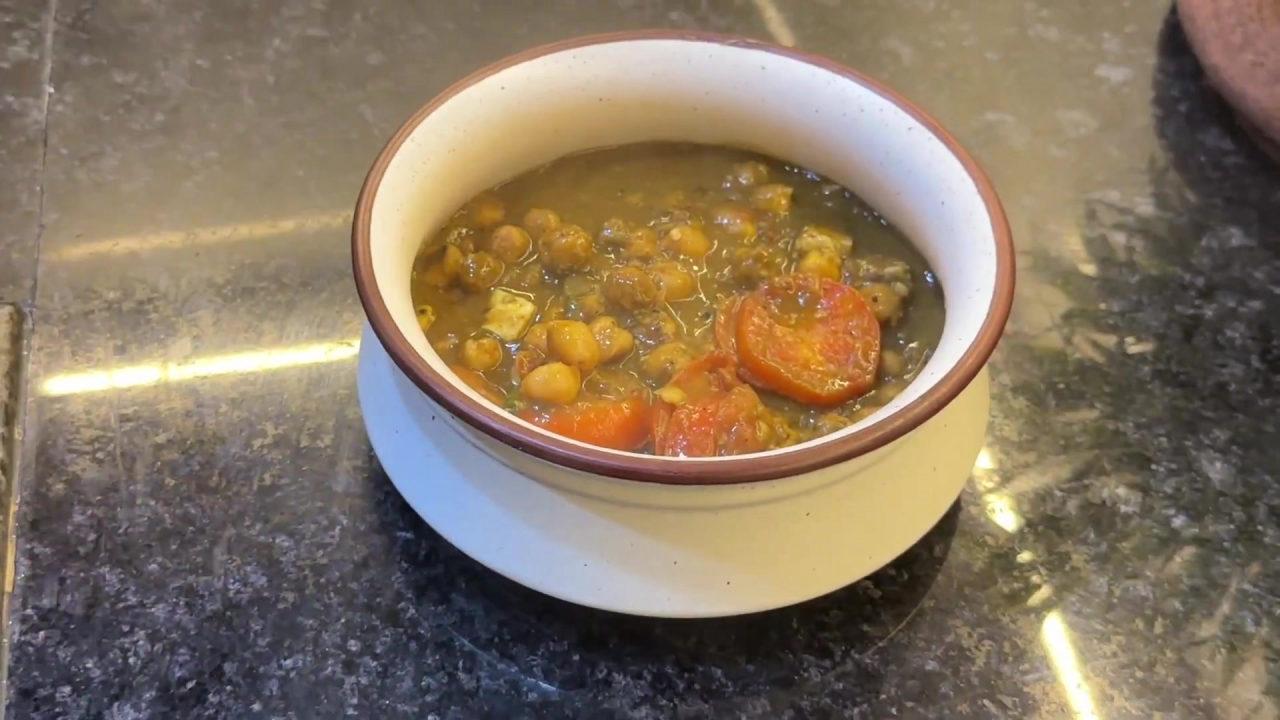
Restaurant Style Punjabi Chole Paneer
Cuisine
Indian · North Indian
Prep + Cook Time
1 hr
Difficulty Level
Medium
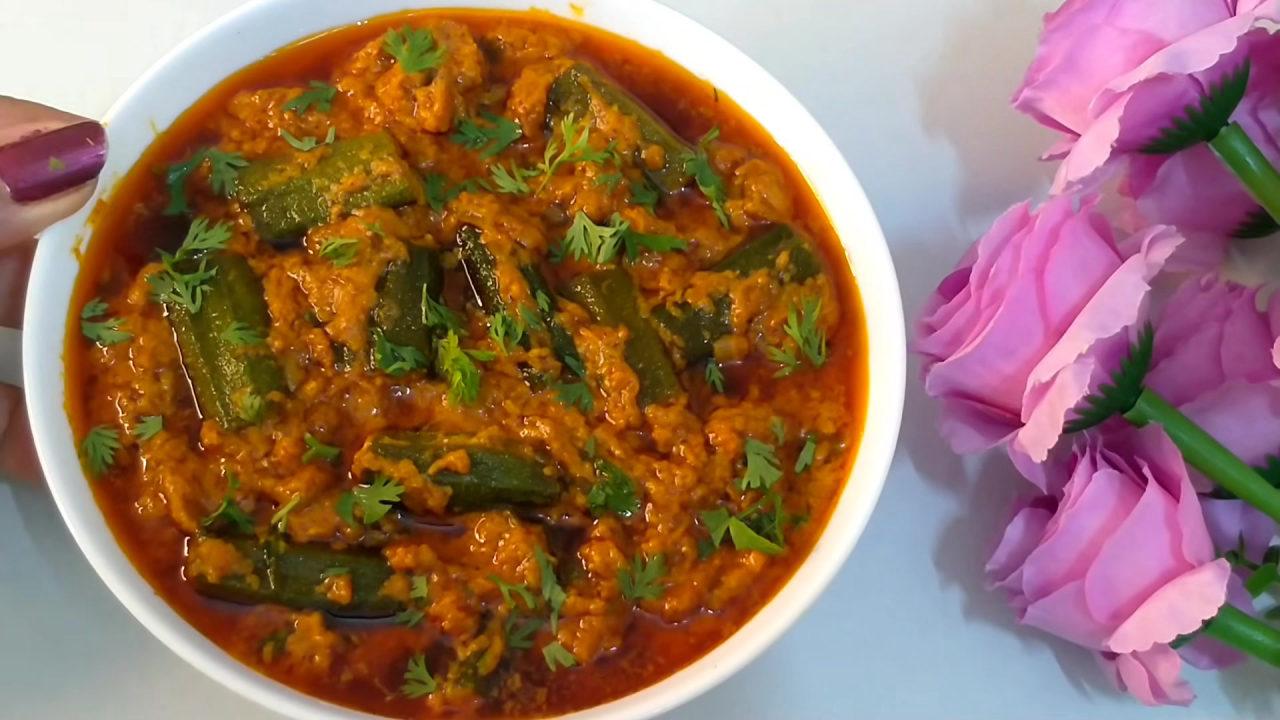
Bhindi Tikka Masala – A Unique Okra Recipe
Cuisine
Indian · North Indian
Prep + Cook Time
50 Minutes
Difficulty Level
Medium
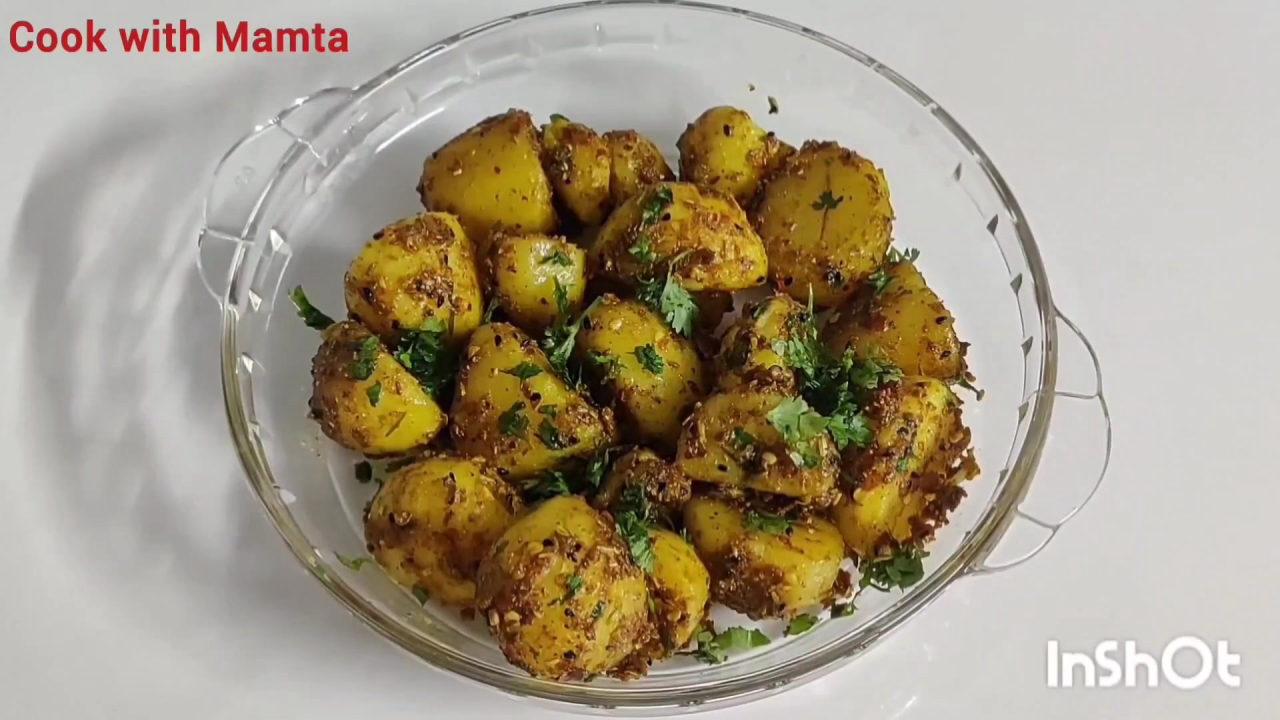
Aachari Aalu (Pickled Potatoes) – Indian Style
Cuisine
Indian · North Indian
Prep + Cook Time
35 Minutes
Difficulty Level
Comments (0)
Sign in to leave a comment on this recipe.
Loading comments...