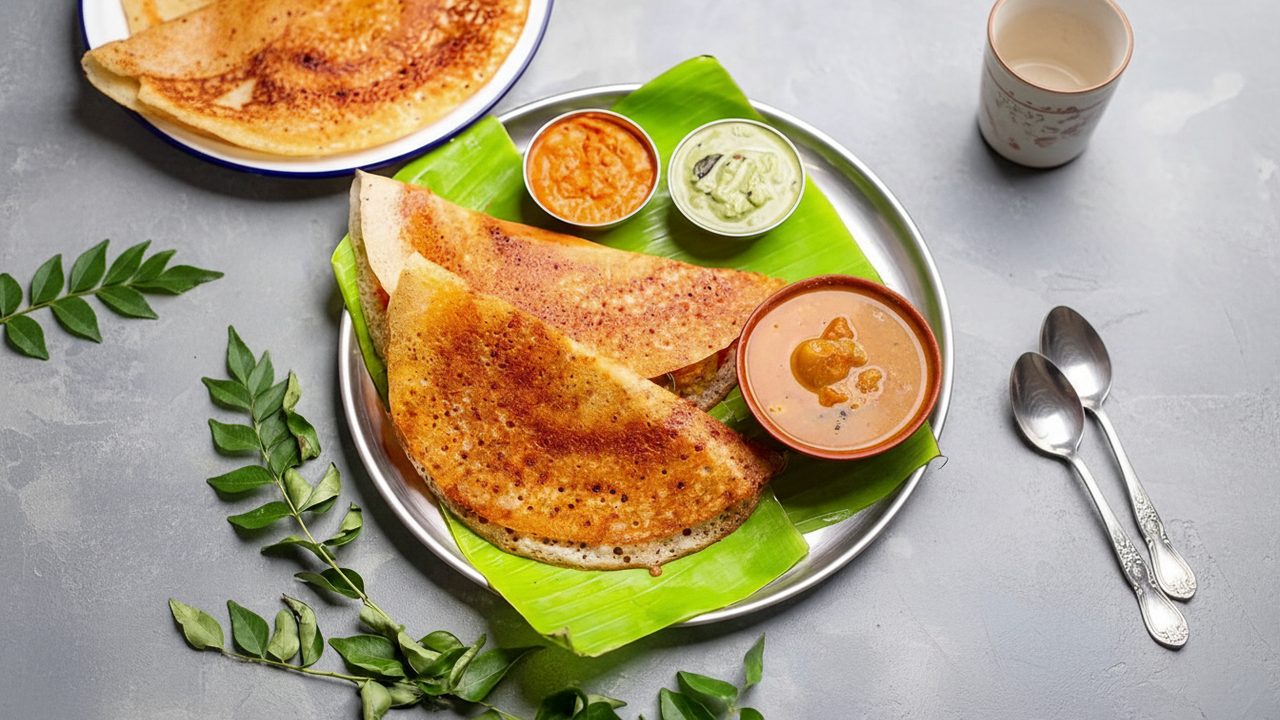
Crispy All Mix Dosa
Recipe by Chikki's world
Ingredients
Main Ingredients
- 2 cups (approx. 1 cup rice, 1/2 cup urad dal, 1/4 cup jowar, 1/4 cup masoor dal, and other millets/pulses as desired)Mixed Pulses and Grains (Urad Dal, Rice, Jowar, Masoor Dal, other millets)
- to tasteSalt
- 1/4 tsp (optional)Baking Soda
- for cookingOil
Step-by-Step Instructions
- 1.Soak the Pulses and Grains
Wash the mixed pulses and grains thoroughly. Soak them in water for at least 8 hours or overnight.
- 2.Grind the Batter
After soaking, transfer the pulses and grains to a blender. Add a little water and grind them into a smooth batter, similar to regular dosa batter consistency.
- 3.Ferment the Batter
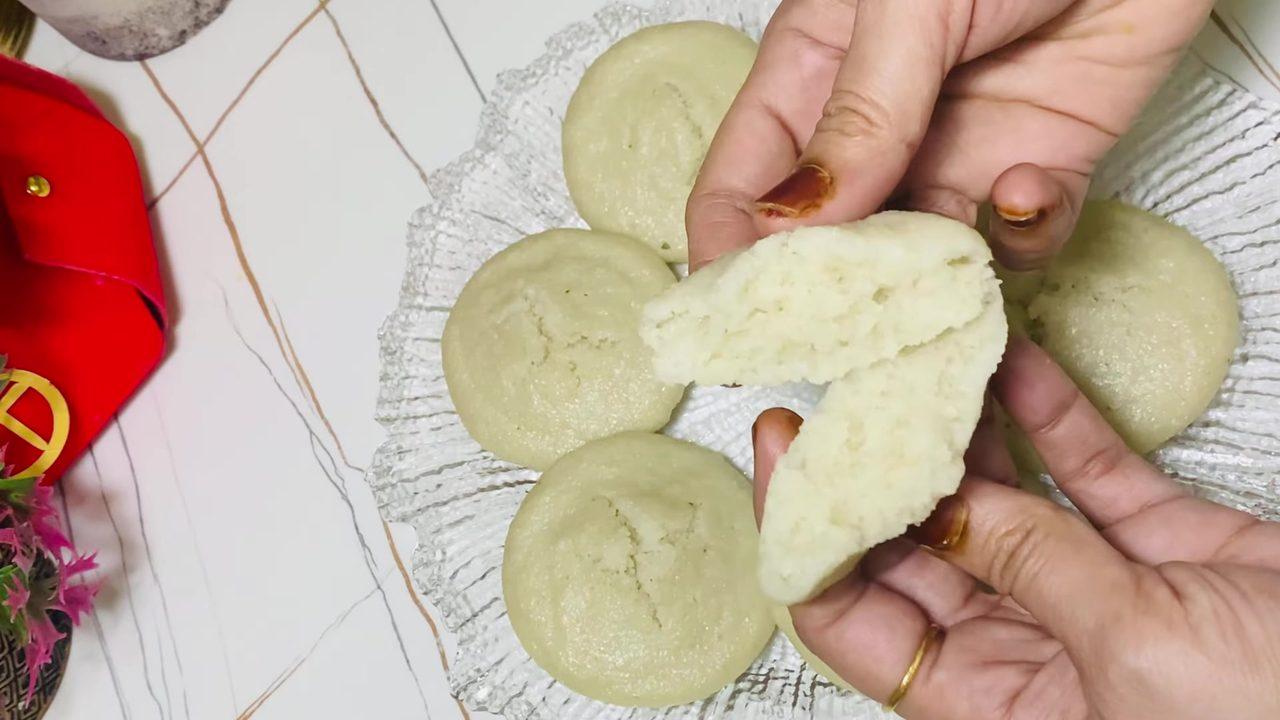
Pour the ground batter into a bowl, cover it, and let it ferment overnight. The batter should rise and become slightly bubbly, indicating proper fermentation.
- 4.Prepare the Batter for Cooking
In the morning, add salt to taste and optionally 1/4 teaspoon of baking soda to the fermented batter. Mix well. The video suggests avoiding soda for health reasons, but it can be added for a spongier texture.
- 5.Heat and Prepare the Tawa
Heat a cast iron tawa on medium-high heat. Sprinkle some water on the tawa; it should sizzle and evaporate quickly. Wipe the tawa clean with a piece of onion or a cloth dipped in oil to ensure a non-stick surface.
- 6.Spread the Dosa
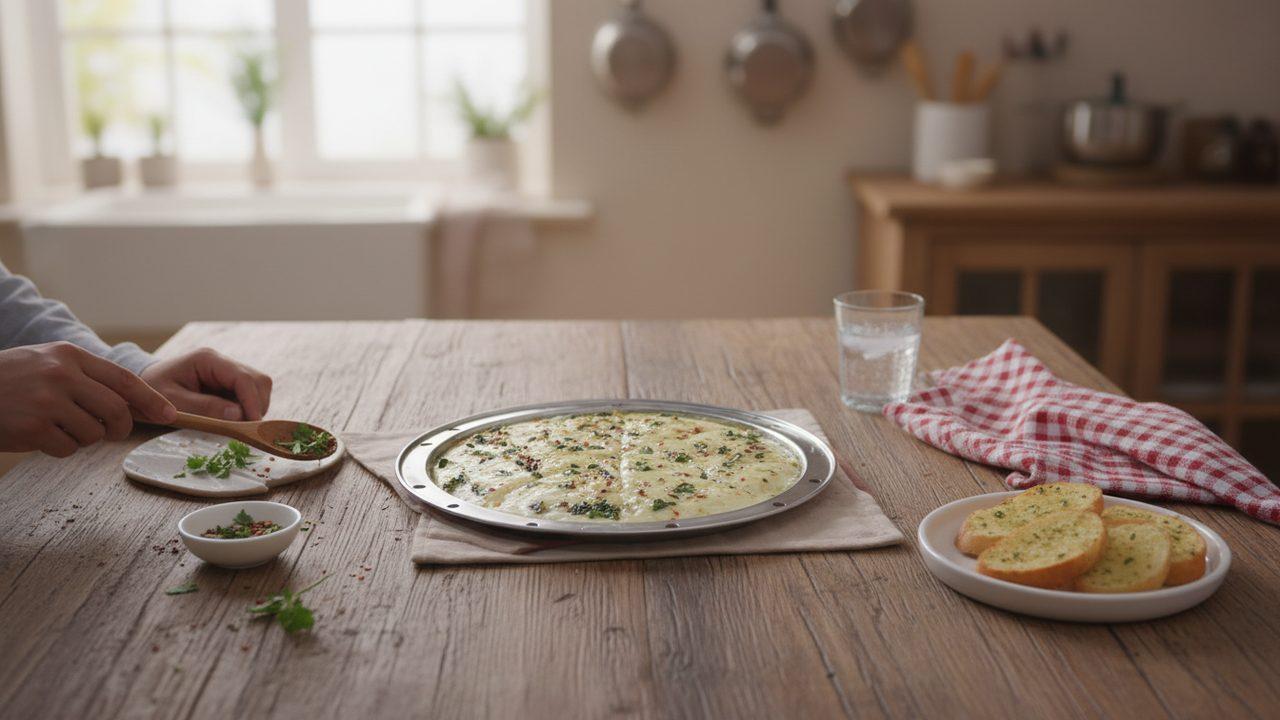
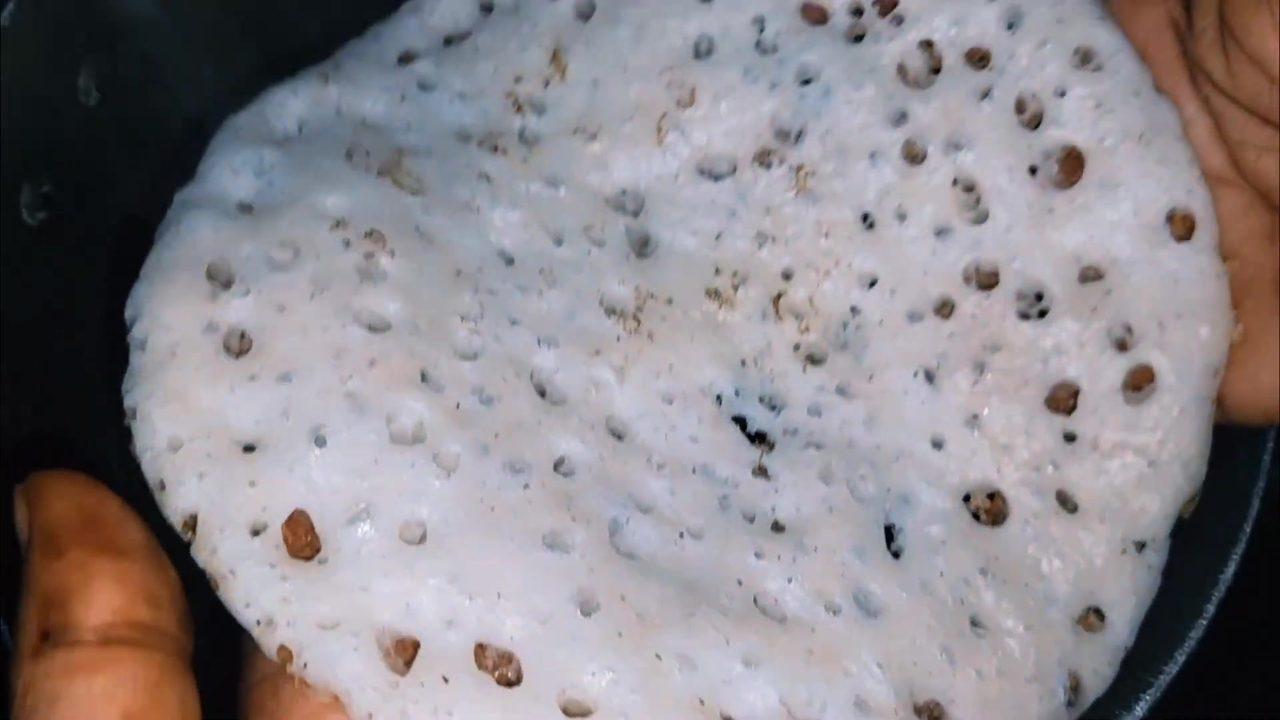
Pour a ladleful of batter onto the hot tawa. Using the back of the ladle, spread the batter in a circular motion from the center outwards to form a thin, even dosa.
- 7.Cook the Dosa
Drizzle a little oil around the edges and on top of the dosa. Cook until the edges start to crisp up and turn golden brown. The video shows brushing oil lightly on the dosa.
- 8.Flip and Serve
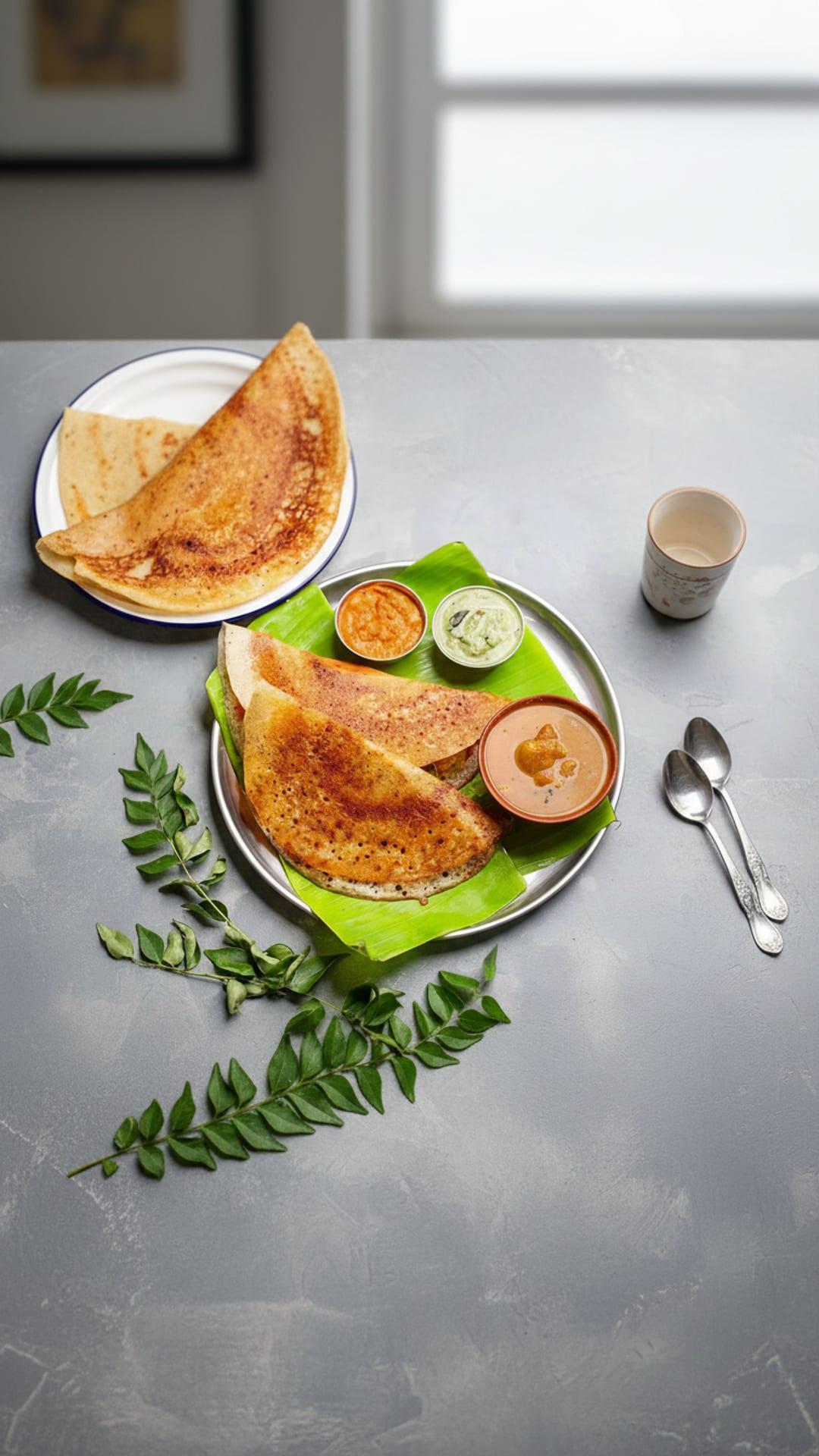
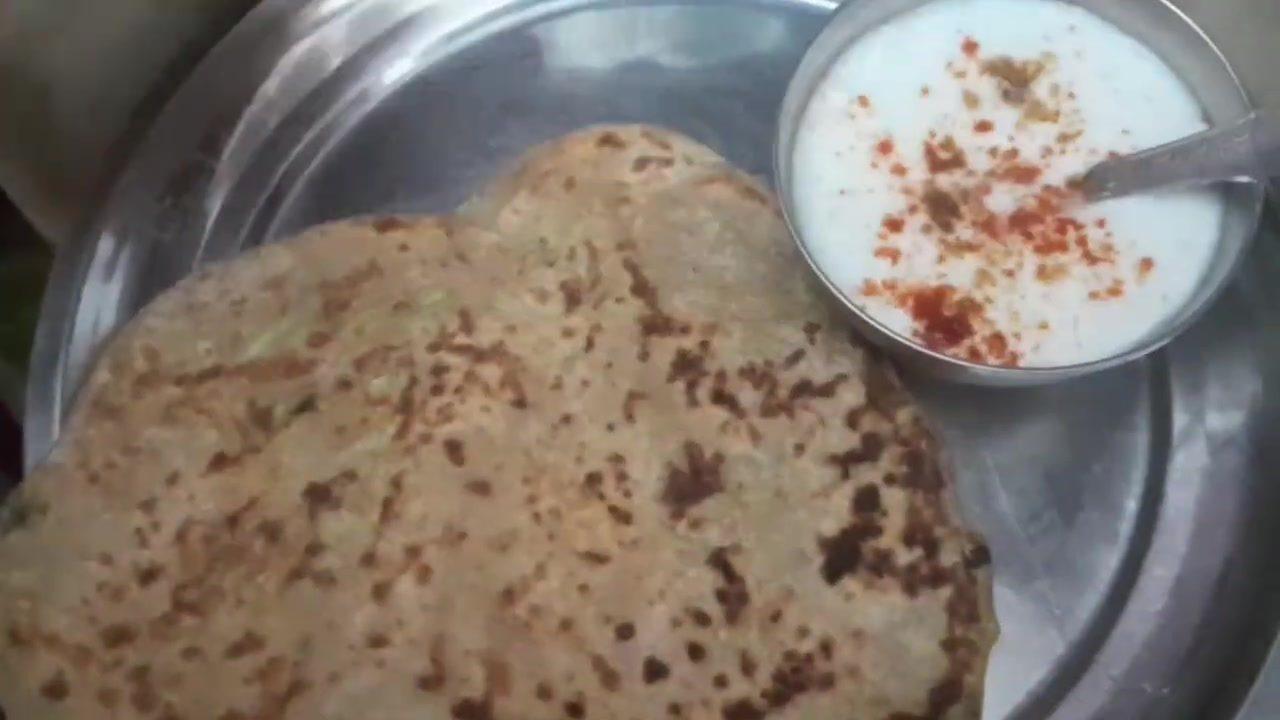
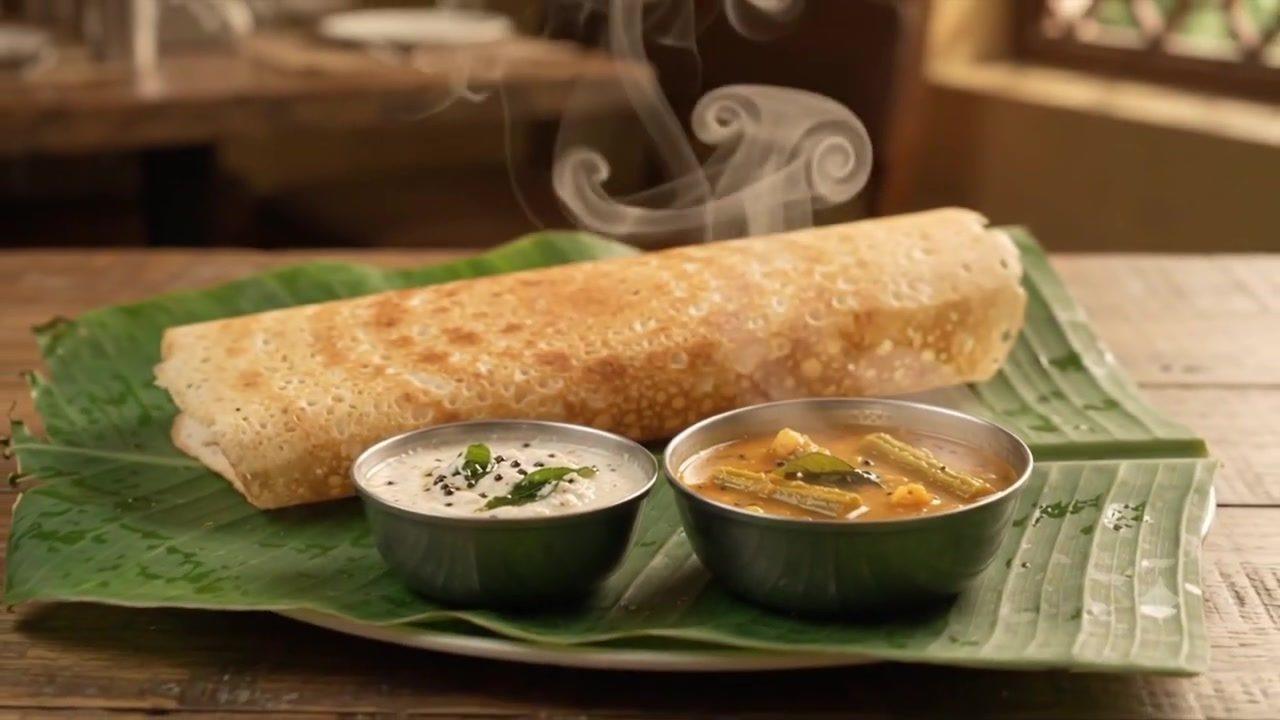
Carefully loosen the dosa from the tawa using a spatula. Fold it in half and remove it from the tawa. Serve hot with your favorite chutneys and sambar.

Comments (0)
Sign in to leave a comment on this recipe.
Loading comments...