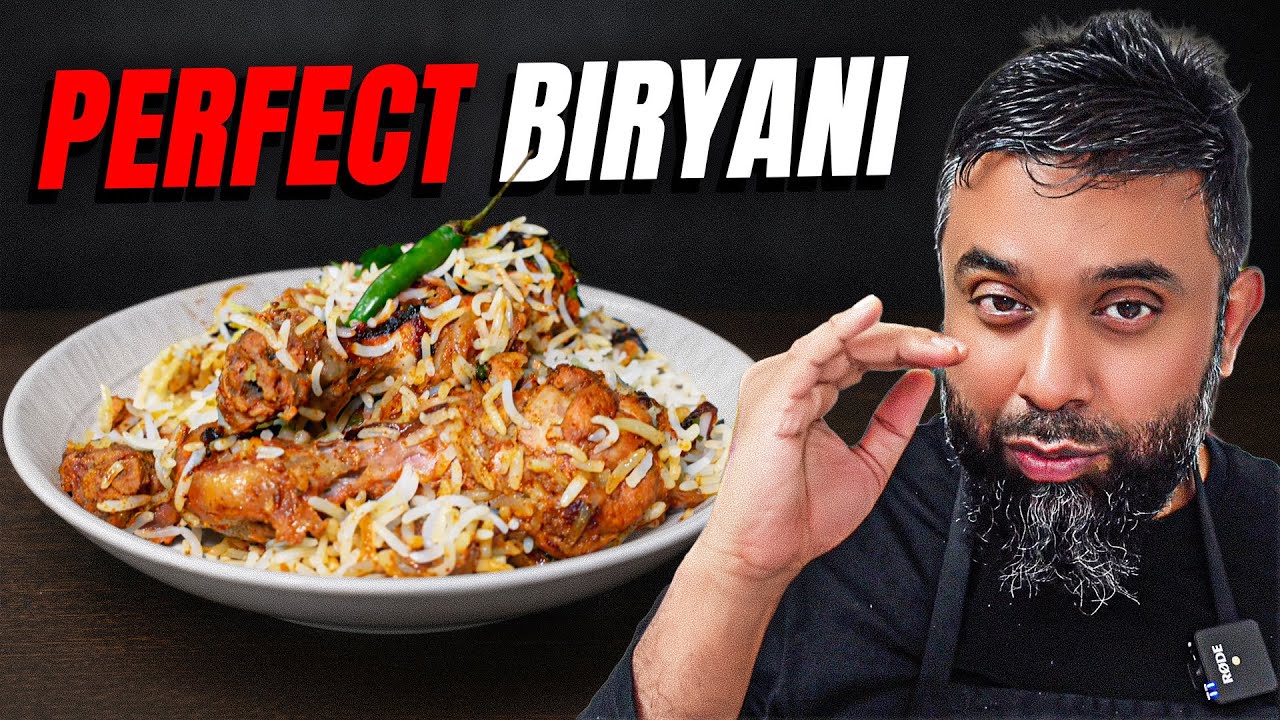
Chicken Biryani 2.0 – No Shortcuts
For Fried Onions
For Green Paste
For Chicken Marinade
For Chicken Curry Base
For Rice Par-boiling
For Layering & Garnish
Step-by-Step Instructions
Follow each step to make the recipe successfully.
Prepare Green Paste
Combine 8 tbsp garlic cloves, 1-1.5 cubed ginger, 4-6 fresh green chillies, 1/2 bunch fresh coriander, and 1/4 cup water in a food processor. Blend until a coarse green paste is formed. Set aside.
Marinate Chicken
Score 1 kg of bone-in chicken drumsticks to allow flavors to penetrate. In a large bowl, combine 1 cup yogurt, the prepared green paste, 2 tsp salt, 1 tsp turmeric powder, 2 tsp Kashmiri chilli powder, 2 tsp coriander powder, 2 tsp fennel powder, 1 tsp cumin powder, 1 tsp garam masala powder, 8 dried plums (aloo bukhara), 1 tbsp tomato puree, and 1 tbsp malt vinegar. Mix thoroughly until all spices are well combined and the marinade has a thick, tandoori-like consistency. Add the scored chicken pieces and mix well, ensuring each piece is fully coated. for at least , or ideally overnight in the refrigerator, to build deep flavors.
Fry Onions for Garnish
Heat 1 cup of cooking oil in a pan over high heat. Add 400g of thinly sliced red onions. Fry, stirring occasionally, for about until they are golden brown and , not pale. Sprinkle a pinch of salt towards the end to help draw out moisture and make them crispy. Once golden, remove the onions from the oil using a slotted spoon and set them aside to drain on paper towels. Reserve the flavored oil for cooking the chicken curry.
Prepare Chicken Curry Base
Reheat the reserved onion-flavored oil in the same pan over medium-high heat. Add the whole spices: 2 cinnamon sticks, 6 cardamom pods, 2 bay leaves, and 6 cloves. for until fragrant. Add 1 tsp cumin seeds and 1 tbsp crushed fennel seeds, and for another minute. Add 300g of thinly sliced white onions and a pinch of salt. Cook, stirring frequently, for until the onions are soft and translucent, turning golden brown. This forms the aromatic base for the curry.
Cook the Chicken Curry
the heat to medium. Add the chicken to the pan. Stir well to combine the chicken with the onion and spice base. Increase heat to high and cook for , stirring occasionally, until the chicken changes color and releases its natural juices. Cover the pan with a lid and let it on low heat for , allowing the chicken to cook through and the flavors to meld. Stir occasionally to prevent the dried plums from sticking to the bottom of the pan. The gravy should be thick and rich.
Par-boil the Rice
In a large pot, bring 15 cups of water to a rolling boil. Add 2 tsp salt, 4 cardamom pods, 2 cinnamon sticks, 2 bay leaves, 6 cloves, and 1 tbsp cooking oil. Once the water is boiling vigorously, add 3 cups of washed and soaked Basmati rice. Cook the rice for (depending on whether it's aged or new harvest rice) until it is 60-70% cooked (). The rice should have a slight resistance when bitten and a small white core. Do not cook it fully. Drain the rice immediately in a colander and set aside.
Layer the Biryani (Dum Stage)
In a large, heavy-bottomed pot, spread a thin layer of par-boiled rice at the bottom. Drizzle some of the chicken curry oil and a spoonful of gravy over this rice layer. Carefully place half of the cooked chicken curry over the rice. Sprinkle a generous amount of fresh chopped coriander and some of the crispy fried onions. Add another layer of par-boiled rice, followed by the remaining chicken curry, more coriander, and fried onions. Finish with the final layer of rice, topped with the remaining coriander and fried onions. Drizzle 3-4 tablespoons of pure butter ghee evenly over the top layer of rice.
Dum Cook and Rest
Cover the pot tightly with aluminum foil, then place the lid securely on top to trap the . Place the pot on a cast-iron tawa (griddle) over high heat for . This creates a strong initial burst of . After , the heat to the lowest setting and continue to cook for another . Finally, turn off the heat completely and let the biryani rest, undisturbed, for . This resting period allows the flavors to fully meld and the rice grains to become perfectly fluffy and separate.
Serve the Biryani
Carefully remove the foil and lid. Gently fluff the biryani with a spoon, mixing the layers slightly to distribute the chicken and spices. Serve hot, garnished with extra fresh coriander or green chillies if desired. Enjoy your perfectly cooked Chicken Biryani 2.0!
Before You Cook
Helpful details before you startIngredient SubstitutionsMissing something? View suitable alternatives.View 8 swaps
No Onion?
- 1 tbsp onion powder (per medium onion)
- 3 tbsp dried minced onion
- Shallots or leeks (1:1)
No Garlic (fresh)?
- 1/4 tsp garlic powder (per clove)
- 1/2 tsp garlic granules (per clove)
No Cilantro?
- Flat-leaf parsley (1:1, milder)
- Fresh mint (in chutneys, salads)
No Yogurt?
- Sour cream (1:1)
- Buttermilk (1:1, slightly thinner result)
No Garam masala?
- 1 tsp cumin + 1/2 tsp coriander + 1/4 tsp cinnamon + 1/4 tsp cardamom
No Bay leaf?
- 1/4 tsp dried thyme (per leaf)
- Pinch of dried oregano
No Butter?
- 3/4 the amount of olive oil (for cooking, not baking)
- Equal parts ghee — Slightly nuttier flavor.
- Equal parts coconut oil (in baking)
No Ghee?
- Unsalted butter (1:1)
- Neutral oil (1:1, lacks the toasted note)
Plan Ahead
Complete this step earlier to save time later.
- View Step 2Marinate Chicken30 minutes or overnight
Score 1 kg of bone-in chicken drumsticks to allow flavors to penetrate. In a large bowl, combine 1 cup yogurt, the prepared green paste, 2 tsp salt, 1 tsp turmeric powder, 2 tsp Kashmiri chilli powder, 2 tsp coriander powder, 2 tsp fennel powder, 1 tsp cumin powder, 1 tsp garam masala powder, 8 dried plums (aloo bukhara), 1 tbsp tomato puree, and 1 tbsp malt vinegar. Mix thoroughly until all spices are well combined and the marinade has a thick, tandoori-like consistency. Add the scored chicken pieces and mix well, ensuring each piece is fully coated. Marinate for at least 30 minutes, or ideally overnight in the refrigerator, to build deep flavors.
Variations
Simple ways to adapt this recipe.
- For a spicier biryaniCustomise
Increase the number of green chillies in the paste.
- Lemon juice can be usedIngredient swap
Lemon juice can be used as a substitute for malt vinegar in the marinade for a slightly different tangy note.
- Different cuts of chicken can be used
But bone-in chicken is recommended for maximum flavor.
Helpful Tips
Small details that can improve the final result.
More from Latif's Inspired
Other recipes converted from Latif's Inspired's cooking videos.
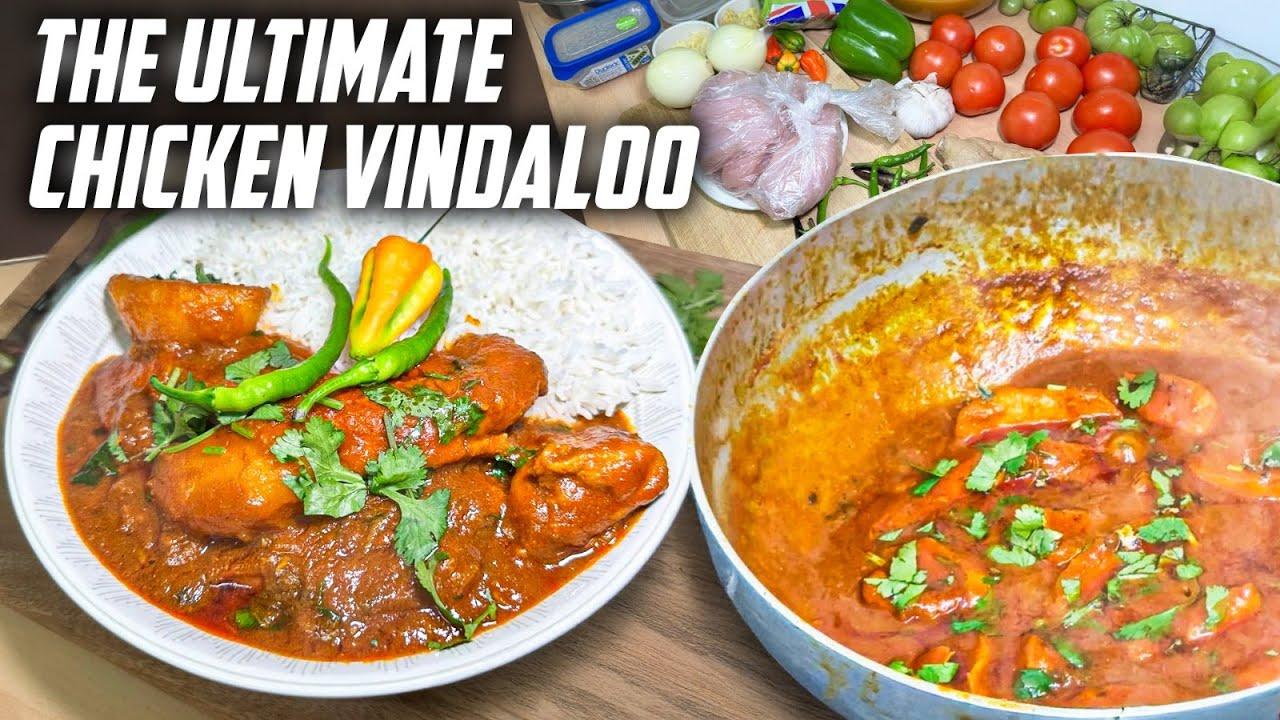
Chicken Vindaloo - British Indian Restaurant Classic
Cuisine
Indian · British Indian Restaurant
Prep + Cook Time
1 hr 5 min
Difficulty Level
Medium
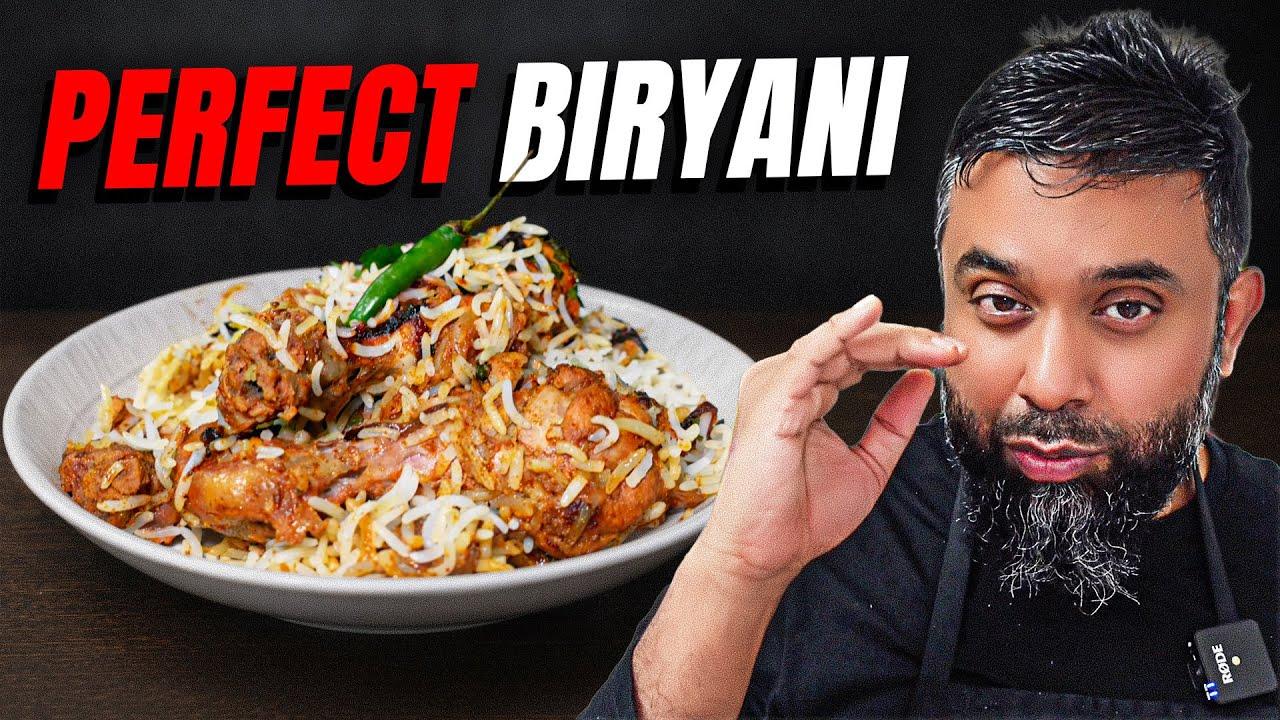
Chicken Biryani 2.0 - No Shortcuts
Cuisine
Indian · South Asian
Prep + Cook Time
2 hr 15 min
Difficulty Level
Medium

Simple Chicken Biryani - Latif's Inspired
Cuisine
Indian · Biryani
Prep + Cook Time
1 hr 50 min
Difficulty Level
Easy
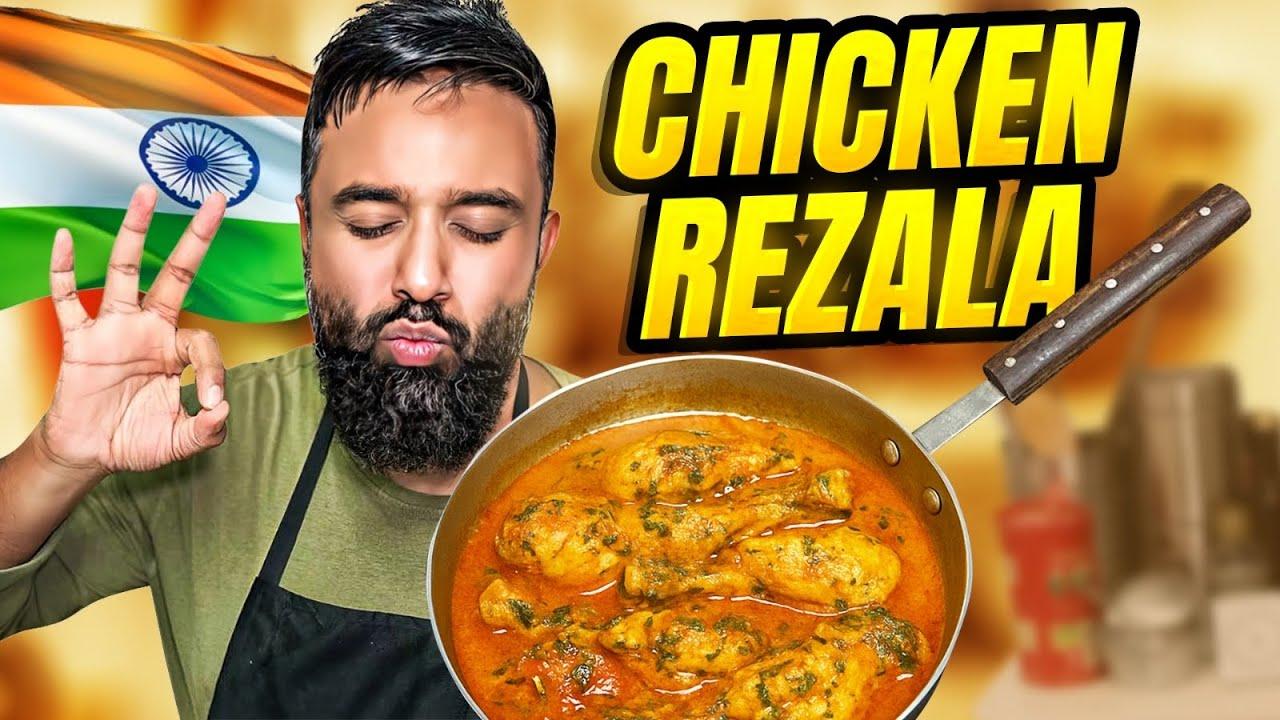
Chicken Rezala - One Pot Indian Restaurant Classic
Cuisine
Indian · British Indian Restaurant (BIR) Style
Prep + Cook Time
1 hr 30 min
Difficulty Level
Medium

The Ultimate Chicken Curry Recipe – Latif's Inspired
Cuisine
Indian · Pakistani
Prep + Cook Time
1 hr
Difficulty Level
Medium
Chicken Biryani 2.0 – No Shortcuts
Cuisine
Indian · South Asian
Prep + Cook Time
2 hr 35 min
Difficulty Level
Medium
You might also like
Other recipes in the same cuisine, meal type, or style — ready to cook whenever you are.
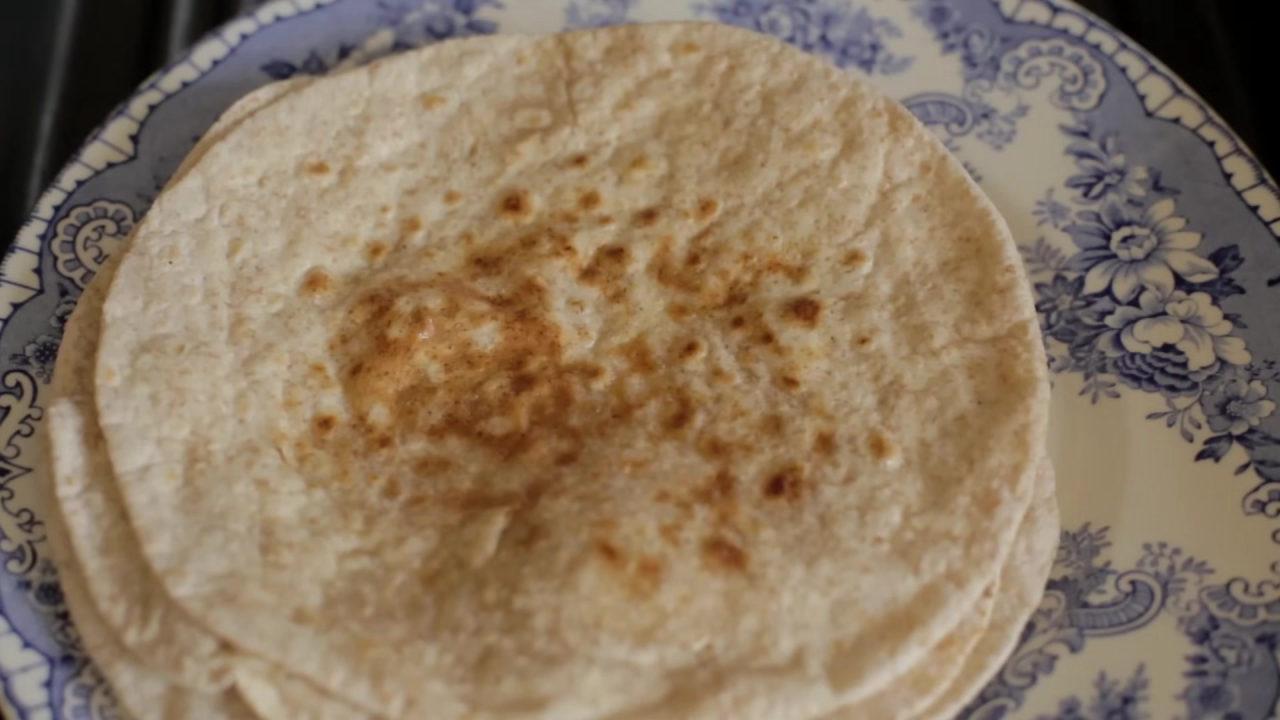
Homemade Soft Chapati – Indian Flatbread
Cuisine
Indian · North Indian
Prep + Cook Time
35 Minutes
Difficulty Level
Easy
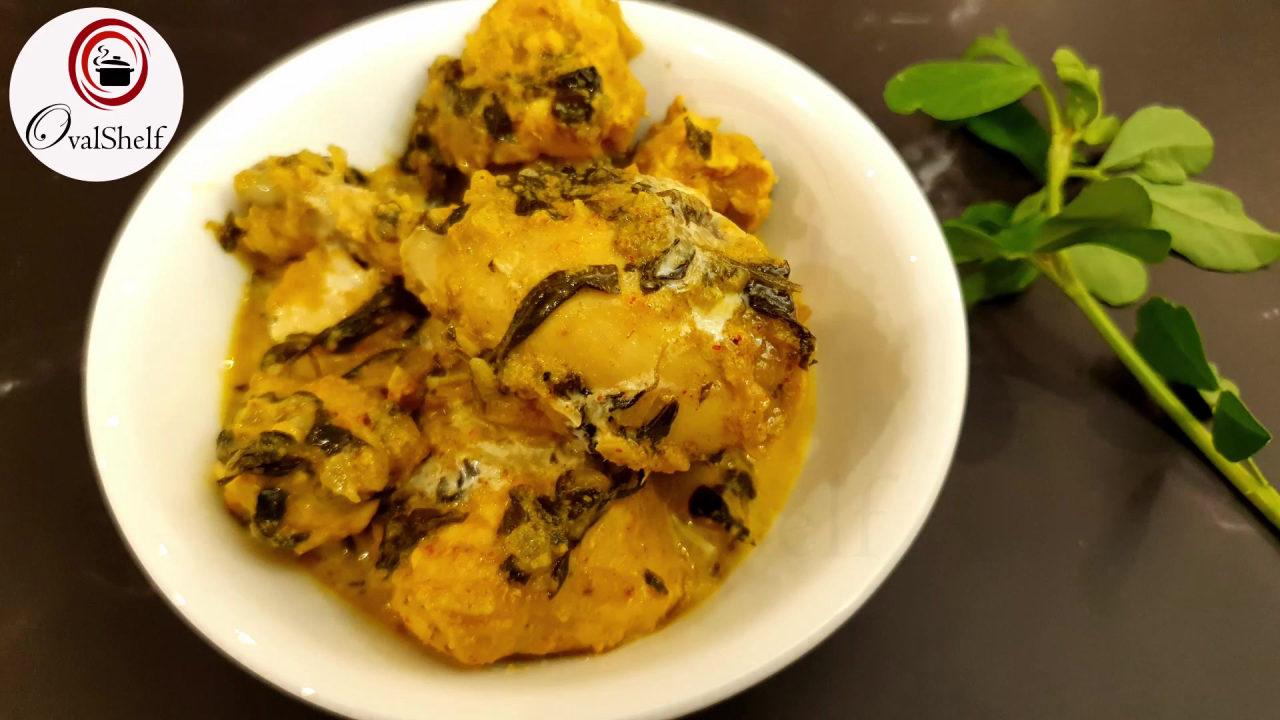
Methi Chicken - Indian Style
Cuisine
Indian · North Indian
Prep + Cook Time
1 hr
Difficulty Level
Medium
Empty Salna – Madras Samayal Style
Cuisine
Indian · South Indian
Prep + Cook Time
45 Minutes
Difficulty Level
Medium
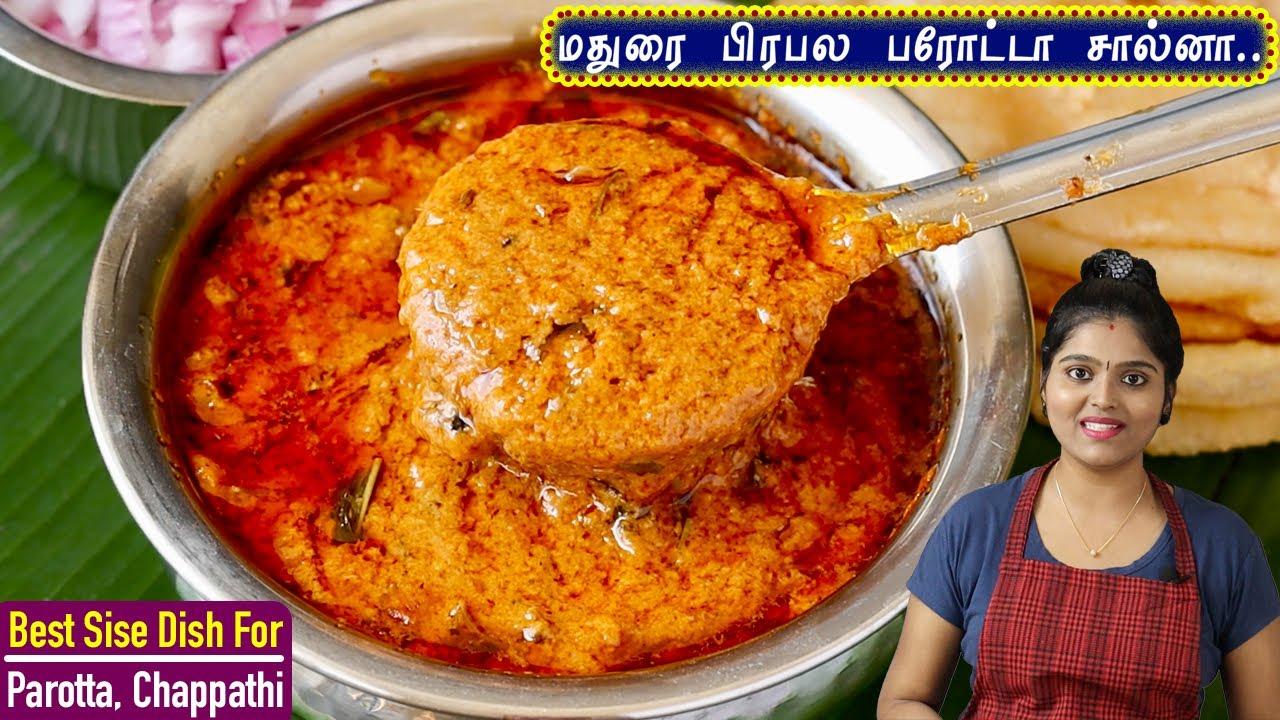
Parotta Salna – South Indian Style
Cuisine
Indian · South Indian
Prep + Cook Time
40 Minutes
Difficulty Level
Medium
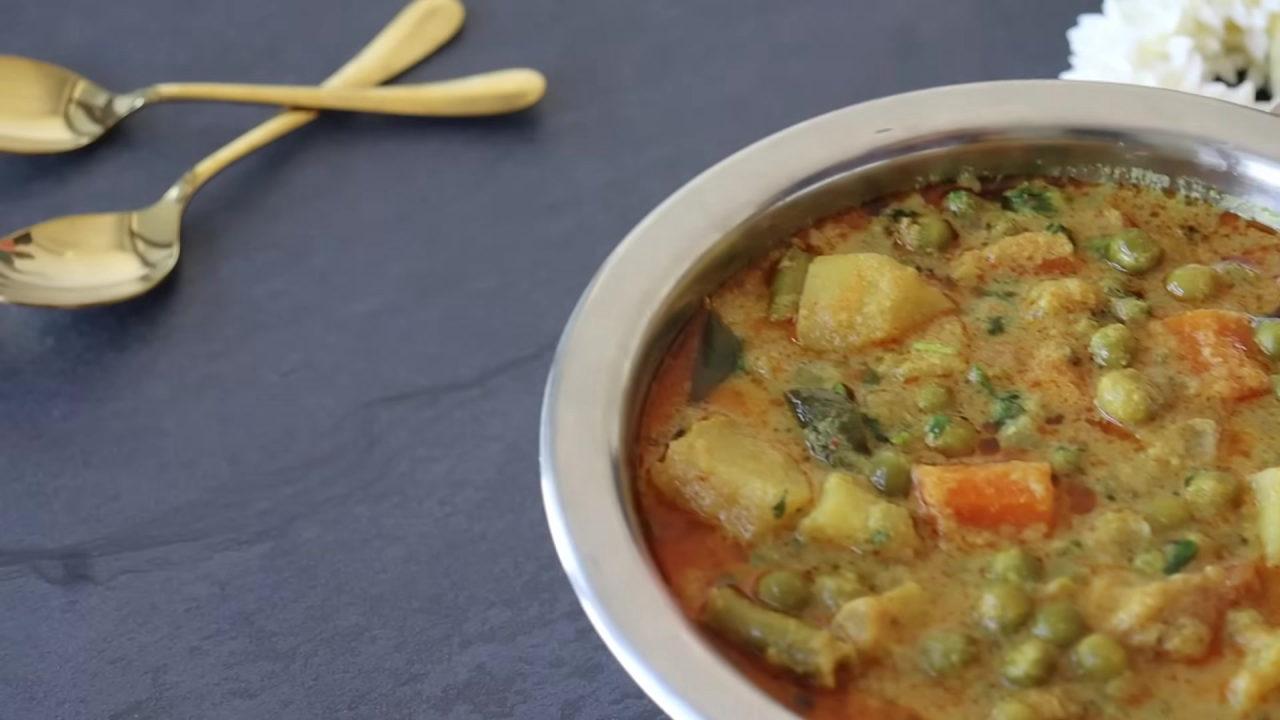
Vegetable Kuruma - South Indian Style
Cuisine
Indian · South Indian
Prep + Cook Time
45 Minutes
Difficulty Level
Easy
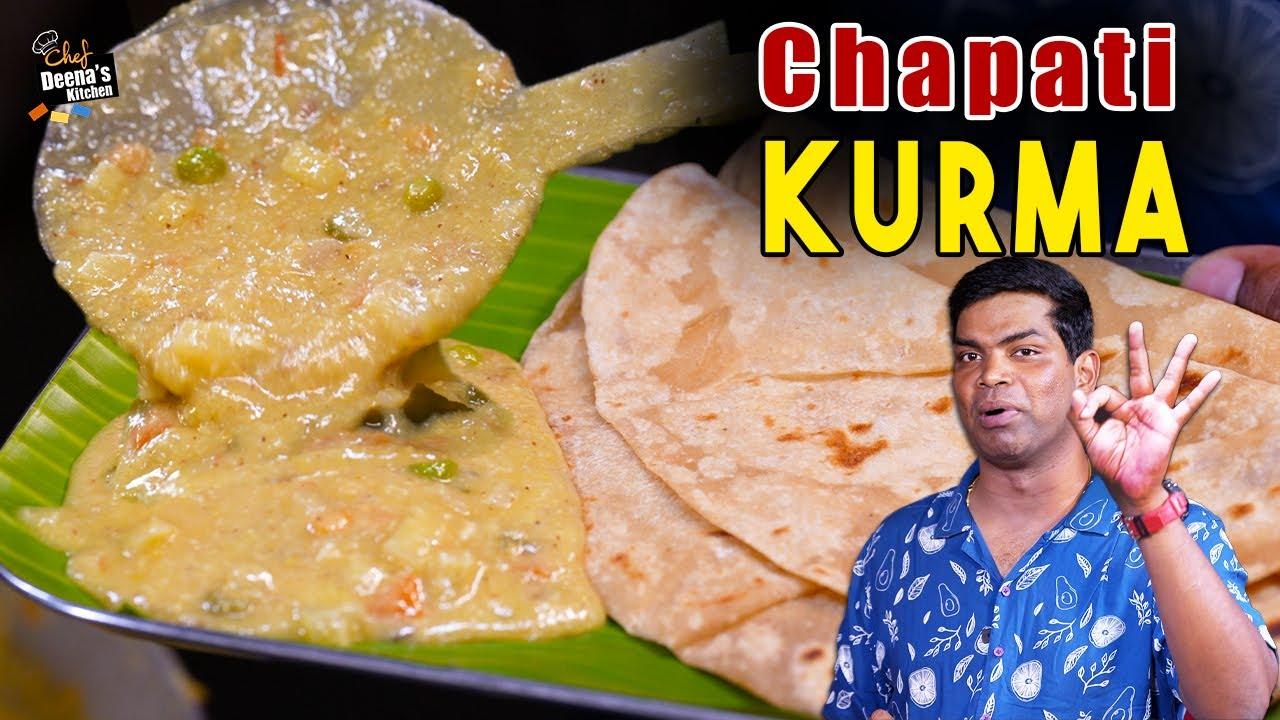
Chapati Kuruma - Kumbakonam Style
Cuisine
Indian · South Indian
Prep + Cook Time
45 Minutes
Difficulty Level
Comments (0)
Sign in to leave a comment on this recipe.
Loading comments...