
Paneer Biryani - Village Style
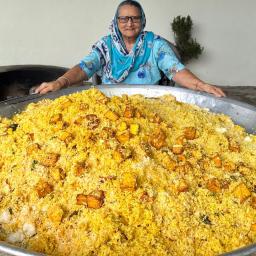
For Boiling Rice
For Frying Paneer & Onions
For Paneer Masala
For Layering & Garnish
Step-by-Step Instructions
Follow each step to make the recipe successfully.
Prepare for Rice Boiling
Place a large cooking pot on the traditional wood-fired stove. Add a large quantity of water to the pot and bring it to a rolling boil.
Add Aromatics to Boiling Water
Once the water is boiling, add bay leaves, salt, and a splash of ghee or cooking oil to the water. This will flavor the rice.
Prepare Rice
Pour the basmati rice into a large tub. Add water and thoroughly wash the rice by hand. Drain the cloudy water and repeat until the water runs clear. Drain the washed rice completely.
Cook the Rice
Carefully add the washed rice to the boiling water in the large pot. Let the rice cook until it is about 70-80% done (, with a slight bite). This should take approximately , depending on the rice type.
Drain the Rice
Using a large slotted spoon or colander, carefully drain the partially cooked rice, separating it from the water. Transfer the drained rice to a very large flat tray to cool and prevent further cooking.
Prepare for Frying
Place a large kadai (wok) on the wood-fired stove. Pour cooking oil into the kadai and heat it until shimmering.
Fry Paneer
Add the paneer cubes to the hot oil in batches. Fry them until they turn golden brown on all sides. Remove the fried paneer with a slotted spoon and set aside on a tray.
Fry Onions
Using the same oil, add the thinly sliced onions. Fry them until they become crispy and deep golden brown. Remove the fried onions with a slotted spoon and spread them on a tray to cool and crisp up. These will be used for garnish.
Prepare Paneer Masala Base
In the same kadai, remove excess oil if necessary, then add ghee. Once the ghee is hot, add the whole spices: bay leaves, cumin seeds, black peppercorns, green cardamom, and cinnamon stick. for a minute until fragrant.
Sauté Onions and Aromatics
Add the remaining thinly sliced onions to the kadai. them until they turn translucent and light golden. Then, add the ginger garlic paste and green chillies. Cook until the raw smell of ginger garlic disappears.
Add Herbs and Spices
Stir in the chopped coriander and mint leaves. Add salt, red chilli powder, and turmeric powder. Mix well and the masala for until the spices are well cooked and aromatic, and the oil starts to separate.
Incorporate Curd and Paneer
Add the curd to the cooking masala. Mix continuously to prevent curdling and cook until the gravy thickens and the oil separates. Gently add the fried paneer cubes to the masala. Mix carefully to coat the paneer without breaking it.
Add Biryani Masala
Sprinkle the biryani masala powder over the paneer and gravy. Mix gently to combine all the flavors. Let it for a few minutes.
Layer the Biryani
Transfer a layer of the paneer masala to the bottom of the large pot used for boiling rice. Spread it evenly. Then, layer half of the partially cooked rice over the masala. Add another layer of paneer masala, followed by the remaining rice.
Garnish and Finish Layers
Evenly sprinkle chopped coriander, fried onions, and yellow food color (mixed with a little water or milk) over the top layer of rice. Repeat the layering of coriander, fried onions, and yellow food color for a vibrant and flavorful top.
Dum Cooking
Cover the pot tightly with a large lid. Place hot charcoal directly on top of the lid to create heat from both top and bottom. Let the biryani cook on dum (slow cooking) for approximately , allowing the flavors to meld and the rice to cook completely.
Serve the Biryani
Once cooked, carefully remove the lid and transfer the Paneer Biryani to a large serving tray. Gently mix to combine the layers. Serve hot to the children.
Before You Cook
Helpful details before you startIngredient SubstitutionsMissing something? View suitable alternatives.View 7 swaps
No Bay leaf?
- 1/4 tsp dried thyme (per leaf)
- Pinch of dried oregano
No Ghee?
- Unsalted butter (1:1)
- Neutral oil (1:1, lacks the toasted note)
No Paneer?
- Extra-firm tofu, pressed and cubed — Pan-fry first for closer texture.
- Halloumi — Saltier; reduce added salt.
No Onion?
- 1 tbsp onion powder (per medium onion)
- 3 tbsp dried minced onion
- Shallots or leeks (1:1)
No Garlic (fresh)?
- 1/4 tsp garlic powder (per clove)
- 1/2 tsp garlic granules (per clove)
No Cilantro?
- Flat-leaf parsley (1:1, milder)
- Fresh mint (in chutneys, salads)
No Yogurt?
- Sour cream (1:1)
- Buttermilk (1:1, slightly thinner result)
Variations
Simple ways to adapt this recipe.
- Replace paneer with mixed vegetablesIngredient swap
Replace paneer with mixed vegetables for a vegetable biryani.
- Add boiled potatoes along withCustomise
Add boiled potatoes along with paneer for extra texture and flavor.
Helpful Tips
Small details that can improve the final result.
You might also like
Other recipes in the same cuisine, meal type, or style — ready to cook whenever you are.
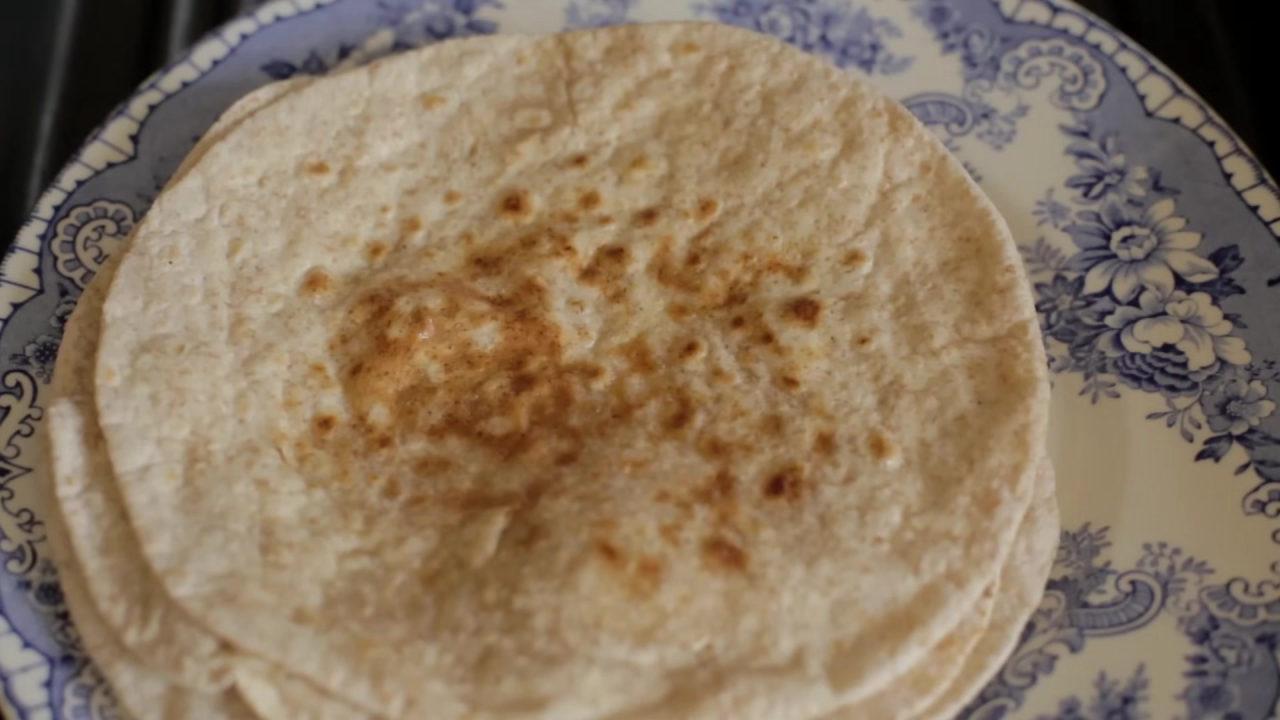
Homemade Soft Chapati – Indian Flatbread
Cuisine
Indian · North Indian
Prep + Cook Time
35 Minutes
Difficulty Level
Easy
Empty Salna – Madras Samayal Style
Cuisine
Indian · South Indian
Prep + Cook Time
45 Minutes
Difficulty Level
Medium
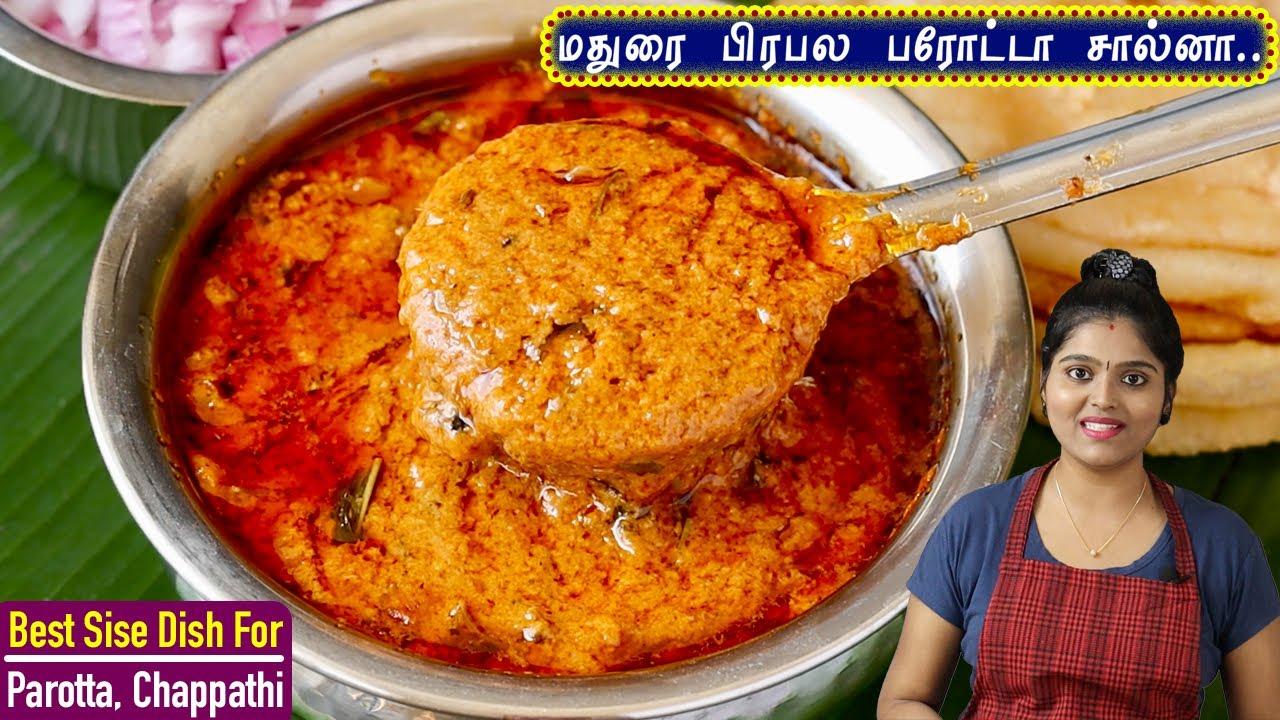
Parotta Salna – South Indian Style
Cuisine
Indian · South Indian
Prep + Cook Time
40 Minutes
Difficulty Level
Medium
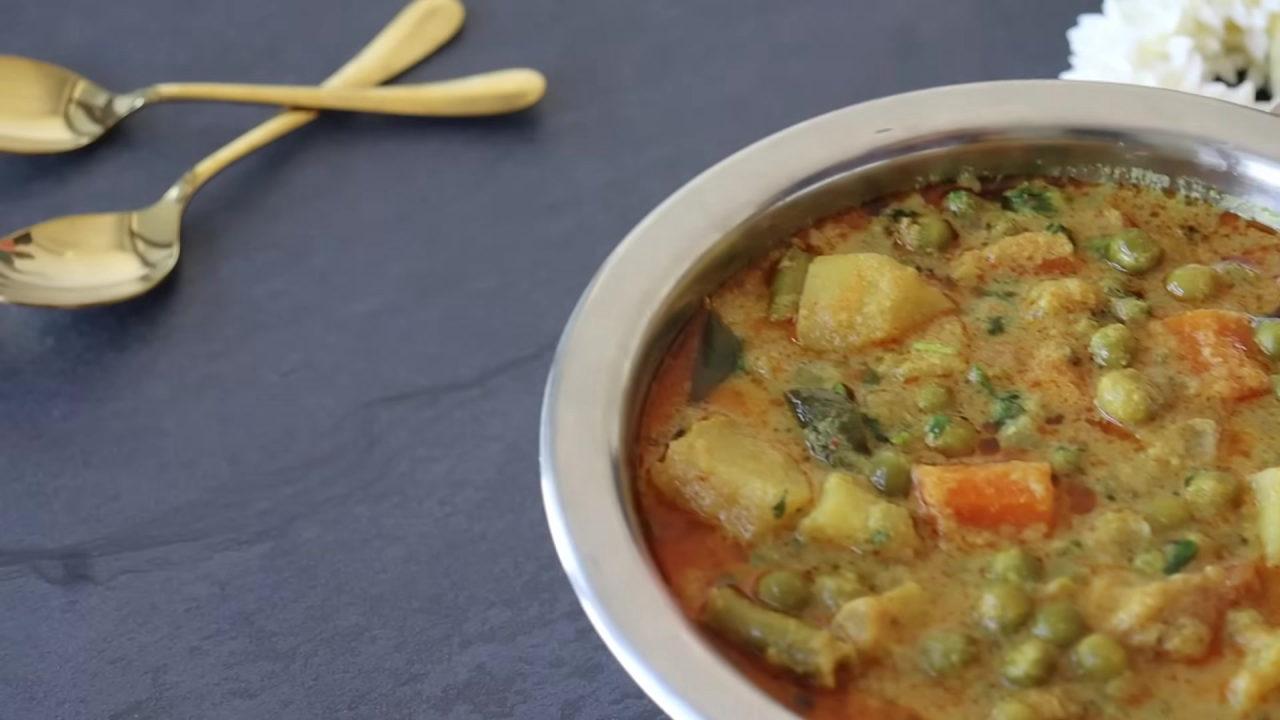
Vegetable Kuruma - South Indian Style
Cuisine
Indian · South Indian
Prep + Cook Time
45 Minutes
Difficulty Level
Easy
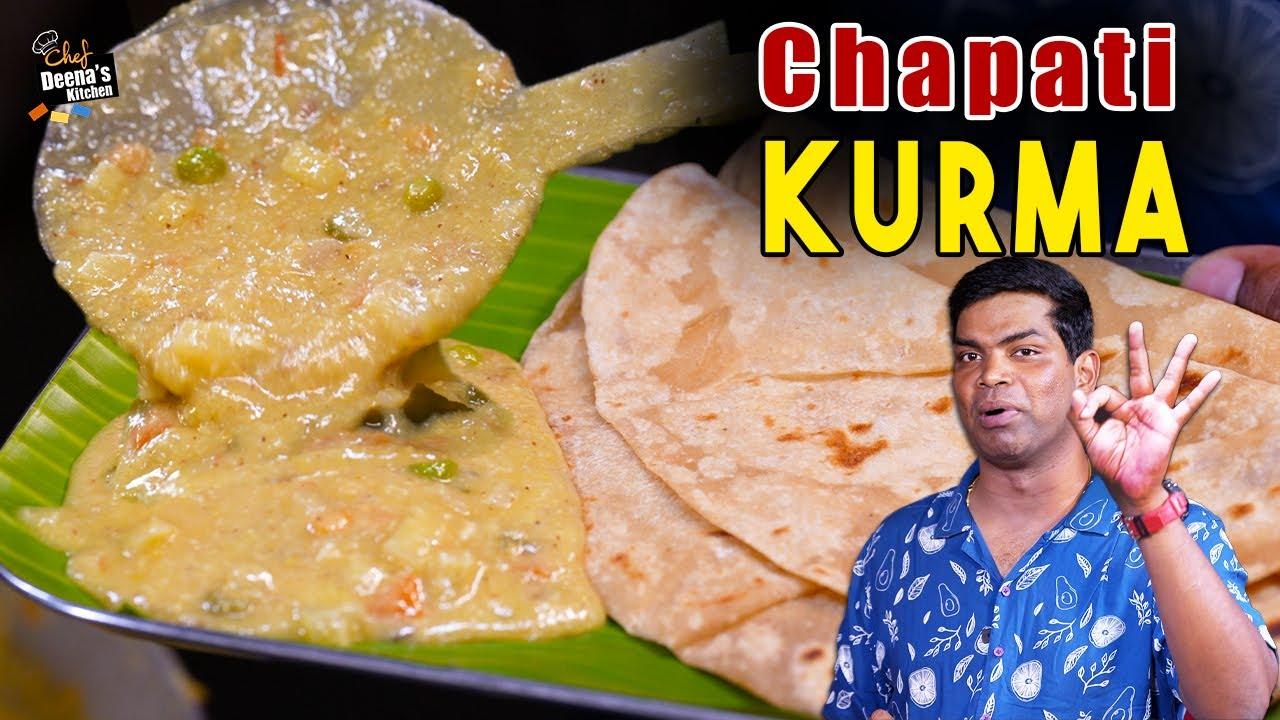
Chapati Kuruma - Kumbakonam Style
Cuisine
Indian · South Indian
Prep + Cook Time
45 Minutes
Difficulty Level
Medium

Red Lentil Curry (Masoor Dal Tarka)
Cuisine
Indian · North Indian
Prep + Cook Time
45 Minutes
Difficulty Level
Comments (0)
Sign in to leave a comment on this recipe.
Loading comments...