Appam and Savoury Paniyaram – South Indian Breakfast
For Appam Batter
For Savoury Paniyaram Tempering
For Savoury Paniyaram
Step-by-Step Instructions
Follow each step to make the recipe successfully.
Prepare Appam Batter
In a mixer grinder, combine 1 cup soaked raw rice, 2 tbsp cooked rice, 4 tbsp fresh grated coconut, 2 tsp salt, and 1/2 cup water. Grind into a smooth batter.
Ferment Appam Batter
Dissolve 1 tsp yeast in warm water and stir it into the smooth batter. Let the batter rest overnight to ferment. Fermentation gives appams their signature texture and flavor.
Cook Appam
Once the batter is ready, heat an appam pan. Pour a ladle of batter into the center of the pan and gently swirl the pan so the batter spreads out in a circular motion. Cover and let it cook. When the edges look crisp and lacy, and the center turns soft and spongy, your appam is ready.
Prepare Paniyaram Tempering
Heat 1 tbsp oil in a small pan. Add 1 tsp mustard seeds and 1 tsp urad dal. Once they splutter, add a pinch of hing, 5-6 chopped curry leaves, 1 tsp grated ginger, and 1 chopped green chilli. Toss in 1 chopped medium onion and until soft.
Mix Paniyaram Batter
Add the aromatic to 1 cup of dosa/idli batter. Mix well to combine all the ingredients.
Cook Paniyaram
Heat an appe pan and add a little ghee to each cavity. Pour the batter into each cavity and cook on low to medium heat, turning occasionally so the paniyarams turn golden and crisp on all sides.
Serve
Serve the hot paniyarams with coconut chutney or a cup of chai. Serve appams with chicken stew or your preferred accompaniment.
Before You Cook
Helpful details before you startIngredient SubstitutionsMissing something? View suitable alternatives.View 4 swaps
No Asafoetida (hing)?
- 1/4 tsp garlic powder + 1/4 tsp onion powder
No Curry leaves?
- 1 bay leaf + a pinch of lemon zest — Aroma only — flavor is unique.
No Onion?
- 1 tbsp onion powder (per medium onion)
- 3 tbsp dried minced onion
- Shallots or leeks (1:1)
No Ghee?
- Unsalted butter (1:1)
- Neutral oil (1:1, lacks the toasted note)
Plan Ahead
Complete this step earlier to save time later.
- View Step 2Ferment Appam BatterOvernight
Dissolve 1 tsp yeast in warm water and stir it into the smooth batter. Let the batter rest overnight to ferment. Fermentation gives appams their signature texture and flavor.
Helpful Tips
Small details that can improve the final result.
More from TIMES FOODIE
Other recipes converted from TIMES FOODIE's cooking videos.

Saag Chicken
Cuisine
Indian · North Indian
Prep + Cook Time
50 Minutes
Difficulty Level
Medium

Appam and Savoury Paniyaram – South Indian Breakfast
Cuisine
Indian · South Indian
Prep + Cook Time
45 Minutes
Difficulty Level
Medium
Appam and Savoury Paniyaram – South Indian Breakfast
Cuisine
Indian · South Indian
Prep + Cook Time
40 Minutes
Difficulty Level
Easy
You might also like
Other recipes in the same cuisine, meal type, or style — ready to cook whenever you are.
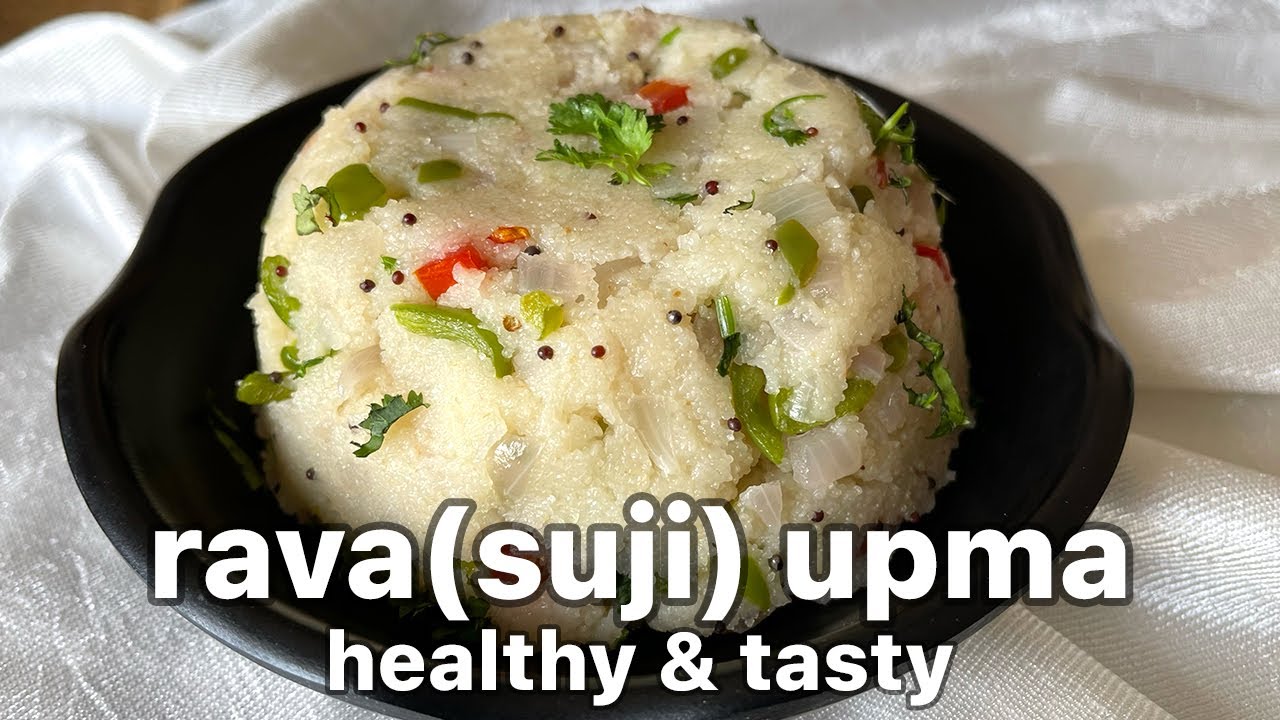
Easy Upma Recipe – for Breakfast
Cuisine
Indian · South Indian
Prep + Cook Time
30 Minutes
Difficulty Level
Easy

Instant Javvarisi Puttu (Sago Puttu)
Cuisine
Indian · South Indian
Prep + Cook Time
25 Minutes
Difficulty Level
Easy

Quick & Easy Sambar Recipe
Cuisine
Indian · South Indian
Prep + Cook Time
30 Minutes
Difficulty Level
Easy

Authentic South Indian Sambar Recipe
Cuisine
Indian · South Indian
Prep + Cook Time
45 Minutes
Difficulty Level
Easy
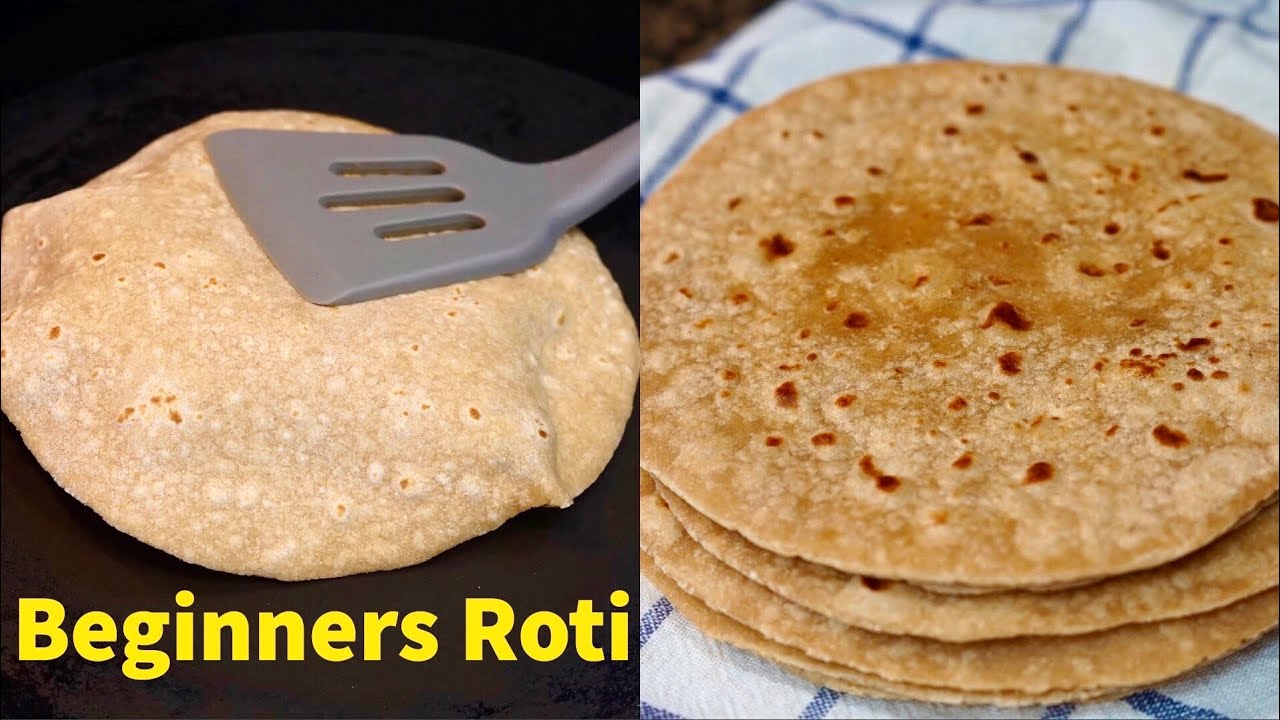
How to make soft Roti/Chapati/Phulka on an electric stove
Cuisine
Indian · North Indian
Prep + Cook Time
50 Minutes
Difficulty Level
Medium

Vegetable Cheese Sandwich - Quick & Easy
Cuisine
Indian · Snack
Prep + Cook Time
45 Minutes
Difficulty Level
Comments (0)
Sign in to leave a comment on this recipe.
Loading comments...