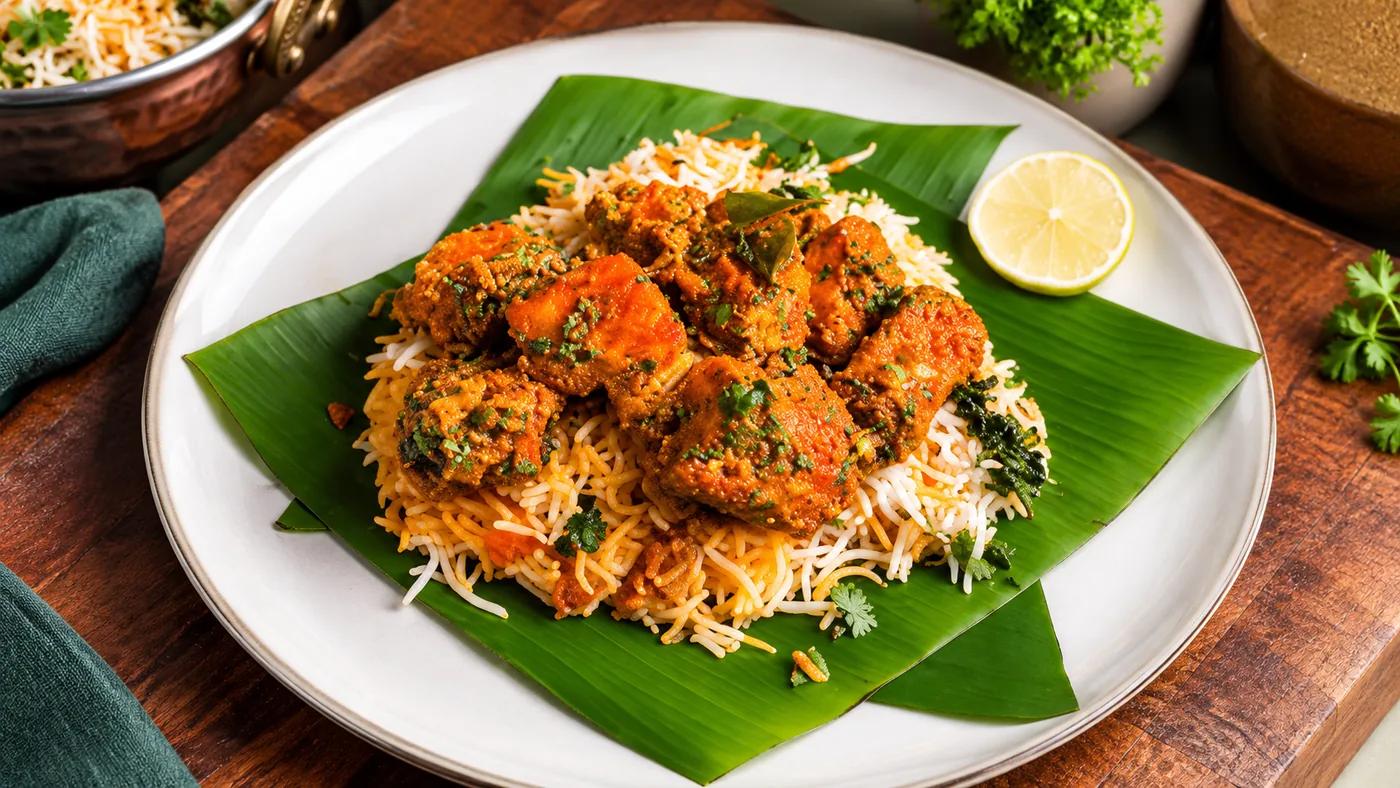
From a reported Koramangala beginning to the paneer biryani on today’s menu, explore Meghana Foods’ place in Bengaluru’s biryani scene and cook an independent inspired version at home.
In Bengaluru, biryani menus rarely stop at one style. Andhra restaurants, dum kitchens and neighbourhood takeaways sit alongside one another, and Meghana Foods has become a familiar name in that crowded field. Its paneer biryani brings the restaurant’s Andhra-inspired, spice-forward identity to a vegetarian plate.
The story is easier to tell honestly when the public record is kept in view: the restaurant’s own history is not clearly documented online, and published accounts disagree on its opening year. What can be checked is more useful than a polished origin myth: a Koramangala beginning is reported, Andhra cuisine is central to its public identity, and its menu describes paneer biryani as paneer cooked with a house spice blend.
The Bengaluru story, with the dates kept in perspective
A 2024 report by The News Minute says Meghana Foods was established in Bengaluru in 2006 and originally hails from Hyderabad. A separate hospitality-industry profile gives 2009 as the opening year. With no accessible first-party timeline to settle the difference, this article leaves the exact year open rather than turning one report into certainty. Both accounts place the brand in the city’s restaurant landscape, and the news report identifies Koramangala as its early Bengaluru base.
That neighbourhood detail matters because Meghana Foods is part of a wider Bengaluru dining story: regional restaurant cooking has long been part of the city’s everyday choices. Andhra-style restaurants offer another distinct option among the city’s many biryani traditions. A feature in Condé Nast Traveller India describes Bengaluru as a place where regional influences have made room for several biryani styles, including spicy Andhra preparations and dum-cooked versions. Meghana Foods’ own menus reinforce that association by describing its biryanis around Andhra spices.
How Meghana Foods became known for biryani
There is no single verified account of a turning point or one secret to the restaurant’s popularity. The more grounded explanation is its clear menu identity: biryani is a core draw, the brand operates across several Bengaluru neighbourhoods, and its menu spans chicken, mutton and vegetarian versions. The News Minute’s 2024 report noted outlets in Koramangala, Jayanagar and Indiranagar. Current delivery listings also show a range of Meghana Foods branches and biryani options, a visible sign of how widely the name is available today.
Online listings and customer reviews offer snapshots, not a complete measure of reputation. A Tripadvisor review from 2024, for example, describes its Paneer Biryani as very spicy; that is one diner’s account, not a universal verdict. Taken together, the menu and reported customer interest help explain the restaurant’s recognition without requiring unsupported claims about rankings or sales.
What the paneer biryani tells us
Public menu descriptions for Meghana Foods’ Paneer Biryani say that paneer is marinated in a prepared spice blend, while its special vegetarian biryani description refers to basmati rice, paneer, vegetables and an Andhra spice blend. Those descriptions tell us the broad direction, not the recipe: the exact spice mix, rice method and proportions are proprietary or otherwise unverified.
Paneer gives the cook a different balancing act from meat. It can absorb a coating of masala, but long simmering can make it firm. Rice has to stay distinct enough to carry the spice without becoming wet or heavy. That combination makes a paneer biryani more than paneer pulao: a biryani-style preparation builds seasoning in the masala and rice, then brings the components together. Methods vary, and this description is not a claim about Meghana Foods’ kitchen process.
How to make Meghana-inspired paneer biryani at home
This is an original home-style interpretation inspired by the dish, not an official Meghana Foods recipe. It uses a layered, covered finish so the rice can absorb the masala aroma while the paneer spends less time cooking. Makes 4 servings; allow about 25 minutes to prepare and 35 minutes to cook, plus 20 minutes to soak the rice.
Ingredients
- Paneer marinade: 400 g paneer, cut into large cubes; 1/3 cup plain yogurt; 1 tablespoon ginger-garlic paste; 1 teaspoon Kashmiri chilli powder; 1/2 teaspoon turmeric; 1 teaspoon garam masala; 1/2 teaspoon salt.
- Rice: 2 cups basmati rice, rinsed and soaked for 20 minutes; 1 bay leaf; 3 green cardamom pods; 4 cloves; 1 small cinnamon stick; salt for the water.
- Masala: 2 tablespoons oil; 1 tablespoon ghee; 2 medium onions, thinly sliced; 2 green chillies, slit; 2 medium tomatoes, chopped; 1 teaspoon ground coriander; 1/2 teaspoon cumin powder; 1/2 teaspoon garam masala; 1/2 teaspoon chilli powder, or to taste; 1/3 cup water; salt to taste.
- Finish: 2 tablespoons chopped mint; 2 tablespoons chopped coriander; 1 tablespoon ghee; 2 tablespoons warm milk with a pinch of saffron (optional); 2 tablespoons crisp fried onions (optional).
Method
- Marinate the paneer. Stir together yogurt, ginger-garlic paste, chilli, turmeric, garam masala and salt. Coat the paneer and set aside for 15–20 minutes while preparing the rice. Keep it covered in the refrigerator if your kitchen is warm.
- Parboil the rice. Bring a large pot of salted water to a boil with bay leaf, cardamom, cloves and cinnamon. Drain the soaked rice and boil until the grains are about 70–75% cooked: the outside is tender but the centre still has a slight bite. Drain promptly and remove the whole spices if preferred.
- Build the masala. Heat oil and ghee in a heavy, oven-safe pot with a lid. Cook the onions over medium heat until deep golden, stirring often. Set aside a spoonful for the finish. Add green chillies, then tomatoes and ground spices. Cook until the tomatoes soften and the mixture thickens. Stir in water and taste for salt; the masala should be well seasoned because it will flavour the rice.
- Warm the paneer gently. Fold the marinated paneer into the masala and cook for 2–3 minutes, just until hot and coated. Do not fry it hard. Turn off the heat before layering so the paneer does not overcook during the final steam.
- Layer and finish. Spread the masala evenly in the pot. Add the parboiled rice, then scatter mint, coriander, reserved onion, ghee and optional saffron milk over the top. Cover tightly. Cook on the lowest heat for 12–15 minutes; place a flat griddle under the pot if the base is thin. Turn off the heat and leave covered for 10 minutes.
- Serve carefully. Lift rice from the side of the pot and fold gently so the paneer stays intact. Check that the dish is steaming hot throughout. Serve at once with raita or onion salad.
Small details that make a better batch
- Keep paneer tender: use large cubes, marinate briefly and avoid prolonged frying or simmering.
- Protect the rice: stop boiling while the centre is still firm; the covered finish will cook it further. Drain it as soon as it reaches that stage.
- Thicken the masala first: watery masala makes the lower rice layer soft. Cook off excess moisture before layering.
- Adjust heat in the masala: chilli powders vary. Start with less, taste before assembling, and add more only if needed.
- Rest before serving: the covered rest lets steam settle and makes it easier to lift intact grains.
Raita cools the spices; sliced onion, lemon wedges or a simple salan also work well. These are general serving ideas, not claims about the restaurant’s standard accompaniments. For another FullMeals paneer recipe, try Chilli Paneer.
Frequently asked questions
What is Meghana Paneer Biryani?
It is a vegetarian biryani listed by Meghana Foods, with paneer as the main ingredient. Public menu listings describe paneer cooked with a house spice blend; they do not disclose the full recipe.
Is Meghana Foods’ biryani Andhra-style?
The restaurant is associated with Andhra cuisine in news coverage, and its menu describes its biryani spices as Andhra-style. The exact preparation is not publicly verified.
When did Meghana Foods open in Bengaluru?
Published accounts differ: a 2024 news report says 2006, while a hospitality profile says 2009. We have not found a first-party history that resolves the difference.
Can I make a Meghana-inspired paneer biryani at home?
Yes. The recipe above is an independent home interpretation that uses paneer, spiced masala and basmati rice. It is not the restaurant’s official formula and will not reproduce it exactly.
How is paneer biryani different from paneer pulao?
There is no single rule across every kitchen, but biryani commonly develops rice and masala in separate stages before layering or finishing them together. Pulao often cooks rice directly with its seasoning in one pot.
How do I keep paneer soft?
Use larger cubes, marinate briefly, and avoid crisping or simmering the paneer for a long time. Add it near the end of the masala stage so the covered finish is short.
The restaurant’s exact founding date, proprietary spice blend and cooking method remain unconfirmed here. The recipe above belongs to FullMeals and is offered as a home cook’s interpretation.