Soft and Fluffy Roti/Chapati
Main Ingredients
Step-by-Step Instructions
Follow each step to make the recipe successfully.
Combine Flour and Butter
Add 1 cup of medium chapati flour and 1 cup of organic white bread flour to a bowl. Add about a tablespoon of butter to the flour. Rub the butter into the flour using your hands until it resembles fine breadcrumbs and is well distributed.
Add Hot Water and Mix
Pour 1 cup of boiling water into the flour and butter mixture. Use a spoon to mix the hot water into the flour until it forms a shaggy dough. The boiling water helps to denature the gluten, making the dough softer.
Rest the Dough
Cover the bowl with a plate and let the dough rest until it is cool enough to handle. This allows the flour to fully absorb the water and the dough to relax.
Knead the Dough
Once cooled, the dough by hand on a clean work surface. The dough may feel damp initially, but continue until all moisture is combined and it forms a nice, smooth ball. Unlike bread dough, you don't need to for a long time.
Form Dough Balls
Roll the dough into a log shape. Use a dough scraper or knife to cut the log into 8 equal pieces. Roll each piece into a smooth, round dough ball. Aim for about 70 grams per ball for easier handling, especially if you are a beginner.
Preheat Tawa/Skillet
Preheat your tawa or skillet over a medium heat. It should be warm, but not excessively hot or cold. You can test the heat by carefully placing your hand over it.
Roll Out Roti
Take the first dough ball you made. Flatten it out slightly with your hands on a floured surface. Dust with extra flour if needed. Gently roll out the roti using a rolling pin, ensuring it is about 1-2mm thick and has an even thickness all around. Don't worry about the shape; focus on evenness.
Cook Roti on Gas Hob (Open Flame)
Place the rolled-out roti onto the preheated tawa. Wait for the color to slightly change and dark spots to start forming on the bottom side (approximately ). Quickly flip the roti over. Once the second side has some dark spots, transfer the roti to a wire rack held over an open gas flame. Gently keep the roti moving over the flame until it puffs up completely. The butter in the dough helps with this lamination and puffing process.
Cook Roti on Electric Hob (Tawa)
If using an electric hob, place the rolled-out roti on the preheated tawa. Wait for the color to slightly change and small bubbles to form on the bottom side. Flip the roti over. the heat to medium-low. Gently press the roti with a clean tea towel to encourage it to puff up. Be careful of the hot . Continue pressing and flipping as needed until the roti is fully puffed and cooked.
Butter and Serve
Once cooked, you can optionally butter the roti while it's still warm. This adds flavor and keeps it soft. Serve immediately with your favorite vegetable curry or dal.
Before You Cook
Helpful details before you startIngredient SubstitutionsMissing something? View suitable alternatives.View 1 swap
No Butter?
- 3/4 the amount of olive oil (for cooking, not baking)
- Equal parts ghee — Slightly nuttier flavor.
- Equal parts coconut oil (in baking)
Variations
Simple ways to adapt this recipe.
- You can use any combination of flours (e
G., brown flour, medium flour, white flour) according to your preference.
Helpful Tips
Small details that can improve the final result.
More from Salan Roti
Other recipes converted from Salan Roti's cooking videos.

Foolproof Soft & Puffy Roti (Chapati) Recipe
Cuisine
South Asian
Prep + Cook Time
40 Minutes
Difficulty Level
Medium
How to make the softest roti that puffs up perfectly | Salan Roti
Cuisine
South Asian · Indian
Prep + Cook Time
40 Minutes
Difficulty Level
Medium

Bombay Aloo – Bold and Layered
Cuisine
Indian · North Indian
Prep + Cook Time
50 Minutes
Difficulty Level
Medium
You might also like
Other recipes in the same cuisine, meal type, or style — ready to cook whenever you are.

Crispy Fried Onions
Cuisine
South Asian
Prep + Cook Time
35 Minutes
Difficulty Level
Easy

Traditional Indian Roti
Cuisine
Indian · North Indian
Prep + Cook Time
40 Minutes
Difficulty Level
Medium

Roti (Indian Flatbread) – Easy 2-Ingredient Recipe
Cuisine
Indian
Prep + Cook Time
1 hr
Difficulty Level
Easy

Easy Chapati (Roti Bread)
Cuisine
Indian
Prep + Cook Time
25 Minutes
Difficulty Level
Easy

Rotli – Indian Flatbread
Cuisine
Indian · North Indian
Prep + Cook Time
45 Minutes
Difficulty Level
Medium
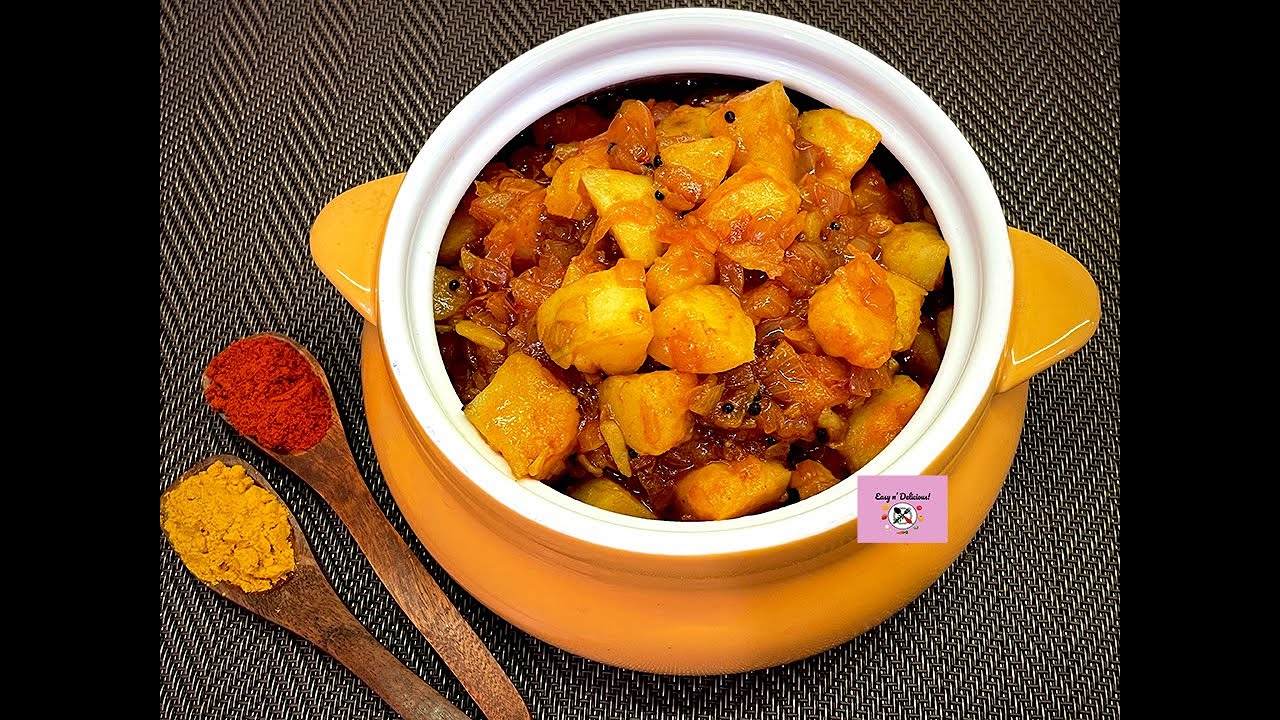
Batata Soong - Marathi Recipe
Cuisine
Indian · Marathi
Prep + Cook Time
40 Minutes
Difficulty Level
Comments (0)
Sign in to leave a comment on this recipe.
Loading comments...