
Easy 2-Ingredient Roti (Indian Flatbread)

Main Ingredients
Step-by-Step Instructions
Follow each step to make the recipe successfully.
Combine Flour and Salt
Add 2 cups of whole wheat flour to a large mixing bowl. Mix in 1/4 teaspoon of salt (optional).
Form the Dough
Slowly mix about 3/4 cup of warm water with the flour using your hands. Only add as much water as is needed to bring the dough together; if you need a bit more, add just a teaspoon at a time.
Knead the Dough
the dough in the bowl for until it is smooth, pliable, and lightly springs back when you press an indent.
Rest the Dough
Rub about 1 teaspoon of neutral oil in a clean bowl, place the dough in it, and allow it to rest covered with a damp cloth for .
Portion the Dough
After , gently the dough a couple of times. Then, slice the dough into at least 8 equal portions.
Roll Dough Balls
Roll each portion into a smooth ball using your palm on a flat surface. Keep the other dough balls covered so they don't dry out as you work.
Heat the Pan
Heat a non-stick skillet or cast-iron skillet (tawa) over medium to medium-high heat until it is hot. You want your pan to be hot before you put any roti dough on it, so the roti starts cooking immediately, but not so hot that it burns.
Roll Out Roti
As your pan heats up, lightly flour a surface, flatten one dough ball, and roll it into a thin circle of roughly 6 to 7 inches in diameter. The dough should not be sticky and should move easily on the floured surface. You can flip the dough back and forth as needed to get a nice circular shape.
Cook First Side
With your pan ready, place the rolled roti on the pan and cook for about until you start seeing the dough drying out and bubbling.
Cook Second Side
Flip the roti to the second side and continue cooking for . The first side should have some nice brown spots.
Encourage Puffing
A great roti will start puffing up. If it isn't, you can press on the sides of the dough with a spatula or a cloth to encourage to build up and get the puffing started. Flip the dough back and forth between both sides as needed.
Remove and Butter
Once the roti is cooked through, remove it from the heat. The roti will deflate once off the heat. (Optional) Immediately spread some vegan butter over the hot roti.
Keep Warm and Repeat
Keep your finished roti covered so it doesn't harden while you repeat the process with the other balls of dough.
Before You Cook
Helpful details before you startIngredient SubstitutionsMissing something? View suitable alternatives.View 1 swap
No Butter?
- 3/4 the amount of olive oil (for cooking, not baking)
- Equal parts ghee — Slightly nuttier flavor.
- Equal parts coconut oil (in baking)
Variations
Simple ways to adapt this recipe.
- Use atta flour instead of allIngredient swap
Purpose whole wheat flour for an even softer and more pliable roti.
- Add a quarter teaspoon ofCustomise
Add a quarter teaspoon of salt for enhanced flavor, especially if eating the roti plain.
- Spread vegan butter or gheeDietary option
Spread vegan butter or ghee on the hot roti immediately after cooking for added richness.
Helpful Tips
Small details that can improve the final result.
More from Kathryn Alexandre
Other recipes converted from Kathryn Alexandre's cooking videos.

You might also like
Other recipes in the same cuisine, meal type, or style — ready to cook whenever you are.
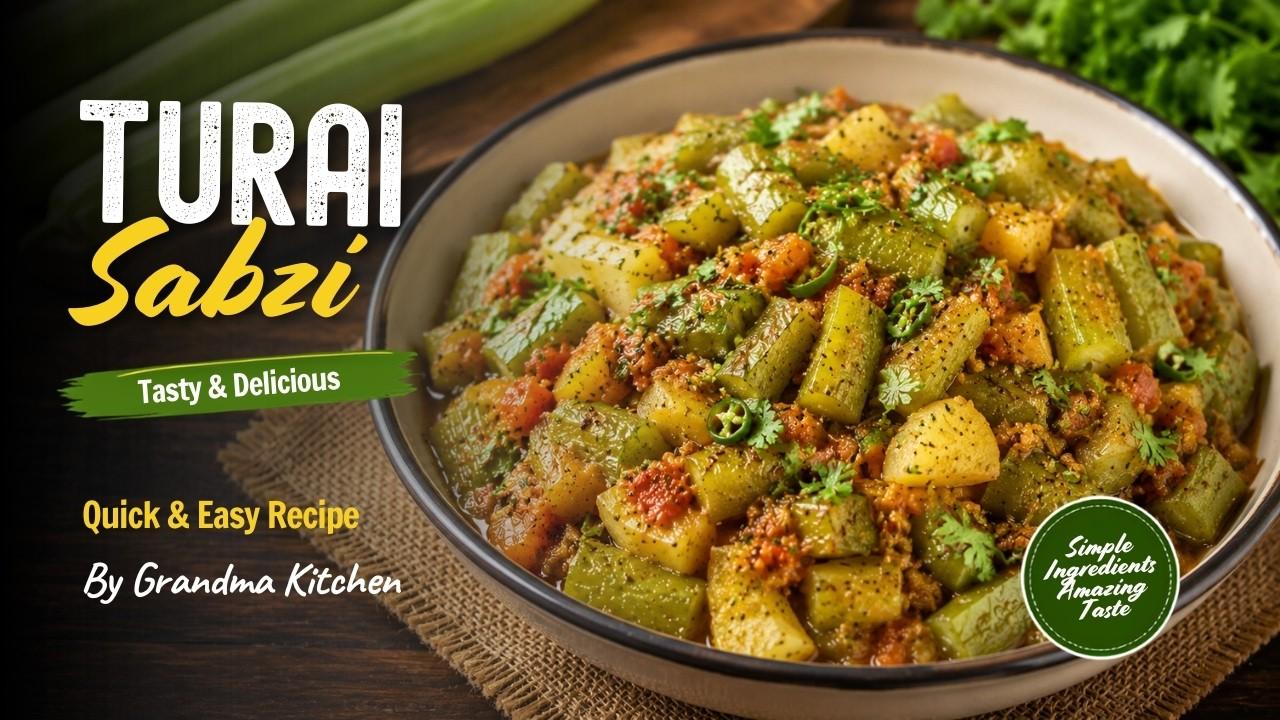
Ram Tori Sabzi (Turai Dabzi)
Cuisine
Indian · North Indian
Prep + Cook Time
50 Minutes
Difficulty Level
Medium

Spicy Fish Fry (Meen Varuval) - Tawa Fried
Cuisine
Indian · South Indian
Prep + Cook Time
1 hr
Difficulty Level
Easy

Creamy Green Curry with White Beans and Tofu
Cuisine
Indian
Prep + Cook Time
35 Minutes
Difficulty Level
Easy

Aloo Matar - Indian Potato and Peas Curry
Cuisine
Indian · North Indian
Prep + Cook Time
50 Minutes
Difficulty Level
Easy

Milk Cake – Home Cooking
Cuisine
Indian · North Indian
Prep + Cook Time
7 hr 15 min
Difficulty Level
Medium
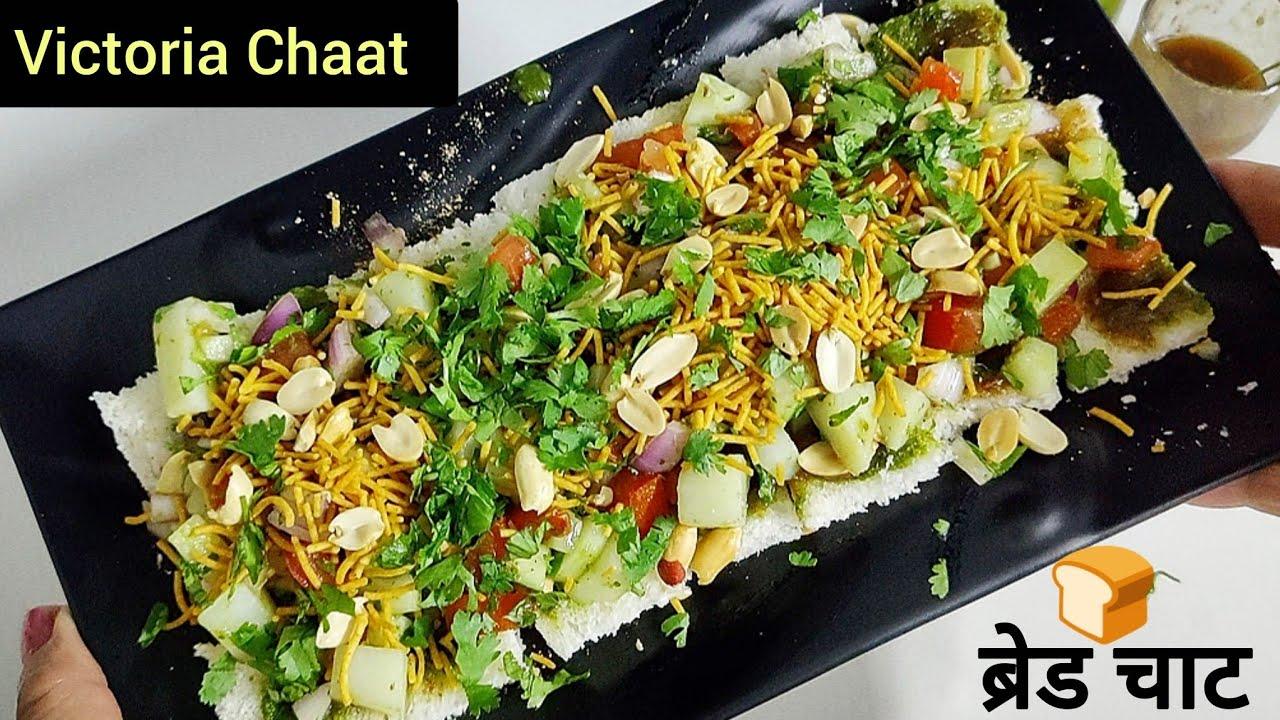
Victoria Chaat - Kolkata's Famous Fireless Chaat
Cuisine
Indian · Street Food
Prep + Cook Time
15 Minutes
Difficulty Level
Comments (0)
Sign in to leave a comment on this recipe.
Loading comments...