
Sambar Dal – South Indian Classic
For Cooking Dal
For Sambar Base
For Final Tempering (Tadka)
For Garnish
Step-by-Step Instructions
Follow each step to make the recipe successfully.
Prepare the Dal
Rinse 0.5 cup of Toor Dal thoroughly. Add the rinsed dal to a pressure cooker (or Instant Pot). Add 1 teaspoon of turmeric powder, 1 teaspoon of salt, and 1.5 cups of hot water. Close the lid and pressure cook for . If using a stovetop pressure cooker, allow it to come to full pressure on high heat, then lower the heat to low and cook for . Allow all pressure to release naturally before opening the lid. Once cooked, mash the dal well with the back of a ladle until it has a smooth, creamy consistency.
Start the Sambar Base
Heat a pot over medium heat and add 1 tablespoon of oil. Once the oil is hot, lower the heat and add 1 teaspoon of black mustard seeds. Allow them to splutter (you can cover the pot to prevent splattering). Once the mustard seeds have spluttered, add 0.5 teaspoon of cumin seeds and 0.25 teaspoon of fenugreek seeds (methi). Be careful not to let the fenugreek seeds turn too dark, as they will become bitter.
Sauté Onions and Tomatoes
Immediately add 8-10 small onions (or 1 large regular onion, chopped) to the pot. Add 0.5 teaspoon of asafoetida (hing), if using. Fry the onions on medium heat for a little bit until they start to soften. Then, add 1 medium chopped tomato and continue to .
Add Hard Vegetables and Spices
Add the hard vegetables: 0.5 cup chopped pumpkin (or butternut squash), 0.5 cup chopped daikon radish, 0.5 cup chopped carrots, and 1-2 chopped drumsticks (approx. 0.5 cup). Stir them well. Add 0.25 teaspoon of turmeric powder, 0.25 teaspoon of Kashmiri red chili powder (optional), and 1.5 tablespoons of sambar powder. Give everything a quick stir to combine the spices with the vegetables. Add 1.5 cups of hot water, cover the pot, and cook on medium heat until the vegetables are half-cooked.
Add Eggplant and Continue Cooking
Once the vegetables are half-cooked, add 0.5 teaspoon more salt and 0.5 cup chopped eggplant to the pot. Cover again and continue to cook on medium heat until all the vegetables are soft.
Prepare Tamarind Concentrate
While the vegetables are cooking, take 1 heaped teaspoon of tamarind concentrate and add 2 tablespoons of hot water to it. Mix well to dissolve the concentrate.
Combine Dal and Flavorings
Once the vegetables are soft, add the cooked and mashed dal to the pot. Rinse out the pressure cooker insert with a splash of water and add that to the dal as well. Pour in the prepared tamarind concentrate. Add 2 teaspoons of jaggery (or light brown sugar/regular sugar) for a hint of sweetness. Stir everything thoroughly to combine. Add 0.5 cup chopped green beans and tear a few curry leaves (5-6 leaves) directly into the dal. Cover the pot and cook on medium heat for another to allow the flavors to meld.
Perform Final Tempering (Tadka)
In a separate small pan (tadka pan), heat 2 teaspoons of ghee (or oil) over medium heat. Once the ghee is hot, add 0.25 teaspoon of mustard seeds. Let them splutter. Then add 0.25 teaspoon of cumin seeds and 3-4 dry red chilies. Finally, add a few more curry leaves (5-6 leaves) and let them sizzle. Immediately transfer this hot, sizzling into the Sambar Dal.
Garnish and Serve
Stir the into the dal. Garnish with 2 tablespoons of freshly chopped coriander leaves. Your Sambar Dal is now ready to be served. It can be stored in portions in the fridge for about 4-5 days or frozen for longer storage.
Before You Cook
Helpful details before you startIngredient SubstitutionsMissing something? View suitable alternatives.View 7 swaps
No Onion?
- 1 tbsp onion powder (per medium onion)
- 3 tbsp dried minced onion
- Shallots or leeks (1:1)
No Asafoetida (hing)?
- 1/4 tsp garlic powder + 1/4 tsp onion powder
No Tamarind paste?
- 1 tbsp lime juice + 1 tbsp brown sugar (per 1 tbsp paste)
- Pomegranate molasses (1:1)
No Jaggery?
- Dark brown sugar (1:1)
- Muscovado sugar (1:1)
No Curry leaves?
- 1 bay leaf + a pinch of lemon zest — Aroma only — flavor is unique.
No Ghee?
- Unsalted butter (1:1)
- Neutral oil (1:1, lacks the toasted note)
No Cilantro?
- Flat-leaf parsley (1:1, milder)
- Fresh mint (in chutneys, salads)
Storage & Leftovers
Keep your leftovers fresh and ready to enjoy.
- FreezeUp to 5 days
It can be stored in portions in the fridge for about 4-5 days or frozen for longer storage.
Variations
Simple ways to adapt this recipe.
- Feel free to use any
Feel free to use any vegetables of your choice, avoiding green bell peppers or cabbage.
- Substitute jaggery with light brownIngredient swap
Substitute jaggery with light brown sugar or regular sugar for sweetness.
- Lemon juice can be usedIngredient swap
Lemon juice can be used as a substitute for tamarind concentrate.
Helpful Tips
Small details that can improve the final result.
More from Curries With Bumbi
Other recipes converted from Curries With Bumbi's cooking videos.

Red Lentil Curry (Masoor Dal Tarka)
Cuisine
Indian · North Indian
Prep + Cook Time
45 Minutes
Difficulty Level
Easy
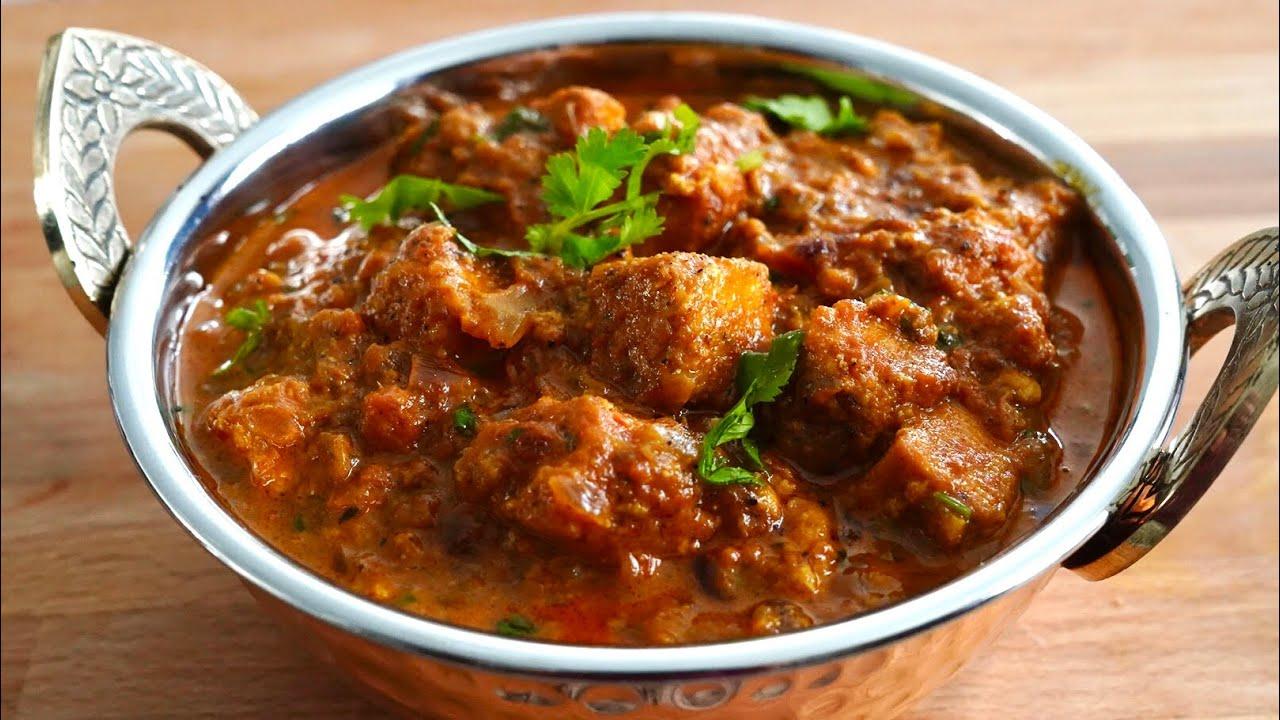
Easy Paneer Curry – North Indian Style
Cuisine
Indian · North Indian
Prep + Cook Time
45 Minutes
Difficulty Level
Easy
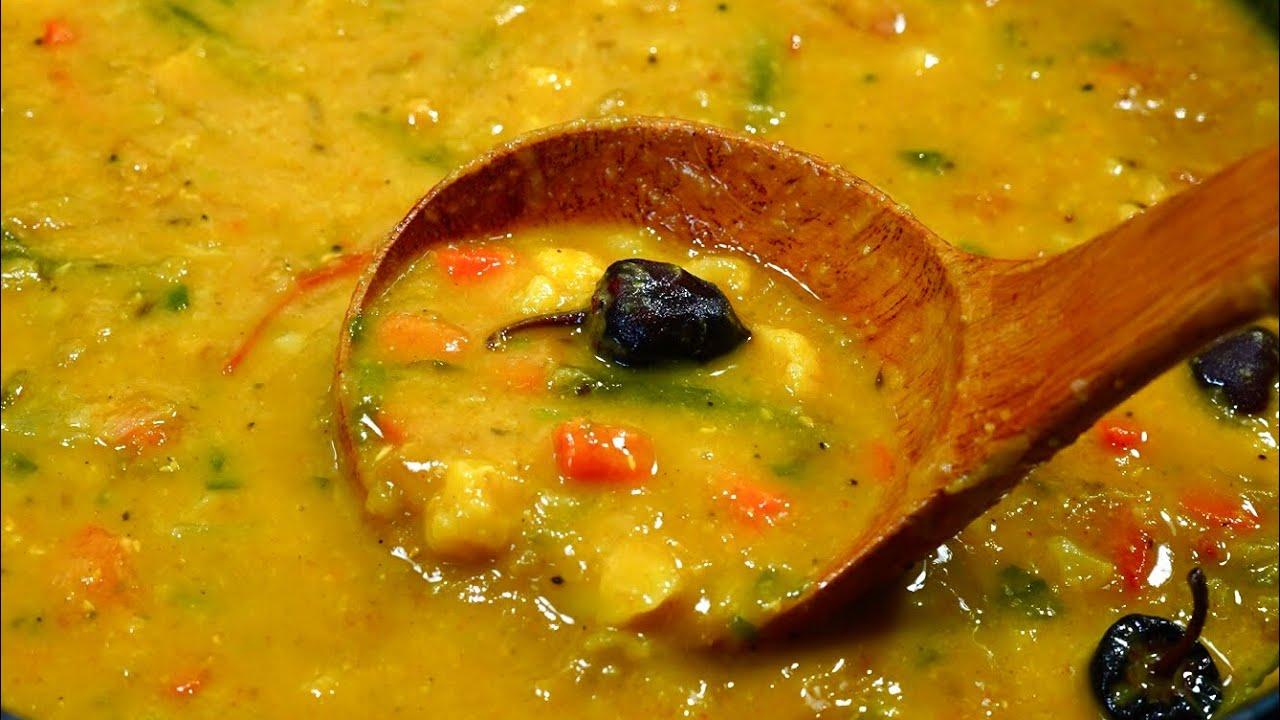
Vegetable Dal (Lentil Curry) with Tarka – Indian Style
Cuisine
Indian · Bengali
Prep + Cook Time
1 hr
Difficulty Level
Medium
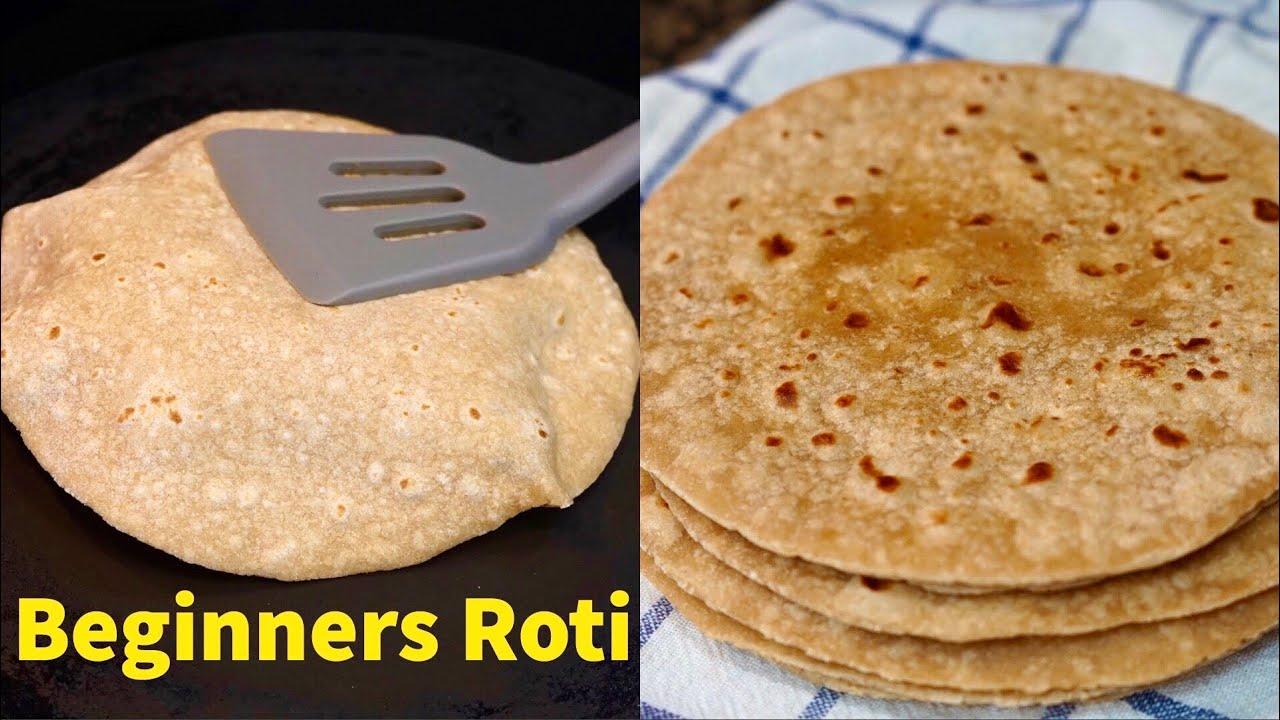
How to make soft Roti/Chapati/Phulka on an electric stove
Cuisine
Indian · North Indian
Prep + Cook Time
50 Minutes
Difficulty Level
Medium
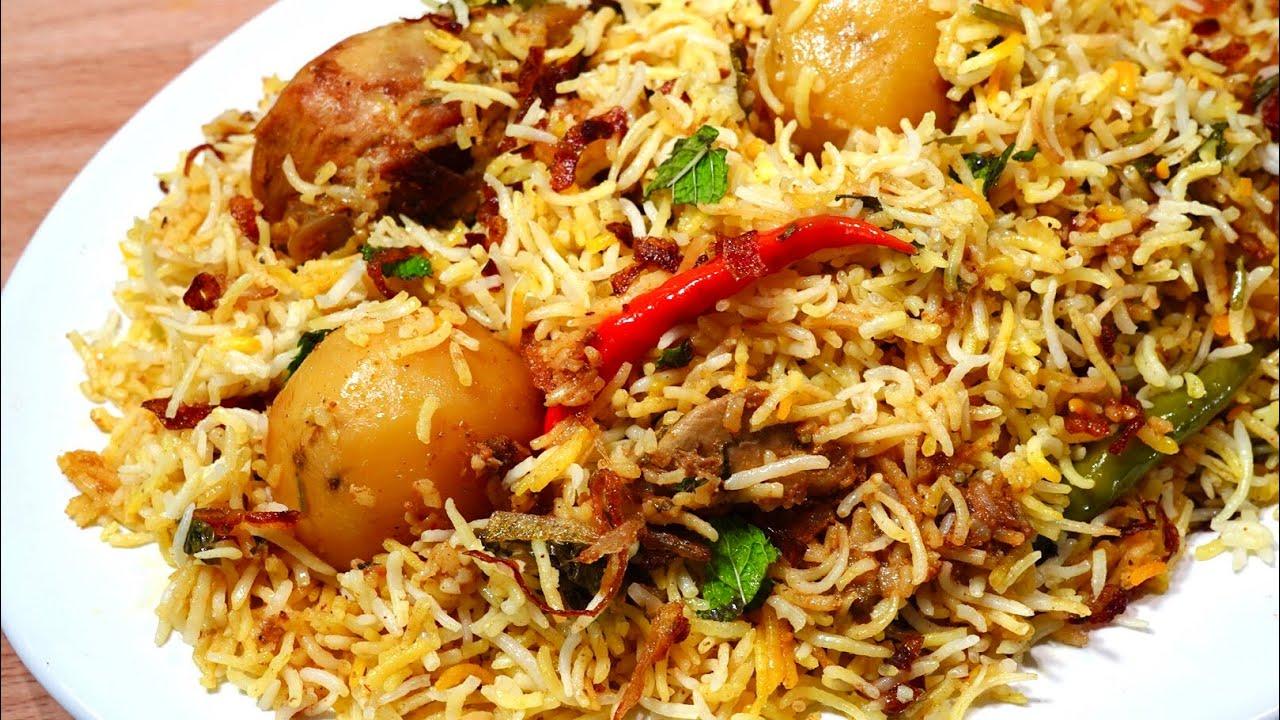
Chicken Biryani - Restaurant Style
Cuisine
Indian · Mughlai
Prep + Cook Time
2 hr 15 min
Difficulty Level
Medium
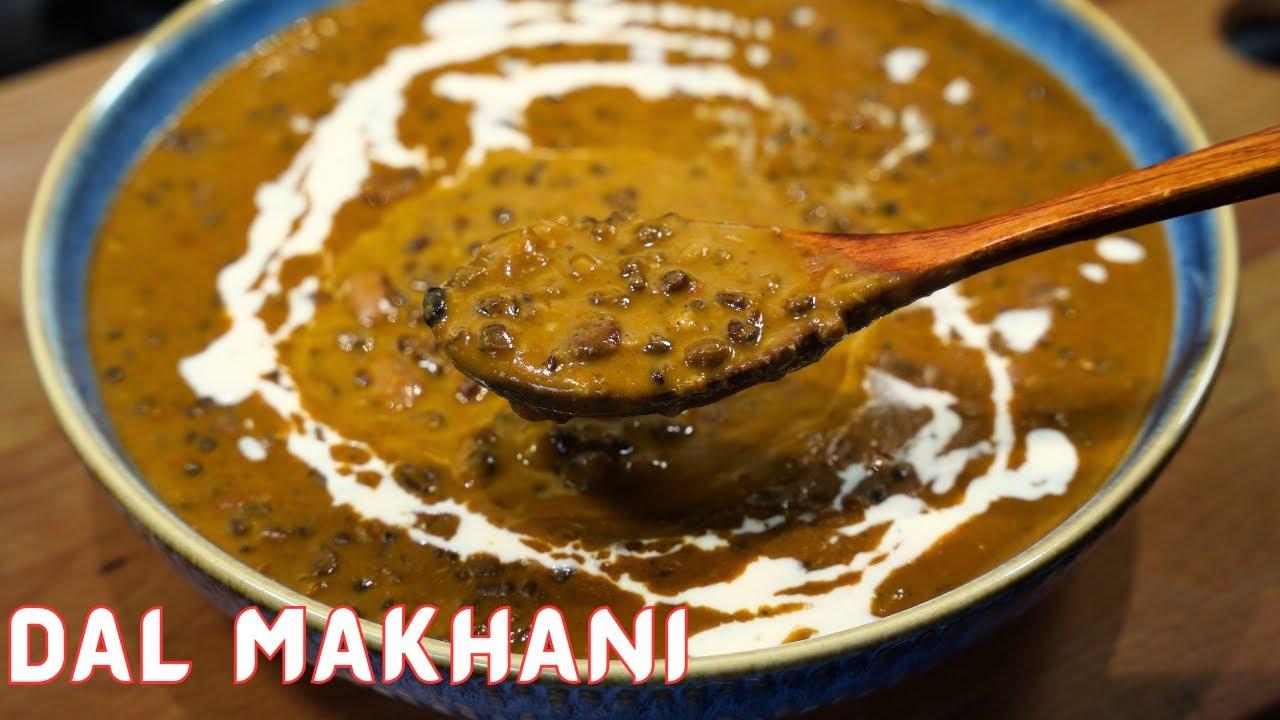
Dal Makhani – Punjabi Style
Cuisine
Indian · North Indian
Prep + Cook Time
1 hr 15 min
Difficulty Level
Medium
You might also like
Other recipes in the same cuisine, meal type, or style — ready to cook whenever you are.
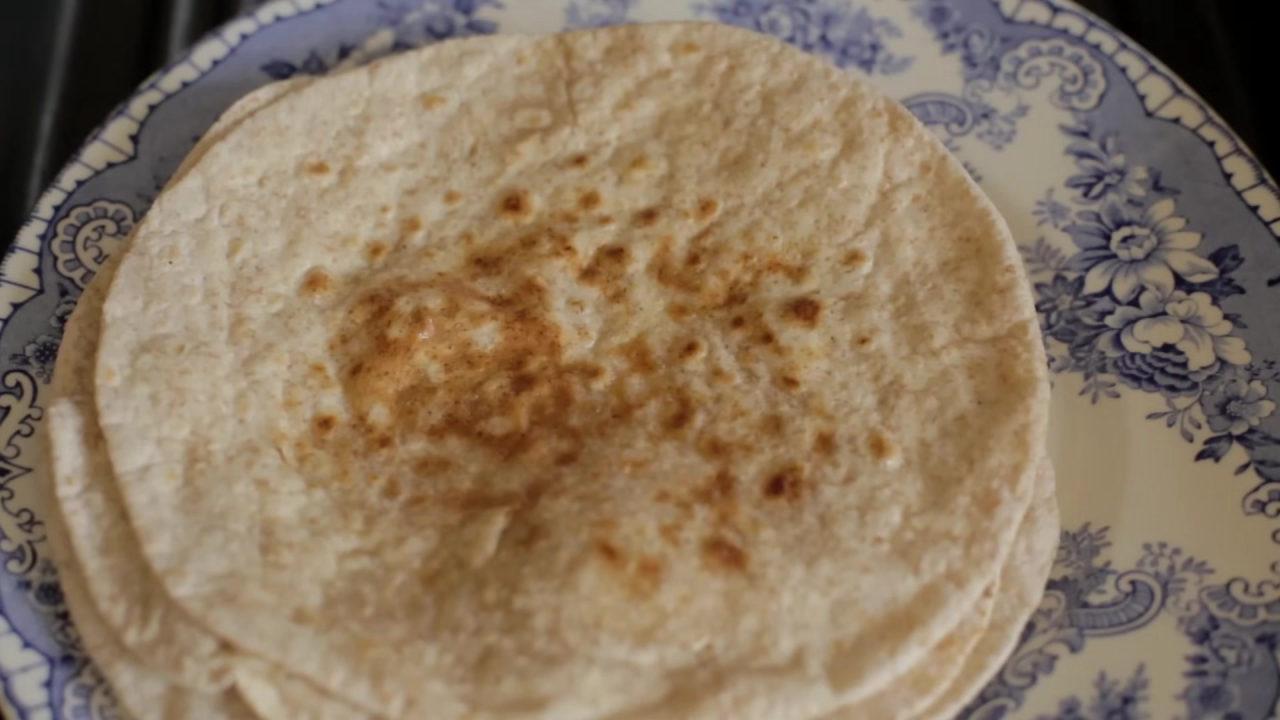
Homemade Soft Chapati – Indian Flatbread
Cuisine
Indian · North Indian
Prep + Cook Time
35 Minutes
Difficulty Level
Easy
Empty Salna – Madras Samayal Style
Cuisine
Indian · South Indian
Prep + Cook Time
45 Minutes
Difficulty Level
Medium
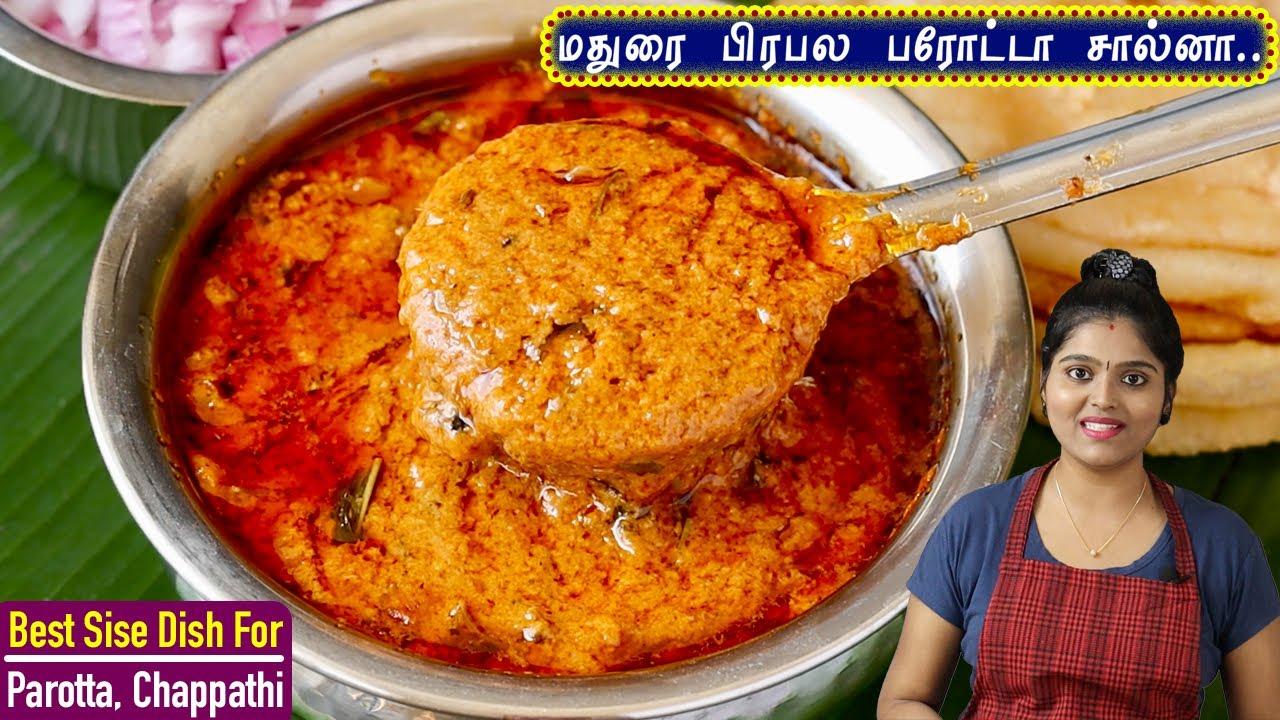
Parotta Salna – South Indian Style
Cuisine
Indian · South Indian
Prep + Cook Time
40 Minutes
Difficulty Level
Medium
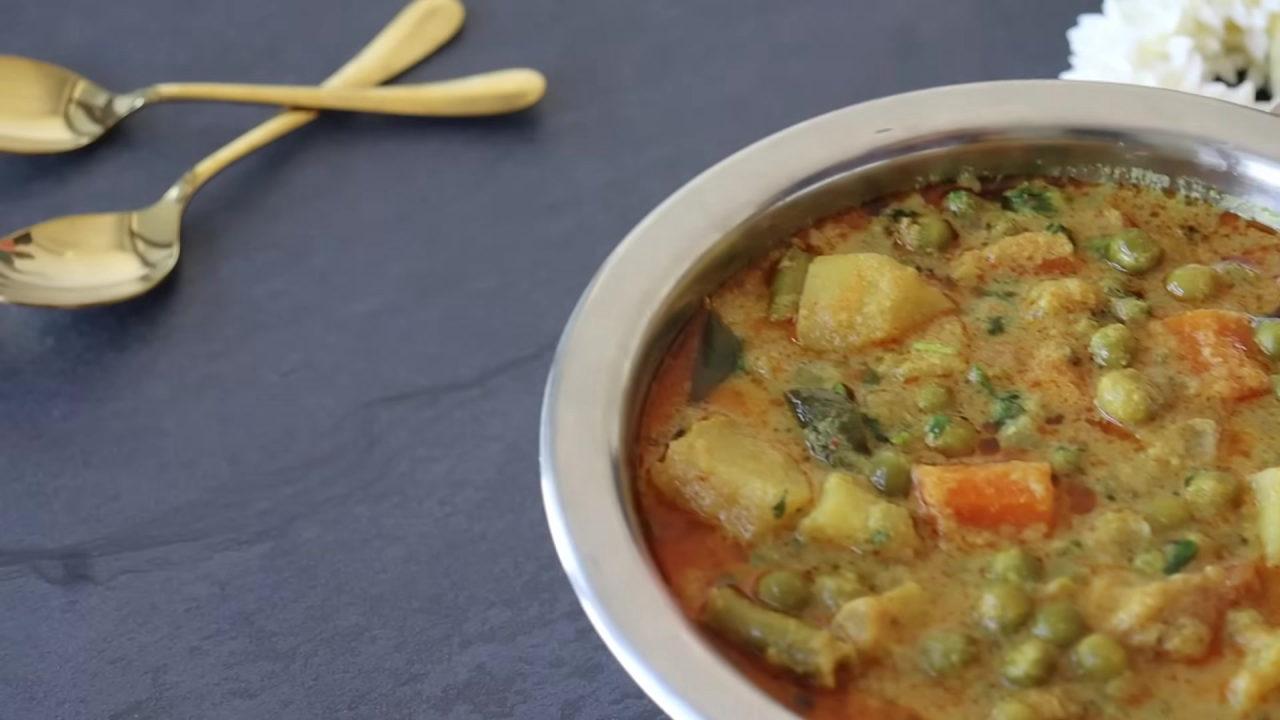
Vegetable Kuruma - South Indian Style
Cuisine
Indian · South Indian
Prep + Cook Time
45 Minutes
Difficulty Level
Easy
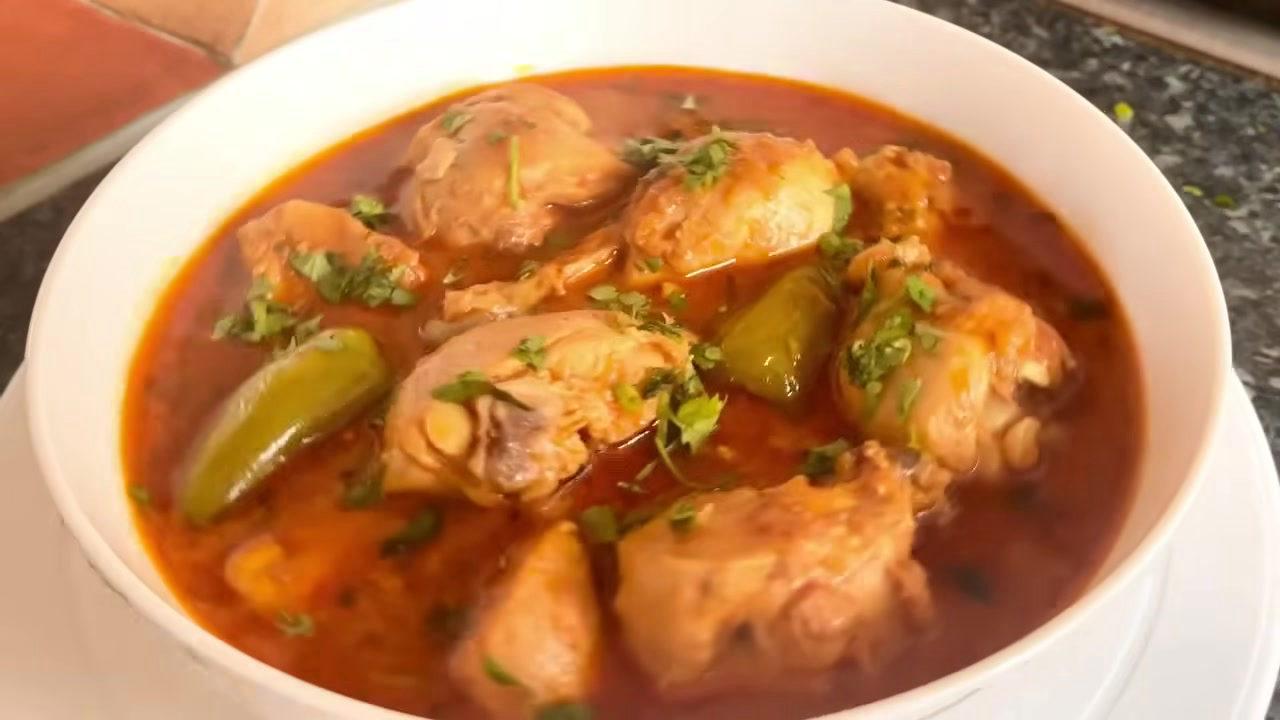
Delicious Chicken Curry
Cuisine
Indian · North Indian
Prep + Cook Time
1 hr 30 min
Difficulty Level
Medium
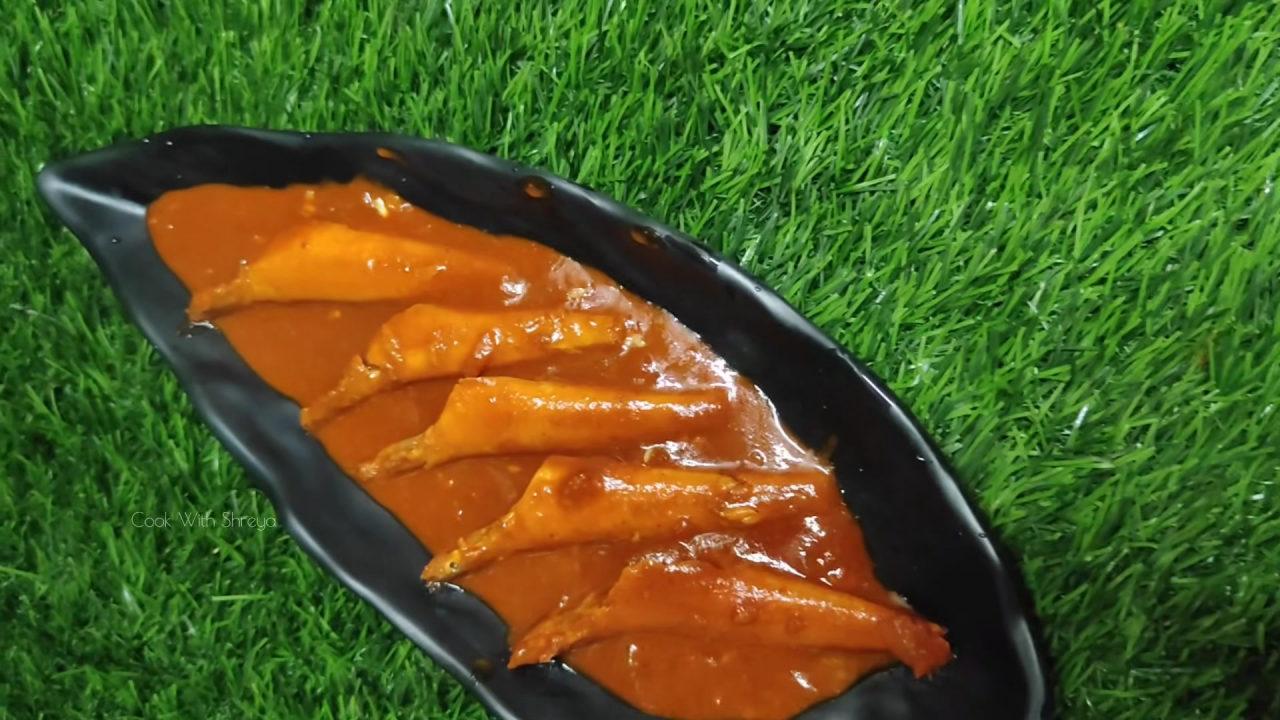
Kaane Meenina Puli Munchi (Ladyfish Curry) – Tulu Nadu Special
Cuisine
Indian · South Indian
Prep + Cook Time
35 Minutes
Difficulty Level
Comments (0)
Sign in to leave a comment on this recipe.
Loading comments...