
Chicken Biryani - Restaurant Style
For Ginger-Garlic Paste
For Chicken Marinade
For Onions
For Saffron Milk
For Food Color (Optional)
For Rice
For Chicken Curry
For Layering
For Raita
Step-by-Step Instructions
Follow each step to make the recipe successfully.
Prepare Ginger-Garlic Paste
Combine ginger, garlic, green chili (optional), and 1/3 cup water in a blender jar. Blend until a smooth paste is formed. If the paste is not fine enough, add a little more water and blend again.
Prepare Biryani Masala and Whole Spices
Separate the whole spices (cardamom, cloves, cinnamon) from the Shan Biryani Masala mix. Place these whole spices into a tea strainer or cheesecloth pouch. The remaining powdered masala will be used for the marinade.
Prepare Chicken Marinade
In a large bowl, combine plain unflavored yogurt, 1.5 tbsp Kashmiri red chili powder, 1 tsp turmeric powder, 1 tbsp ground coriander, 2-3 tbsp Shan Biryani Masala, 1 tsp salt, and 1 tbsp oil. everything together until a smooth, consistent paste is formed.
Marinate the Chicken
Add the chicken pieces (thighs and drumsticks with bones, cut into large pieces) to the marinade. Add 1/4 cup chopped coriander leaves and 1/4 cup torn mint leaves. Finally, add the freshly prepared ginger-garlic paste. Mix everything thoroughly with your hands, ensuring all chicken pieces are well coated. Let it for to .
Prepare Onions for Frying
Slice 2 large onions, ensuring they are not too thin or too thick for even browning. Add 1 tsp of salt to the sliced onions and mix well. Let them sit for to draw out moisture. Before frying, squeeze out as much water as possible from the onions.
Prepare Saffron Milk
Crush a pinch of saffron strands in a mortar and pestle. Add the crushed saffron to 1/4 cup warm milk along with 2 tsp of Kewra water (or a few drops of Kewra essence, or rose water). Stir and set aside.
Prepare Food Color (Optional)
In a small bowl, mix a pinch of yellow food color and a pinch of red food color with 2 tbsp of water. Stir until dissolved. This is an optional step for visual appeal.
Prepare Basmati Rice
Rinse 3 cups of basmati rice several times under running water until the water runs clear. This removes excess starch and prevents stickiness. Soak the rice for exactly . After , drain all the water.
Fry the Onions
Heat 1/2 cup of oil in a large, heavy-bottomed, wide pot over medium heat. The oil should be just warm, not too hot, to allow for gradual browning. Add the squeezed, sliced onions to the warm oil. Stir frequently on medium-high heat. Once the edges start to brown, the heat to medium and stir continuously until the onions turn a beautiful golden brown. Do not let them turn dark chocolatey brown, as they will become bitter. Skim off the excess oil from the fried onions and place them on a plate lined with paper towels. Use a fork to immediately loosen them. Press lightly with another paper towel to absorb any remaining oil.
Cook the Chicken Curry
Place the pot back on medium heat. Add the chicken to the pot. Add 2 bay leaves. Stir the chicken on high heat for until the juices come to a boil. After , add the peeled and halved potatoes. Stir well. Add 1 tsp of garam masala powder. Put the lid on and on low heat for .
Boil the Rice
In a separate large pot, bring a generous amount of water to a boil. Add the whole spices (from the tea strainer), 1 heaped tsp of Shahi Jeera, and 2 dry bay leaves to the boiling water. Add 1 tbsp of oil and 1 tbsp of vinegar to the water to prevent rice from sticking and breaking. Add 1 tbsp of salt. Once the water is boiling vigorously, add the drained basmati rice. Keep the heat high initially. Once the water starts bubbling up again, lower the heat to medium. Stir gently from time to time. Start tasting the rice frequently. Cook until the rice is 70% done; it should be slightly chewy but not pasty when pressed. This usually takes about after adding the rice.
Drain the Rice
Once the rice is 70% cooked, turn off the heat. Carefully drain the rice using a large colander. Discard the bay leaves. Gently spread out the rice with a fork to prevent it from clumping.
Prepare Chicken for Layering
Check the chicken curry. The potatoes should be soft, and the chicken perfectly cooked. Do not overcook the chicken as it will be again. Skim off any excess oil from the top of the chicken curry and set it aside; this oil will be used for layering.
Layer the Biryani
Add half of the fried brown onions to the chicken curry. Loosely scatter half of the cooked rice over the chicken. Sprinkle some chopped coriander and mint leaves over the rice. Add the remaining cooked rice, followed by the rest of the chopped coriander and mint leaves. Sprinkle 1 tbsp of biryani masala over the rice. Drizzle the saffron milk mixture evenly over the rice. Make small holes on the surface of the rice with a spoon and add the prepared food colors into these holes. Drizzle the skimmed oil (or melted ghee) over the rice. Squeeze 1 tbsp of lemon juice over the top. Finally, scatter the remaining fried brown onions over the top layer.
Dum Cook the Biryani
Place a tight-fitting lid on the pot. If your lid is not tight, cover the pot with aluminum foil first, then place the lid. Place a flame tamer (or a cast iron pan/any flat metal pan) on the burner. Turn the heat to high and place the biryani pot on top for . After , the heat to the lowest possible setting and continue cooking for another . This method is known as 'dum cooking'.
Rest and Serve
After of dum cooking, turn off the heat and remove the pot from the burner. Allow the biryani to rest, undisturbed, for at least with the lid on. This allows the residual heat to finish cooking the rice and ensures it becomes fluffy. After resting, open the lid. Use a flat spoon to gently loosen the rice from the top, slowly working your way down to mix the layers. Serve the biryani hot. You can de-bone the chicken before serving if preferred.
Prepare Quick Raita
Roast 1 tsp of cumin seeds on low heat in a small pan until fragrant. Grind the roasted cumin seeds coarsely. In a bowl, combine 1/2 cup yogurt, the crushed cumin, 1/2 tsp chaat masala, 1 tsp sugar, 1/4 tsp salt, a pinch of crushed black pepper, and 1 tbsp chopped coriander. Mix everything until smooth. Serve with biryani.
Before You Cook
Helpful details before you startIngredient SubstitutionsMissing something? View suitable alternatives.View 9 swaps
No Garlic (fresh)?
- 1/4 tsp garlic powder (per clove)
- 1/2 tsp garlic granules (per clove)
No Yogurt?
- Sour cream (1:1)
- Buttermilk (1:1, slightly thinner result)
No Cilantro?
- Flat-leaf parsley (1:1, milder)
- Fresh mint (in chutneys, salads)
No Onion?
- 1 tbsp onion powder (per medium onion)
- 3 tbsp dried minced onion
- Shallots or leeks (1:1)
No Saffron?
- 1/4 tsp turmeric (color only, no flavor match)
- 1/2 tsp safflower threads
No Milk?
- Unsweetened almond / soy / oat milk (1:1)
- 1/2 cup evaporated milk + 1/2 cup water (per 1 cup)
No Bay leaf?
- 1/4 tsp dried thyme (per leaf)
- Pinch of dried oregano
No Garam masala?
- 1 tsp cumin + 1/2 tsp coriander + 1/4 tsp cinnamon + 1/4 tsp cardamom
No Lemon juice?
- Lime juice (1:1)
- 1/2 the amount white vinegar — In dressings, savory dishes.
Plan Ahead
Complete this step earlier to save time later.
- View Step 8Prepare Basmati Rice30 minutes
Rinse 3 cups of basmati rice several times under running water until the water runs clear. This removes excess starch and prevents stickiness. Soak the rice for exactly 30 minutes. After 30 minutes, drain all the water.
Variations
Simple ways to adapt this recipe.
- Adjust chili powder according to your spice preference
- Use rose water instead ofIngredient swap
Use rose water instead of Kewra water for saffron milk.
- Food coloring is optional
Skip it if you prefer a more natural look.
- Potatoes can be omitted if not desired
Helpful Tips
Small details that can improve the final result.
More from Curries with Bumbi
Other recipes converted from Curries with Bumbi's cooking videos.

Easy Paneer Curry – North Indian Style
Cuisine
Indian · North Indian
Prep + Cook Time
45 Minutes
Difficulty Level
Easy

Vegetable Dal (Lentil Curry) with Tarka – Indian Style
Cuisine
Indian · Bengali
Prep + Cook Time
1 hr
Difficulty Level
Medium
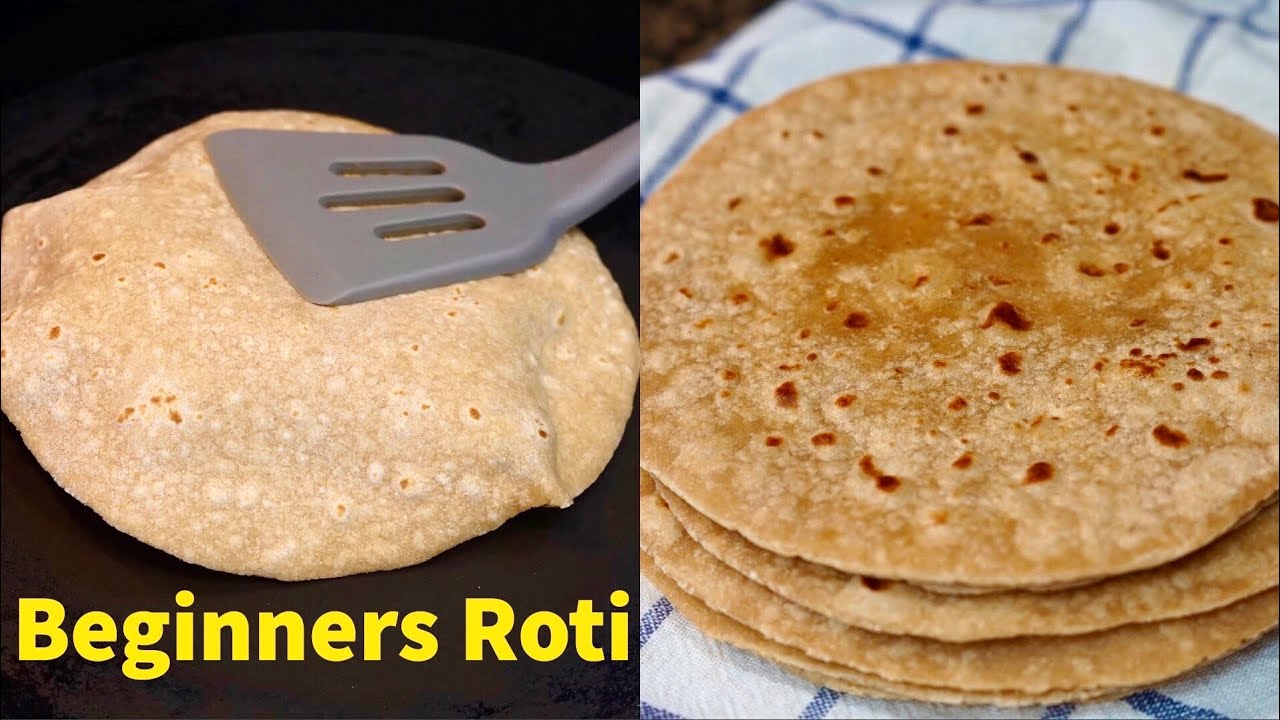
How to make soft Roti/Chapati/Phulka on an electric stove
Cuisine
Indian · North Indian
Prep + Cook Time
50 Minutes
Difficulty Level
Medium

Dal Makhani – Punjabi Style
Cuisine
Indian · North Indian
Prep + Cook Time
1 hr 15 min
Difficulty Level
Medium
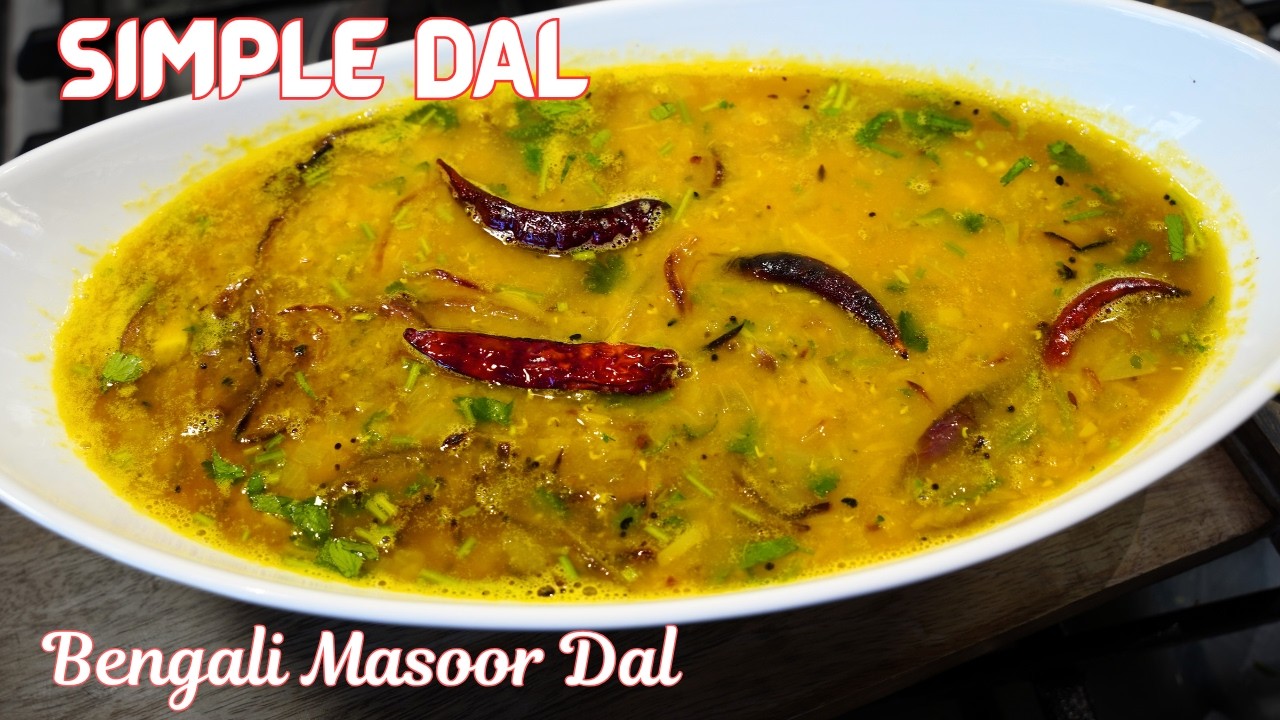
Masoor Dal (Red Lentil Soup) – East Indian Style
Cuisine
Indian · East Indian / Bengali
Prep + Cook Time
40 Minutes
Difficulty Level
Easy

Chicken Curry Indian Style
Cuisine
Indian
Prep + Cook Time
1 hr
Difficulty Level
Medium
You might also like
Other recipes in the same cuisine, meal type, or style — ready to cook whenever you are.
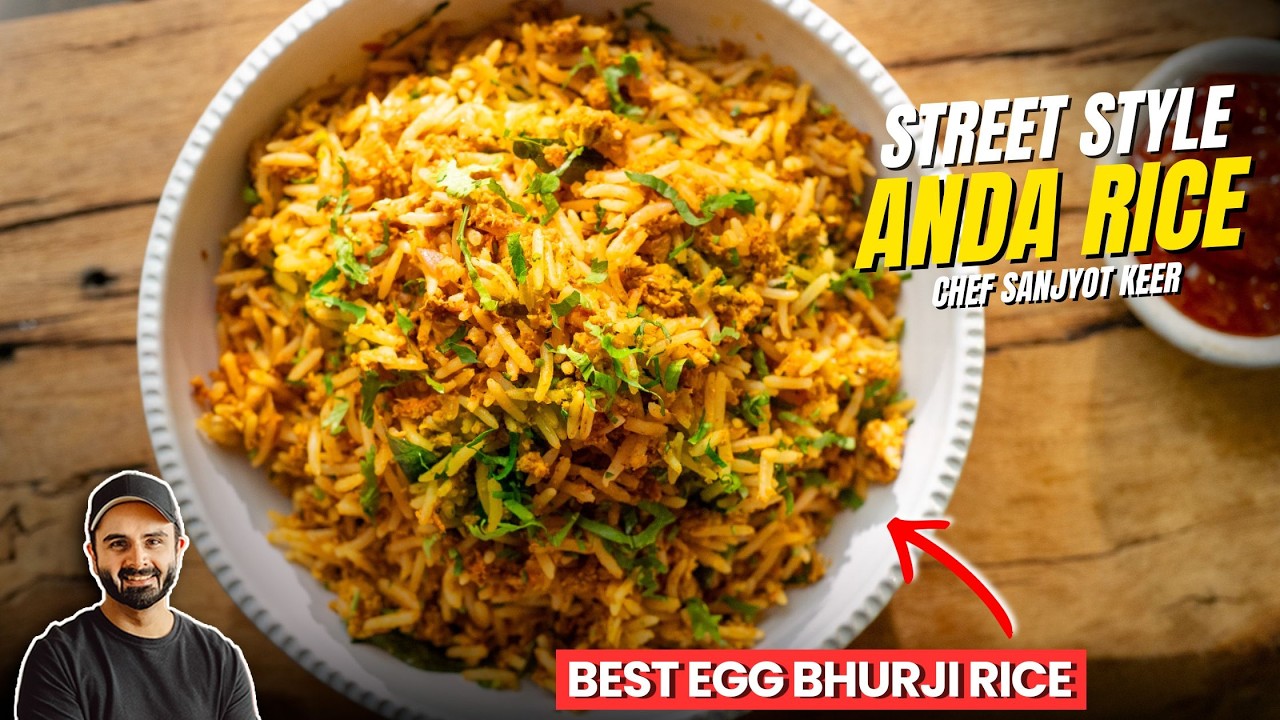
Anda Rice (Street Style Egg Rice)
Cuisine
Indian · Street Food
Prep + Cook Time
25 Minutes
Difficulty Level
Easy
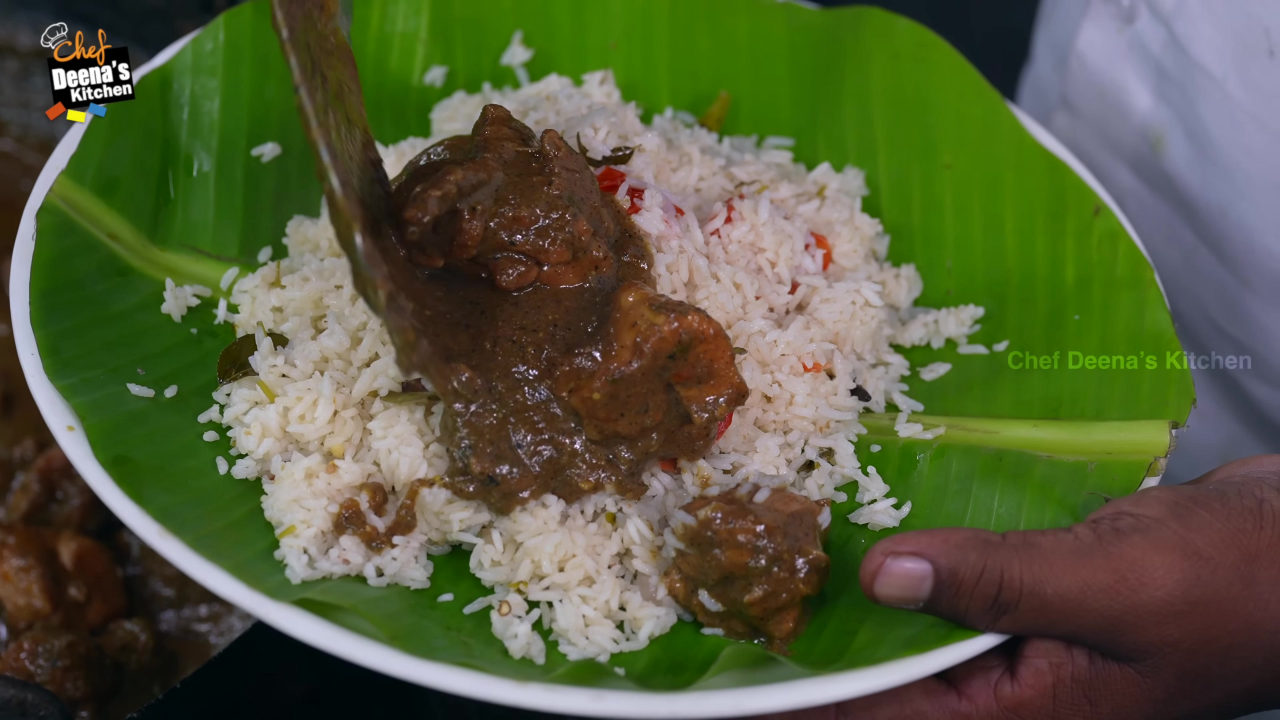
Nellai Ghee Rice & Pepper Chicken Sukka
Cuisine
Indian · South Indian
Prep + Cook Time
1 hr 20 min
Difficulty Level
Medium

Chicken Biryani
Cuisine
Indian · North Indian
Prep + Cook Time
2 hr
Difficulty Level
Medium

Mutton Biryani Recipe - Easy Mutton Biryani in Rice Cooker
Cuisine
Indian · South Indian
Prep + Cook Time
1 hr 20 min
Difficulty Level
Medium
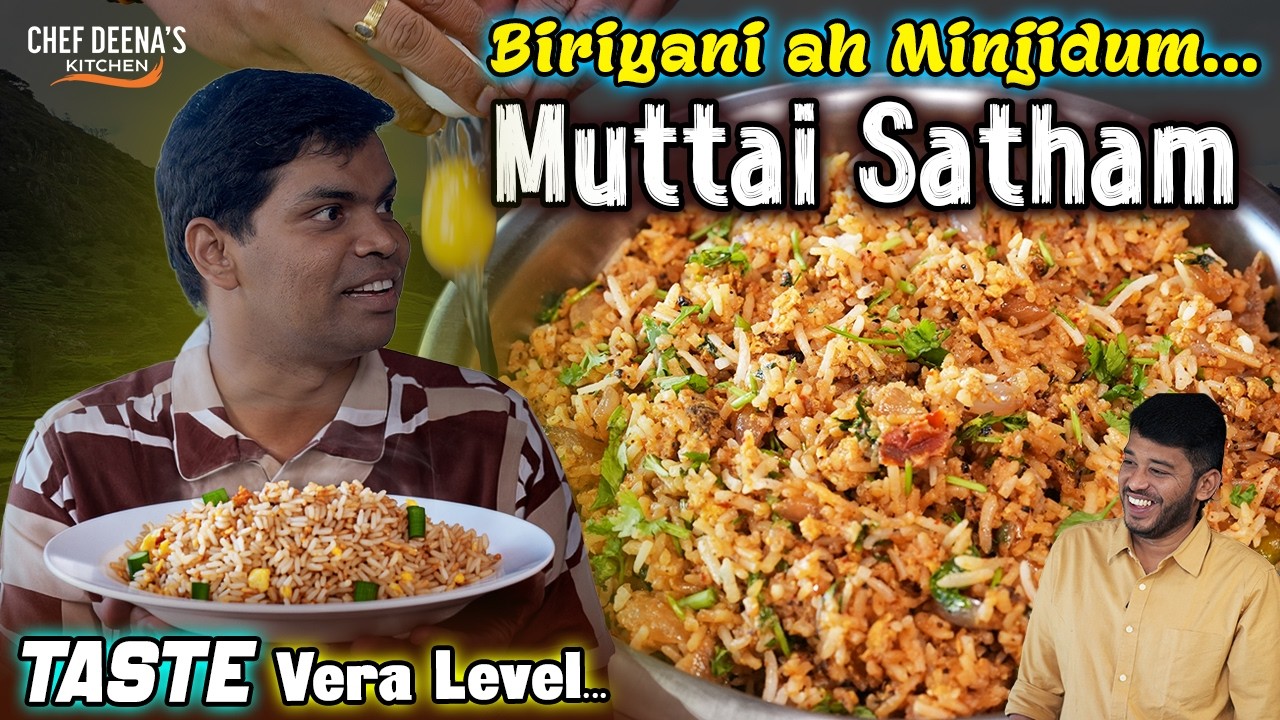
Muttai Sadham – South Indian Style Egg Rice
Cuisine
Indian · South Indian
Prep + Cook Time
35 Minutes
Difficulty Level
Medium

Chicken Biryani – One Pot Style
Cuisine
Indian · South Indian
Prep + Cook Time
1 hr 20 min
Difficulty Level
Comments (0)
Sign in to leave a comment on this recipe.
Loading comments...