Ragda Pattice - Street Style
For Ragda (White Pea Curry)
For Pattice (Potato Cutlets)
For Garnishing
Step-by-Step Instructions
Follow each step to make the recipe successfully.
Prepare White Gram and Potatoes
Take 1.5 cups of white gram (safed vatana) that has been soaked overnight. Transfer it into a pressure cooker. Add two medium-sized chopped raw potatoes. Add 3 cups of water, ensuring the water level just covers the ingredients. Add 1 tsp of salt and 1/2 tsp of turmeric powder. Mix well. Cover the pressure cooker and cook until 4-5 whistles.
Check and Mash the Gram Mixture
Once the pressure is released, open the cooker and check. The grams should be cooked and mashed well. Mash the mixture slightly with a ladle to achieve a creamy texture. Set aside.
Prepare the Ragda Tempering
In a kadai (wok), heat 1 tbsp of oil. Once heated, add 1 tbsp of cumin seeds and let them splutter. Add a little asafoetida (approx. 1/4 tsp), 2-3 chopped green chillies, and 1 tbsp of finely chopped ginger. Toss everything well for about until fragrant.
Sauté Onions and Tomatoes
Add 1 finely chopped onion to the kadai and toss until it softens and turns translucent (about ). Then, add 1 roughly chopped tomato and toss again until it softens and (about ).
Add Spices to Tempering
Add 1/4 tsp of turmeric, 1 tsp of red chilli powder, 1 tsp of coriander powder, 1/2 tsp of cumin powder, and 1/4 tsp of garam masala to the mixture. Mix and cook everything well for until the masalas are fragrant and the oil separates.
Combine Ragda and Simmer
Add the boiled white gram and potato mixture to the kadai. Mix and cook. At this stage, the consistency will be thin. Let it cook on a low-medium flame for at least , stirring occasionally. Mash and stir to further the potatoes and thicken the ragda.
Finish Ragda
After , the ragda should have thickened nicely. Adjust salt by adding about 1/2 tsp more if needed. Squeeze in some lemon juice (approx. 1 tbsp) and sprinkle with fresh coriander (approx. 1 tbsp). Give it a good mix. Your tempting ragda is ready. Set it aside to rest while preparing the patties.
Prepare Potato Patties (Tikky)
Take 4-5 boiled potatoes. Grate them using the thicker end of a grater. Ensure the potatoes are cooled down before grating to prevent stickiness. Add 1 tsp of salt, 2-3 finely chopped green chillies, 2 tsp of crushed ginger and garlic, a bit of turmeric powder (approx. 1/4 tsp), and 3 tbsp of cornflour for binding. Add fresh coriander (approx. 1 tbsp).
Mix and Shape Patties
Mix everything well with your hands until it comes together as one mixture. The mixture should be coarse, not entirely like a smooth dough. Grease your palms with oil or ghee, take a lemon-sized portion of the mixture, roll it into a roundel, and then flatten it gently to form a patty. Repeat for the remaining mixture. If the patties feel moist, you can dust them with a little cornflour.
Fry the Patties
Heat a large tawa (griddle) and spread 2-3 tbsp of ghee or oil over it. Once heated, start placing the patties one by one towards the center. Leave them undisturbed for the first minute to allow them to set. After a minute, you can start flipping them. They should start getting a golden brown color. Continue flipping and cooking until both sides are golden brown and crispy. You can place the cooked patties on the sides of the tawa to keep them warm while cooking the rest.
Assemble Ragda Pattice
Dish out a portion of the warm ragda onto a serving plate. Place 1-2 hot patties over the ragda. Top it up again with some ragda. Spread tamarind chutney and green chutney over the patties. Garnish with chopped onions, ginger julians, chaat masala, fresh coriander, a squeeze of lemon juice, and chopped green chillies. Finally, sprinkle with sev. Serve immediately and enjoy the crunchy, soft, and juicy Ragda Pattice!
Before You Cook
Helpful details before you startIngredient SubstitutionsMissing something? View suitable alternatives.View 8 swaps
No Asafoetida (hing)?
- 1/4 tsp garlic powder + 1/4 tsp onion powder
No Onion?
- 1 tbsp onion powder (per medium onion)
- 3 tbsp dried minced onion
- Shallots or leeks (1:1)
No Garam masala?
- 1 tsp cumin + 1/2 tsp coriander + 1/4 tsp cinnamon + 1/4 tsp cardamom
No Lemon juice?
- Lime juice (1:1)
- 1/2 the amount white vinegar — In dressings, savory dishes.
No Cilantro?
- Flat-leaf parsley (1:1, milder)
- Fresh mint (in chutneys, salads)
No Garlic (fresh)?
- 1/4 tsp garlic powder (per clove)
- 1/2 tsp garlic granules (per clove)
No Ghee?
- Unsalted butter (1:1)
- Neutral oil (1:1, lacks the toasted note)
No Tamarind paste?
- 1 tbsp lime juice + 1 tbsp brown sugar (per 1 tbsp paste)
- Pomegranate molasses (1:1)
Plan Ahead
Complete this step earlier to save time later.
- View Step 1Prepare White Gram and PotatoesOvernight
Take 1.5 cups of white gram (safed vatana) that has been soaked overnight. Transfer it into a pressure cooker. Add two medium-sized chopped raw potatoes. Add 3 cups of water, ensuring the water level just covers the ingredients. Add 1 tsp of salt and 1/2 tsp of turmeric powder. Mix well. Cover the pressure cooker and cook until 4-5 whistles.
Variations
Simple ways to adapt this recipe.
- Serve as Ragda Chat by adding thick curdCustomise
Crushed puris, pomegranate seeds, and extra chutneys.
- Serve as Ragda Puri by
Serve as Ragda Puri by stuffing the ragda into puris and topping with garnishes.
Helpful Tips
Small details that can improve the final result.
More from Kanak's Kitchen
Other recipes converted from Kanak's Kitchen's cooking videos.

Ragda Pattice
Cuisine
Indian · Street Food
Prep + Cook Time
1 hr 10 min
Difficulty Level
Medium
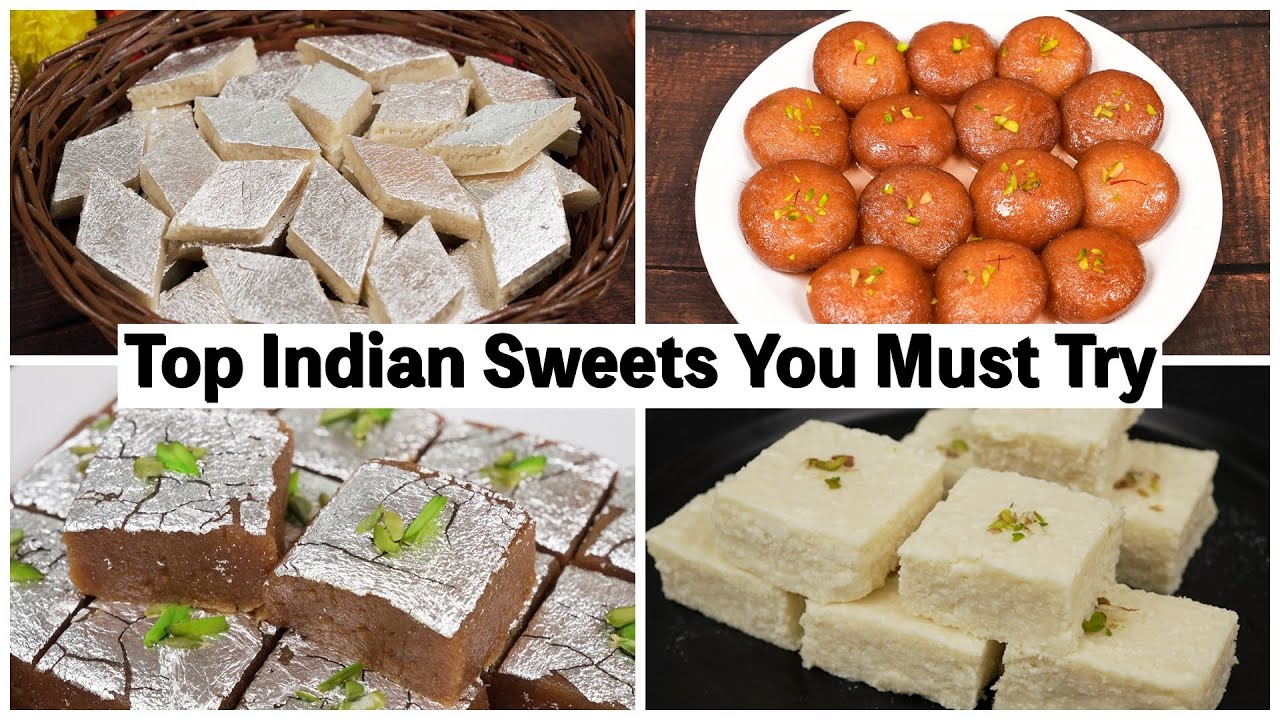
Kaju Katli (Cashew Fudge)
Cuisine
Indian · North Indian
Prep + Cook Time
30 Minutes
Difficulty Level
Medium
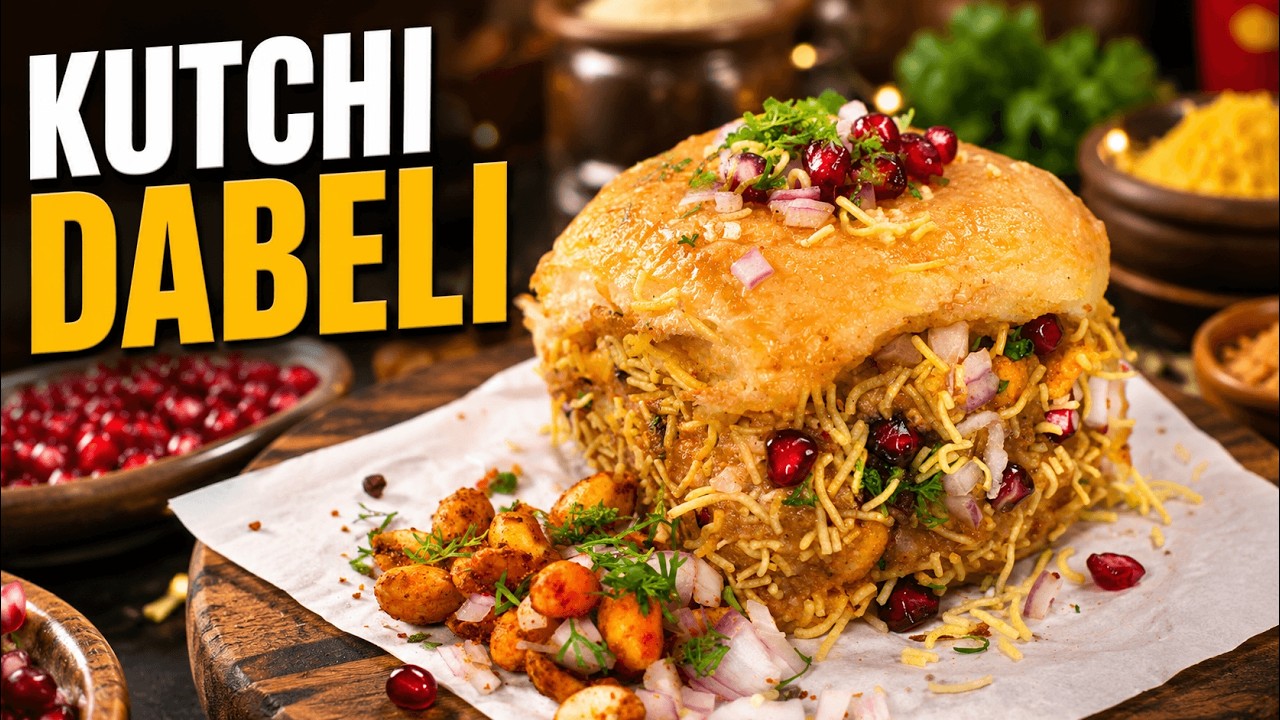
Dabeli - Authentic Indian Street Food
Cuisine
Indian · Gujarati
Prep + Cook Time
1 hr 10 min
Difficulty Level
Medium

2 Types Vada Pav - Street Style & Rassam Vada Pav
Cuisine
Indian · Maharashtrian
Prep + Cook Time
45 Minutes
Difficulty Level
Medium

Rasam Vada - South Indian Combo Recipe
Cuisine
Indian · South Indian
Prep + Cook Time
1 hr 15 min
Difficulty Level
Medium
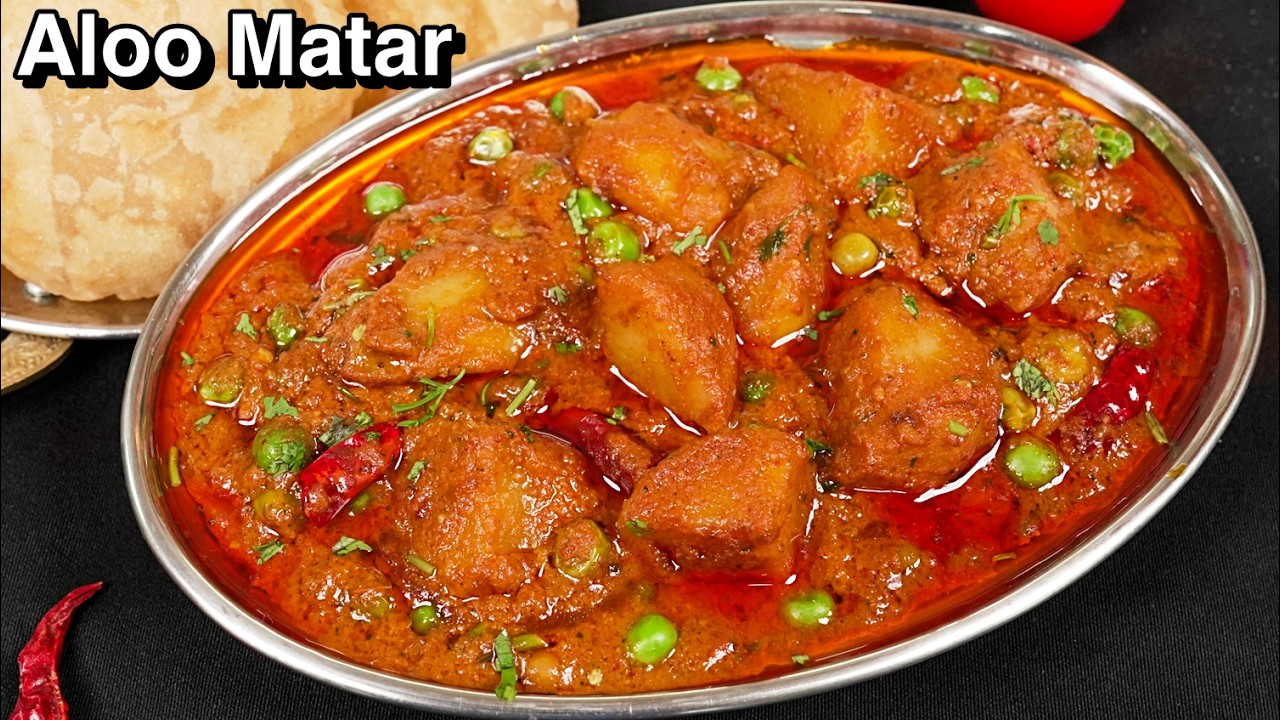
Aloo Mutter - By Chef Kanak
Cuisine
Indian · North Indian
Prep + Cook Time
1 hr 5 min
Difficulty Level
Medium
You might also like
Other recipes in the same cuisine, meal type, or style — ready to cook whenever you are.
Ragda Pattice
Cuisine
Indian · Street Food
Prep + Cook Time
1 hr 10 min
Difficulty Level
Medium

Ragda Chaat - Street Style
Cuisine
Indian · Street Food
Prep + Cook Time
40 Minutes
Difficulty Level
Easy
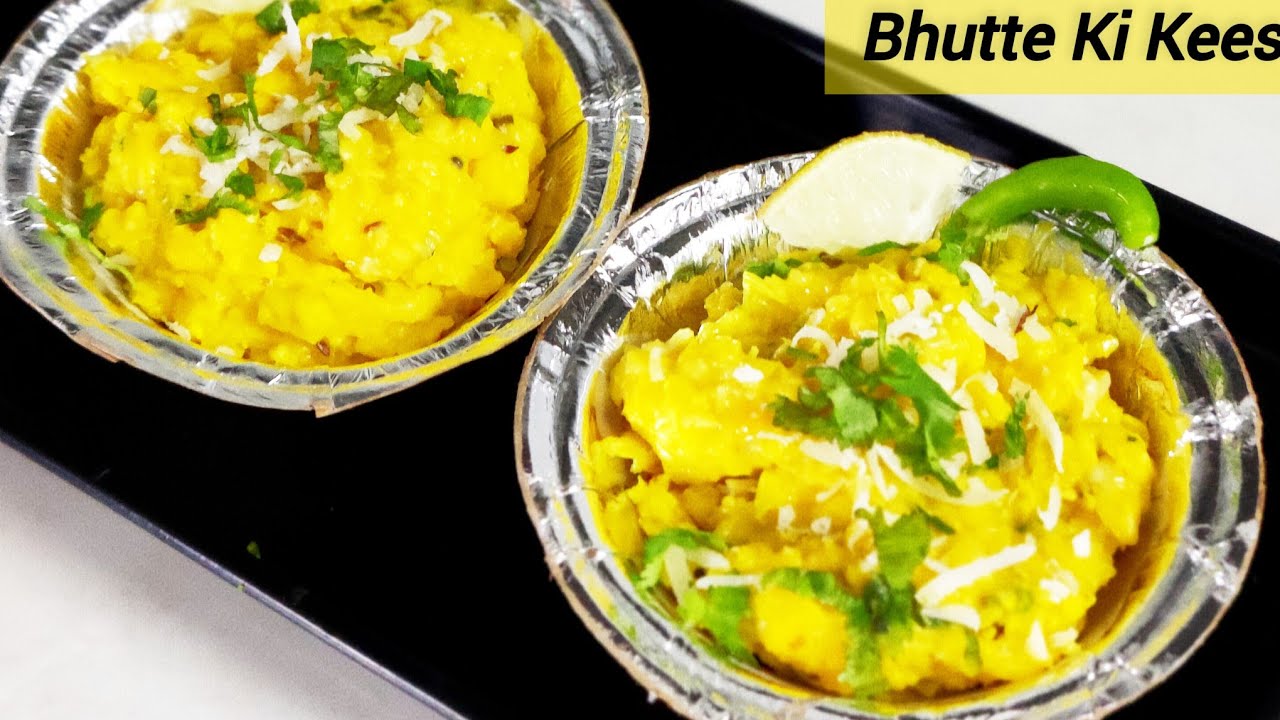
Bhutte Ki Kees
Cuisine
Indian · North Indian
Prep + Cook Time
25 Minutes
Difficulty Level
Easy

Thambittu Ladoo – Healthy & Easy Sweet
Cuisine
Indian · South Indian
Prep + Cook Time
30 Minutes
Difficulty Level
Easy

Moong Dal Cheela (Savory Green Gram Pancakes)
Cuisine
Indian · North Indian
Prep + Cook Time
30 Minutes
Difficulty Level
Easy
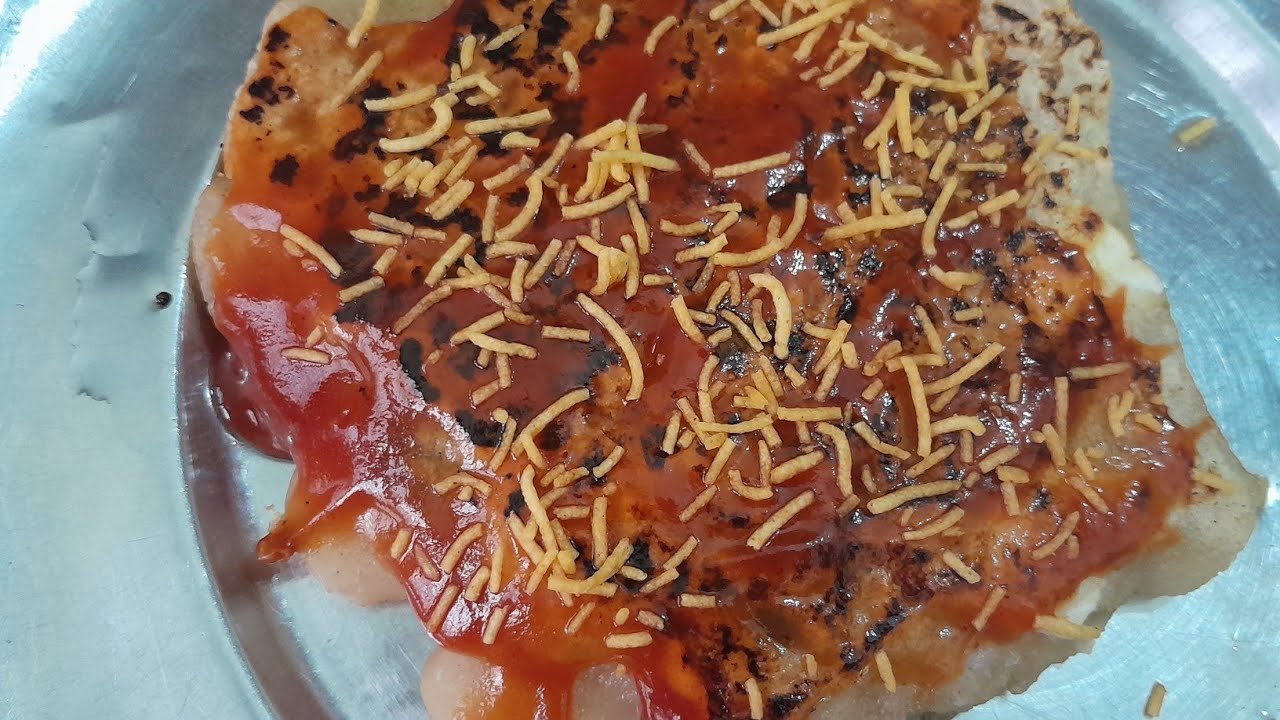
Suji Cheesy Chatpata Nashta
Cuisine
Indian · North Indian
Prep + Cook Time
30 Minutes
Difficulty Level
Comments (0)
Sign in to leave a comment on this recipe.
Loading comments...