
Perfect Chole Bhature with 8 Special Tips
For Bhature Dough
For Chole (Chickpeas)
For Special Chole Masala
For Chole Gravy
Step-by-Step Instructions
Follow each step to make the recipe successfully.
Prepare Bhature Dough - Step 1 (Rava Mixture)
In a large vessel, combine 1/4 cup fine rava, 3/4 cup medium sour curd (use 1 cup if curd is thin), 1 tsp salt, and 1 tsp powdered sugar. Mix well. Let this mixture rest for to allow the rava to ferment and soften. This step is crucial for soft and puffy bhature.
Prepare Bhature Dough - Step 2 (Adding Maida and Leavening Agents)
After , the rava mixture will be slightly fermented. Sieve 2 cups of fine flour (maida) into the mixture. Add 1/4 tsp baking powder and 1/4 tsp baking soda. Mix everything by hand without applying too much pressure. The dough will start to come together but might not be fully bound.
Prepare Bhature Dough - Step 3 (Kneading and Elasticity)
Add 3 spoons of water gradually, mixing lightly until the dough forms. Then, add 1 tbsp oil and the dough. To achieve proper elasticity and a non-sticky texture, smash the dough against the vessel for . If the dough feels too moist, you can dust it with 1-2 spoons of dry maida. Once the dough is smooth and elastic, apply a little oil on top to prevent it from drying out. Cover the dough with a damp cloth and a bowl, then in a warm place for .
Prepare Chole - Step 1 (Soaking and Washing)
Take 1 cup (200 grams) of Kabuli Chole Chana. Soak them in hot water for . Ensure there's enough water so the chana remains submerged as they double in size. After soaking, discard the water (it might have a bad smell) and wash the chana 2-3 times with fresh water to remove any residual smell.
Prepare Chole - Step 2 (Pressure Cooking with Spices)
Transfer the washed chana to a pressure cooker. Add 2.5 cups of water (using the same cup as chana), ensuring the water level is about one finger above the chana. Add 1/4 spoon of salt. To infuse flavor into the chana, add 1 bayleaf and a tea infuser containing 1 piece of cinnamon, 6 black peppercorns, 3 cloves, 2 green elaichi (slightly opened), and 1 black elaichi. Add 1 pinch of baking soda (this helps soften the chana, add it now, not during soaking). Add 1 spoon of oil to prevent water from overflowing during cooking. Close the cooker and pressure cook for 5 whistles on medium flame.
Prepare Special Chole Masala
While the chole are cooking, prepare the special chole masala. In a grinder, add 1 tbsp whole coriander seeds, 1 tbsp whole cumin seeds, 1 tsp kasuri methi, 1 tsp black salt, 1 tbsp sesame seeds, and 1 tsp amchur powder. Grind these ingredients coarsely first. Then, add 1 tbsp Kashmiri red chili powder, 1/4 spoon turmeric, 1/2 tbsp garam masala, and 2 pinches of salt. Grind everything to a fine powder. This masala can be stored in the fridge for 1-2 months.
Prepare Chole Gravy - Step 1 (Sautéing Aromatics)
Once the pressure cooker cools down, open it. The chole should be perfectly cooked and soft. Remove the bayleaf and the spice infuser. Strain the chole, keeping the water aside. Heat 4 tbsp oil in a pan on low flame. Add 2 pinches of jeera (cumin seeds) and 1 small piece of bayleaf. Add a paste of 1 green chilly and 1 inch ginger. (If you eat garlic, add its paste here. If you eat onion, add puree of 3 onions after ginger-chilly paste and until light brown). Add 1 pinch of hing and 1 sliced green chilly. for a few seconds.
Prepare Chole Gravy - Step 2 (Cooking Tomato Puree and Masala)
Add 1 cup tomato puree (from 3 tomatoes) to the pan. Cover and cook for until the raw smell of tomatoes is gone. Stir after . After , add 2 spoons of the prepared chole masala. Mix well and for until the raw smell of the masala is gone and oil separates. (Do not add extra red chili or turmeric at this stage, as the prepared masala already contains them. If you feel it's not spicy enough, you can add it later after tasting).
Prepare Chole Gravy - Step 3 (Combining Chole and Simmering)
Add the cooked chole to the pan. Mix well, ensuring the masala coats all the chana. the chole with the oil and masala for on low flame, stirring gently to keep the chana intact. Add half of the reserved chole water and mix. Adjust the gravy consistency based on when you plan to eat: for eating after , keep it thinner as it will thicken; for instant consumption, keep it thicker. Add the remaining chole water if needed to reach desired consistency. Taste the chole and adjust salt or masala if required. Cover and cook for , stirring occasionally to prevent sticking.
Prepare Chole Gravy - Step 4 (Final Tadka and Garnish)
After , the oil will separate, and the gravy will be thick. For the final tadka, heat 2 spoons of ghee in a non-stick pan on low flame. Once the ghee is warm, add 1 sliced green chilly and ginger. Fry until they are slightly golden brown. Turn off the gas. Immediately add 1/4 spoon of red chilly powder to the tadka (be careful not to burn it). Pour the hot tadka over the chole. Garnish with fresh coriander. Your delicious chole are ready.
Fry Bhature
The bhature dough should be perfectly rested and slightly sticky. Dust your hands with 1-2 spoons of maida and the dough lightly until it's smooth and non-sticky. Apply a little oil on top. Heat oil in a deep pan for frying. Ensure the oil is very hot; a small piece of dough should immediately sizzle and rise to the surface. Take a medium-sized dough ball, dust it lightly with flour, and roll it into a bhature of desired size and medium thickness. Gently place the rolled bhature into the hot oil. Press it gently with a slotted spoon to help it puff up. Once it puffs, flip it and fry until both sides are golden brown. Serve the hot, puffy bhature immediately with the chole.
Before You Cook
Helpful details before you startIngredient SubstitutionsMissing something? View suitable alternatives.View 6 swaps
No Yogurt?
- Sour cream (1:1)
- Buttermilk (1:1, slightly thinner result)
No All-purpose flour?
- White whole wheat flour (1:1)
- 1 cup minus 2 tbsp + 2 tbsp cornstarch (cake flour swap)
No Baking powder?
- 1/4 tsp baking soda + 1/2 tsp cream of tartar (per 1 tsp)
- 1/4 tsp baking soda + 1/2 cup buttermilk (replace some liquid)
No Garam masala?
- 1 tsp cumin + 1/2 tsp coriander + 1/4 tsp cinnamon + 1/4 tsp cardamom
No Asafoetida (hing)?
- 1/4 tsp garlic powder + 1/4 tsp onion powder
No Ghee?
- Unsalted butter (1:1)
- Neutral oil (1:1, lacks the toasted note)
Plan Ahead
Complete this step earlier to save time later.
- View Step 1Prepare Bhature Dough - Step 1 (Rava Mixture)10 minutes
In a large vessel, combine 1/4 cup fine rava, 3/4 cup medium sour curd (use 1 cup if curd is thin), 1 tsp salt, and 1 tsp powdered sugar. Mix well. Let this mixture rest for 10 minutes to allow the rava to ferment and soften. This step is crucial for soft and puffy bhature.
- View Step 2Prepare Bhature Dough - Step 2 (Adding Maida and Leavening Agents)10 minutes
After 10 minutes, the rava mixture will be slightly fermented. Sieve 2 cups of fine flour (maida) into the mixture. Add 1/4 tsp baking powder and 1/4 tsp baking soda. Mix everything by hand without applying too much pressure. The dough will start to come together but might not be fully bound.
- View Step 3Prepare Bhature Dough - Step 3 (Kneading and Elasticity)2 hours
Add 3 spoons of water gradually, mixing lightly until the dough forms. Then, add 1 tbsp oil and knead the dough. To achieve proper elasticity and a non-sticky texture, smash the dough against the vessel for 2 minutes. If the dough feels too moist, you can dust it with 1-2 spoons of dry maida. Once the dough is smooth and elastic, apply a little oil on top to prevent it from drying out. Cover the dough with a damp cloth and a bowl, then let it rest in a warm place for 2 hours.
- View Step 4Prepare Chole - Step 1 (Soaking and Washing)6 hours
Take 1 cup (200 grams) of Kabuli Chole Chana. Soak them in hot water for 6-8 hours. Ensure there's enough water so the chana remains submerged as they double in size. After soaking, discard the water (it might have a bad smell) and wash the chana 2-3 times with fresh water to remove any residual smell.
Storage & Leftovers
Keep your leftovers fresh and ready to enjoy.
- RefrigerateUp to 2 months
This masala can be stored in the fridge for 1-2 months.
Helpful Tips
Small details that can improve the final result.
You might also like
Other recipes in the same cuisine, meal type, or style — ready to cook whenever you are.
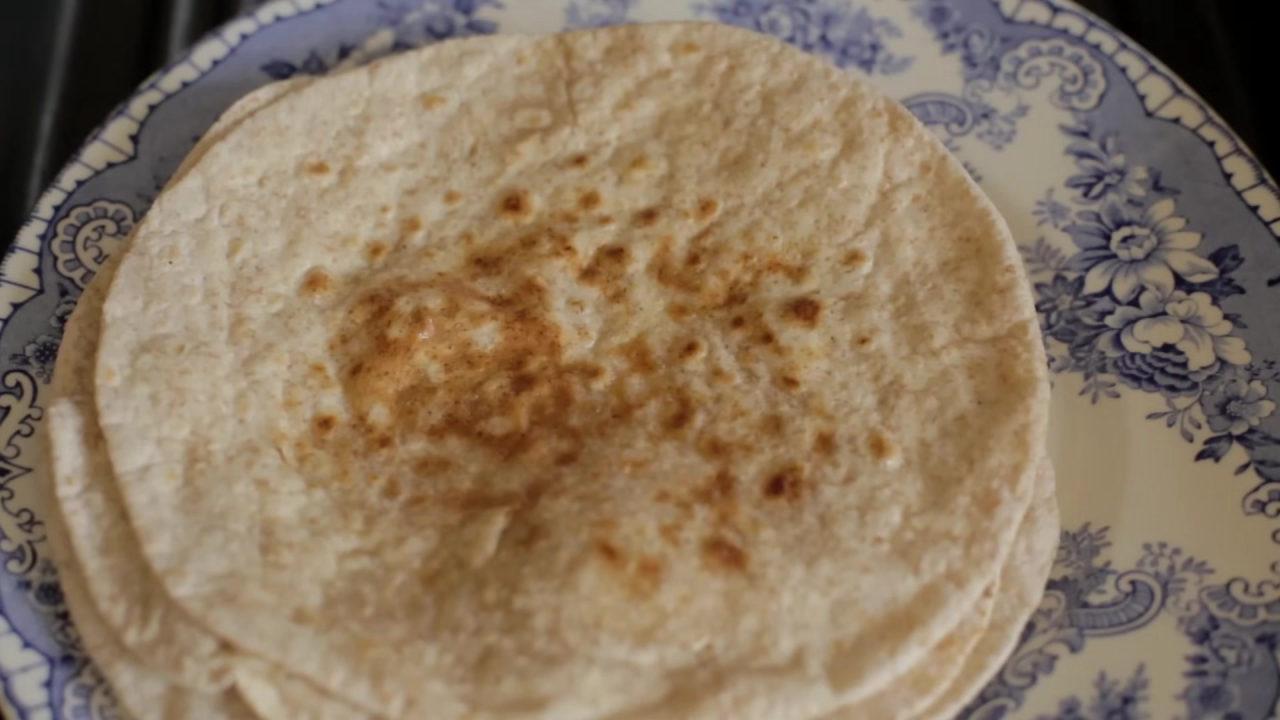
Homemade Soft Chapati – Indian Flatbread
Cuisine
Indian · North Indian
Prep + Cook Time
35 Minutes
Difficulty Level
Easy
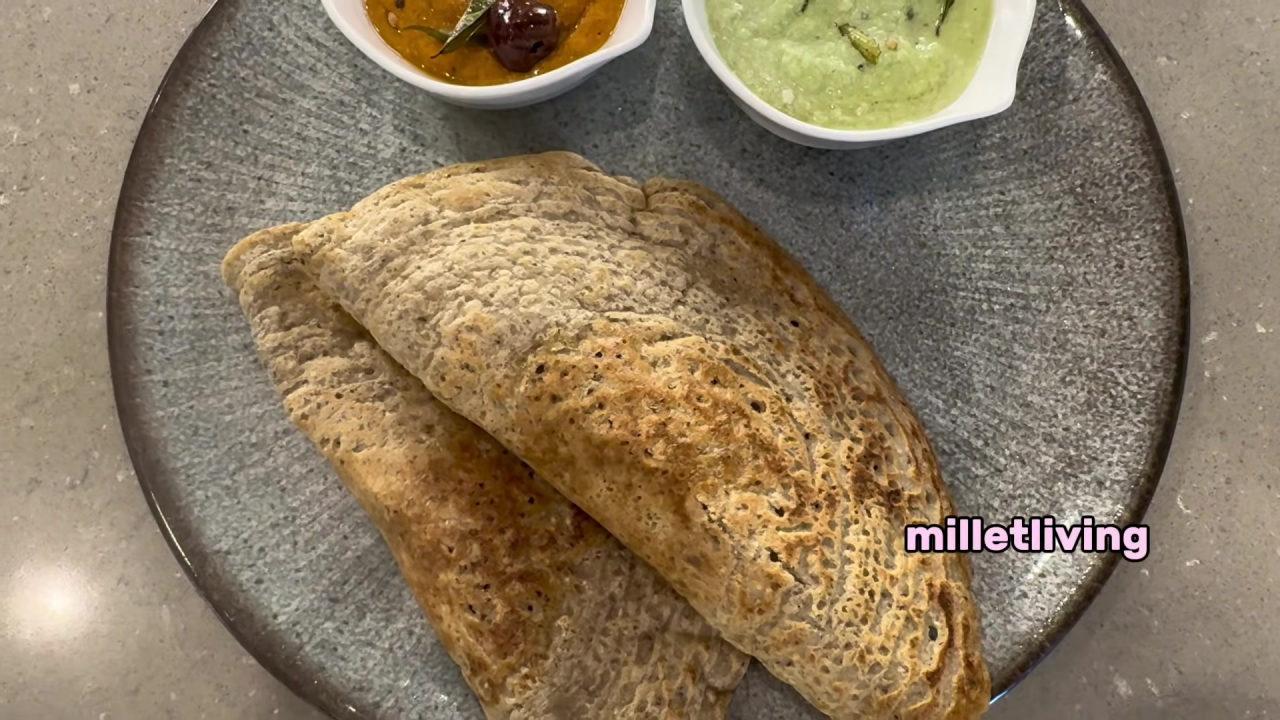
Everyday Millet Dosa - No Rice | Gluten-Free | Vegan
Cuisine
Indian · South Indian
Prep + Cook Time
40 Minutes
Difficulty Level
Easy
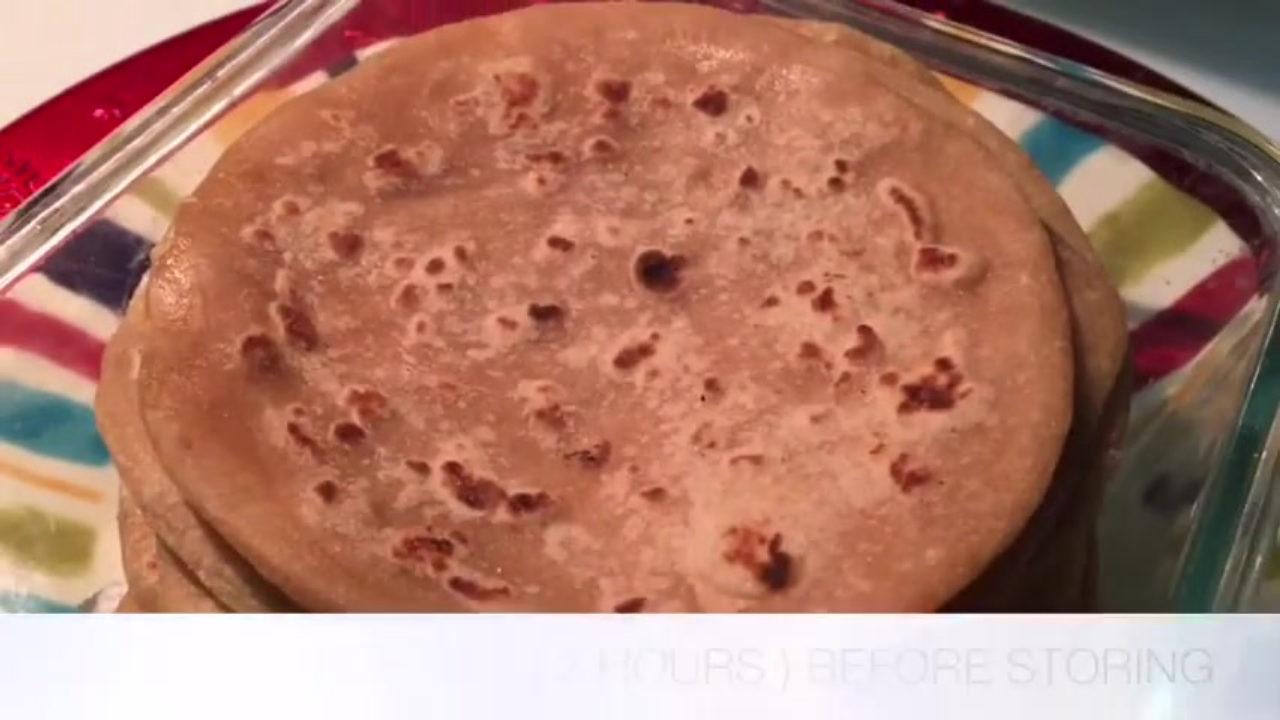
Whole Wheat Flour Tortilla
Cuisine
Indian · North Indian
Prep + Cook Time
2 hr
Difficulty Level
Easy
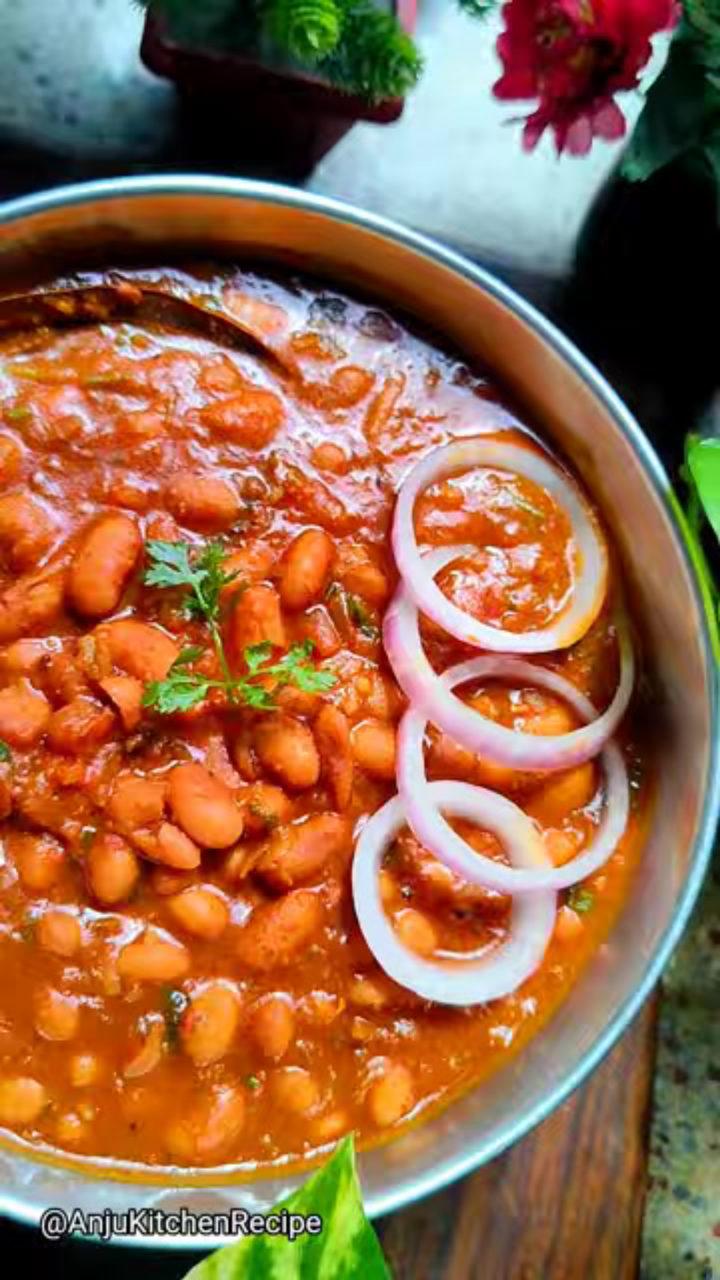
Rajma Masala - Dhaba Style
Cuisine
Indian · North Indian
Prep + Cook Time
45 Minutes
Difficulty Level
Medium
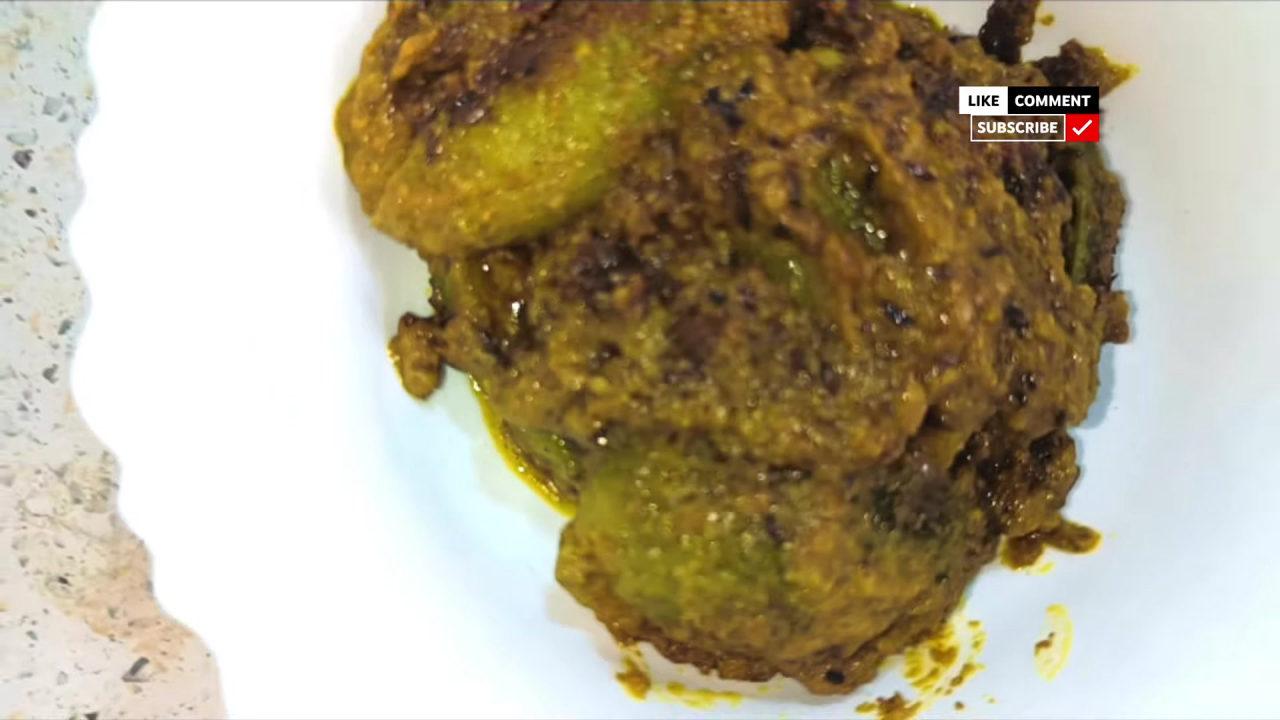
Stuffed Kantola (Spiny Gourd) Sabzi – Delicious Indian Curry
Cuisine
Indian · North Indian
Prep + Cook Time
40 Minutes
Difficulty Level
Medium
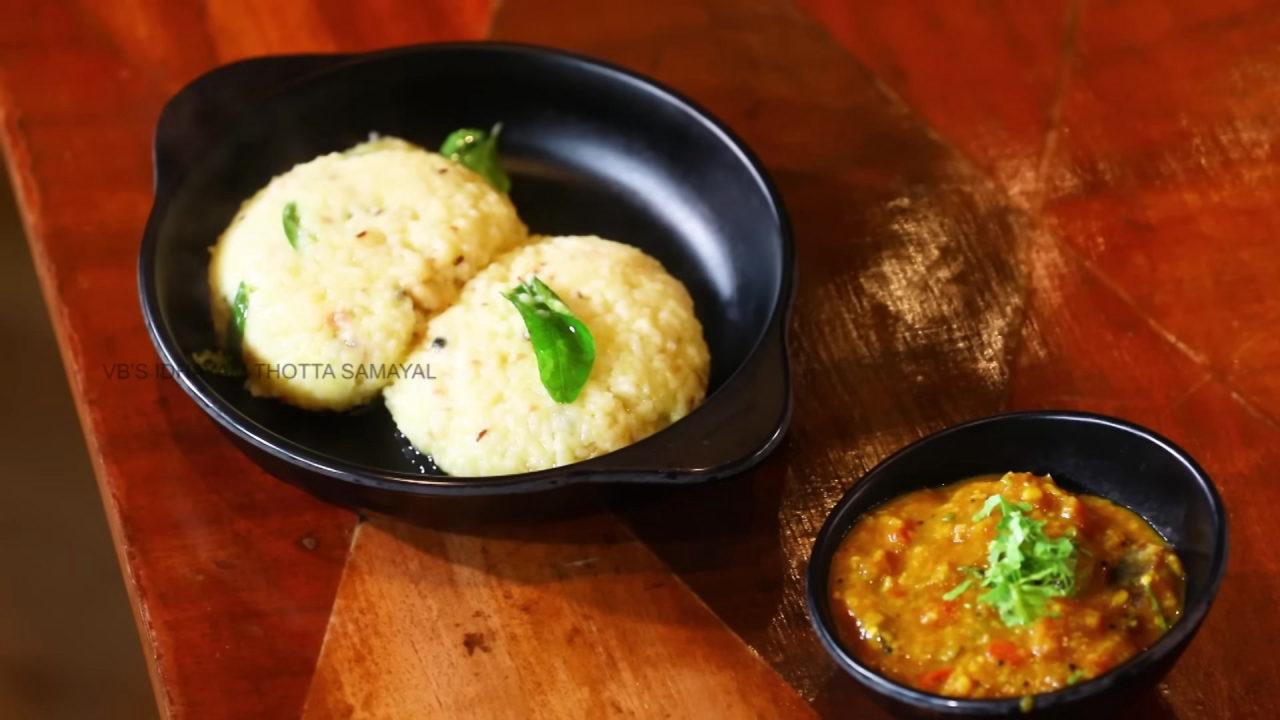
Venpongal Gothsu – Chef Venkatesh Bhat Style
Cuisine
Indian · South Indian
Prep + Cook Time
1 hr
Difficulty Level
Comments (0)
Sign in to leave a comment on this recipe.
Loading comments...