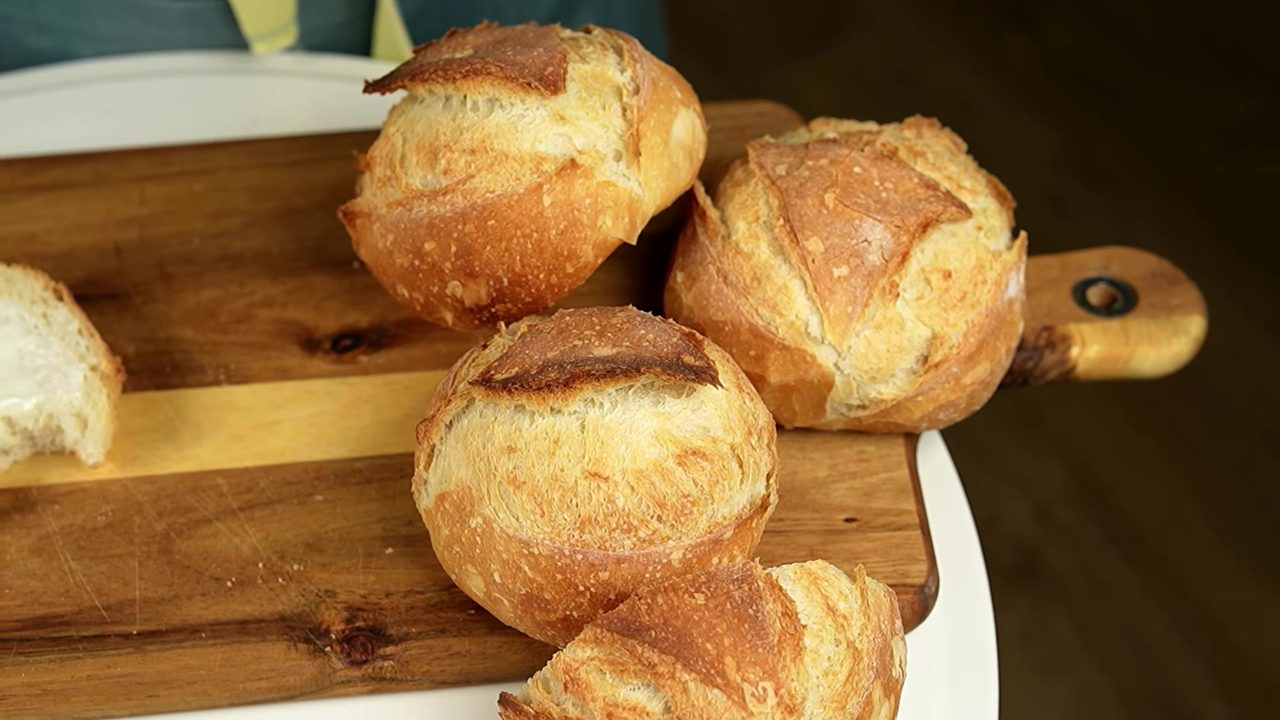
No-Knead Singing Bread Rolls
Main Ingredients
Step-by-Step Instructions
Follow each step to make the recipe successfully.
Prepare the yeast mixture
Pour 1 cup (220 ml) of water into a large glass bowl. Crumble ¾ tsp (3 g) of fresh yeast (or add ½ tsp (2 g) of dry yeast) into the water. Mix well with a wooden spoon until the yeast is dissolved.
Combine ingredients for dough
Add 2 ½ cups (320 g) of bread flour and 1 tsp (6 g) of salt to the yeast mixture. Mix with the wooden spoon until there is no more dry flour and a shaggy dough forms. Just mix, no need to .
First rest period
Cover the bowl with a lid and let the dough rest for .
First 'lift and slap' (stretch and fold)
Wet your hand with water. Reach into the dough, grab one side, stretch it upwards, and fold it towards the center. Repeat this process for all four sides of the dough. This technique is called 'lift and slap' and helps develop the dough's elasticity.
Second rest period
Cover the bowl again and let the dough rest for another .
Second 'lift and slap' (stretch and fold)
Repeat the 'lift and slap' technique: wet your hand, stretch each of the four sides of the dough, and fold it towards the center. The dough should now be much more elastic.
Final rise
Cover the bowl and let the dough rise until it doubles in size. This usually takes about .
Prepare for shaping
Sprinkle flour generously on a clean work surface. Gently scrape the risen dough out of the bowl onto the floured surface. Fold the dough to make it easier to cut.
Divide and pre-shape dough
Divide the dough into 4 equal parts using a dough scraper. Brush off any excess flour from each piece.
Shape the bread rolls (Method 1)
Take one piece of dough, flatten it gently. Fold the edges towards the center to form a tight ball. Rub the dough ball against the work surface to seal the bottom and create surface tension. Set aside.
Shape the bread rolls (Method 2)
Take another piece of dough, flatten it gently into a rectangle. Roll it tightly from one end to the other. Then, roll it in the opposite direction to form a ball. Pinch the seams to seal well and create a smooth surface. Set aside.
Uncovered rest
Let the shaped dough balls rest uncovered on the work surface for .
Final shaping and placement
Take each dough ball and gently fold the surface to tighten it, then pinch the bottom to seal. Give it an extra seal by rubbing it on the surface. Place the shaped dough balls on a baking tray lined with parchment paper.
Final proofing
Cover the baking tray with a clean towel and let the dough rise for .
Score the bread
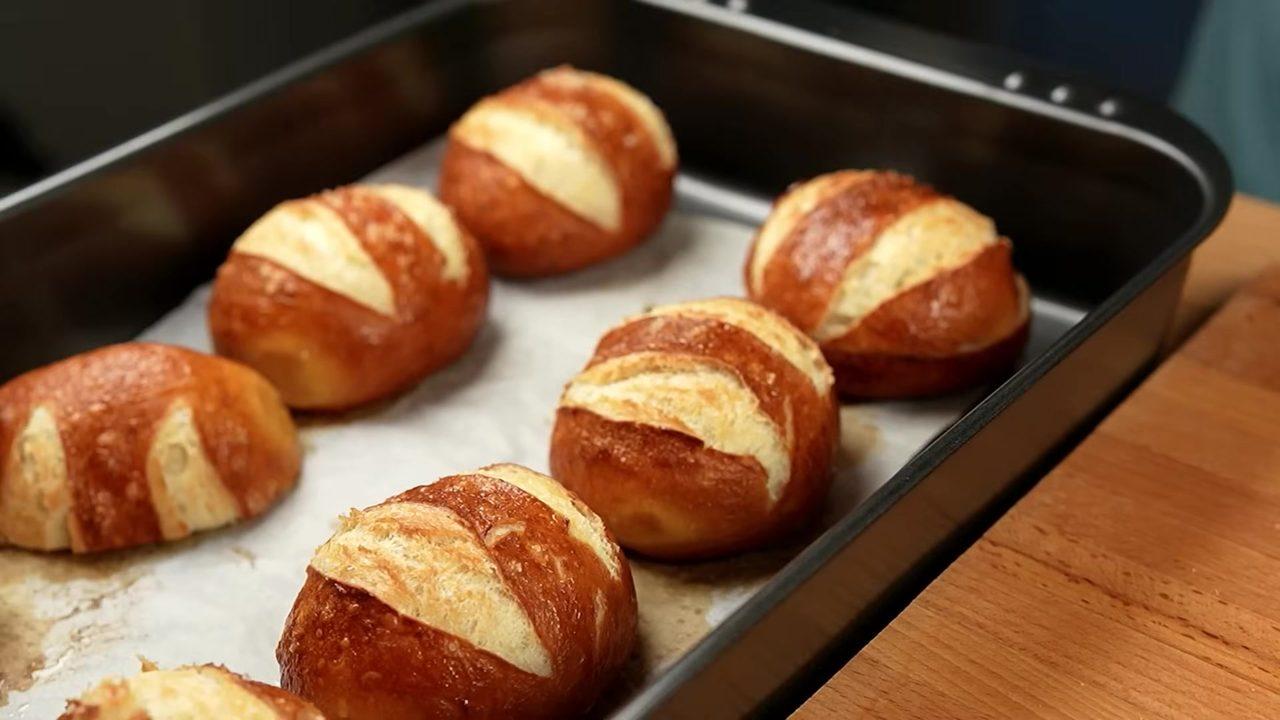
Preheat your oven to 430°F (approximately 220°C) (220°C (approximately 430°F)). Once proofed, use a sharp blade or knife to score a pattern on the top of each bread roll. For this recipe, a 'V' shape is used.
Add steam and bake (covered)
Sprinkle a few drops of water around the bread rolls on the tray to create . Cover the baking tray with another tray of the same size. Place the covered tray into the preheated oven and bake at 430°F (approximately 220°C) (220°C (approximately 430°F)) for .
Bake (uncovered)
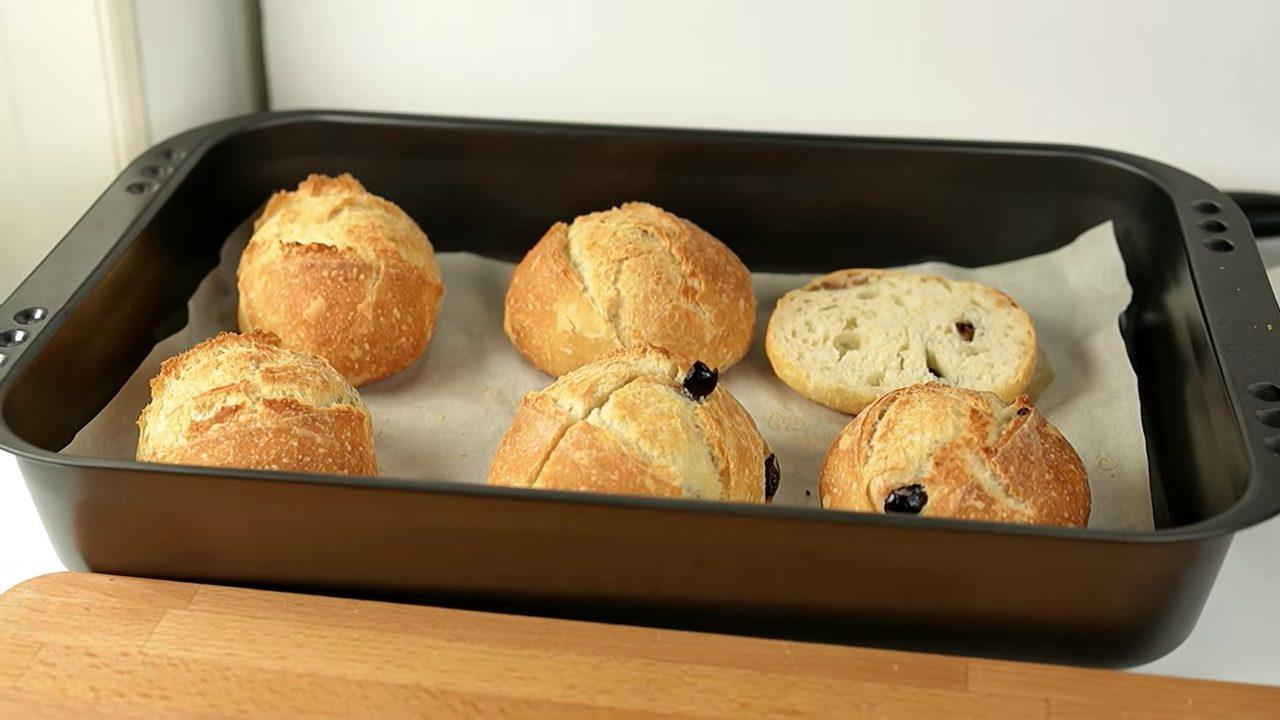
Carefully remove the top tray from the oven. Continue to bake the bread rolls for an additional , or until they are golden brown and crispy.
Cool and serve
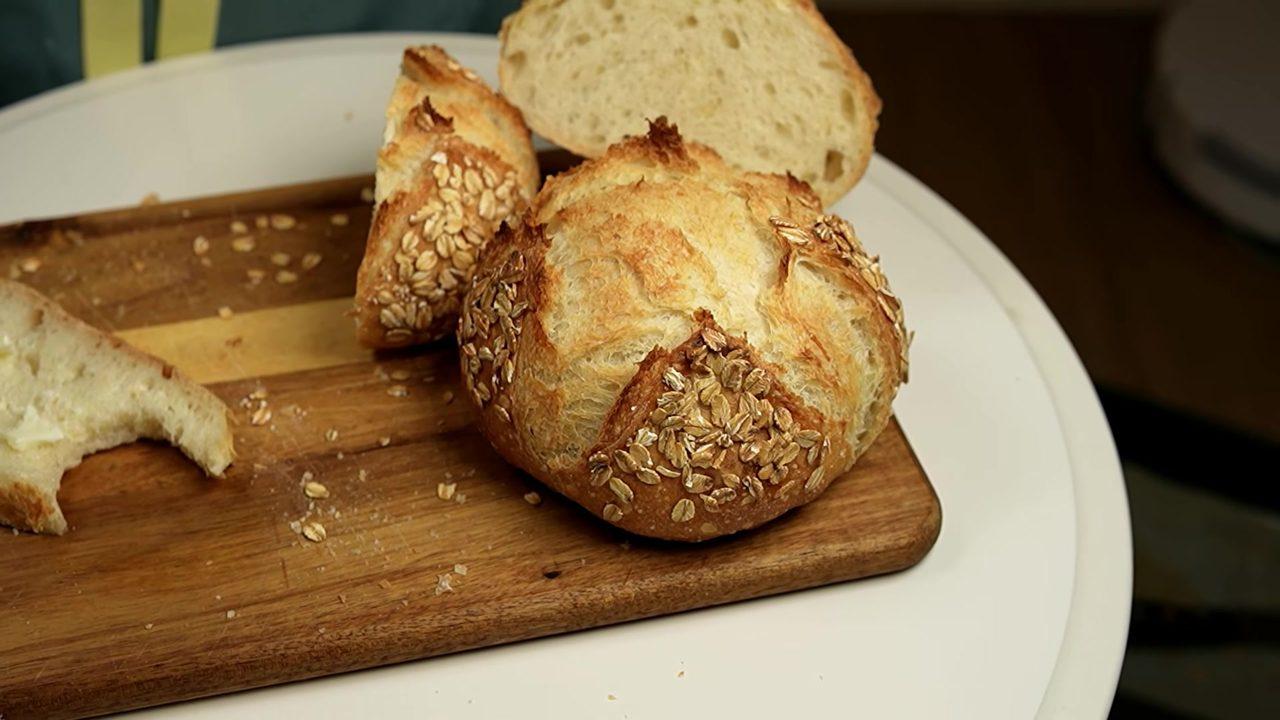
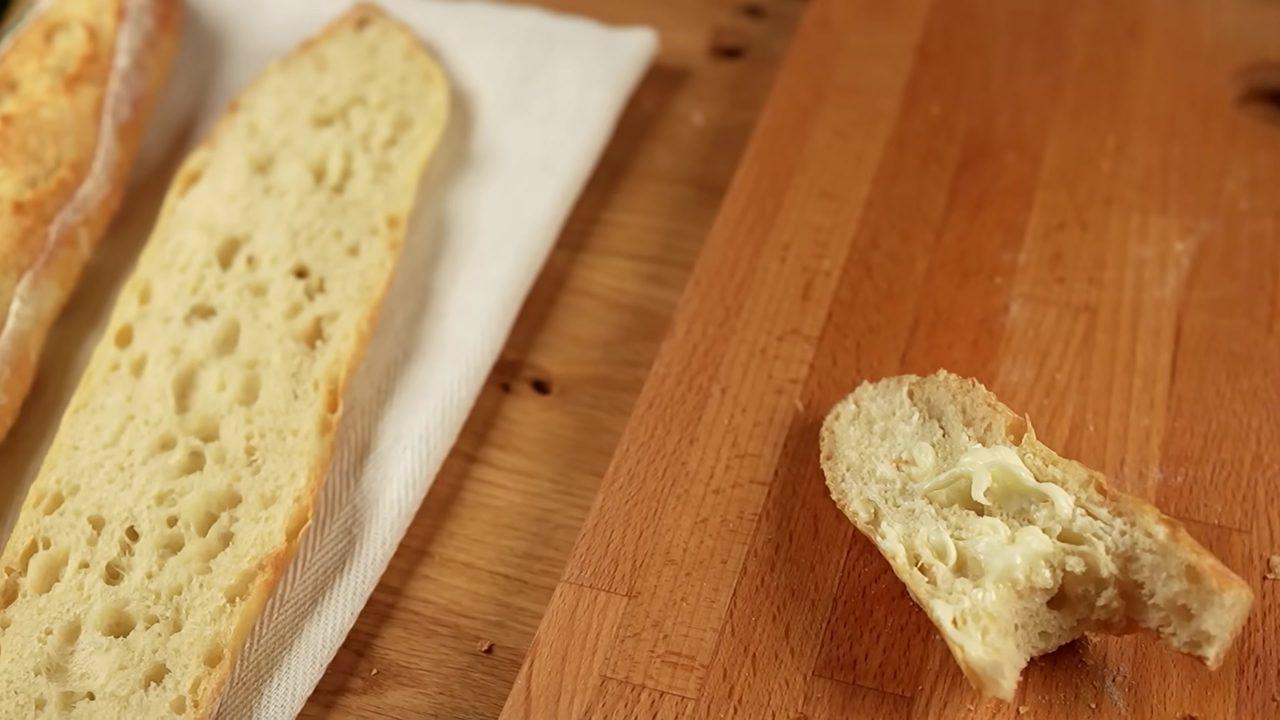
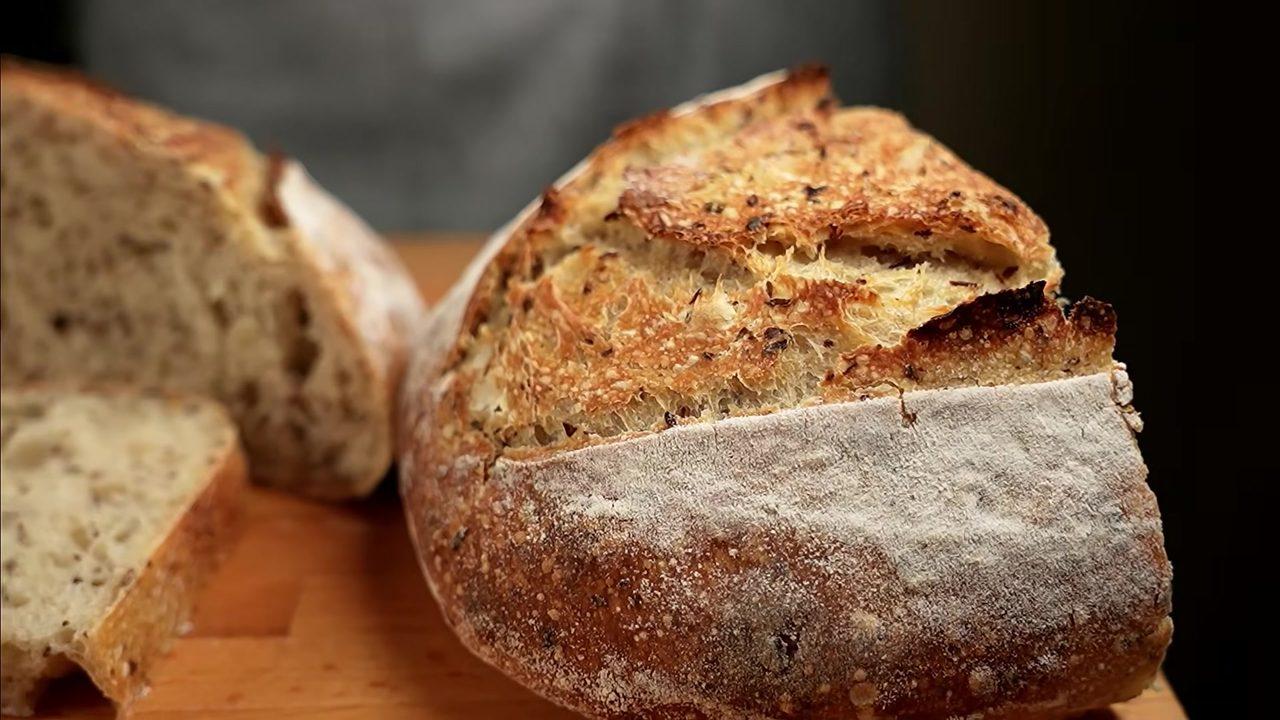
Remove the baked bread rolls from the oven. Listen for the 'singing' sound as they cool, indicating a perfect crust. Slice the bread and serve with a little soft butter.
Before You Cook
Helpful details before you startPlan Ahead
Complete this step earlier to save time later.
- View Step 3First rest period30 minutes
Cover the bowl with a lid and let the dough rest for 30 minutes.
- View Step 5Second rest period30 minutes
Cover the bowl again and let the dough rest for another 30 minutes.
- View Step 7Final rise2 hours
Cover the bowl and let the dough rise until it doubles in size. This usually takes about 2 hours.
- View Step 14Final proofing30 minutes
Cover the baking tray with a clean towel and let the dough rise for 30 minutes.
Helpful Tips
Small details that can improve the final result.


Comments (0)
Sign in to leave a comment on this recipe.
Loading comments...