New Delhi Chicken Curry
Main Ingredients
Spices (from Masala Dabba)
Step-by-Step Instructions
Follow each step to make the recipe successfully.
Chop Red Onions
Finely chop the red onions. You don't need to be too fancy with the cutting as they will cook down in the pot.
Chop Plum Tomatoes
the plum tomatoes. Chopping them gives more body to the curry.
Prepare Chicken Thighs
Cut the bone-in chicken thighs into smaller pieces. The bone marrow will provide a more intense chicken flavor to the curry.
Marinate Chicken with Turmeric
Add ground turmeric to the chicken pieces and mix well with your hands to coat evenly. This gives a nice color to the chicken.
Heat Mustard Oil
Pour mustard oil into a pot and heat it on an induction cooktop until it starts to smoke. Mustard oil has a pungent aroma and a high smoke point.
Sear Chicken
Carefully place the turmeric-coated chicken pieces into the hot mustard oil. one side until lightly colored, then flip and the other side. Once , remove the chicken pieces from the pot and set aside on a wire rack. Ensure no small pieces of chicken are left in the pot to prevent burning.
Sauté Whole Spices
In the same oil, add the whole spices: cinnamon sticks, bay leaves, black cardamom pods, green cardamom pods, black peppercorns, and whole cloves. for a few seconds to release their aromas and flavors, building layers of flavor for the curry.
Sauté Onions
Add the chopped red onions to the pot and sprinkle with a pinch of kosher salt. the onions until they become translucent and the oil starts to separate from them.
Add Ginger Garlic Paste
Once the onions are translucent, add the ginger and garlic paste. for a couple of minutes until fragrant.
Add Ground Spices
Add the ground coriander, red chile powder (adjust to your spice preference), and Kashmiri chile powder to the pot. for a couple of minutes, stirring constantly.
Cook Tomatoes
Stir in the tomato paste and chopped plum tomatoes. If the pan is very hot, add a touch of water to . Cook until the water eventually evaporates and the oil separates from the tomato mixture, indicating it's well cooked.
Incorporate Yogurt
the heat to ensure the pot is not too hot. Add the Indian yogurt (dahi) and stir continuously until it is fully incorporated into the curry base and the mixture is silky smooth. This adds a nice tart and citric flavor.
Simmer Chicken
Add the chicken pieces back into the pot. Pour in water, stir everything together, then cover the pot with a lid and let the chicken until cooked through.
Add Finishing Aromatics
After for a few minutes, open the lid and check on the curry. Finish by adding kasoori methi (dried fenugreek leaves), crushing them between your palms to release their flavor, and garam masala. Stir well to combine. Adding garam masala at the end ensures its freshness.
Stir in Cilantro
Stir in fresh chopped cilantro to complete the chicken curry.
Serve with Roti
Ladle the finished chicken curry into a serving bowl. Serve it alongside warm roti (Indian flatbread).
Garnish
Garnish the plate with raw sliced red onions and whole green Thai chiles for an added crunch and different flavor profile.
Enjoy by Hand
To eat, rip a piece of roti, use it to tear off a piece of chicken, and scoop up a nice big handful of gravy. Enjoy the dish with your hands, as is traditional.
Before You Cook
Helpful details before you startIngredient SubstitutionsMissing something? View suitable alternatives.View 6 swaps
No Onion?
- 1 tbsp onion powder (per medium onion)
- 3 tbsp dried minced onion
- Shallots or leeks (1:1)
No Garlic (fresh)?
- 1/4 tsp garlic powder (per clove)
- 1/2 tsp garlic granules (per clove)
No Yogurt?
- Sour cream (1:1)
- Buttermilk (1:1, slightly thinner result)
No Cilantro?
- Flat-leaf parsley (1:1, milder)
- Fresh mint (in chutneys, salads)
No Bay leaf?
- 1/4 tsp dried thyme (per leaf)
- Pinch of dried oregano
No Garam masala?
- 1 tsp cumin + 1/2 tsp coriander + 1/4 tsp cinnamon + 1/4 tsp cardamom
Variations
Simple ways to adapt this recipe.
- Southern Indian curries often use coconut milkIngredient swap
Mustard seeds, curry leaves, and tamarind instead of mustard oil and yogurt.
- Each household in India makes
Each household in India makes their own version of curry with their unique touch.
Helpful Tips
Small details that can improve the final result.
More from epicurious
Other recipes converted from epicurious's cooking videos.
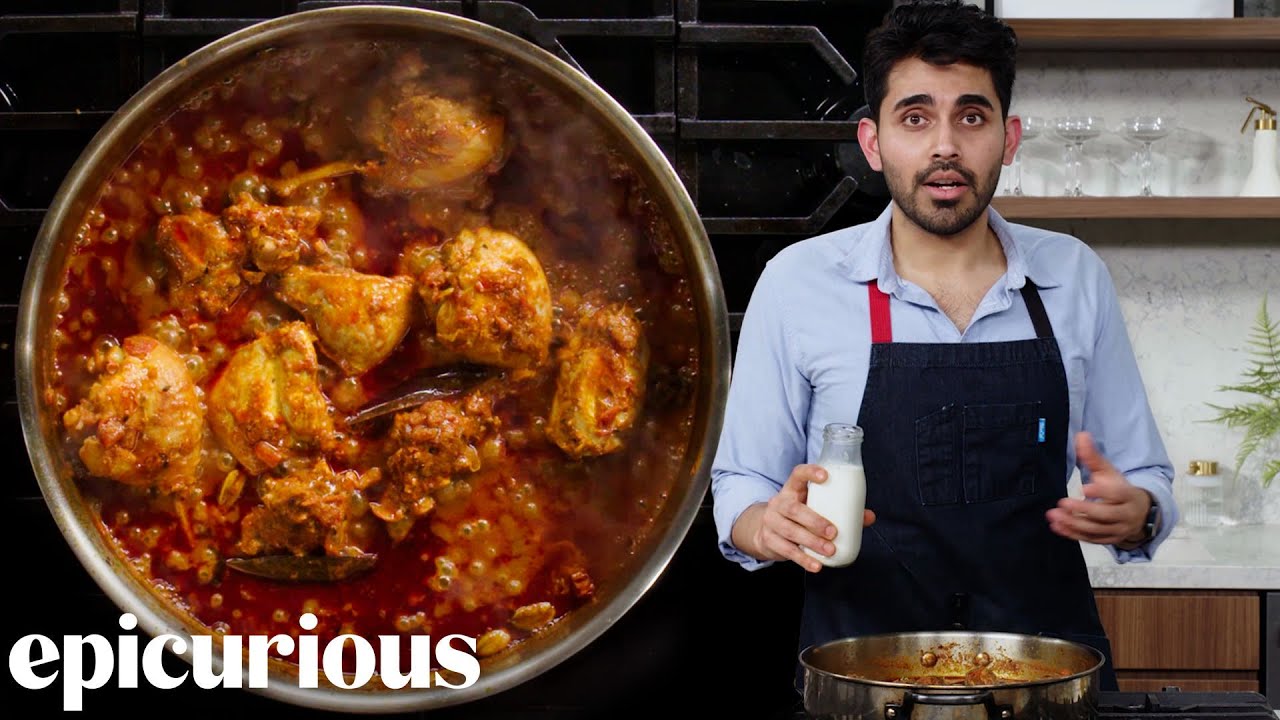
North Indian One-Pot Chicken Curry
Cuisine
Indian · North Indian
Prep + Cook Time
1 hr 10 min
Difficulty Level
Medium

New Delhi Chicken Curry
Cuisine
Indian · North Indian
Prep + Cook Time
1 hr
Difficulty Level
Medium

Chicken Biryani – Dum Style
Cuisine
Indian · North Indian
Prep + Cook Time
4 hr
Difficulty Level
Hard
One-Pot Chicken Curry – North Indian Style
Cuisine
Indian · North Indian
Prep + Cook Time
1 hr 5 min
Difficulty Level
Medium
New Delhi Chicken Curry
Cuisine
Indian · North Indian
Prep + Cook Time
1 hr
Difficulty Level
Medium
Chicken Biryani – Dum Style
Cuisine
Indian · North Indian
Prep + Cook Time
1 hr 45 min
Difficulty Level
Medium
You might also like
Other recipes in the same cuisine, meal type, or style — ready to cook whenever you are.
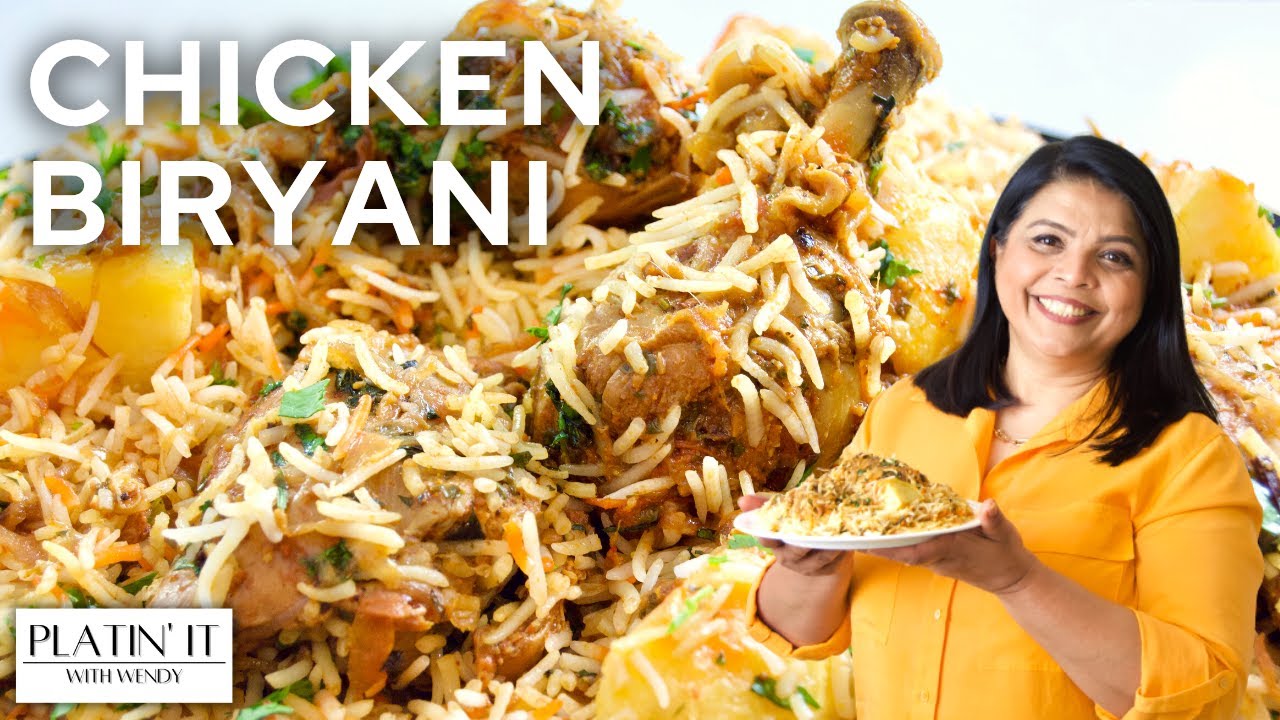
Chicken Biryani - Bombay Style
Cuisine
Indian · Bombay
Prep + Cook Time
1 hr 30 min
Difficulty Level
Medium
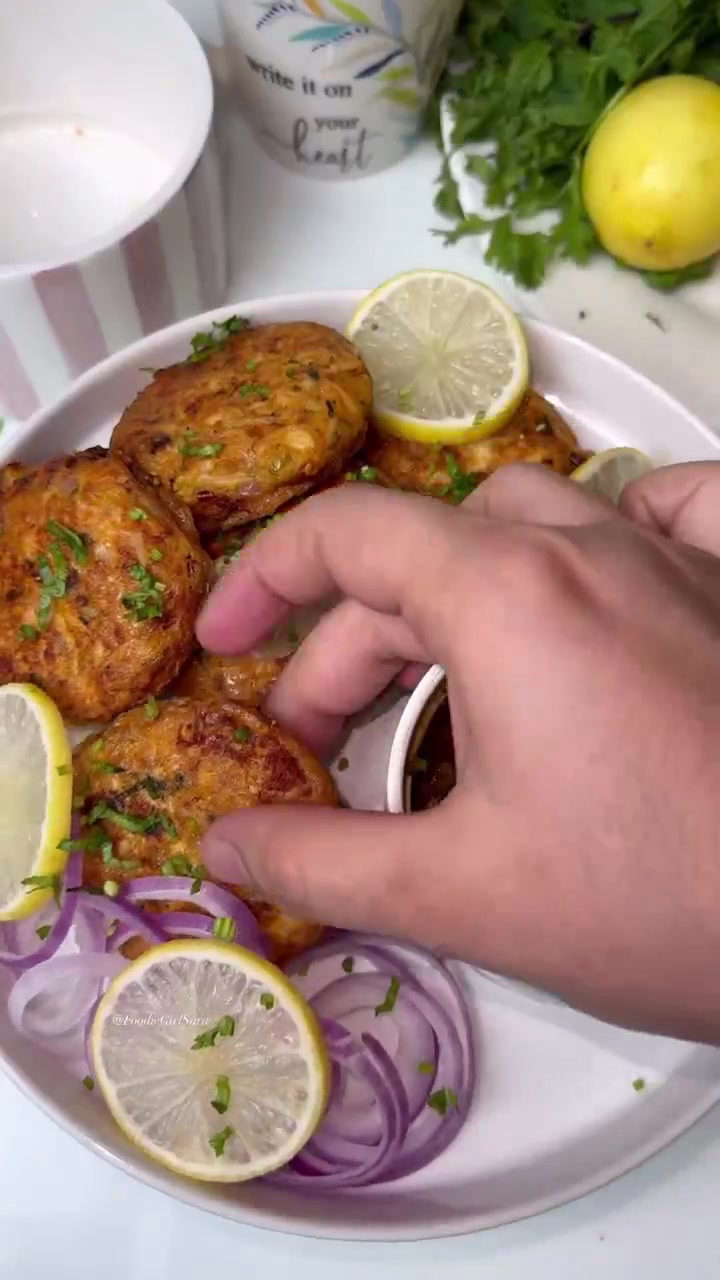
Chicken Tikka Kabab
Cuisine
Indian · South Asian
Prep + Cook Time
40 Minutes
Difficulty Level
Medium
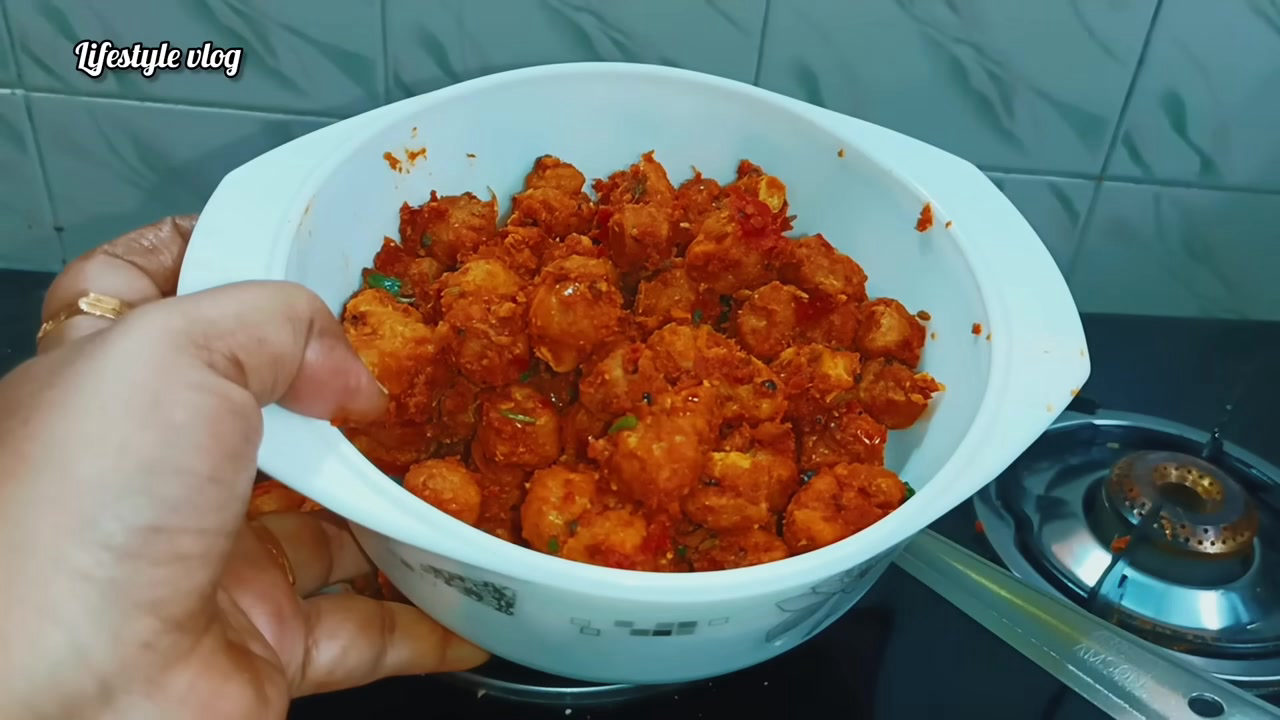
Soya Egg Fry - South Indian Style
Cuisine
Indian · South Indian
Prep + Cook Time
30 Minutes
Difficulty Level
Easy

Soya and Egg Fry
Cuisine
Indian · South Indian
Prep + Cook Time
35 Minutes
Difficulty Level
Easy
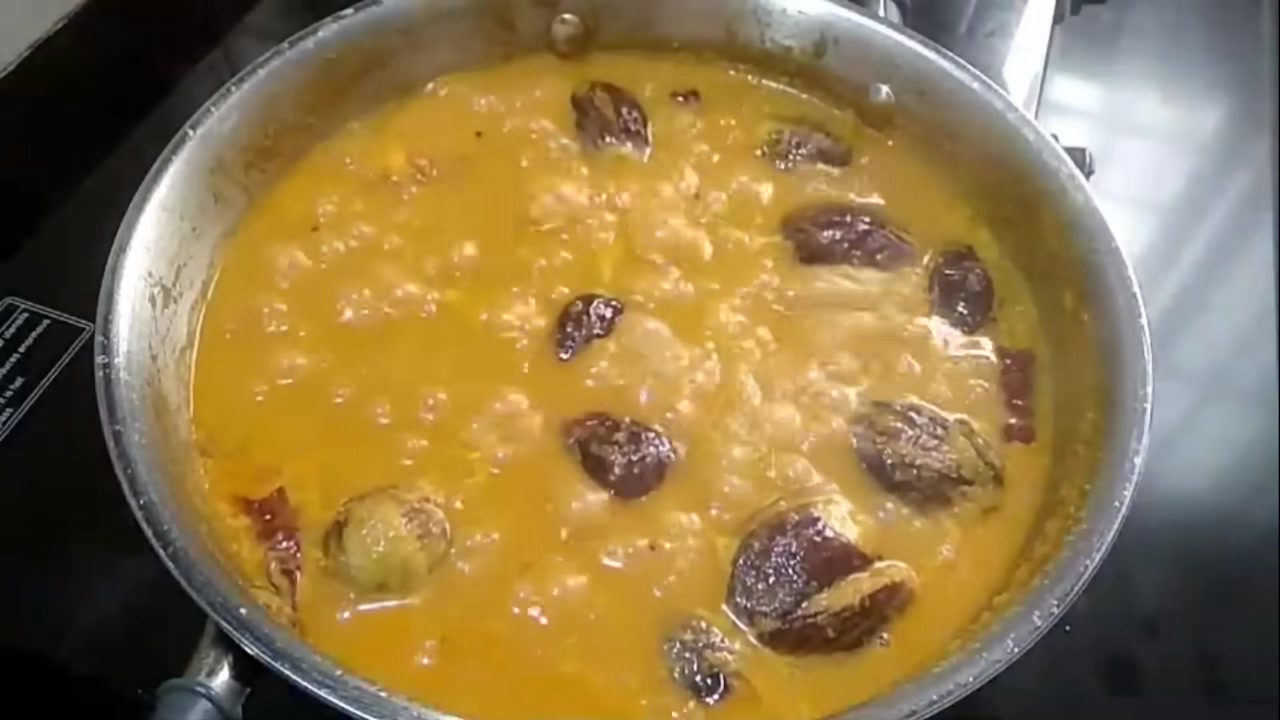
Ennai Kathirikai Kulambu (Oil Brinjal Curry)
Cuisine
Indian · South Indian
Prep + Cook Time
45 Minutes
Difficulty Level
Medium
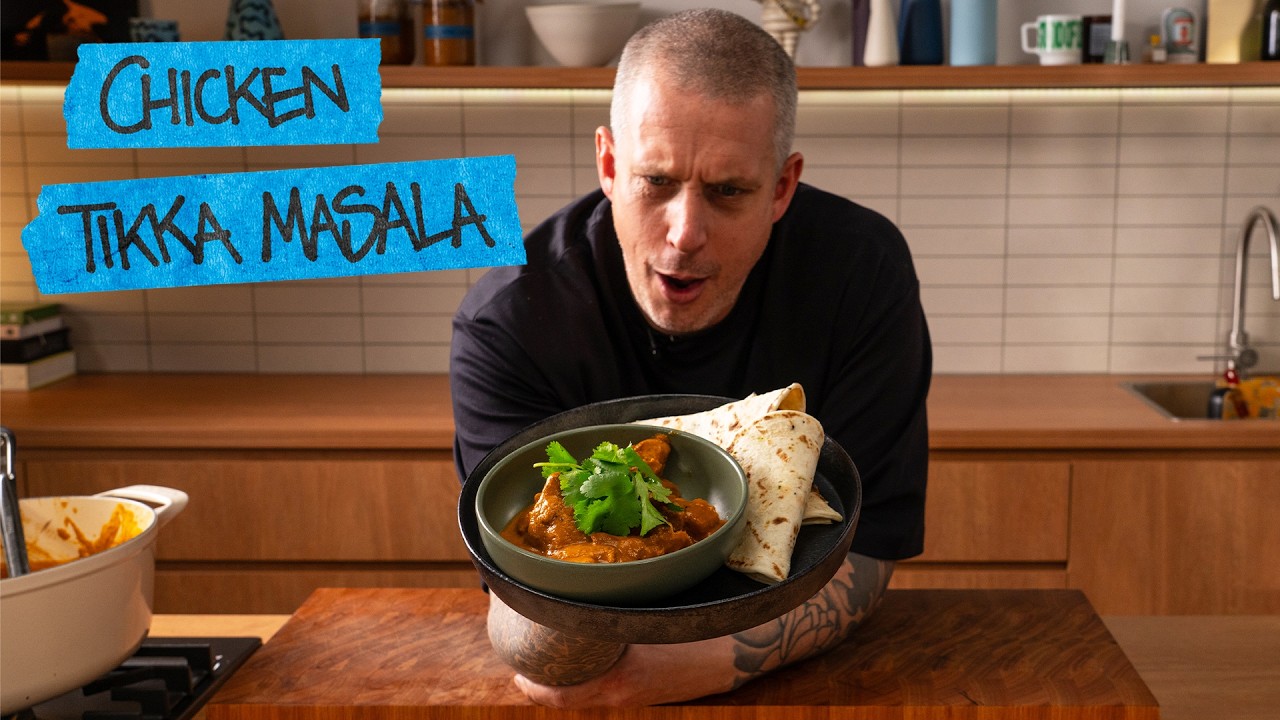
Chicken Tikka Masala – Indian
Cuisine
Indian · North Indian
Prep + Cook Time
3 hr
Difficulty Level
Comments (0)
Sign in to leave a comment on this recipe.
Loading comments...