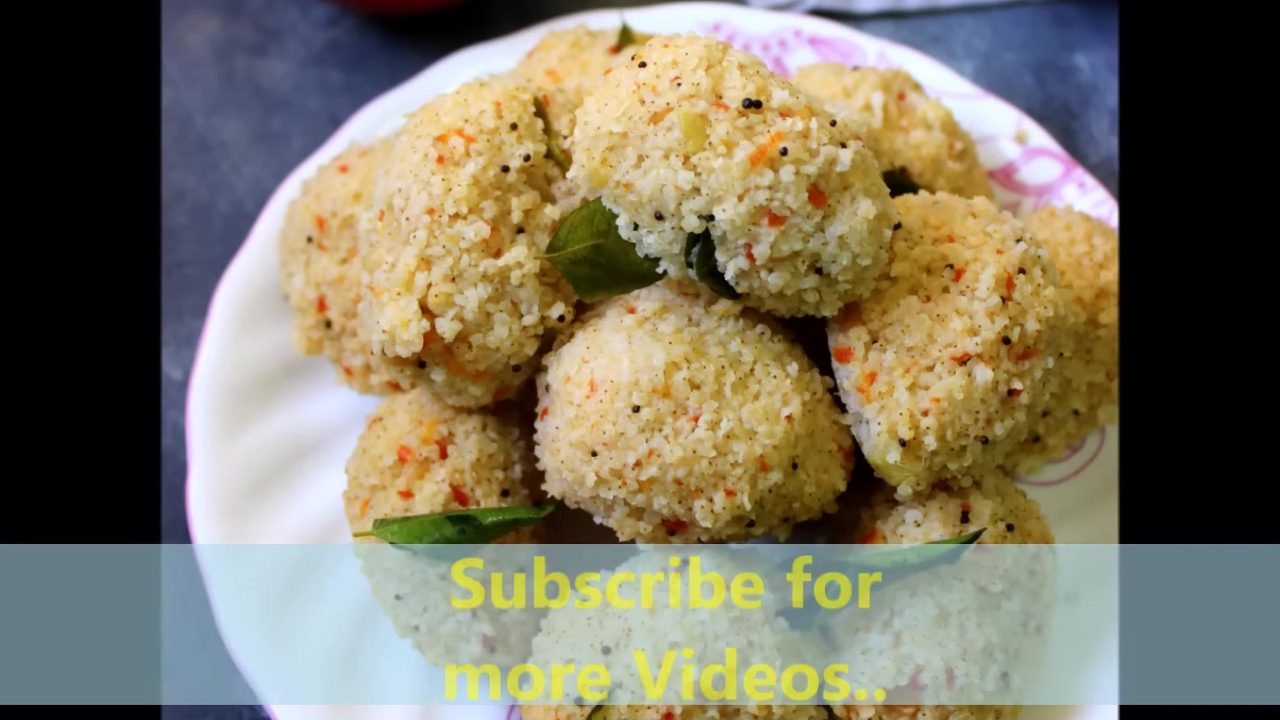
Kuthiravali Pidi Kozhukattai
Main Ingredients
Step-by-Step Instructions
Follow each step to make the recipe successfully.
Roast Barnyard Millet
Add 1 cup of barnyard millet to a pan and roast it for on a low flame until it's lightly and aromatic.
Prepare Tempering
In the same pan, add 2 teaspoons of oil. Once hot, add 1/2 teaspoon of mustard seeds and let them splutter. Then add 1 tablespoon of white lentil (urad dal) and 1/4 teaspoon of asafoetida (hing).
Add Aromatics and Saute
Add chopped green chilies (2-3), grated ginger (1 inch piece), and curry leaves (1 sprig) to the pan. for about until the ginger is fragrant and the lentils turn light golden.
Add Water and Vegetables
Pour in 2 1/4 cups of water and add 1/4 cup of grated carrot. Season with salt to taste. Bring the mixture to a rolling boil.
Cook Millet Mixture
Once the water starts boiling, add the previously roasted barnyard millet. Mix well to combine all ingredients. Continue to cook, stirring occasionally, until all the water is completely absorbed and the mixture thickens, which should take about .
Form Dumplings
Allow the millet mixture to cool slightly until it's comfortable to handle. Then, take small portions of the mixture and gently shape them into small, oval-shaped dumplings (pidi kozhukattai).
Steam Dumplings
Grease an idli plate with a little oil and carefully place the prepared millet dumplings on it. the dumplings for in an idli cooker or steamer until they are cooked through and firm.
Serve
Once , remove the Kuthiravali Pidi Kozhukattai from the steamer and serve hot with your favorite chutney or sambar.
Before You Cook
Helpful details before you startIngredient SubstitutionsMissing something? View suitable alternatives.View 2 swaps
No Asafoetida (hing)?
- 1/4 tsp garlic powder + 1/4 tsp onion powder
No Curry leaves?
- 1 bay leaf + a pinch of lemon zest — Aroma only — flavor is unique.
Variations
Simple ways to adapt this recipe.
- Add other finely chopped vegetables like peasCustomise
Corn, or bell peppers for more nutrition and flavor.
- For a richer flavorCustomise
You can add a tablespoon of grated coconut to the mixture before forming dumplings.
- Serve with coconut chutney or
Serve with coconut chutney or sambar for a complete meal.
Helpful Tips
Small details that can improve the final result.
You might also like
Other recipes in the same cuisine, meal type, or style — ready to cook whenever you are.
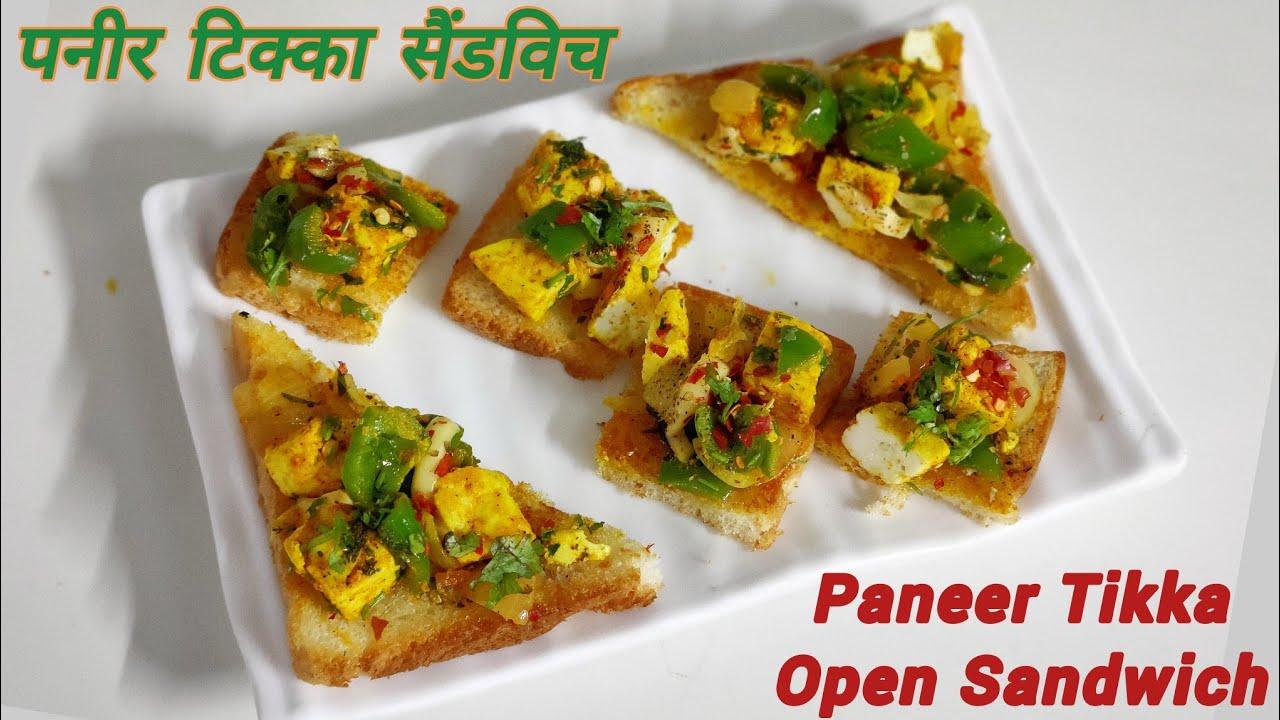
Paneer Tikka Open Sandwich
Cuisine
Indian
Prep + Cook Time
17 Minutes
Difficulty Level
Easy
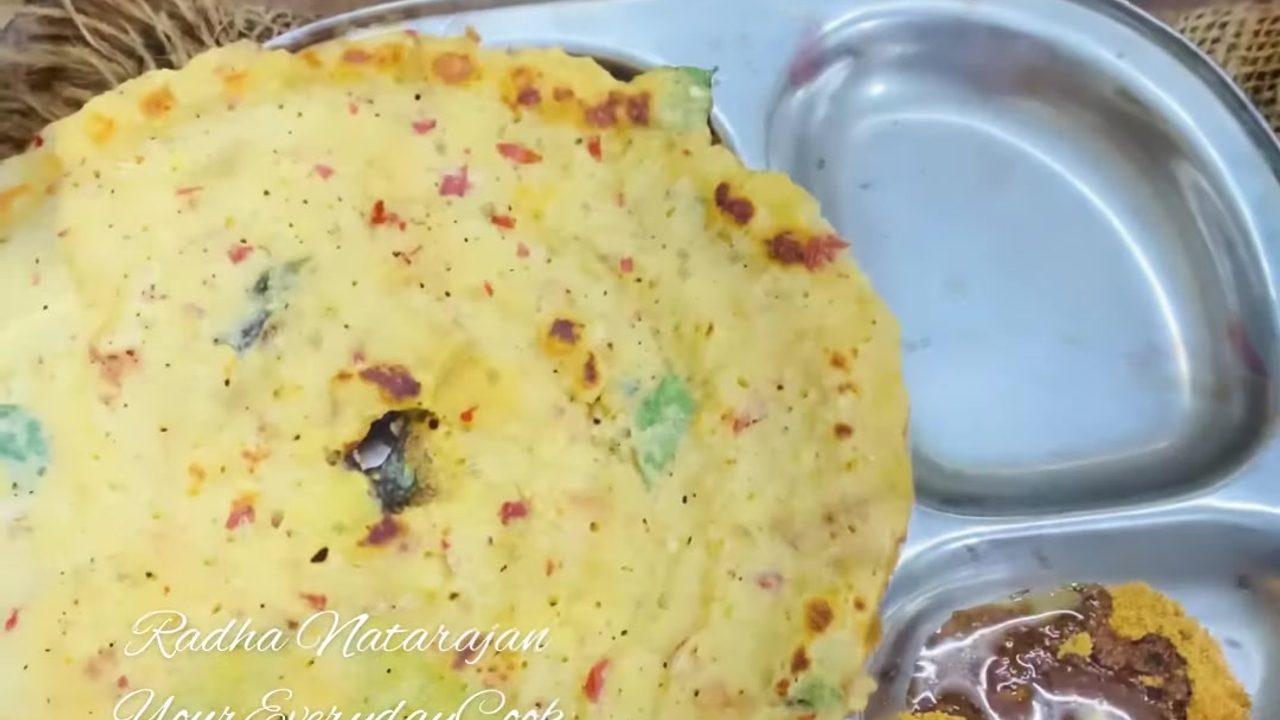
Protein Rich Diabetic Friendly Adai
Cuisine
Indian · South Indian
Prep + Cook Time
2 hr 20 min
Difficulty Level
Medium
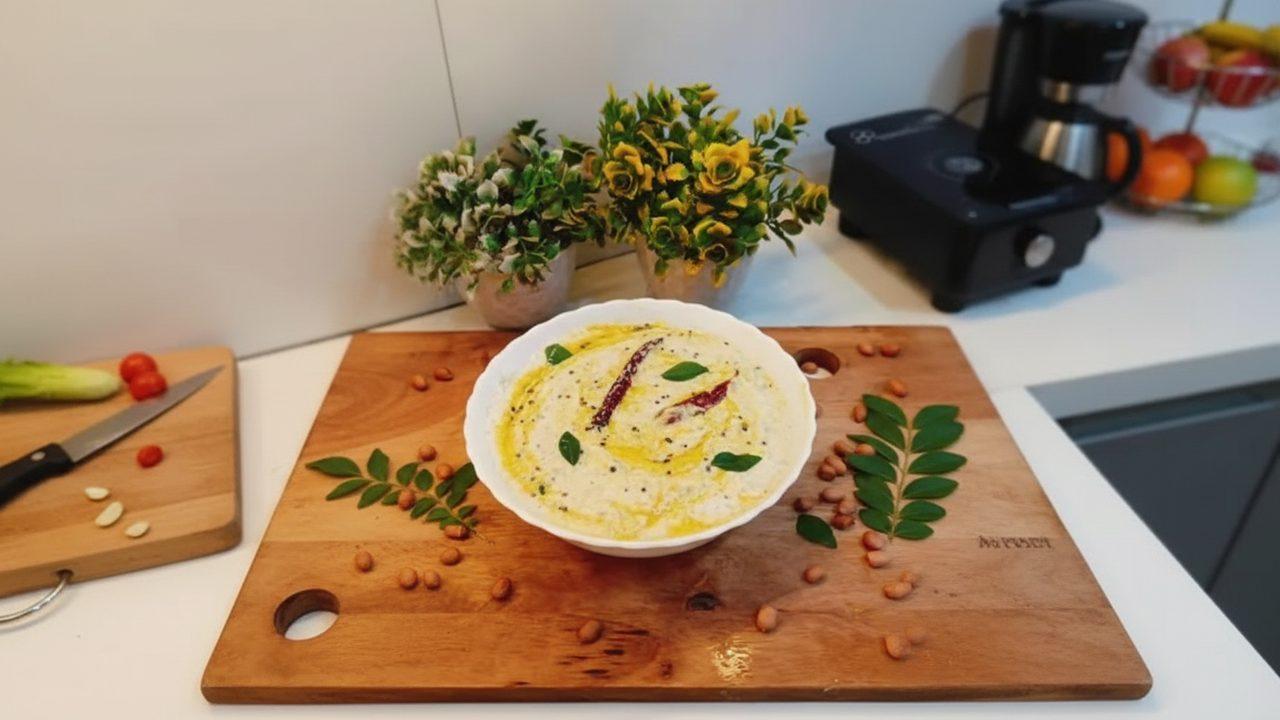
South Indian Coconut Chutney
Cuisine
Indian · South Indian
Prep + Cook Time
20 Minutes
Difficulty Level
Easy
![Maavu Urundai [Nei Urundai] – Kongunadu Village Style](/_next/image?url=https%3A%2F%2Fi.ytimg.com%2Fvi%2F_eycrCh6uGs%2Fmaxresdefault.jpg&w=3840&q=75)
Maavu Urundai [Nei Urundai] – Kongunadu Village Style
Cuisine
Indian · South Indian
Prep + Cook Time
25 Minutes
Difficulty Level
Easy
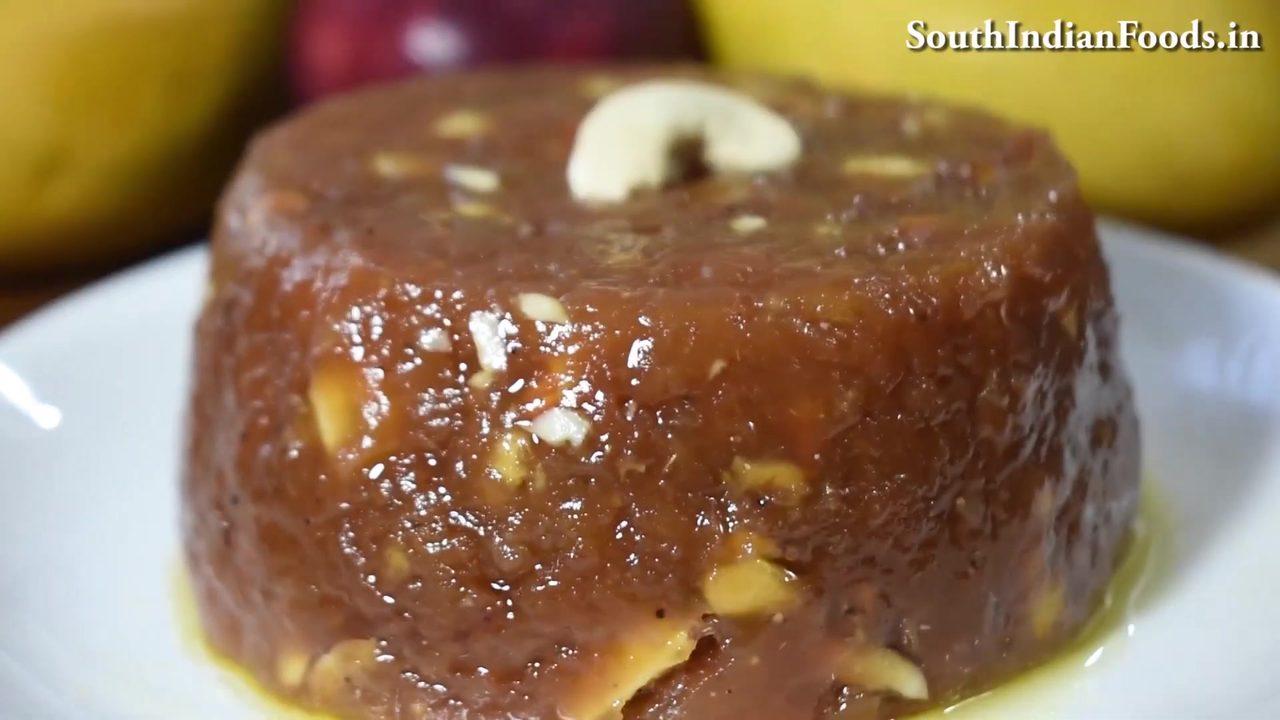
Caramel Banana Halwa – Instant Sweet Kadai Style Halwa
Cuisine
Indian · South Indian
Prep + Cook Time
30 Minutes
Difficulty Level
Easy
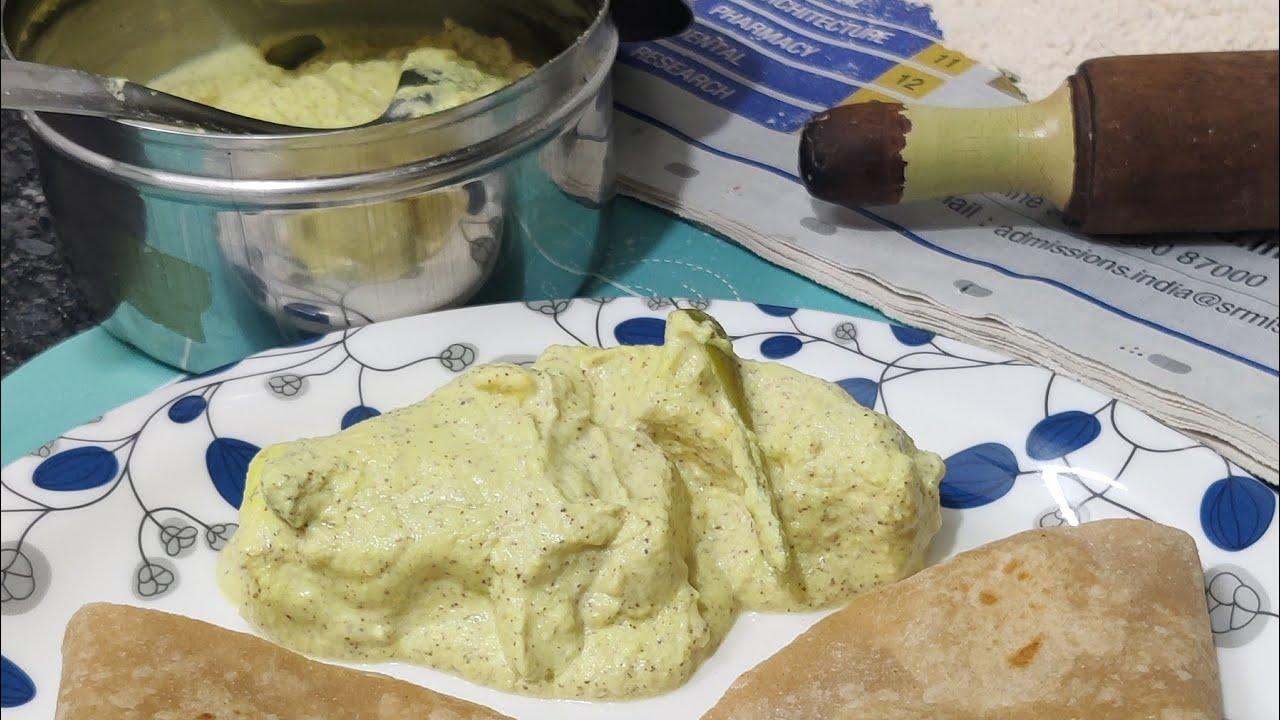
Paneer Box Gravy (Bengali Special) for Chapati & Rice | Less Oil, No Onion, No Garlic
Cuisine
Indian · Bengali
Prep + Cook Time
40 Minutes
Difficulty Level
Comments (0)
Sign in to leave a comment on this recipe.
Loading comments...