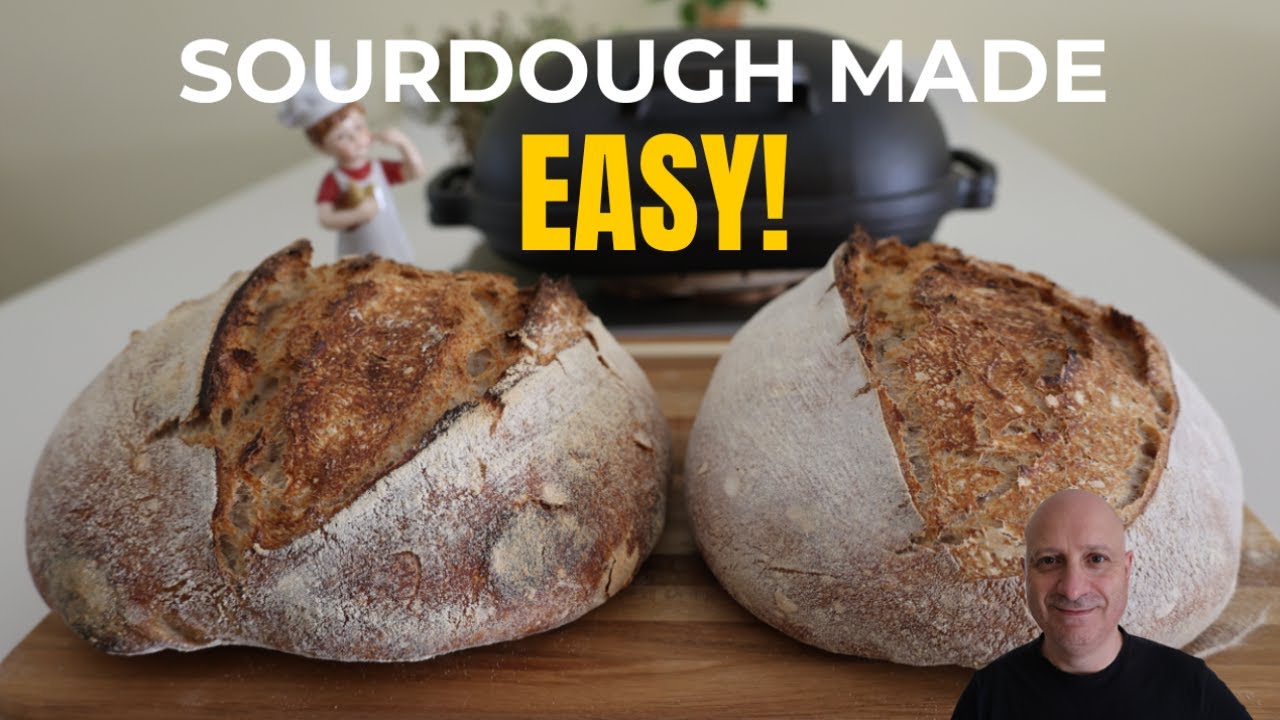
How to make Sourdough Bread - Full Recipe
Sourdough Starter (for 2 loaves)
Bread Dough (for 2 loaves)
Step-by-Step Instructions
Follow each step to make the recipe successfully.
Prepare the Sourdough Mixture
Weigh 220g of sourdough starter into a large mixing bowl. Add 750g of water and use a to dissolve the sourdough starter completely until no lumps remain.
Add Salt and Flour
Add 26g of salt to the sourdough and water mixture and mix until fully incorporated. Then, add 1200g of bread flour to the bowl and continue mixing with a dough until all ingredients are fully incorporated and a shaggy dough forms.
First Rest
Cover the bowl with a lid or plastic wrap and let the dough rest for at room temperature.
Perform Slap and Fold
After the first rest, transfer the dough to a clean, lightly floured surface. Perform the slap and fold technique for until the dough becomes smooth and elastic.
Second Rest
Place the dough back into the bowl, cover it, and for another .
First Stretch and Fold
After the second rest, perform the first set of stretch and folds. Gently stretch a portion of the dough upwards and fold it over itself. Rotate the bowl and repeat this process 3-4 times until all sides have been stretched and folded.
Third Rest
Cover the bowl and let the dough rest for another .
Second Stretch and Fold
Perform the second set of stretch and folds, repeating the process of gently stretching and folding the dough 3-4 times.
Fourth Rest
Cover the bowl and let the dough rest for another .
Third Stretch and Fold
Perform the third and final set of stretch and folds, repeating the process of gently stretching and folding the dough 3-4 times.
Bulk Fermentation
Cover the bowl and let the dough rest for bulk fermentation. The total bulk fermentation time, including all previous rests and folds, will be from the initial mixing.
Dough Lamination
After bulk fermentation, gently transfer the dough onto a clean, lightly floured surface. Carefully stretch the dough into a large, thin rectangle. Fold the dough from one side to the center, then fold the other side over it, creating a layered rectangle. Roll the dough from one end to the other to form a tight log.
Divide and Initial Shaping
Divide the dough into two equal portions using a dough scraper. Gently shape each portion into a round ball. Cover the dough balls and let them rest for .
Final Shaping and Proofing
After the 10-minute rest, shape each dough portion into its final desired form (e.g., oval or round) and place it seam-side up into a floured proofing basket (banneton).
Cold Proofing
Place the proofing basket containing the shaped dough into an airtight bag and refrigerate overnight for cold proofing. This slow fermentation develops deeper flavors.
Preheat Oven and Dutch Oven
Preheat your oven to 230°C (approximately 445°F) (450°F (approximately 230°C)) with the Dutch oven inside for . This ensures the Dutch oven is thoroughly heated, creating a steamy environment for baking.
Prepare Dough for Baking
Remove the airtight bag from the proofed dough. Gently brush off any excess flour from the dough surface. Carefully remove the dough from the proofing basket onto a piece of parchment paper.
Flour and Score
Lightly flour the top of the dough. Using a razor blade or a sharp knife, top of the dough with your desired pattern. This helps control the expansion of the bread during baking.
Bake Covered
Carefully transfer the scored dough on the parchment paper into the preheated Dutch oven. Cover with the lid and bake for at 230°C (approximately 445°F) (450°F (approximately 230°C)).
Bake Uncovered
After , remove the lid from the Dutch oven. Continue baking for an additional , or until the crust is golden brown and the internal temperature reaches 93-99°C (approximately 200°F) (200-210°F (approximately 95°C)).
Before You Cook
Helpful details before you startPlan Ahead
Complete this step earlier to save time later.
- View Step 11Bulk Fermentation
Cover the bowl and let the dough rest for bulk fermentation. The total bulk fermentation time, including all previous rests and folds, will be 5 hours and 30 minutes from the initial mixing.
- View Step 12Dough Lamination
After bulk fermentation, gently transfer the dough onto a clean, lightly floured surface. Carefully stretch the dough into a large, thin rectangle. Fold the dough from one side to the center, then fold the other side over it, creating a layered rectangle. Roll the dough from one end to the other to form a tight log.
- View Step 15Cold ProofingOvernight
Place the proofing basket containing the shaped dough into an airtight bag and refrigerate overnight for cold proofing. This slow fermentation develops deeper flavors.
Helpful Tips
Small details that can improve the final result.
You might also like
Other recipes in the same cuisine, meal type, or style — ready to cook whenever you are.
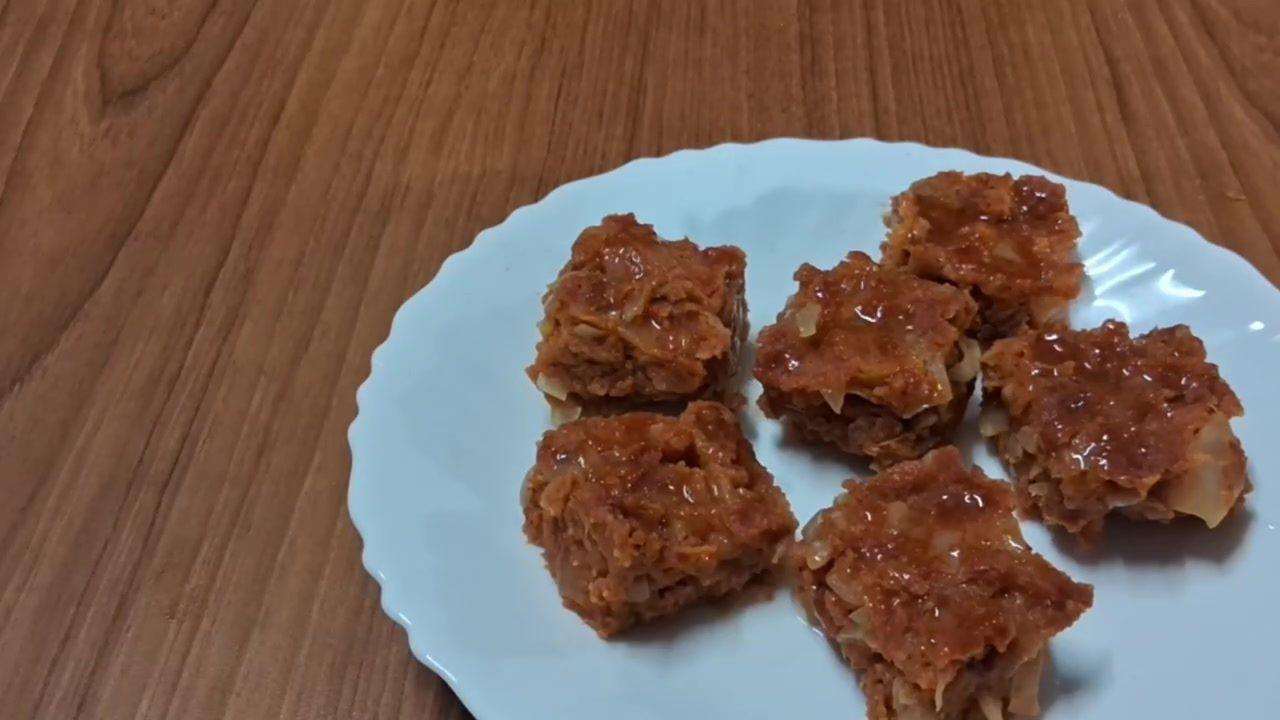
Steamed Spicy Cabbage Idli (Cabbage Sanna Kotto)
Cuisine
Indian · South Indian
Prep + Cook Time
40 Minutes
Difficulty Level
Easy
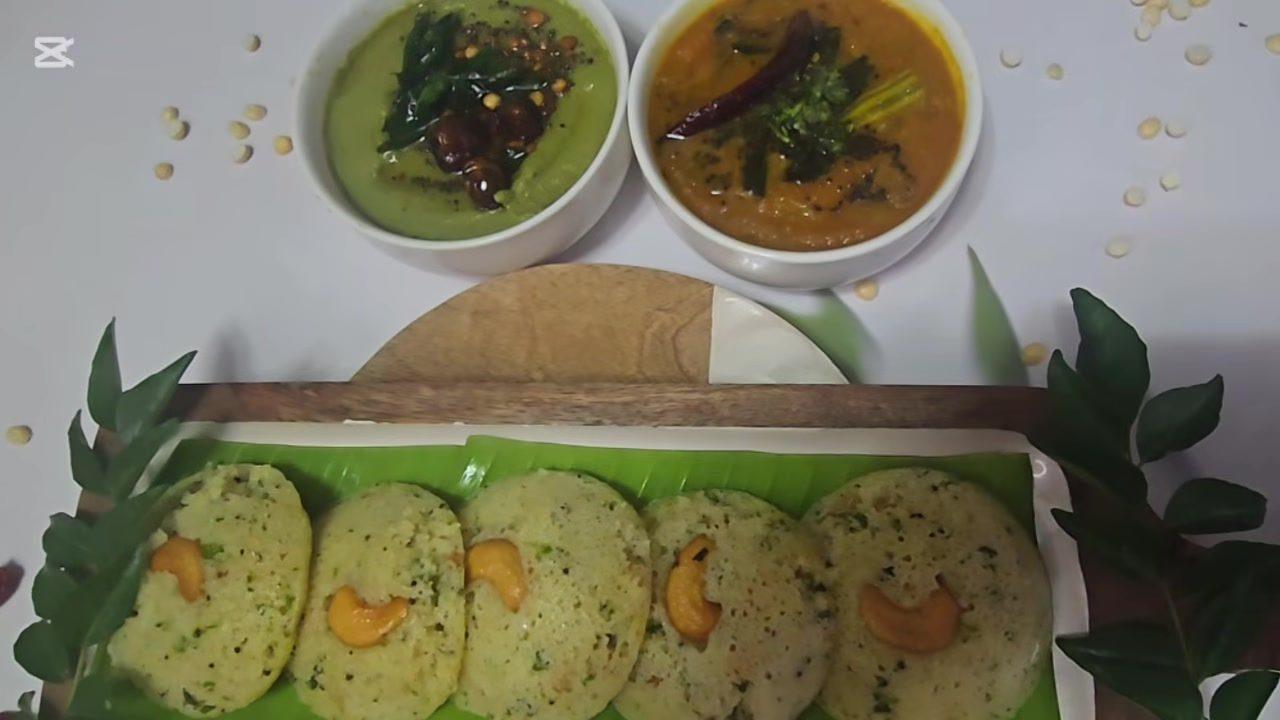
Rava Idli with Coconut Mint Chutney
Cuisine
Indian · South Indian
Prep + Cook Time
1 hr
Difficulty Level
Easy

Tortilla (Spanish Omelette)
Cuisine
Spanish
Prep + Cook Time
50 Minutes
Difficulty Level
Medium

Vegetable Rava Mini Idli (Low Oil)
Cuisine
Indian · South Indian
Prep + Cook Time
35 Minutes
Difficulty Level
Easy
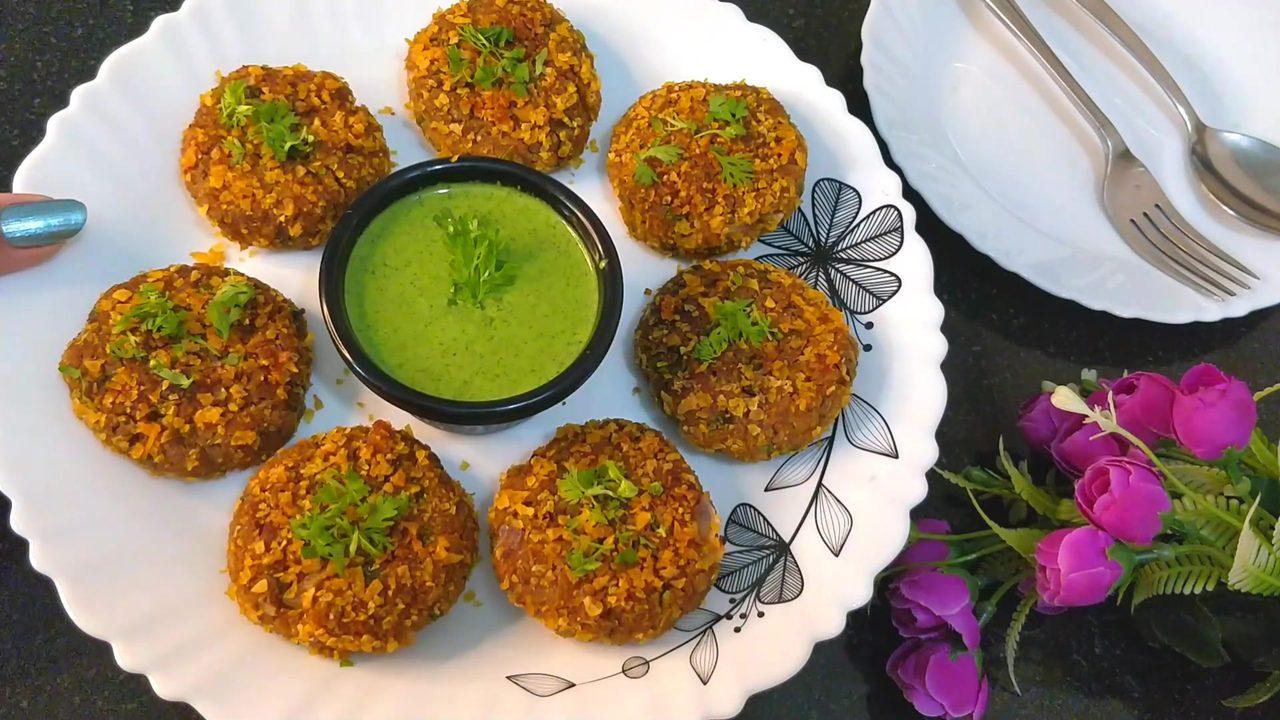
Soya Cutlet / Soya Kabab
Cuisine
Indian
Prep + Cook Time
30 Minutes
Difficulty Level
Easy
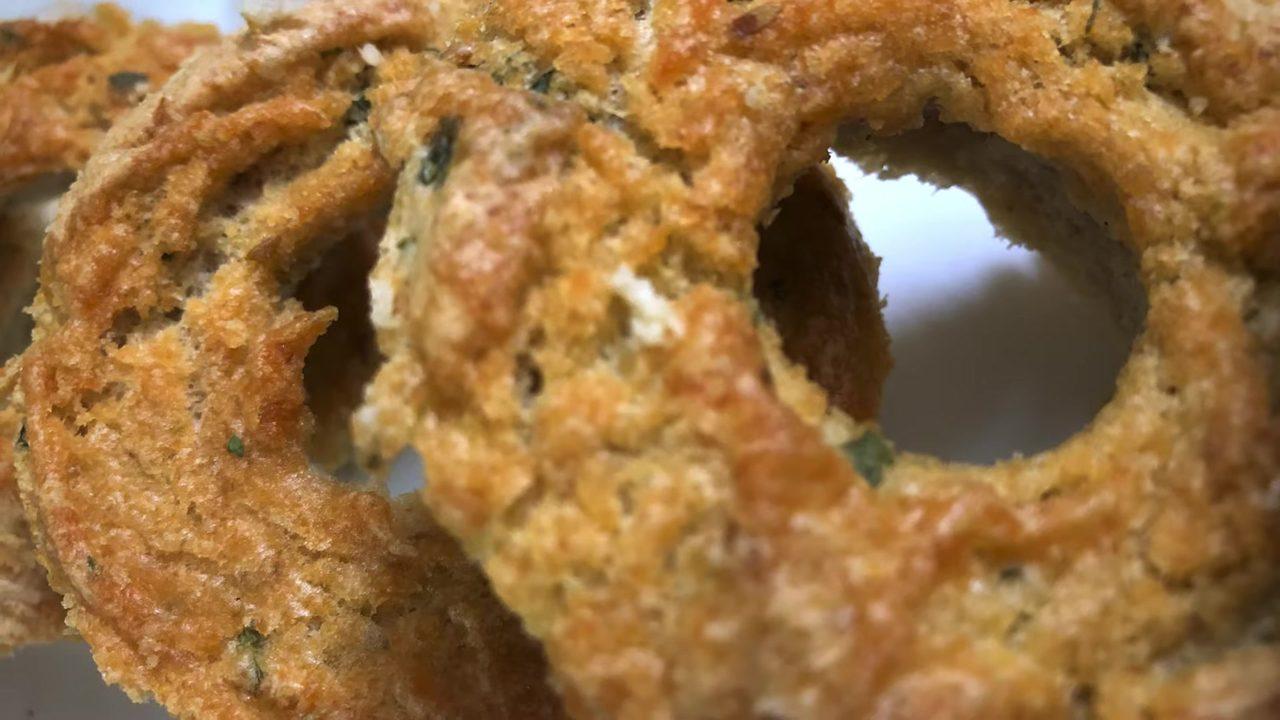
Baked Medu Vada – Healthy Snack
Cuisine
Indian · South Indian
Prep + Cook Time
45 Minutes
Difficulty Level
Comments (0)
Sign in to leave a comment on this recipe.
Loading comments...