How to make Soft Roti/Chapati/Phulka on an Electric Stove
For the Roti Dough
Step-by-Step Instructions
Follow each step to make the recipe successfully.
Prepare the Dough Mixture
In a large bowl, combine 1.5 cups of atta (whole wheat flour), 1/4 teaspoon of salt, and 1 teaspoon of oil (optional). Rub the flour and oil together with your hands until it resembles a breadcrumb-like texture.
Add Hot Water and Rest
Add a little less than 1 cup of boiling hot water to the flour mixture. Mix everything with a spoon. Let the mixture rest for .
Knead the Dough
Once the dough is comfortable enough to handle, start it. Keep a bowl of warm water nearby. Dip your knuckle in warm water, spread out the dough by pressing your knuckle into it, then gather it together. Repeat this process until you get a soft and very smooth dough that is not sticky. If the dough is too sticky, add a teaspoon of flour at a time. If it's too stiff, sprinkle a little water at a time.
Rest the Dough Again
Cover the dough with a bowl or a wet cloth and for . This makes the dough more manageable for rolling.
Form Dough Balls
After , the dough one more time. Divide the dough into small, even portions. For beginners, smaller balls are easier to handle. Take each portion, rotate it between your palms, and work it into a smooth, round ball without any large cracks. Gently press it to flatten it slightly. Cover the formed dough balls so they do not dry out while you roll them.
Prepare for Rolling
Take one dough ball, dust it with atta (flour). Dust your work surface (chakla or kitchen counter) with flour. Gently press the dough ball out with your finger to flatten it.
Roll Out the Roti
Start rolling the roti using a rolling pin. Roll out the top and bottom, then turn the roti a little and roll again. Do not put a lot of pressure. Roll gently along the sides to ensure even thickness. The rolled-out roti should have an even thickness, neither too thin (can turn hard) nor too thick. Flip the roti between your palms to remove any excess dry flour. This prevents the roti from turning hard while cooking.
Heat the Pan (Tawa)
Heat a heavy-bottomed pan or skillet (tawa) on medium-high heat. For an electric stove, set the heat between 3 and 4. Test the pan's readiness by sprinkling a few drops of water; if the beads disappear quickly, the pan is ready.
Cook the Roti - First Side
Carefully place the rolled roti on the hot tawa. As soon as you see the color on the surface changing and little bubbles forming, immediately flip the roti.
Cook the Roti - Second Side and Puff
Wait for , then flip again. When the roti starts puffing up, gently touch it all around with a spatula to help it puff completely. If a roti doesn't puff up, don't overcook it, as it will turn hard.
Store and Serve
Once cooked, place the roti in a bowl or pot lined with a clean cloth to prevent it from turning soggy. Optionally, smear a little extra virgin olive oil (or ghee/butter) on the cooked roti to keep it soft for a long time. Serve the soft rotis with your favorite curry.
Before You Cook
Helpful details before you startIngredient SubstitutionsMissing something? View suitable alternatives.View 2 swaps
No Butter?
- 3/4 the amount of olive oil (for cooking, not baking)
- Equal parts ghee — Slightly nuttier flavor.
- Equal parts coconut oil (in baking)
No Ghee?
- Unsalted butter (1:1)
- Neutral oil (1:1, lacks the toasted note)
Variations
Simple ways to adapt this recipe.
- Puffing rotis directly on an
Puffing rotis directly on an electric stove (refer to a separate detailed video by the creator).
Helpful Tips
Small details that can improve the final result.
More from Curries With Bumbi
Other recipes converted from Curries With Bumbi's cooking videos.

Easy Paneer Curry – North Indian Style
Cuisine
Indian · North Indian
Prep + Cook Time
45 Minutes
Difficulty Level
Easy

Vegetable Dal (Lentil Curry) with Tarka – Indian Style
Cuisine
Indian · Bengali
Prep + Cook Time
1 hr
Difficulty Level
Medium
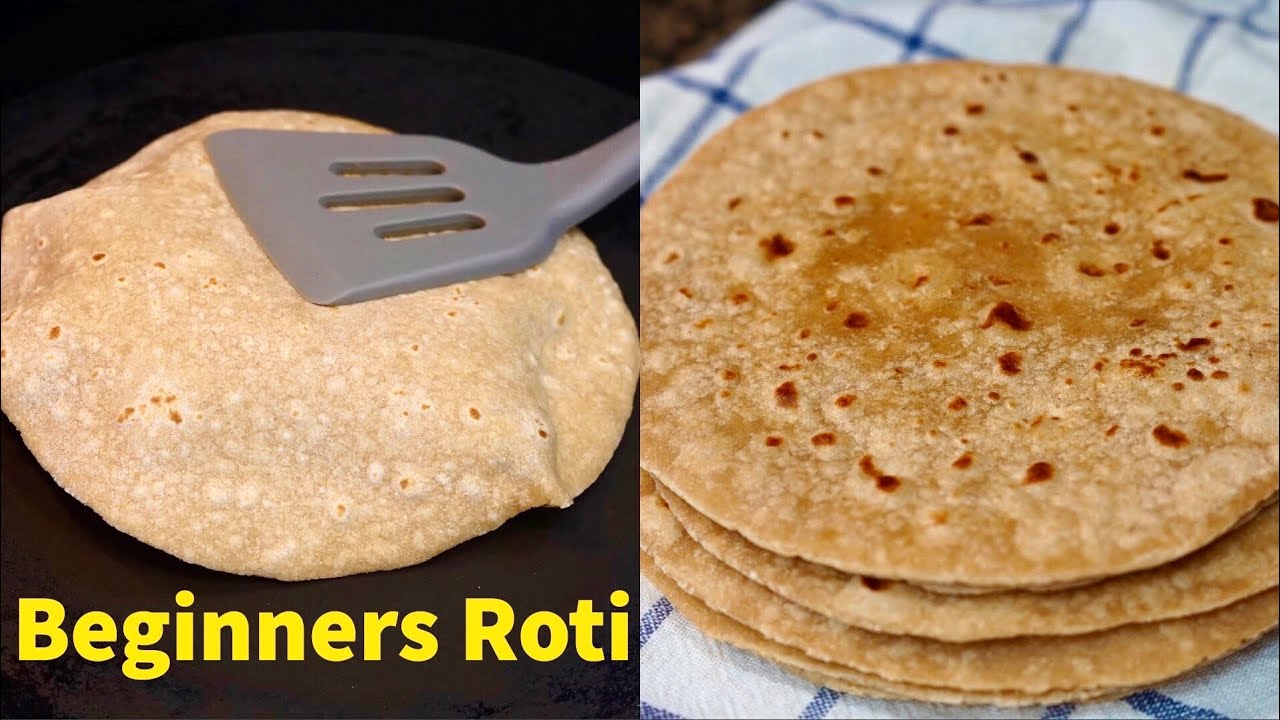
How to make soft Roti/Chapati/Phulka on an electric stove
Cuisine
Indian · North Indian
Prep + Cook Time
50 Minutes
Difficulty Level
Medium

Chicken Biryani - Restaurant Style
Cuisine
Indian · Mughlai
Prep + Cook Time
2 hr 15 min
Difficulty Level
Medium

Dal Makhani – Punjabi Style
Cuisine
Indian · North Indian
Prep + Cook Time
1 hr 15 min
Difficulty Level
Medium
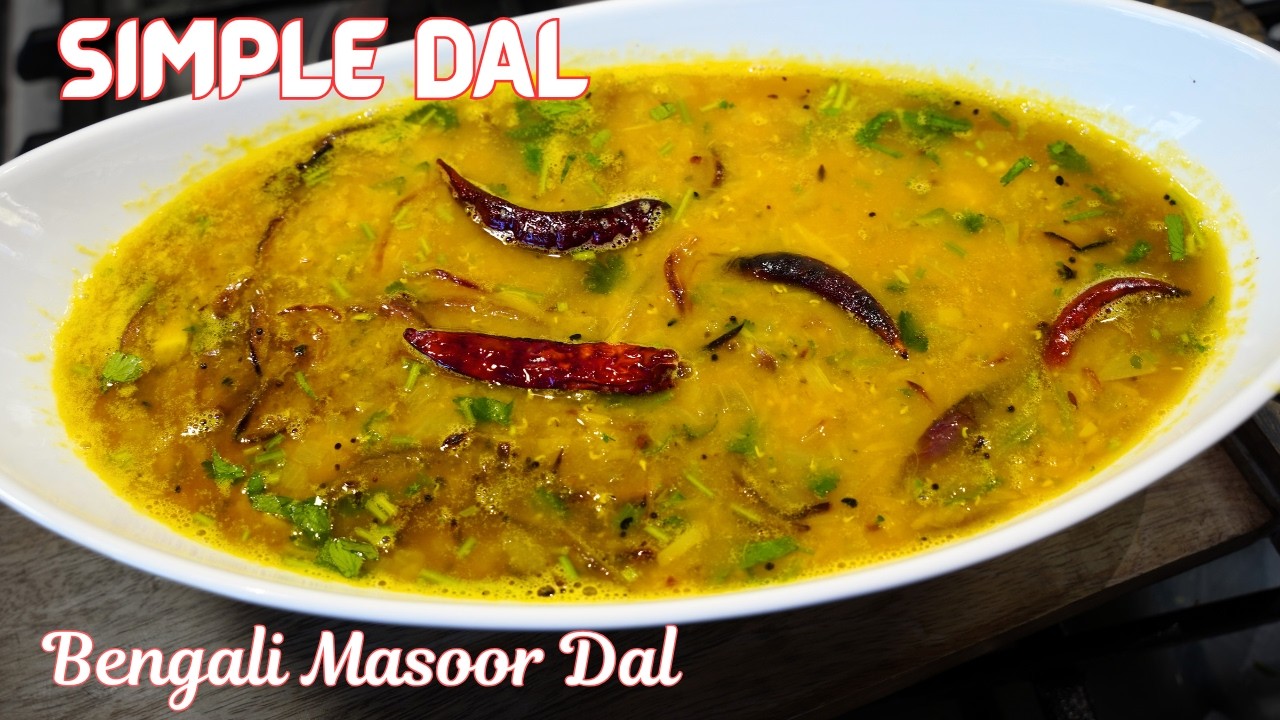
Masoor Dal (Red Lentil Soup) – East Indian Style
Cuisine
Indian · East Indian / Bengali
Prep + Cook Time
40 Minutes
Difficulty Level
Easy
You might also like
Other recipes in the same cuisine, meal type, or style — ready to cook whenever you are.

Homemade Roti (Indian Flatbread)
Cuisine
Indian · North Indian
Prep + Cook Time
32 Minutes
Difficulty Level
Easy

Crispy Dosa with Chutney - South Indian Style
Cuisine
Indian · South Indian
Prep + Cook Time
10 hr 45 min
Difficulty Level
Medium
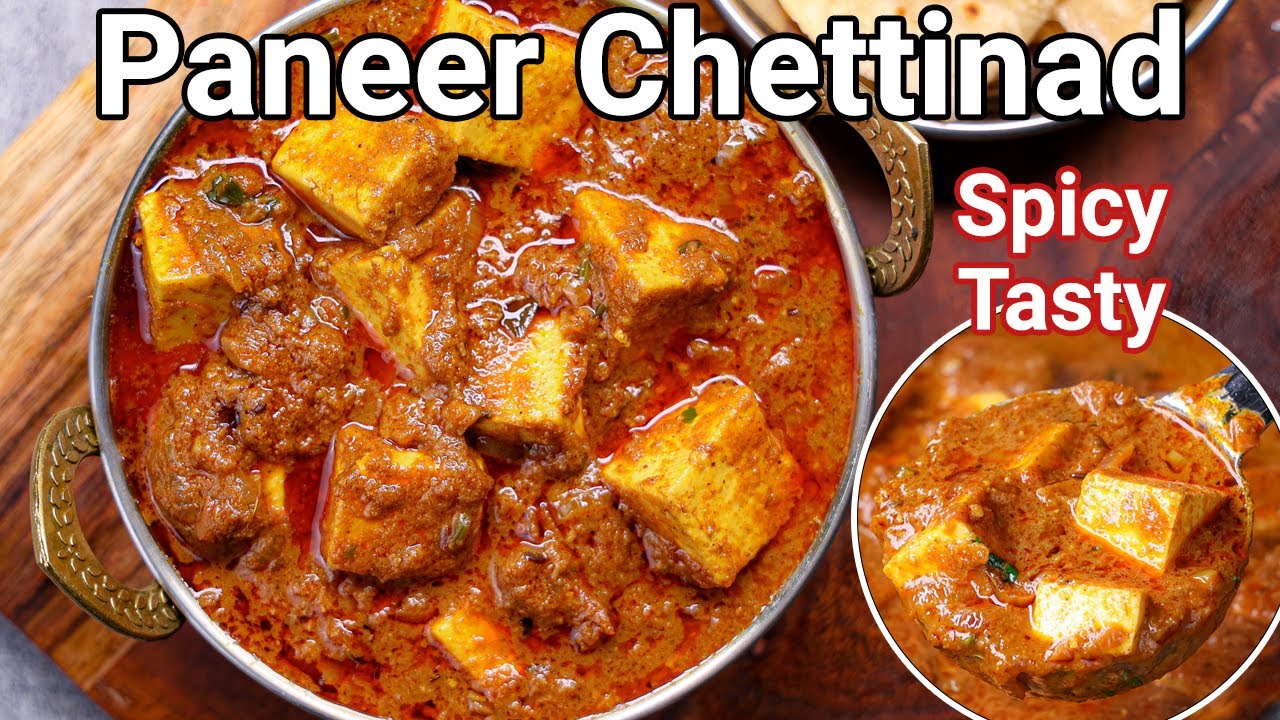
Spicy Homemade Masala Paneer Chettinad (South Indian Paneer Curry)
Cuisine
Indian · South Indian
Prep + Cook Time
45 Minutes
Difficulty Level
Medium

Perfect Chapatti / Roti
Cuisine
Indian · South Asian
Prep + Cook Time
47 Minutes
Difficulty Level
Medium
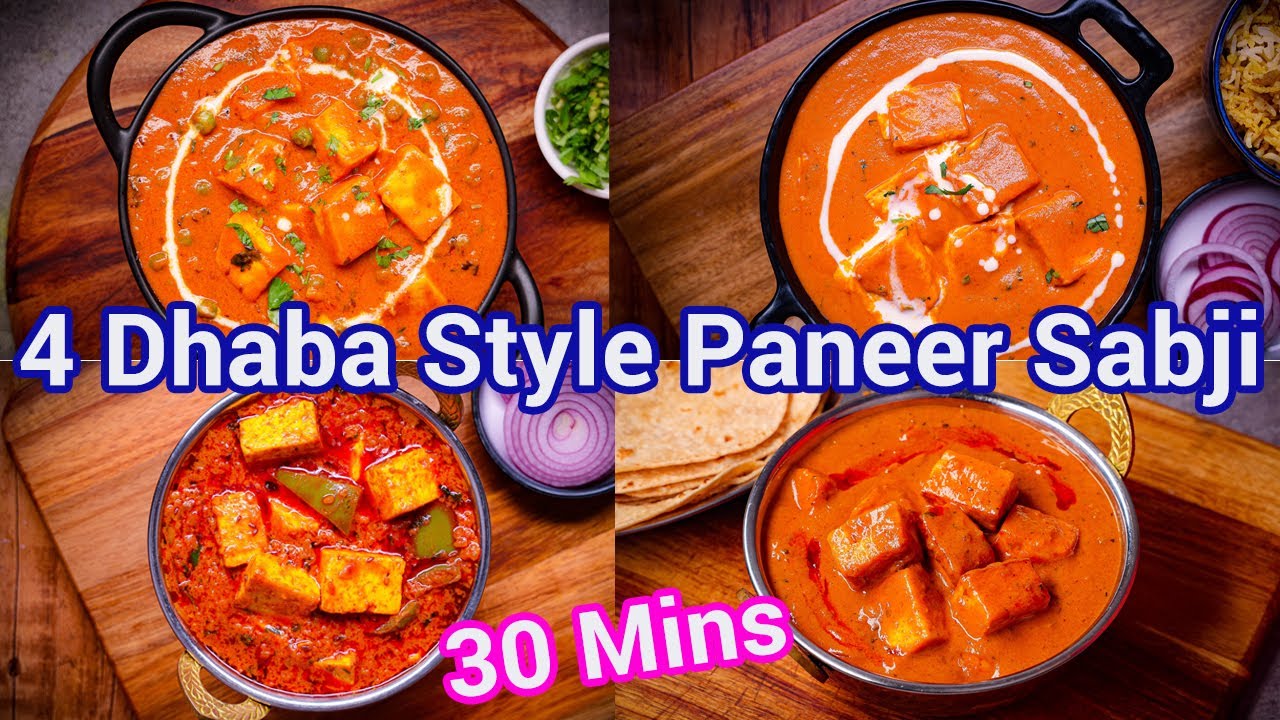
Dhaba Style Curry MUTTER PANEER
Cuisine
Indian · North Indian
Prep + Cook Time
40 Minutes
Difficulty Level
Medium

Palak Paneer with a Twist
Cuisine
Indian · North Indian
Prep + Cook Time
35 Minutes
Difficulty Level
Comments (0)
Sign in to leave a comment on this recipe.
Loading comments...