Dahi Wale Chole – Yogurt Chickpea Curry
For Boiling Chole
For Tempering and Gravy
Step-by-Step Instructions
Follow each step to make the recipe successfully.
Boil the Chickpeas
In a pressure cooker, add 3 cups of water, salt as per taste, 1/4 tsp turmeric powder, and 1 tsp oil. Then add 1 cup of Kabuli Chana (chickpeas) that has been soaked for , along with 1 tsp of washed chana dal. Close the lid and pressure cook for 8-10 whistles until the chickpeas are soft and tender.
Prepare the Tempering
Heat 2 tsp of Amul Cow Ghee in a separate pan. Add 1 bayleaf, 2 cloves, 2 cardamoms, and 2 black peppercorns. for a few seconds until fragrant. Then add 1 tsp each of garlic paste, ginger paste, and green chilly paste. these pastes well until the raw smell disappears, about .
Combine and Thicken
Add the boiled chickpeas to the mixture. Mix well. Pour in 2-3 tablespoons of besan paste (gram flour mixed with a little water) and stir continuously to avoid lumps. Then, add 2-3 teaspoons of beaten fresh Amul curd (dahi) and mix thoroughly. Continue to stir until the curd is fully incorporated and the mixture starts to thicken.
Adjust Consistency and Finish
Add some of the reserved water from boiling the chickpeas to achieve the desired gravy consistency. Stir and let it for until the flavors meld and the gravy thickens slightly. Finally, add fresh chopped coriander (hara dhaniya) and mix.
Serve
Transfer the Dahi Wale Chole to a serving bowl. Drizzle with red chili oil for a vibrant color and extra flavor, and garnish with more fresh coriander. Serve hot with puri, aloo sabzi, sliced onions, and green chilies.
Before You Cook
Helpful details before you startIngredient SubstitutionsMissing something? View suitable alternatives.View 4 swaps
No Ghee?
- Unsalted butter (1:1)
- Neutral oil (1:1, lacks the toasted note)
No Garlic (fresh)?
- 1/4 tsp garlic powder (per clove)
- 1/2 tsp garlic granules (per clove)
No Yogurt?
- Sour cream (1:1)
- Buttermilk (1:1, slightly thinner result)
No Cilantro?
- Flat-leaf parsley (1:1, milder)
- Fresh mint (in chutneys, salads)
Plan Ahead
Complete this step earlier to save time later.
- View Step 1Boil the Chickpeas6 hours
In a pressure cooker, add 3 cups of water, salt as per taste, 1/4 tsp turmeric powder, and 1 tsp oil. Then add 1 cup of Kabuli Chana (chickpeas) that has been soaked for 6-7 hours, along with 1 tsp of washed chana dal. Close the lid and pressure cook for 8-10 whistles until the chickpeas are soft and tender.
Variations
Simple ways to adapt this recipe.
- Serve with bhature for a
Serve with bhature for a classic chole bhature experience.
- Can be paired with steamedPreparation tip
Can be paired with steamed rice or roti instead of puri.
- For a richer flavor
A pinch of garam masala can be added at the end.
Helpful Tips
Small details that can improve the final result.
More from Nira's Cuisine The Food Studio
Other recipes converted from Nira's Cuisine The Food Studio's cooking videos.

Lemoni Peppery Paneer
Cuisine
Indian · Fusion
Prep + Cook Time
20 Minutes
Difficulty Level
Easy

Dahi Wale Chole (Yogurt Chickpea Curry)
Cuisine
Indian · North Indian
Prep + Cook Time
40 Minutes
Difficulty Level
Easy

Gujarati Special Methi Bhaji No Sheero
Cuisine
Indian · Gujarati
Prep + Cook Time
30 Minutes
Difficulty Level
Easy
You might also like
Other recipes in the same cuisine, meal type, or style — ready to cook whenever you are.
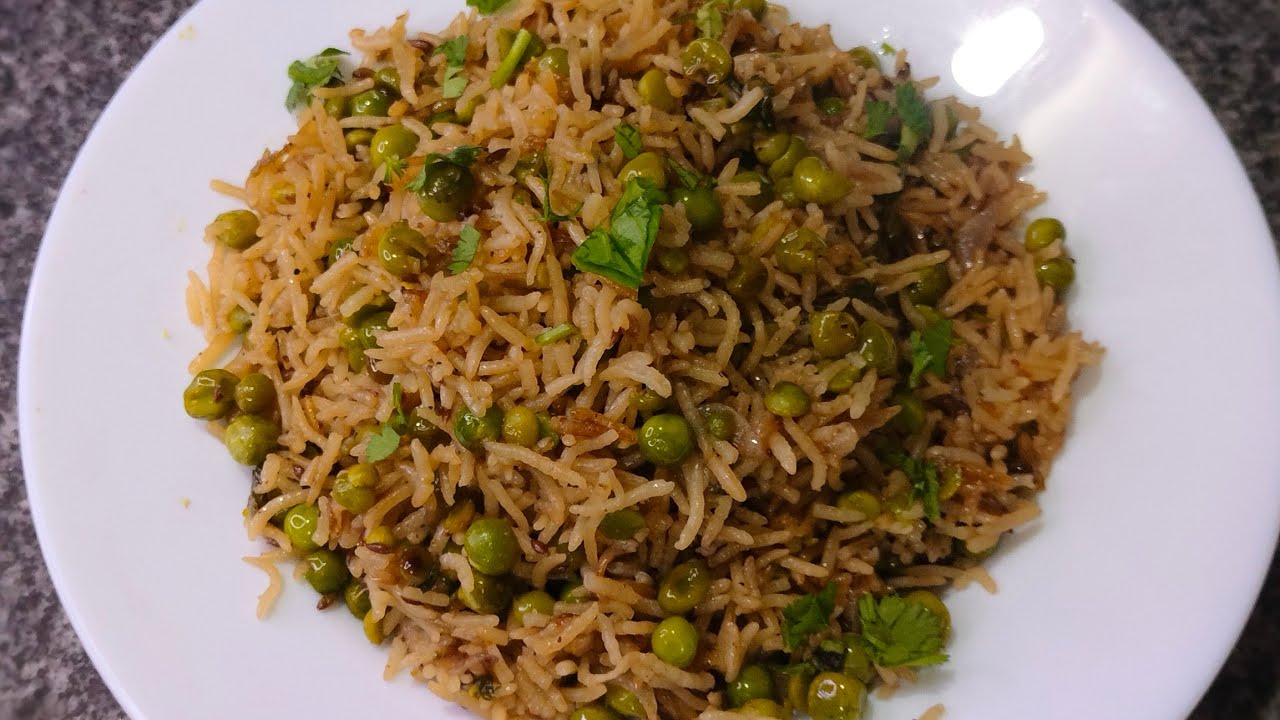
Matar Pulao - Simple and Tasty
Cuisine
Indian · North Indian
Prep + Cook Time
30 Minutes
Difficulty Level
Easy

Capsicum Sabji – Indian Style
Cuisine
Indian · North Indian
Prep + Cook Time
45 Minutes
Difficulty Level
Medium

Chilli Garlic Paneer Sauce with Corn Capsicum Rice
Cuisine
Indian · Indo-Chinese
Prep + Cook Time
40 Minutes
Difficulty Level
Medium

Thakkali Satham (Tomato Rice) – Kongu Style
Cuisine
Indian · South Indian
Prep + Cook Time
35 Minutes
Difficulty Level
Easy
Thakkali Satham (Tomato Rice) – Kongu Style
Cuisine
Indian · South Indian
Prep + Cook Time
30 Minutes
Difficulty Level
Easy

Tomato Rice – South Indian Style
Cuisine
Indian · South Indian
Prep + Cook Time
35 Minutes
Difficulty Level
Comments (0)
Sign in to leave a comment on this recipe.
Loading comments...