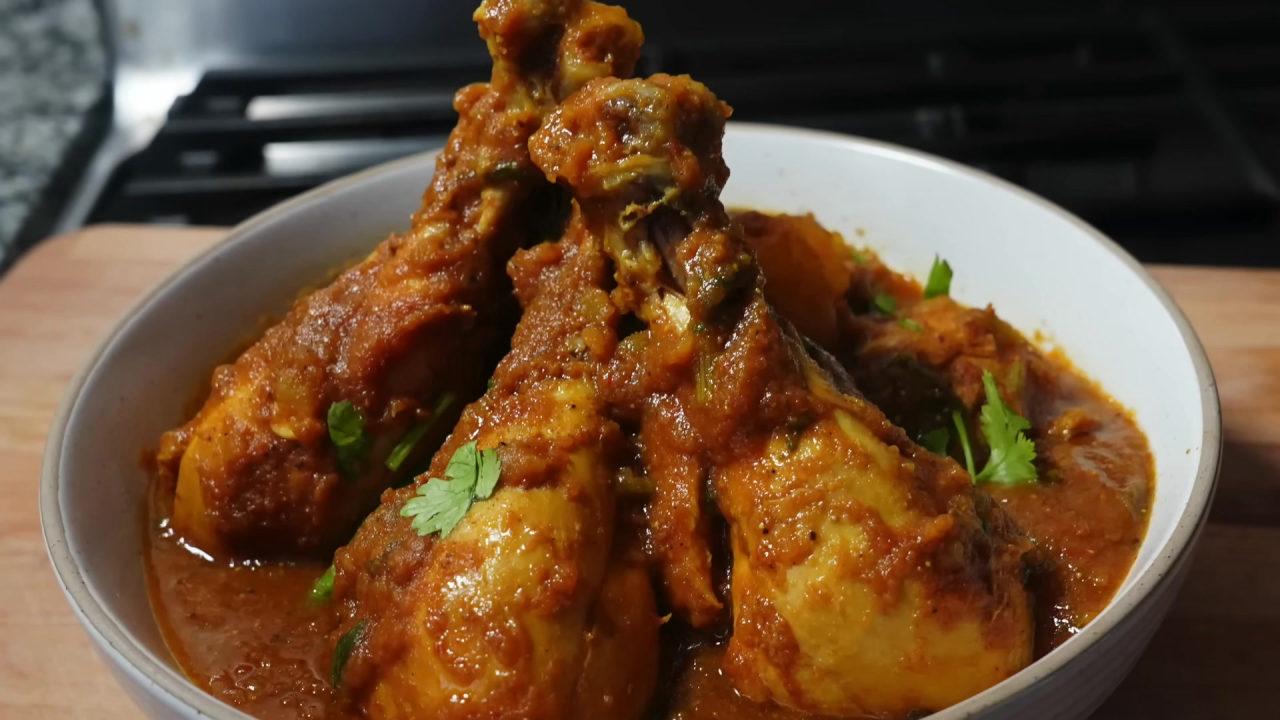
Chicken Curry – Indian Style
Recipe by CURRIES WITH BUMBI
Ingredients
For the Paste
- 1/4 of a large oneOnion
- 10-12Garlic Cloves
- 1 inch pieceGinger
- 2Green Chillies
- 1 largeTomato
For the Curry
- 4-5 tbspMustard Oil (or any cooking oil)
- 1Dried Bay Leaf
- 5-6Green Cardamoms
- 1 inch pieceCinnamon Stick
- 4-5Cloves
- 3/4 of a large oneOnion, sliced
- to tasteSalt
- 1 tspTurmeric Powder
- 1 tbspKashmiri Red Chilli Powder
- 1 kgChicken, curry cut
- 1 tspGround Coriander (optional)
- 1 tspGaram Masala Powder
- 1/2 cupPlain Yogurt, whisked
- 2-3 mediumPotatoes, peeled and halved (optional)
- 1 cupHot Water
- 1/2 tspSugar (optional)
- a pinchGround Mace (optional)
- a pinchGround Nutmeg (optional)
Step-by-Step Instructions
- 1.Prepare the Masala Paste
In a blender, combine 1/4 of a large onion, garlic cloves, ginger, green chillies, and a large tomato. Blend until you have a very smooth paste.
- 2.Prepare the Yogurt
In a small bowl, whisk the plain yogurt vigorously with a spoon until it is completely smooth and creamy. This prevents it from curdling when added to the hot curry.
- 3.Temper the Spices
Heat oil in a heavy-bottomed pan or kadai on high heat. Once hot, reduce the heat to low. Add the dried bay leaf (torn), cracked green cardamoms, cinnamon stick, and cloves. Sauté for a few seconds until fragrant.
- 4.Fry the Onions
Add the sliced onions to the pan along with a sprinkle of salt. Sauté on medium-high heat, stirring frequently, until the onions soften and the edges begin to brown. Lower the heat to medium-low and continue to stir constantly until the onions are evenly golden brown.
- 5.Add Powdered Spices and Paste
Reduce the heat to low and add a small splash of water to stop the browning process. Immediately add the turmeric powder and Kashmiri red chilli powder, and stir for 2-3 seconds. Add the prepared masala paste and cook on medium-high heat for 1-2 minutes, stirring continuously.
- 6.Sauté the Chicken
Add the well-drained chicken pieces to the pan. Mix well to coat the chicken in the masala. Increase the heat to high and cook, stirring frequently, until all the moisture released from the chicken has evaporated and the oil begins to separate from the masala.
- 7.Add Yogurt and Spices
Once the chicken is well-sautéed and the liquid has dried up, add salt to taste, ground coriander, and garam masala powder. Lower the heat to low and pour in the whisked yogurt. Stir immediately and continuously until the yogurt is fully incorporated and the gravy starts to bubble gently.
- 8.Add Potatoes and Simmer
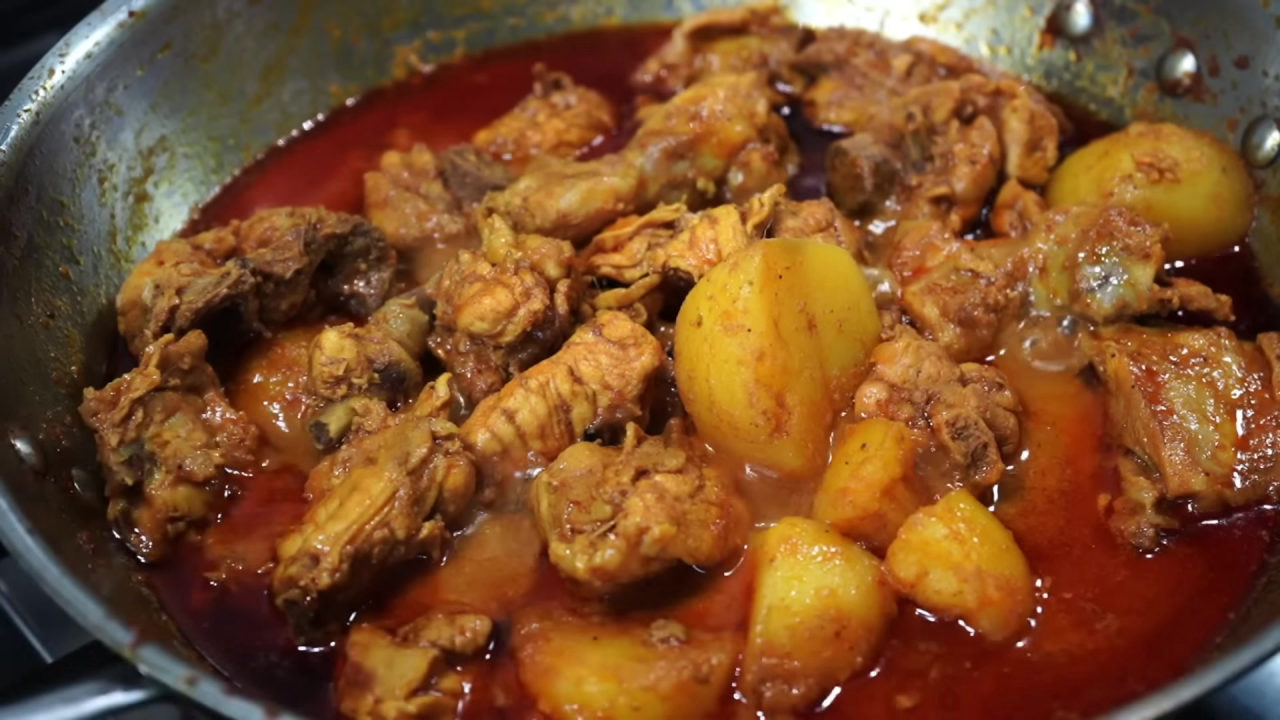
Add the potato pieces and mix them into the curry. Pour in about 1 cup of hot water. Add a pinch of sugar (optional) to balance the flavors. Stir everything together, bring to a simmer, then cover the pan with a lid.
- 9.Slow Cook the Curry
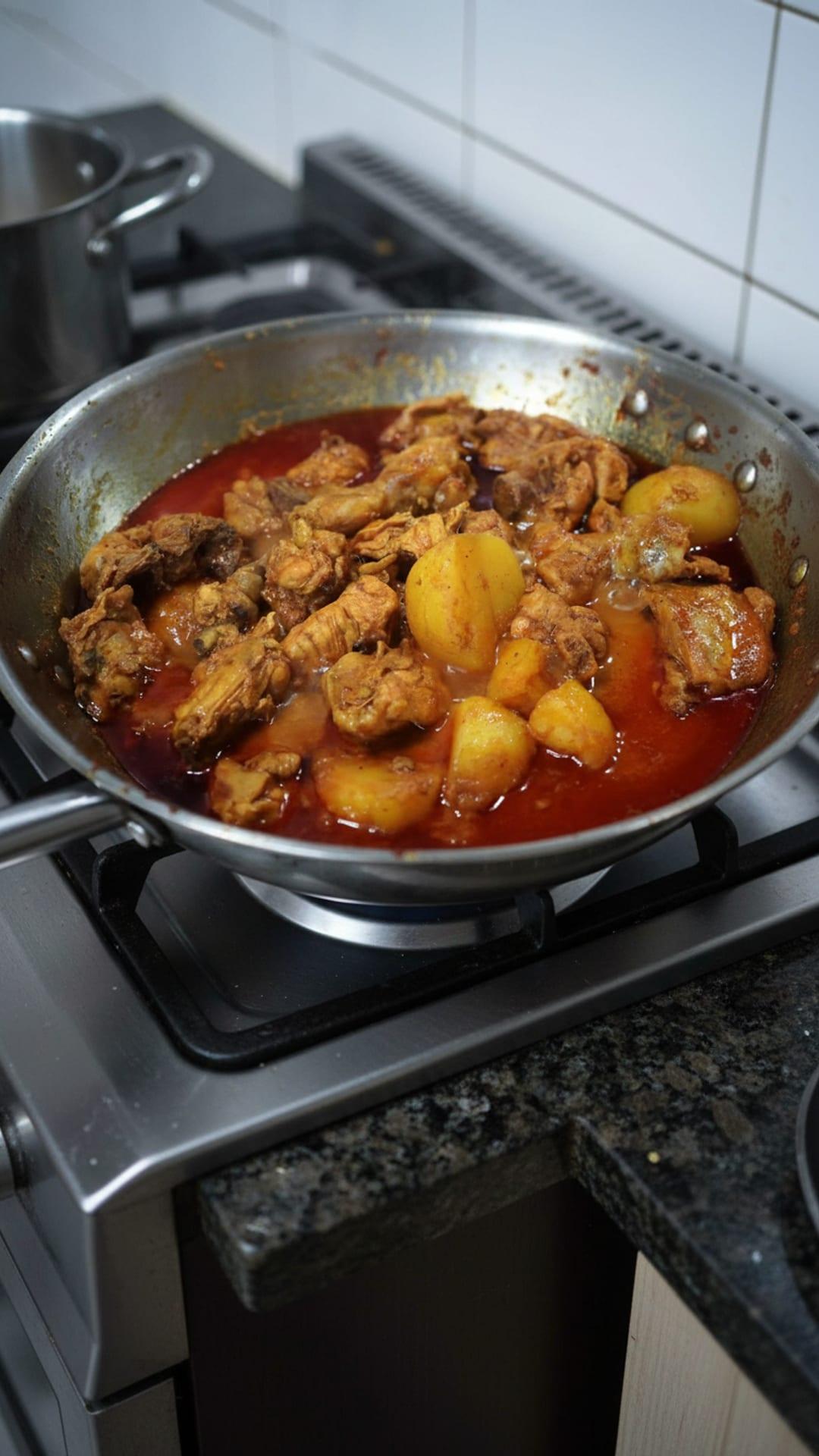
Reduce the heat to very low and let the curry simmer for 25 minutes. Make sure to uncover and give it a stir occasionally to prevent it from sticking to the bottom of the pan.
- 10.Final Touches and Serving
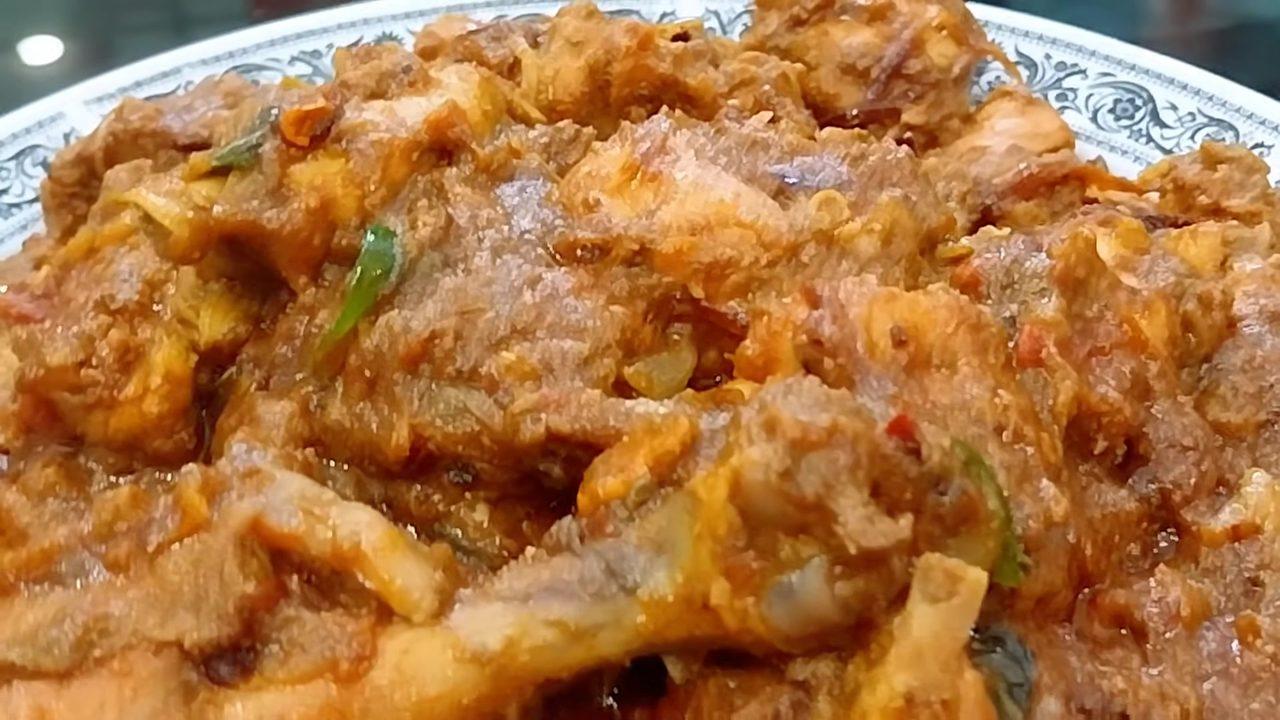
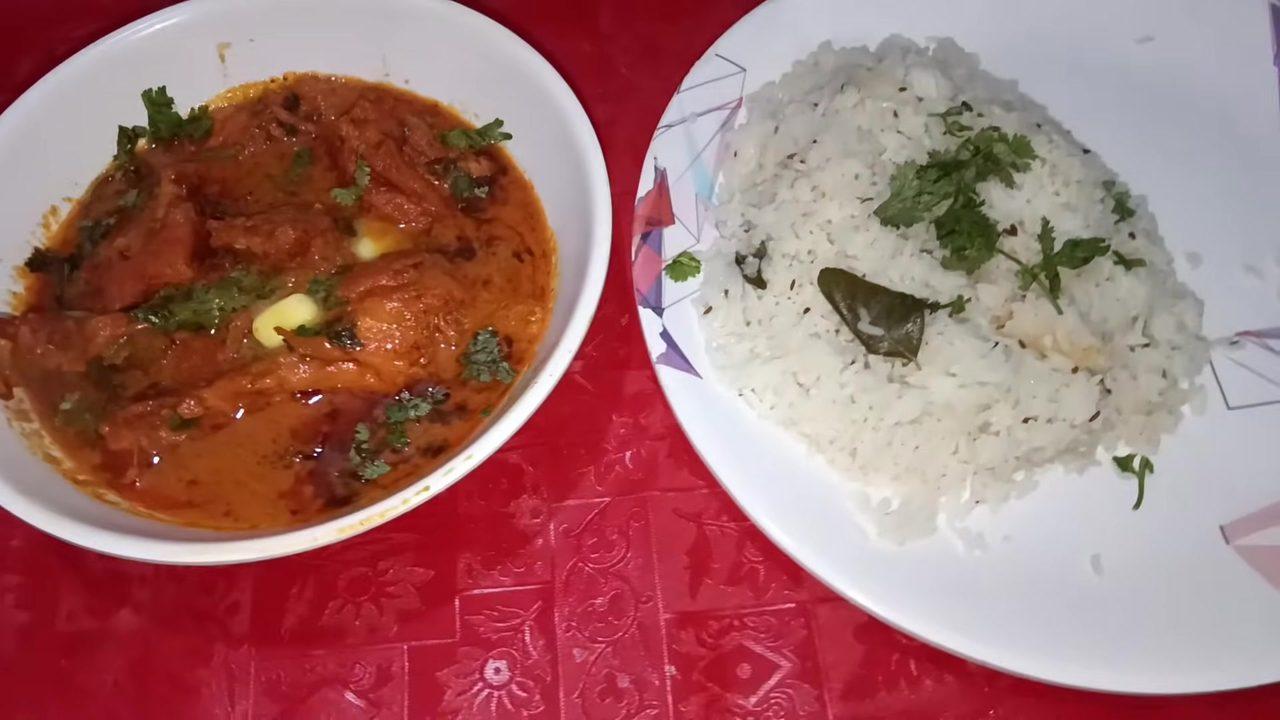
After 25 minutes, remove the lid. Using tongs, remove any visible whole spices like cardamom pods and cloves. Add a pinch of ground mace and nutmeg (optional) and give it a final stir. The chicken curry is now ready to be served.



Comments (0)
Sign in to leave a comment on this recipe.
Loading comments...