
Akkaravadisal - Traditional South Indian Sweet
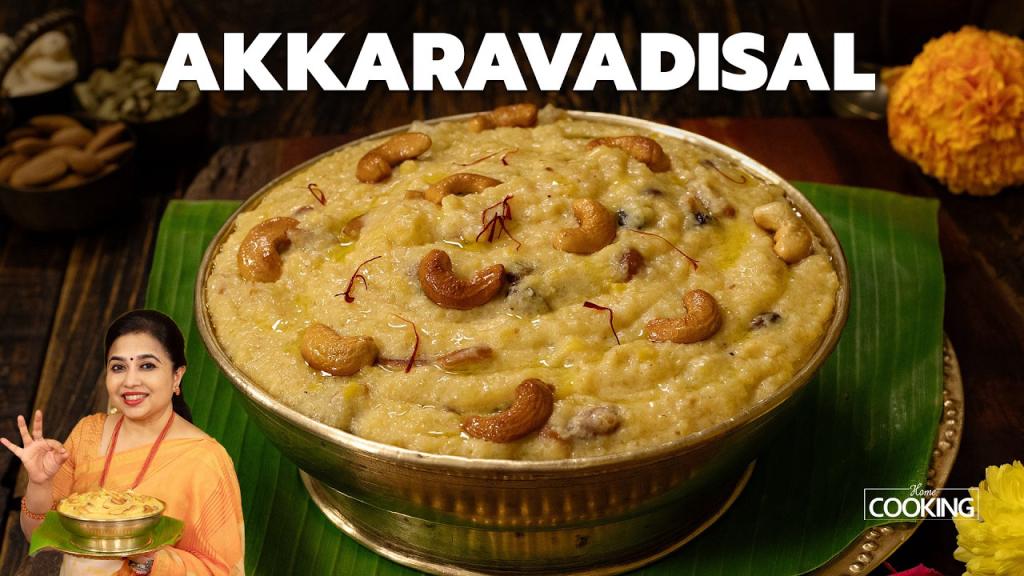
For Akkaravadisal
For Tempering
Step-by-Step Instructions
Follow each step to make the recipe successfully.
Prepare Jaggery Syrup
Take a saucepan and add 350 gms of jaggery and 3/4 cup of water. Place it on the stove and let the jaggery melt completely. Once it starts boiling and all the jaggery has dissolved, remove it from the flame and keep it aside to cool down completely to room temperature.
Roast Moong Dal
Take a small pan and add 2 tablespoons of moong dal. Keep the flame on low and roast it gently for about until you get a mild nutty fragrance. There's no need to roast it until it turns golden brown. Once done, transfer it to a bowl.
Roast Raw Rice
To the same pan, add 1/2 cup of raw rice. Roast the rice for about on low flame until it's lightly roasted. Once done, transfer the rice to the same bowl as the moong dal.
Wash Rice and Dal
Wash the roasted rice and dal together by adding water and rinsing them 2 to 3 times until the water runs clear. Keep this aside.
Boil Milk and Water
Take a wide, heavy-bottom pan and add 1 litre of 2% low-fat milk. Keep stirring and bring it to a boil. Once the milk comes to a good boil, add 1 litre of water. This ratio is important as Akkaravadisal needs a lot of liquid for the rice and dal to cook slowly and turn creamy.
Cook Rice and Dal in Milk Mixture
Once the milk and water mixture is heated, add the washed rice and moong dal. Mix it well and keep the flame on low. Let the rice and dal cook gently in the milk. This slow cooking process takes close to . Keep stirring at intervals to prevent sticking at the bottom. Be patient, as the real taste of traditional Akkaravadisal lies in this slow, careful cooking. As you keep stirring, you'll see the rice and dal breaking down beautifully and turning creamy.
Add Full Fat Milk
Once the rice and dal are fully cooked and soft, add 1 cup of boiled and cooled full-fat milk. This adds extra richness and creaminess. Mix it well.
Incorporate Jaggery Syrup
Now, add the cooled and strained jaggery syrup. Remember, the syrup should never be hot when added to the milk mixture. Mix everything gently until well combined and let it cook for another on low flame. After , turn off the stove and keep it aside.
Prepare Tempering
Take a small pan and add 1/2 cup of ghee. Once the ghee melts, add chopped cashew nuts and chopped almonds. Roast them on low flame until they turn golden and crunchy. Then, add the raisins and roast until they plump up nicely. Keep the flame on low throughout for even roasting. Once done, remove from the heat.
Final Assembly and Cooking
Place the rice and dal mixture back on the stove. Add a few strands of saffron for color and richness (this is entirely optional). Add 1 teaspoon of cardamom powder and mix everything well. Now, add the roasted nuts and raisins along with the ghee from the . Mix everything gently and let this cook for another on low flame. Just look at that consistency; it's thick, gooey, rich, and absolutely irresistible. Our traditional Akkaravadisal is now ready!
Before You Cook
Helpful details before you startIngredient SubstitutionsMissing something? View suitable alternatives.View 4 swaps
No Jaggery?
- Dark brown sugar (1:1)
- Muscovado sugar (1:1)
No Milk?
- Unsweetened almond / soy / oat milk (1:1)
- 1/2 cup evaporated milk + 1/2 cup water (per 1 cup)
No Saffron?
- 1/4 tsp turmeric (color only, no flavor match)
- 1/2 tsp safflower threads
No Ghee?
- Unsalted butter (1:1)
- Neutral oil (1:1, lacks the toasted note)
Storage & Leftovers
Keep your leftovers fresh and ready to enjoy.
- Room Temperature
Once it starts boiling and all the jaggery has dissolved, remove it from the flame and keep it aside to cool down completely to room temperature.
Helpful Tips
Small details that can improve the final result.
More from HomeCookingShow
Other recipes converted from HomeCookingShow's cooking videos.
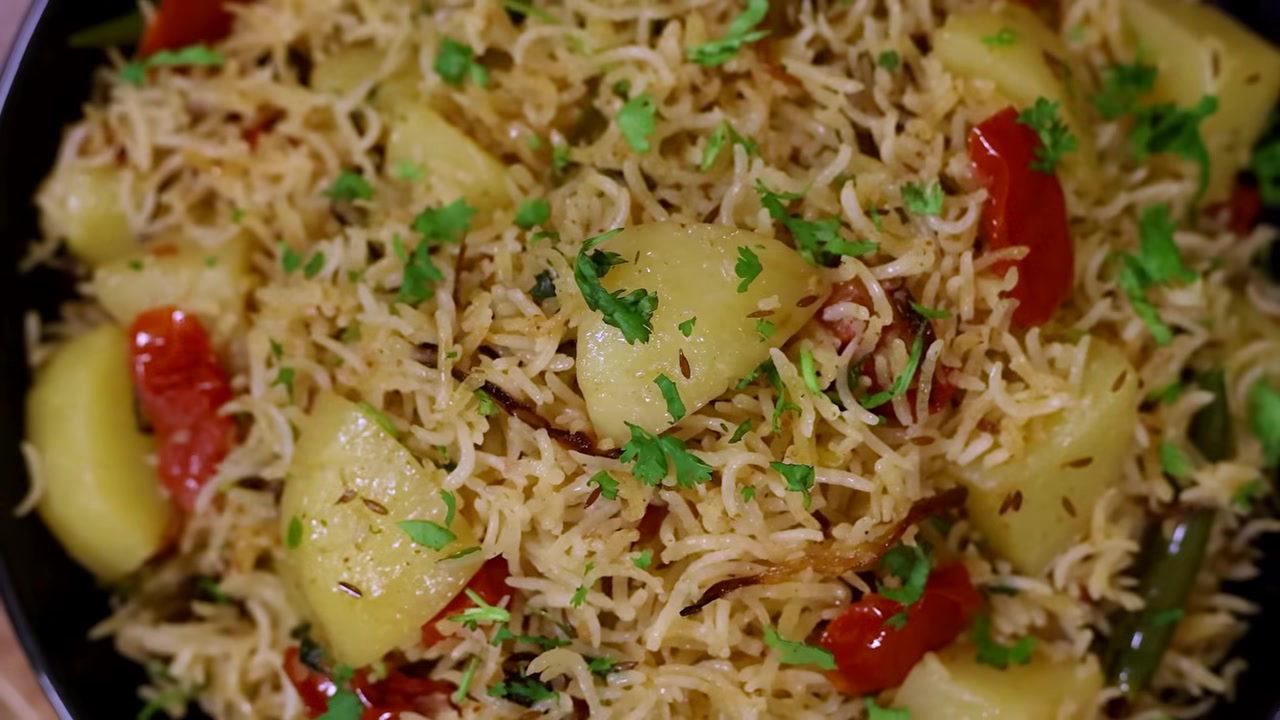
Aloo Pulao – Simple & Flavorful
Cuisine
Indian · North Indian
Prep + Cook Time
45 Minutes
Difficulty Level
Easy
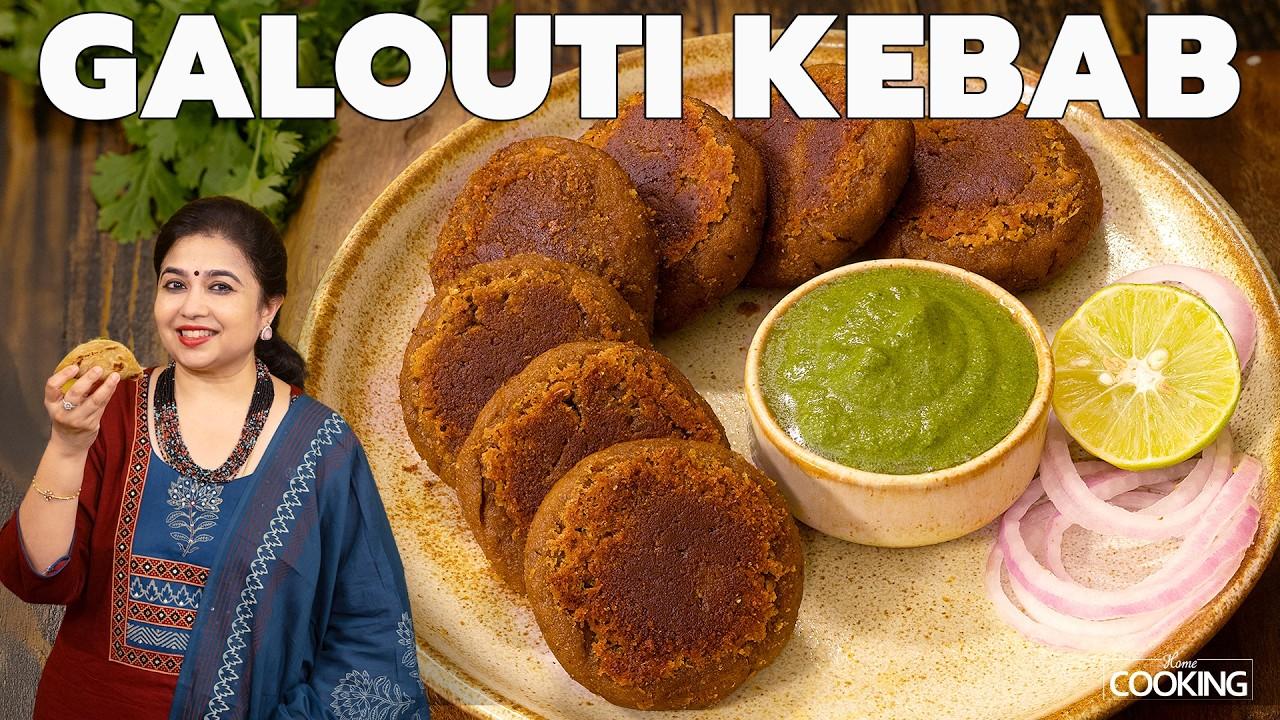
Mushroom Galouti Kebab Recipe
Cuisine
Indian · North Indian
Prep + Cook Time
50 Minutes
Difficulty Level
Medium
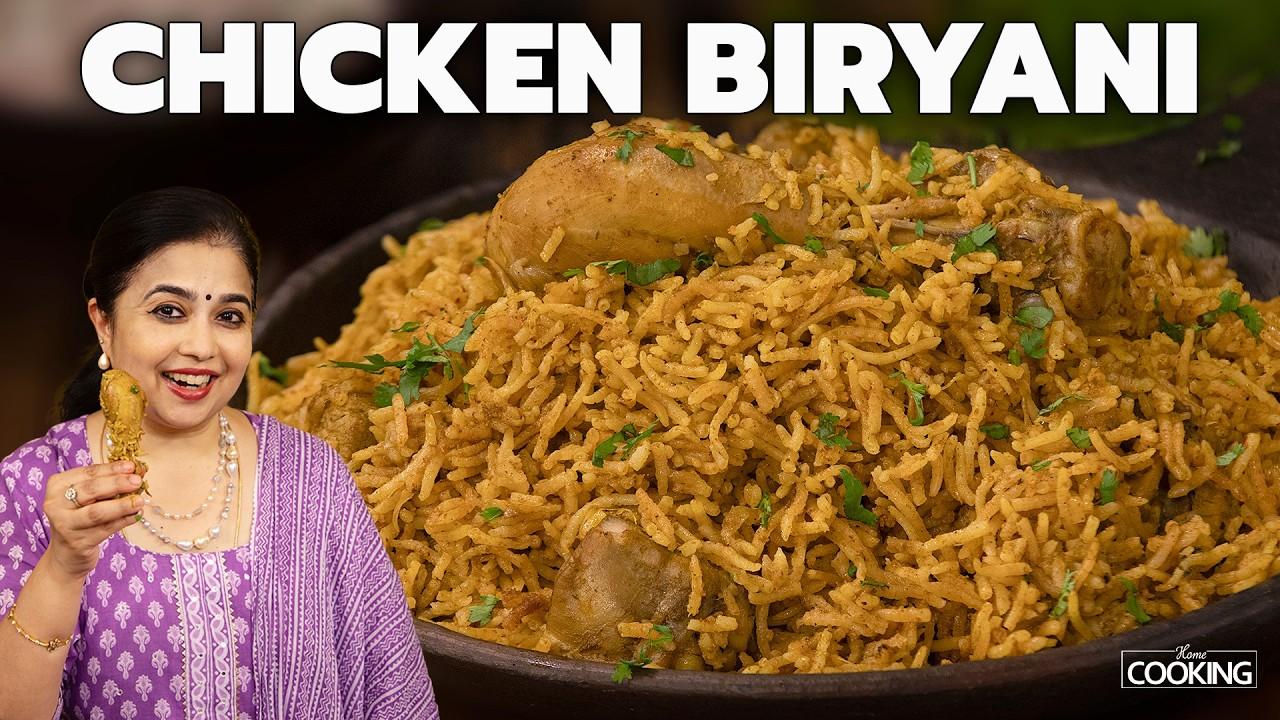
Chicken Biryani – One Pot Style
Cuisine
Indian · South Indian
Prep + Cook Time
1 hr 20 min
Difficulty Level
Medium
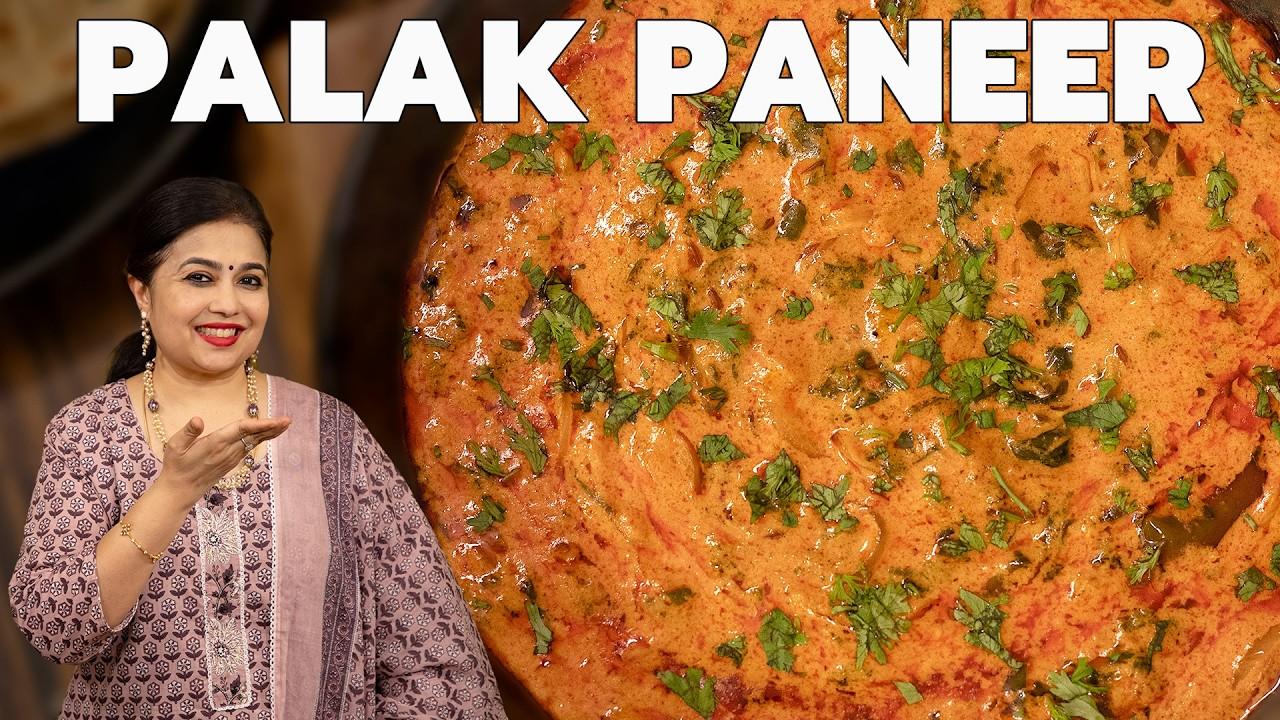
Palak Paneer with a Twist
Cuisine
Indian · North Indian
Prep + Cook Time
35 Minutes
Difficulty Level
Medium
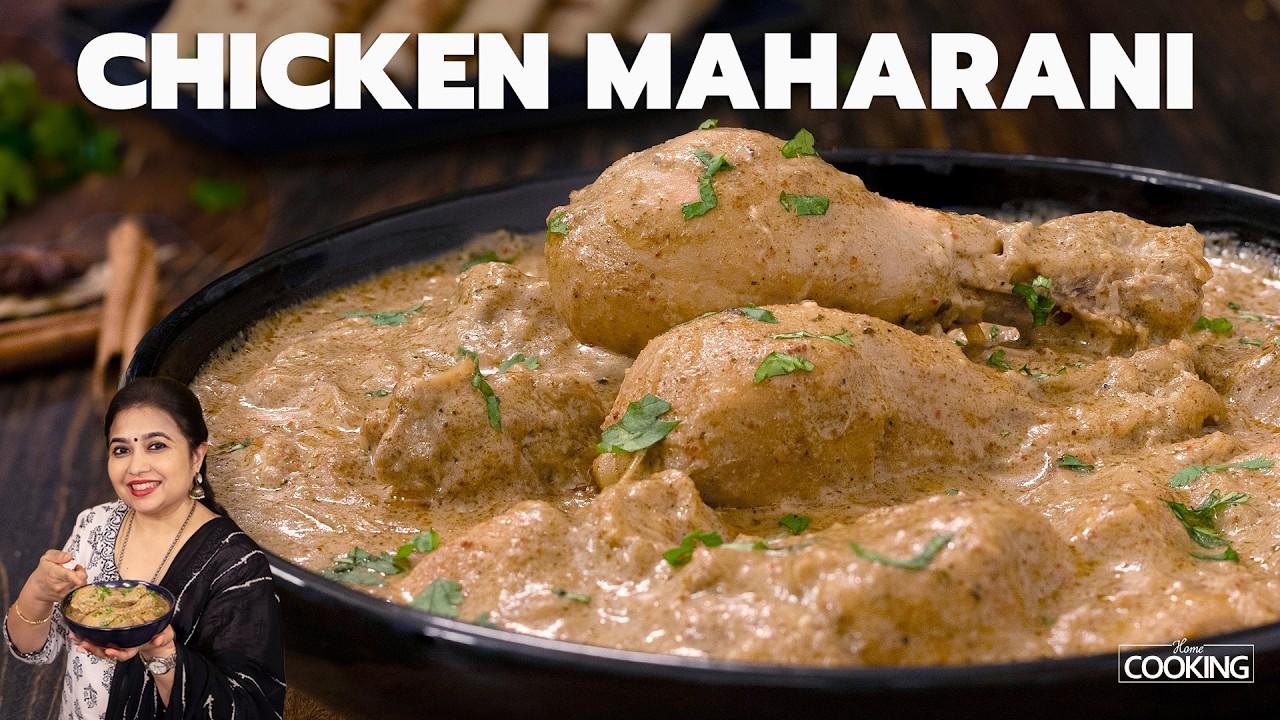
Chicken Maharani - Mughlai Style
Cuisine
Indian · North Indian
Prep + Cook Time
55 Minutes
Difficulty Level
Medium
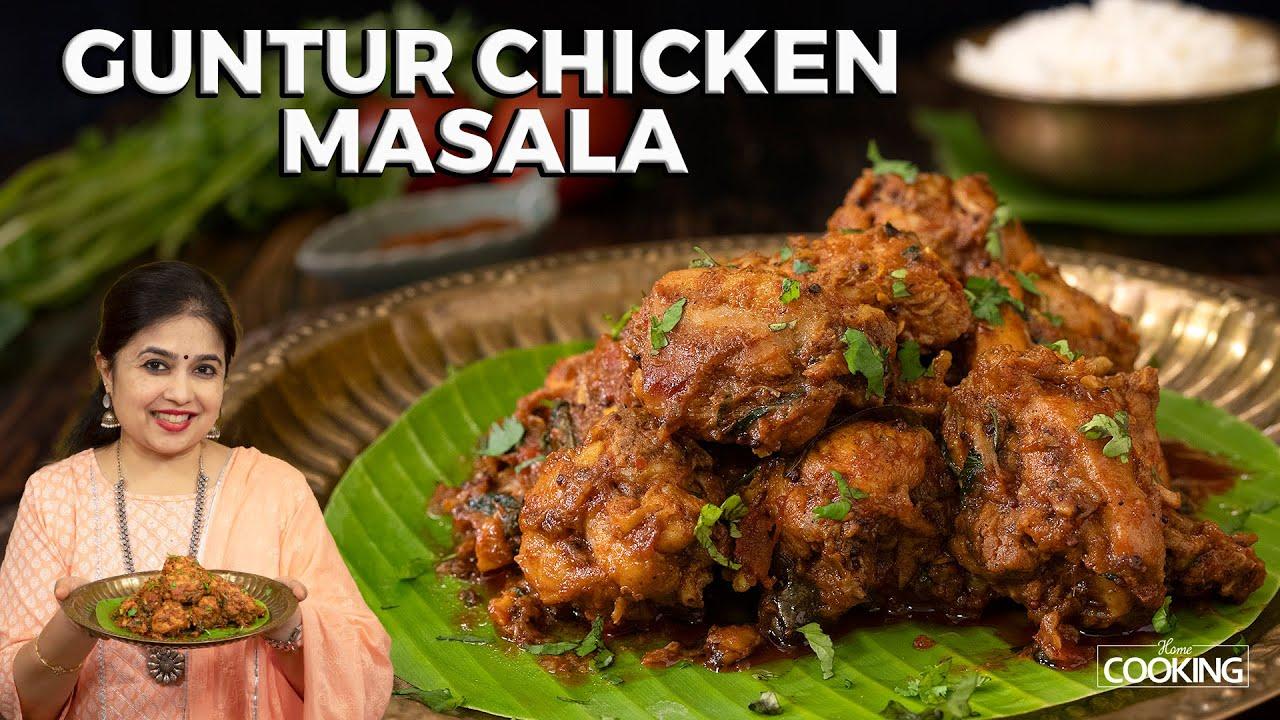
Guntur Chicken Masala – Home Cooking
Cuisine
Indian · South Indian
Prep + Cook Time
1 hr 10 min
Difficulty Level
Medium
You might also like
Other recipes in the same cuisine, meal type, or style — ready to cook whenever you are.
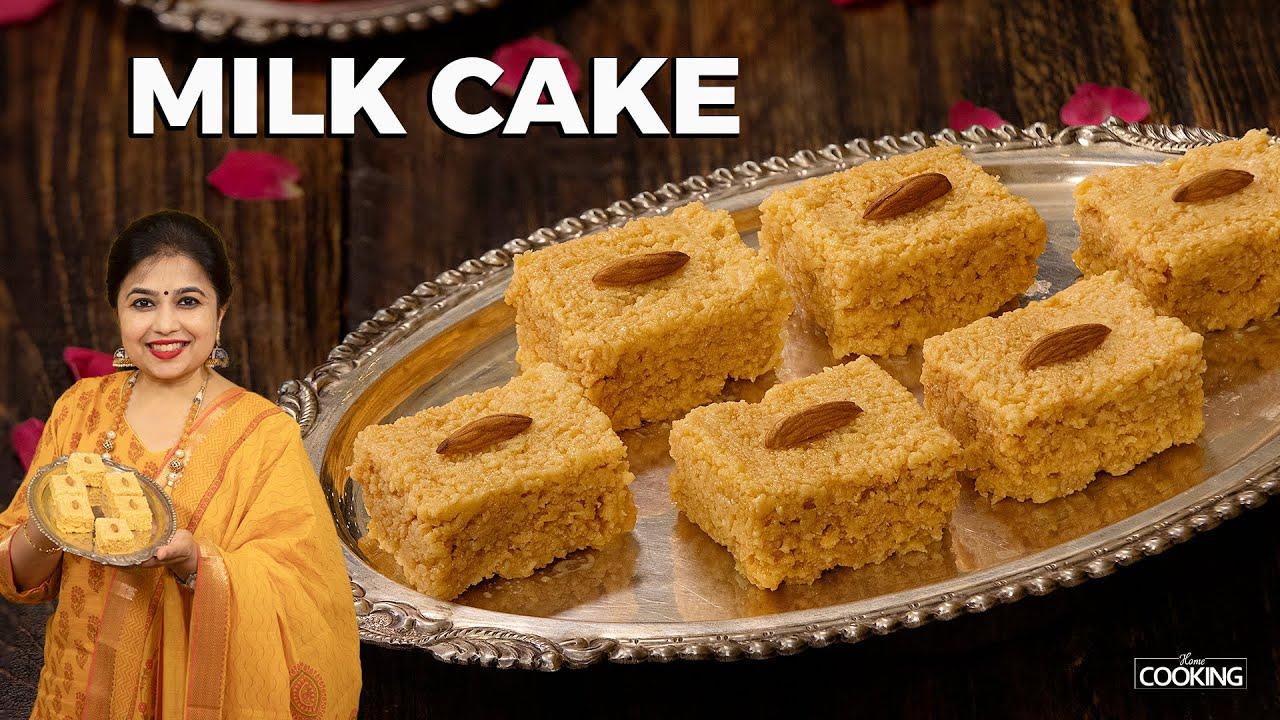
Milk Cake – Home Cooking
Cuisine
Indian · North Indian
Prep + Cook Time
7 hr 15 min
Difficulty Level
Medium
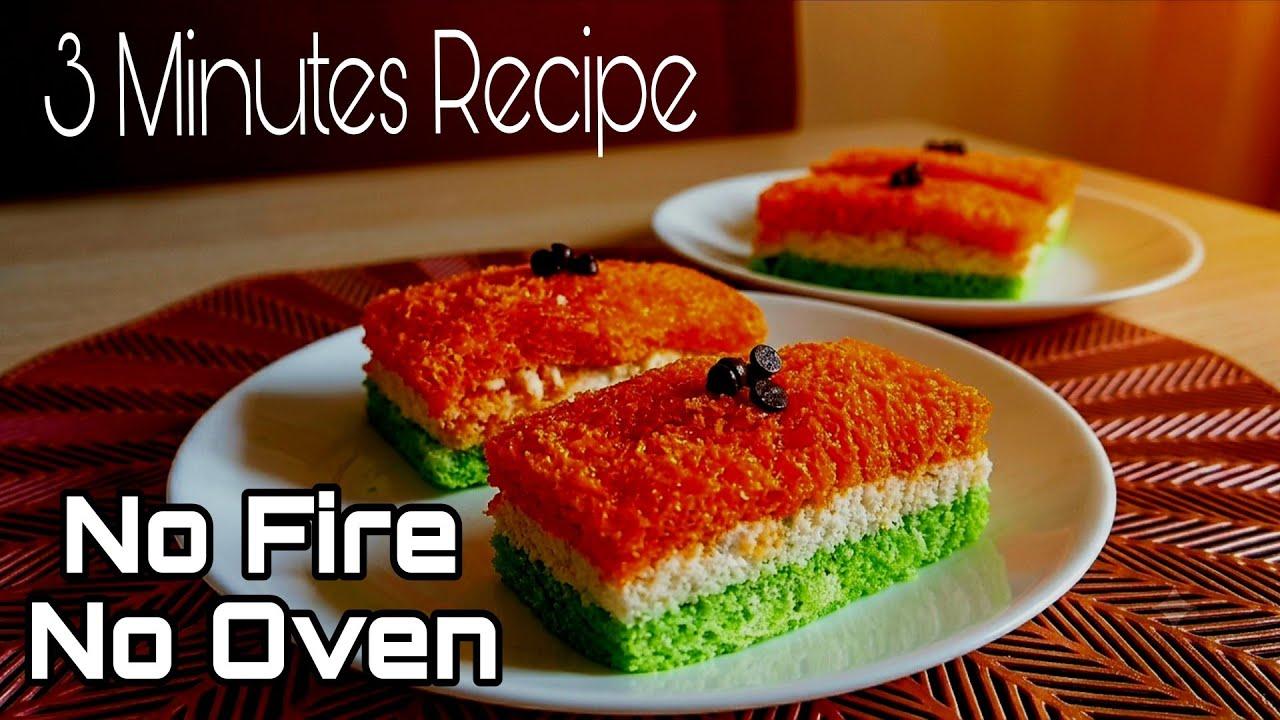
Tricolour Bread Dessert – Indian Independence Day Special
Cuisine
Indian · Dessert
Prep + Cook Time
15 Minutes
Difficulty Level
Easy

Peda in 5 mins
Cuisine
Indian · North Indian
Prep + Cook Time
7 Minutes
Difficulty Level
Easy
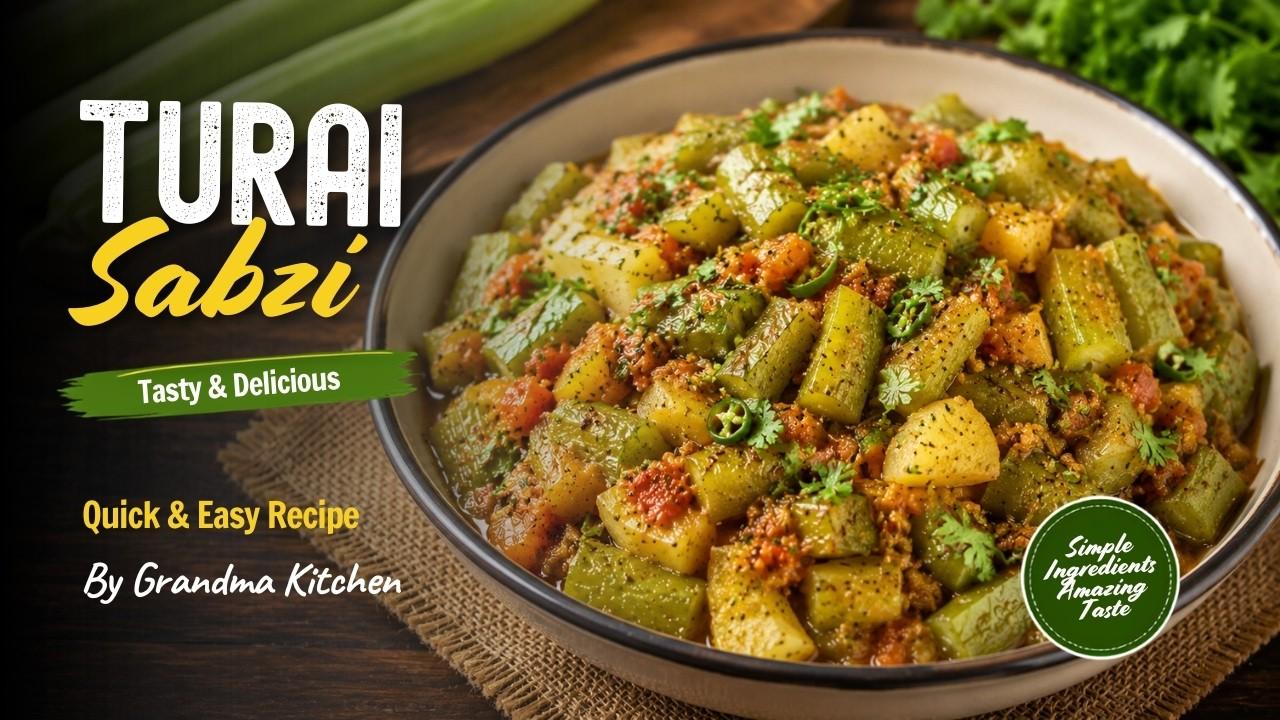
Ram Tori Sabzi (Turai Dabzi)
Cuisine
Indian · North Indian
Prep + Cook Time
50 Minutes
Difficulty Level
Medium
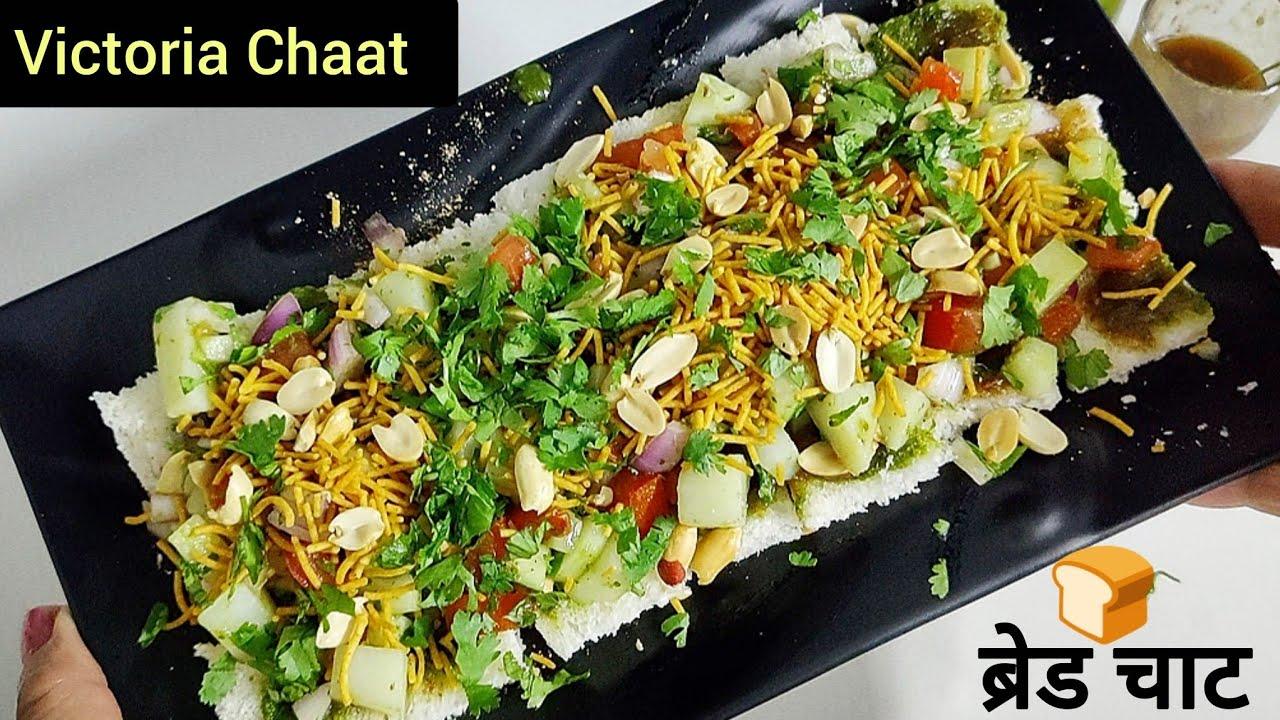
Victoria Chaat - Kolkata's Famous Fireless Chaat
Cuisine
Indian · Street Food
Prep + Cook Time
15 Minutes
Difficulty Level
Easy
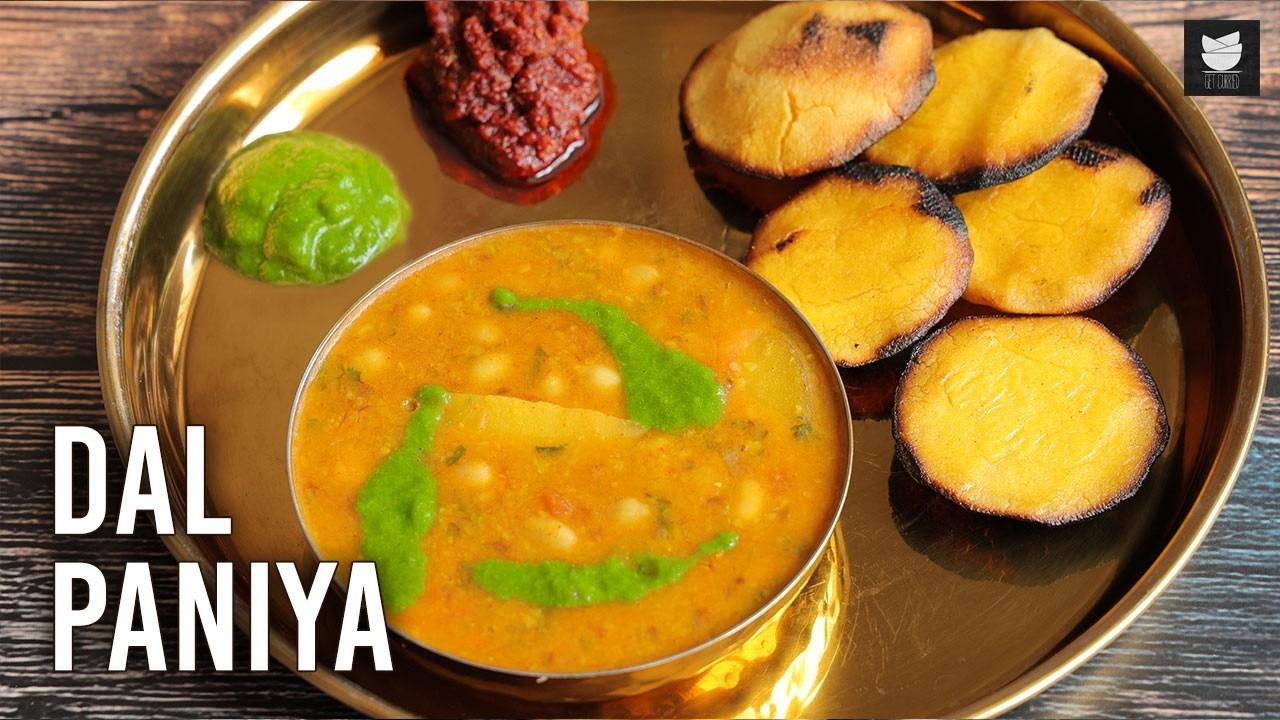
DAL PANIYA - Madhya Pradesh Special
Cuisine
Indian · Madhya Pradesh
Prep + Cook Time
1 hr 10 min
Difficulty Level
Comments (0)
Sign in to leave a comment on this recipe.
Loading comments...