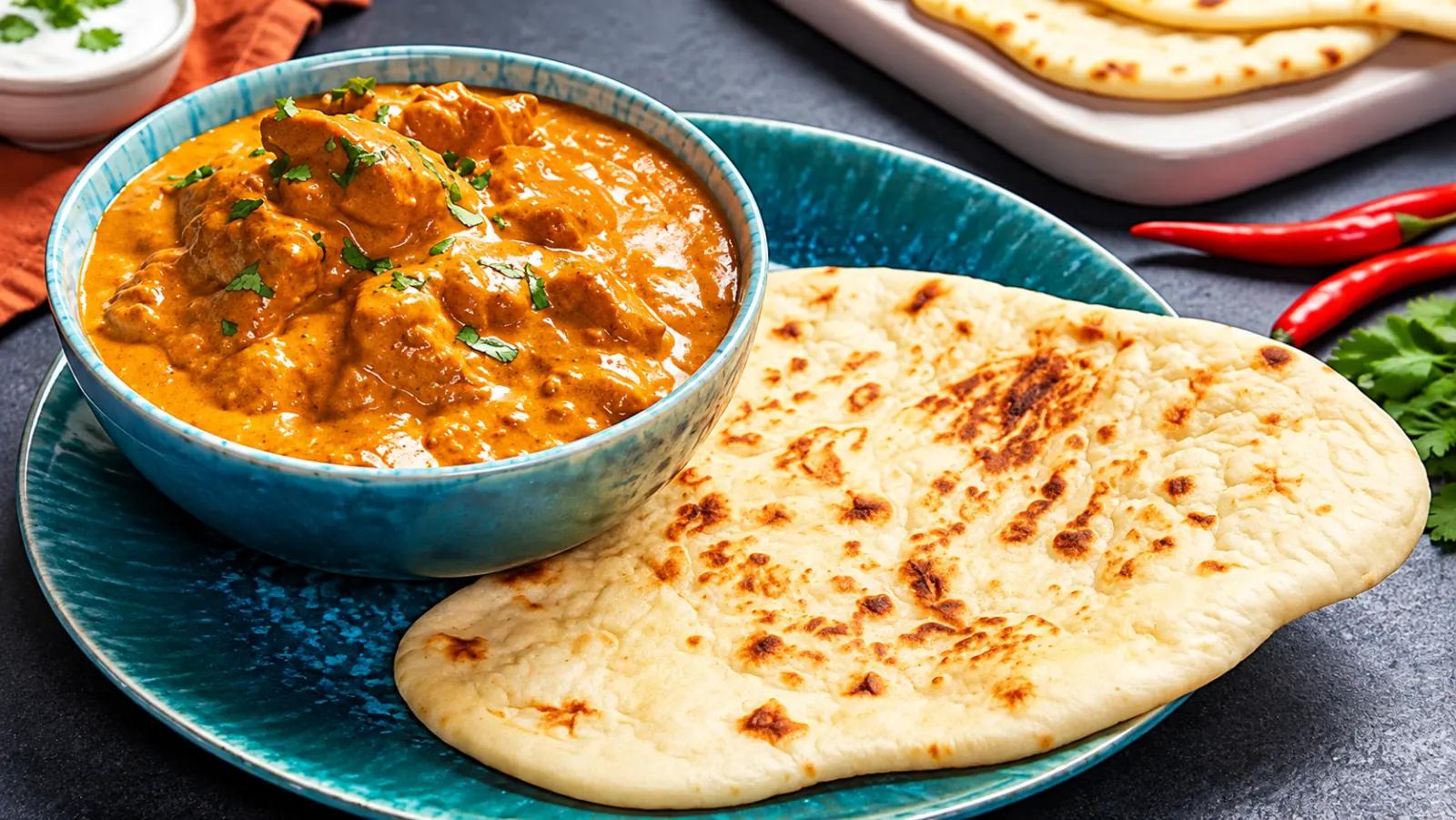
Butter chicken should be rich, creamy and full of flavor — but a few small mistakes can leave the gravy too sour, the chicken dry or the sauce grainy. Here's what to watch out for.
Homemade butter chicken can be rich and silky, yet small technique slips may leave it sour, watery, grainy, overly sweet, or paired with dry chicken. There is no single restaurant formula, but balanced tomato gravy, gentle heat, and properly cooked chicken make a clear difference.
Quick answer: why does butter chicken go wrong?
The most common butter chicken mistakes are overcooking the chicken, rushing the gravy, failing to balance tomato acidity, and boiling the sauce hard after adding cream. Cook the base until its raw edge fades, adjust richness and acidity gradually, and use a thermometer to check the chicken safely.
1. Overcooking the chicken
Chicken can turn dry or chewy when small pieces are left simmering in the gravy long after they are done. The issue is often not the sauce; it is the total cooking time across marinating, searing, and simmering. Cut pieces to a similar size so they cook at roughly the same pace, and follow the sequence in your chosen recipe. If the chicken is seared first, let it finish gently in the sauce rather than cooking it for a long extra stretch.
Check the thickest piece with a food thermometer. Poultry should reach 74°C / 165°F for safety; do not undercook it to preserve tenderness. Once it reaches that temperature, take the pan off the heat or keep it warm gently. If marinating, keep raw chicken covered in the refrigerator, prevent contact with ready-to-eat foods, and discard the used marinade unless it is thoroughly cooked as part of the dish.
2. Not developing enough flavor in the gravy
A gravy can contain plenty of spices and still taste flat if the aromatics and tomato base have not had time to cook. Adding water or cream too early can leave the sauce tasting raw and thin. Cook the aromatics until fragrant, then give the tomato mixture time to soften and deepen, stirring so it does not catch on the pan.
Look for a thicker, cohesive sauce with a cooked aroma rather than relying on a fixed number of minutes. Add ground spices at the point your recipe calls for and stir briefly so they bloom without scorching. If the mixture sticks or darkens too quickly, lower the heat and add a small splash of water. Burning spices does not create the same depth as a properly cooked base.
3. Letting the tomato sauce stay too sour
Tomatoes vary in sweetness and acidity, and concentrated tomato products can make the sharpness more pronounced. A short cooking time can also leave the gravy tasting bright in an unpleasant way. Cook the tomato base until it loses its raw, sharp edge, then taste before deciding what it needs.
First check salt, butter, and cream against the recipe; richness can soften the perception of acidity. If the sauce is still too sharp, adjust in small steps with the balancing ingredient your recipe uses. A pinch of sugar may help some batches, but adding a lot can make the finished curry cloying and hide the tomato flavor. Do not try to fix sourness by adding several ingredients at once.
4. Adding cream over high heat
Dairy can become grainy or separate when a sauce is boiling vigorously, especially if it is acidic or the cream is added all at once. Lower the heat before adding cream, pour it in gradually, and stir gently until the sauce looks even. Once the dairy is incorporated, keep the curry at a gentle simmer or warm hold instead of bringing it back to a hard boil.
If the sauce starts to look oily or speckled, remove it from the heat and stir slowly. Avoid adding cold cream to a rapidly boiling pan. The exact result also depends on the dairy and the recipe, so follow its ingredient guidance rather than assuming every cream behaves alike.
5. Leaving the gravy watery
Too much water, uncovered ingredients that release liquid, or stopping before the tomato base reduces can make butter chicken thin. A watery sauce often tastes less flavorful too, because its seasoning is spread through excess liquid. Measure additions as your recipe directs and reduce the sauce gently before adding the final dairy ingredients.
If the finished gravy is thinner than you want, simmer it uncovered at low heat and stir from time to time. Give it a few minutes to reduce before deciding whether it needs more adjustment. Avoid solving every thin sauce with extra cream or butter: that can make it heavy without fixing the underlying dilution.
6. Making the curry too sweet or too heavy
Butter chicken is meant to taste rounded, but piling on butter, cream, sugar, or rich garnish can bury the tomato, spice, and chicken. This often happens when cooks try to correct acidity or heat by adding too much richness at once. Measure the richer ingredients first, then taste the sauce before adding more.
To rebalance a sauce that feels heavy, do not automatically add more spice or sugar. Check whether its salt and tomato notes are present, and make small changes using ingredients already in your recipe. Serve with plain rice or naan so the meal has a simple contrast. Restaurant-style does not have to mean excessively sweet or rich.
7. Skipping the final flavor check
A curry can taste unfinished when it goes straight from the stove to the table without a final taste. Salt, acidity, richness, and heat should feel connected; none should dominate. Taste a spoonful with a little naan or rice if that is how you plan to serve it, since the accompaniment changes how the gravy comes across.
Make one small adjustment at a time, stir, and taste again. A little salt may bring the other flavors into focus; a small amount of cream or butter may round the sauce; a measured acidic note can lift a very heavy finish. Stop when the flavors are balanced rather than trying to make every note stronger.
Butter chicken troubleshooting at a glance
| What you notice | Likely cause | First adjustment |
|---|---|---|
| Dry or chewy chicken | Pieces cooked too long or unevenly | Use similar-sized pieces and check safe doneness with a thermometer. |
| Sharp, sour gravy | Tomato base is acidic or not cooked down | Cook the base longer, then balance gradually. |
| Thin, watery sauce | Too much liquid or too little reduction | Simmer uncovered gently before adding more dairy. |
| Grainy or split sauce | Cream added to a vigorous boil | Lower the heat and stir dairy in slowly. |
| Too sweet or heavy | Too much sugar, butter, or cream | Pause additions and rebalance the existing sauce in small steps. |
Before you serve butter chicken
- Check the thickest chicken piece reaches 74°C / 165°F.
- Confirm the tomato base tastes cooked, not raw or sharply sour.
- Lower the heat before stirring in cream.
- Let excess water reduce before adding more richness.
- Taste with the naan or rice you plan to serve.
Frequently asked questions
How do I make butter chicken creamy without making it too rich?
Follow the recipe’s amount of cream and butter, add dairy over lower heat, and taste before adding more. A smooth, well-cooked tomato base contributes body, so cream does not need to do all the work.
Why is my butter chicken sauce sour?
The tomatoes may be naturally sharp, concentrated, or not cooked down enough. Simmer the base until its raw edge fades, then balance gradually with the ingredients in your recipe. Avoid masking it with a large amount of sugar.
Can I fix watery butter chicken gravy?
Usually. Simmer it uncovered over low heat, stirring occasionally, so excess moisture can evaporate. Reduce before adding cream or butter to avoid making the sauce heavier without improving its texture.
Can I make butter chicken ahead?
You can prepare it ahead if you handle and chill it safely. Refrigerate leftovers promptly in a covered container, and reheat until steaming hot throughout. Reheat gently while stirring; avoid repeated warming and cooling.
What can I serve with butter chicken?
Garlic naan and basmati rice are familiar options. Choose a simple accompaniment that lets the creamy tomato gravy remain the focus.
Try a FullMeals Butter Chicken recipe
If you are ready to cook, use this existing FullMeals recipe for Butter Chicken and Naan. It lists a 75-minute total time; check its ingredients and steps before you begin, since the recipe itself guides the cooking sequence.
When butter chicken tastes off, change one thing at a time: cook the base fully, protect the chicken from overcooking, and keep the sauce at a gentle heat after adding dairy. Those small checks make the next pot easier to adjust to your ingredients and taste.