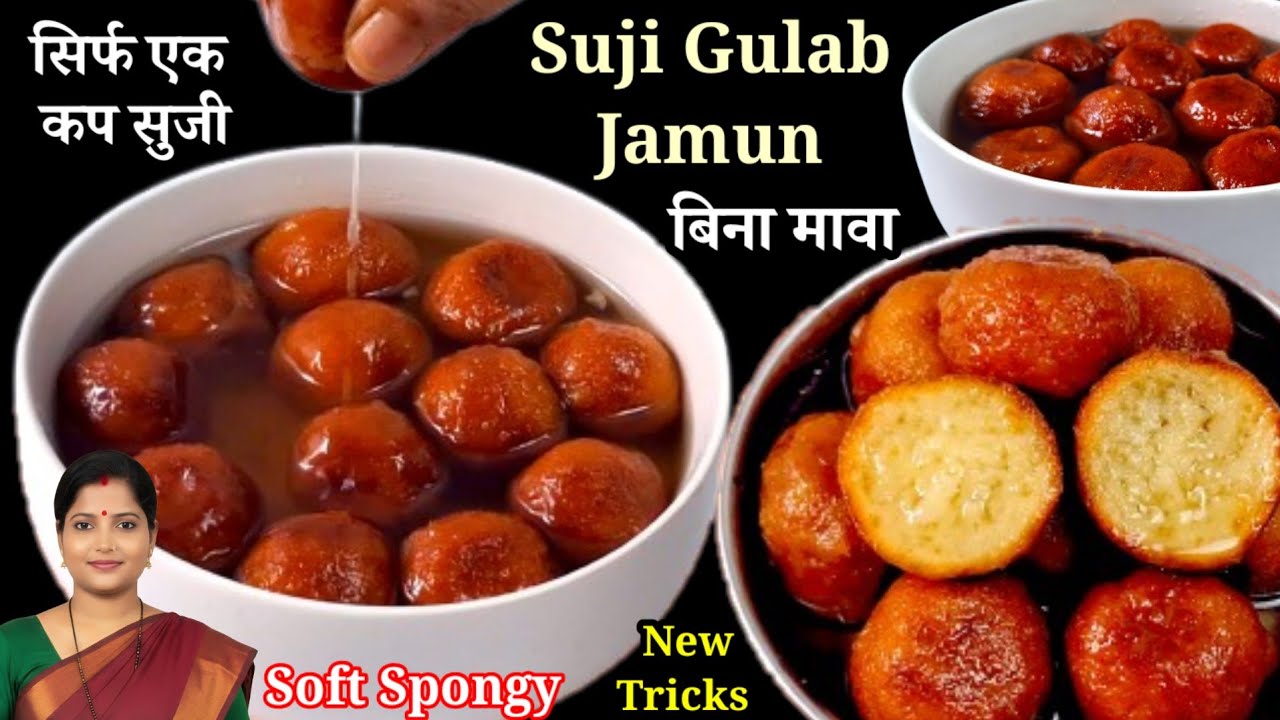
Suji Gulab Jamun - Soft & Juicy Semolina Gulab Jamun
Main Ingredients
For Sugar Syrup
Step-by-Step Instructions
Follow each step to make the recipe successfully.
Grind Semolina
Take 1 cup of fine semolina (suji) and transfer it to a dry mixer jar. Grind it into a fine powder, similar to flour. If using coarse semolina, grind it for a bit longer until fine.
Prepare Semolina Mixture
Transfer the ground semolina to a bowl. Add 1 cup of warm milk and mix well with a spoon. Continue stirring for a few minutes to ensure it's smooth and lump-free. Then, add another 1/2 cup of warm milk and mix again until fully combined. Cover the bowl and let the mixture rest for to allow the semolina to swell and absorb the milk.
Cook the Semolina Dough
Pour the semolina-milk mixture into a non-stick pan. Cook on very low heat, stirring continuously with a wooden spatula. Do not stop stirring to prevent sticking. The mixture will gradually thicken and form a dough. Cook until it forms a soft, slightly loose dough that can be easily shaped, but not overly dry.
Cool the Dough
Once the dough is cooked to the desired consistency, turn off the heat and transfer it to a plate. Spread it out slightly and let it cool completely.
Prepare Sugar Syrup (Chashni)
In a separate kadhai, add 1 cup of sugar and 1.5 cups of water. Add 2 green cardamom pods (crushed slightly) for flavor. Stir until the sugar dissolves completely. Once it starts boiling, cook for another . Check the consistency; it should be slightly sticky, not a thick string syrup. Turn off the heat.
Add Milk Powder and Knead
Once the semolina dough has cooled, add 2 tablespoons of milk powder to it. the dough well with your hands for a few minutes until it becomes smooth and pliable. This will enhance the flavor and texture.
Shape Gulab Jamuns
Grease your hands with a little oil or ghee. Take small portions of the dough and roll them between your palms to form smooth, crack-free balls. Make them medium-sized, as they will expand during frying and soaking.
Fry Gulab Jamuns
Heat oil in a pan over medium heat. The oil should not be too hot or too cold. Gently drop the shaped gulab jamuns into the oil, ensuring not to overcrowd the pan. Immediately start drizzling hot oil over the gulab jamuns with a spoon to ensure even cooking and browning. After a minute, gently move them around to prevent sticking. Continue frying on medium heat, stirring constantly, for until they turn a beautiful golden-brown color.
Soak in Sugar Syrup
Once the gulab jamuns are fried to a rich golden-brown, remove them from the oil and immediately transfer them to the warm sugar syrup. Ensure the syrup is still slightly warm for better absorption. Gently mix them in the syrup.
Rest and Serve
Cover the gulab jamuns in the syrup and let them soak for at least . For best results, let them soak overnight. They will become incredibly soft, juicy, and spongy. Serve warm or chilled.
Before You Cook
Helpful details before you startIngredient SubstitutionsMissing something? View suitable alternatives.View 1 swap
No Milk?
- Unsweetened almond / soy / oat milk (1:1)
- 1/2 cup evaporated milk + 1/2 cup water (per 1 cup)
Plan Ahead
Complete this step earlier to save time later.
- View Step 10Rest and Serve2 hours or overnight
Cover the gulab jamuns in the syrup and let them soak for at least 2-3 hours. For best results, let them soak overnight. They will become incredibly soft, juicy, and spongy. Serve warm or chilled.
Variations
Simple ways to adapt this recipe.
- Add a pinch of saffronCustomise
Add a pinch of saffron strands to the sugar syrup for added flavor and color.
- Experiment with different shapes for the gulab jamuns
Such as oval or cylindrical.
- For a richer tasteCustomise
You can add a teaspoon of ghee to the semolina dough while kneading.
Helpful Tips
Small details that can improve the final result.
You might also like
Other recipes in the same cuisine, meal type, or style — ready to cook whenever you are.
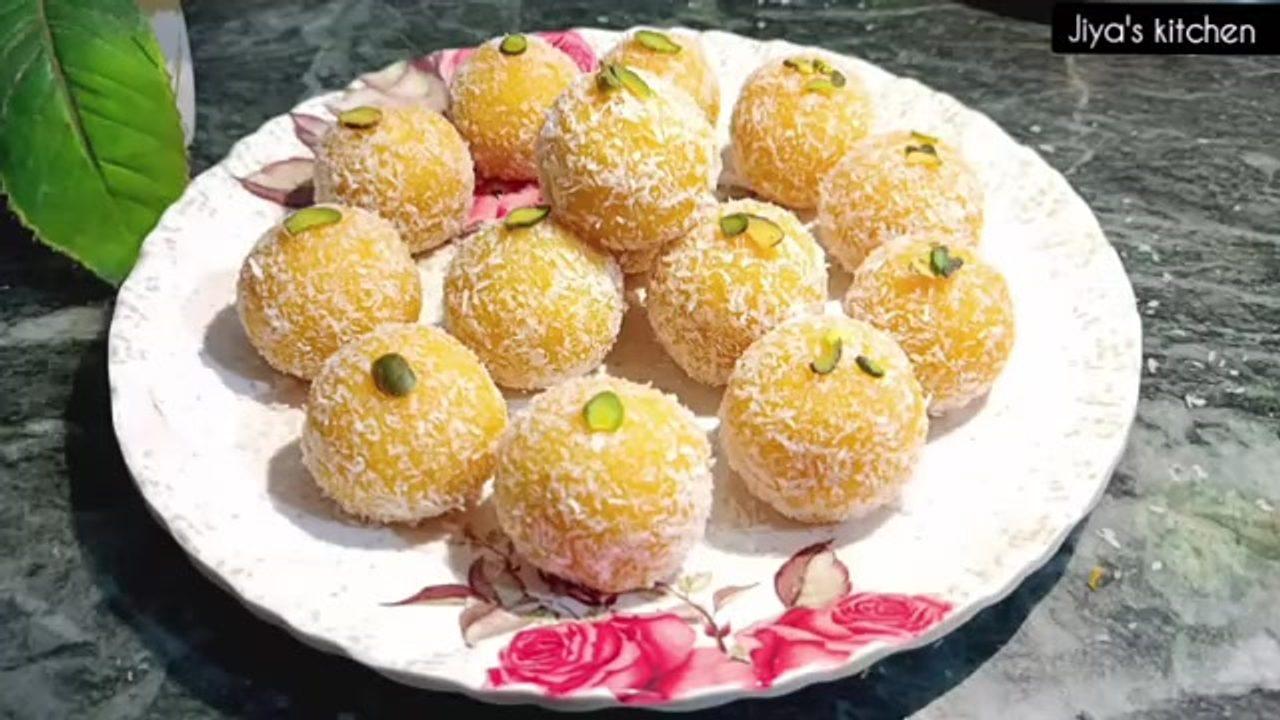
Mango Laddu – Jiya's Kitchen
Cuisine
Indian · North Indian
Prep + Cook Time
30 Minutes
Difficulty Level
Easy
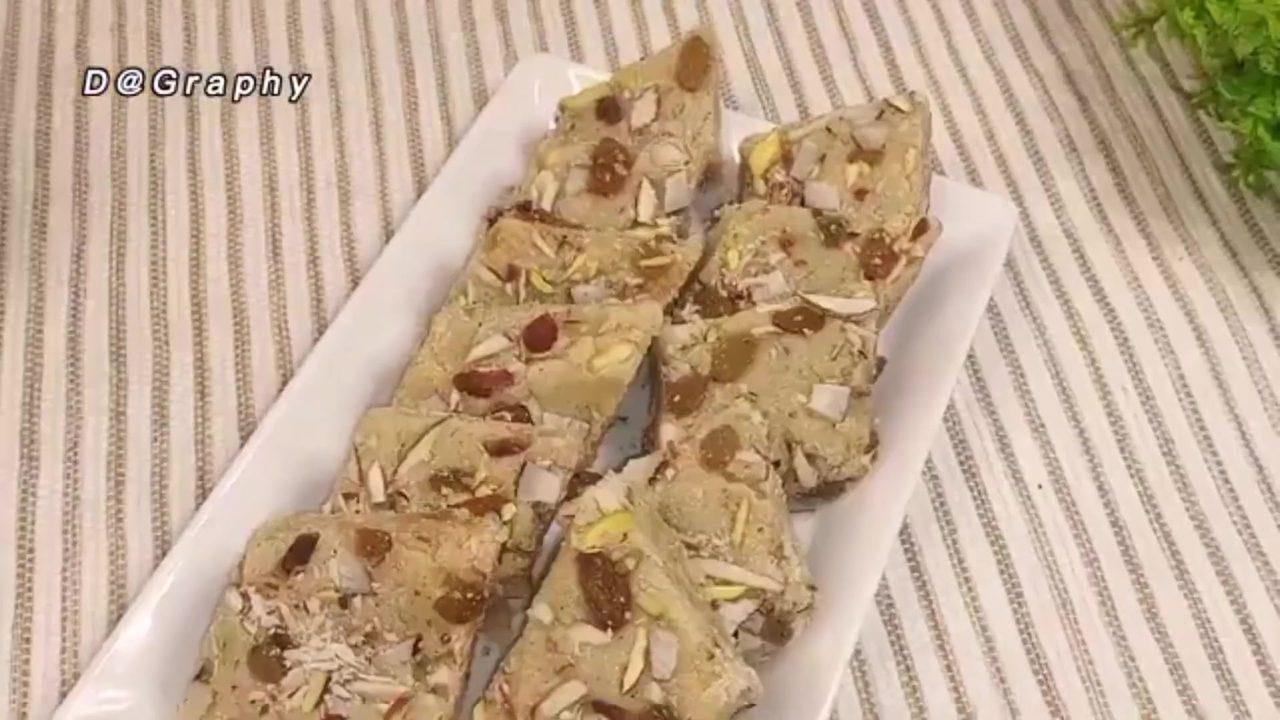
Suji ka Tukdi Halwa - Traditional
Cuisine
Indian · South Asian
Prep + Cook Time
40 Minutes
Difficulty Level
Easy
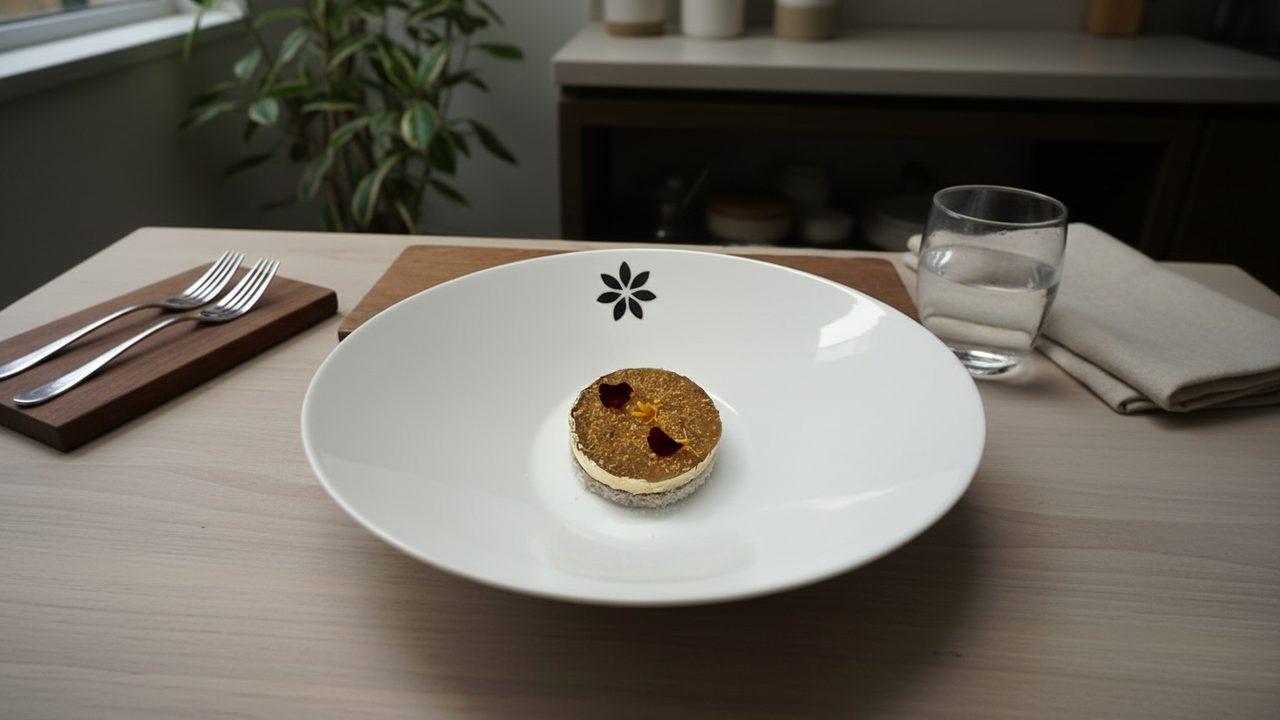
Tirunelveli Coconut Moong Dal Halwa – Modern Style
Cuisine
Indian · South Indian
Prep + Cook Time
25 Minutes
Difficulty Level
Easy
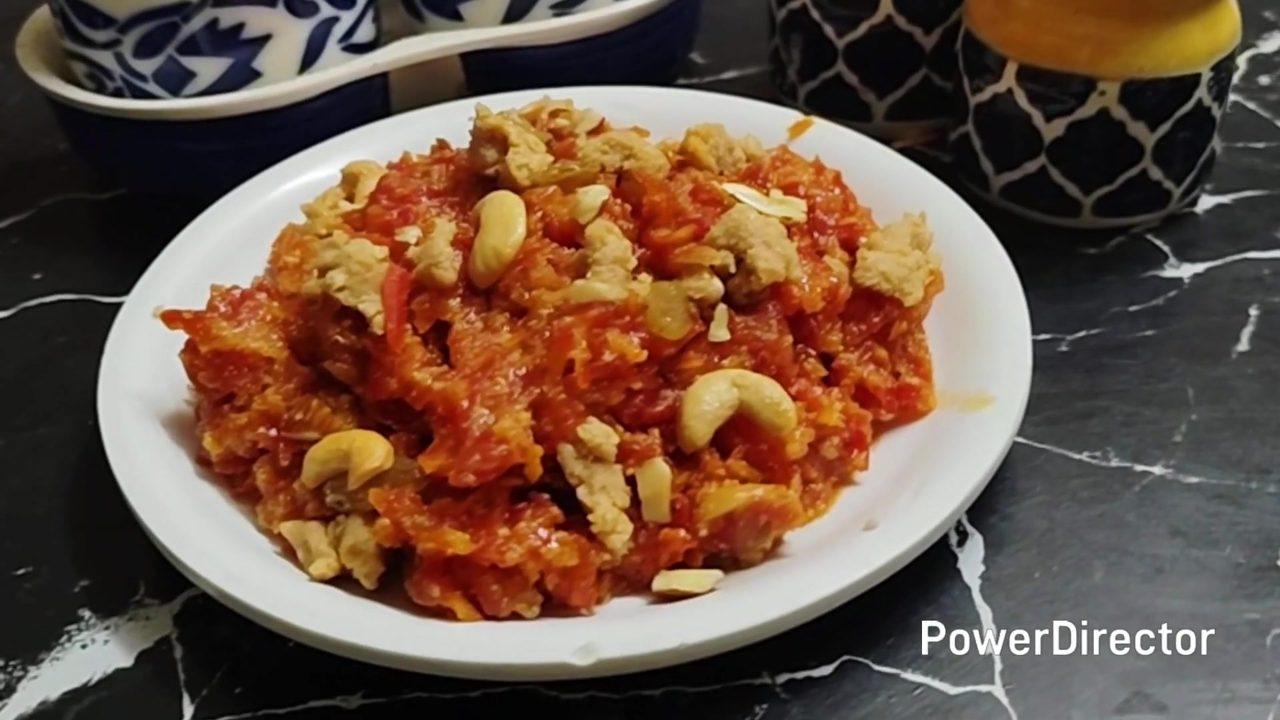
Gajar Ka Halwa - Restaurant Style
Cuisine
Indian · North Indian
Prep + Cook Time
35 Minutes
Difficulty Level
Easy
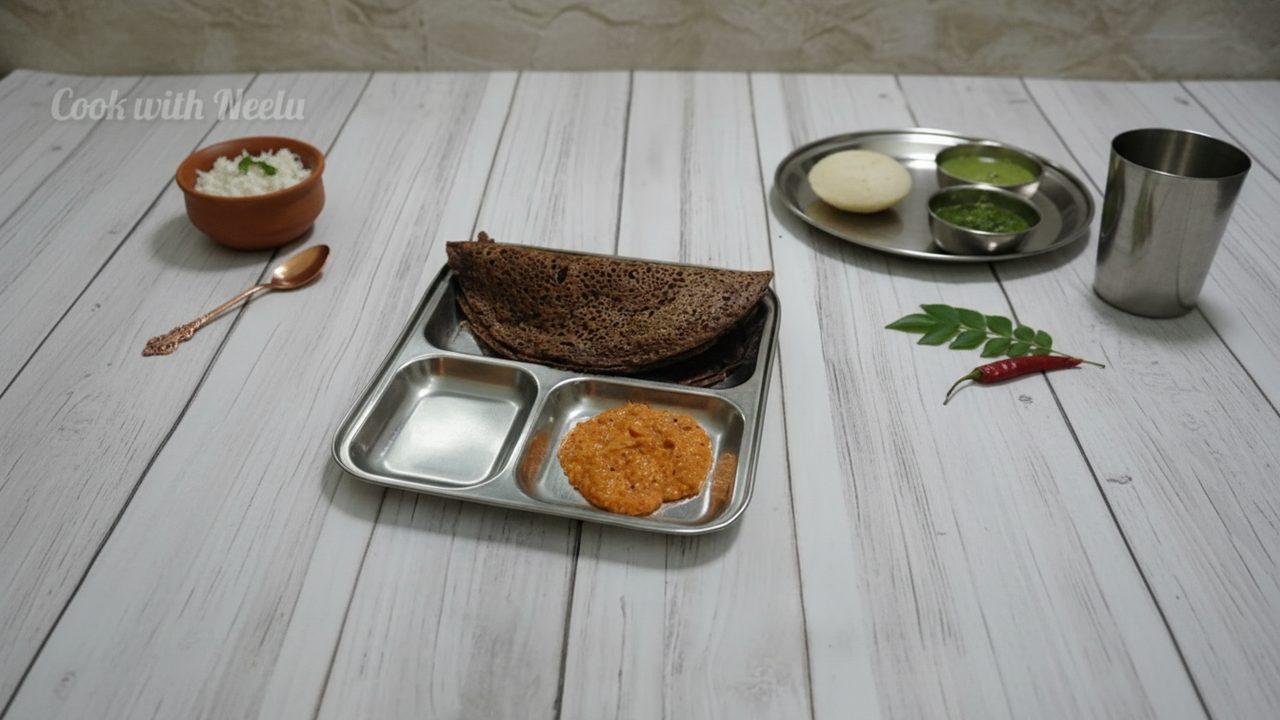
Ragi Dosa with Spicy Garlic Tomato Chutney
Cuisine
Indian · South Indian
Prep + Cook Time
40 Minutes
Difficulty Level
Easy
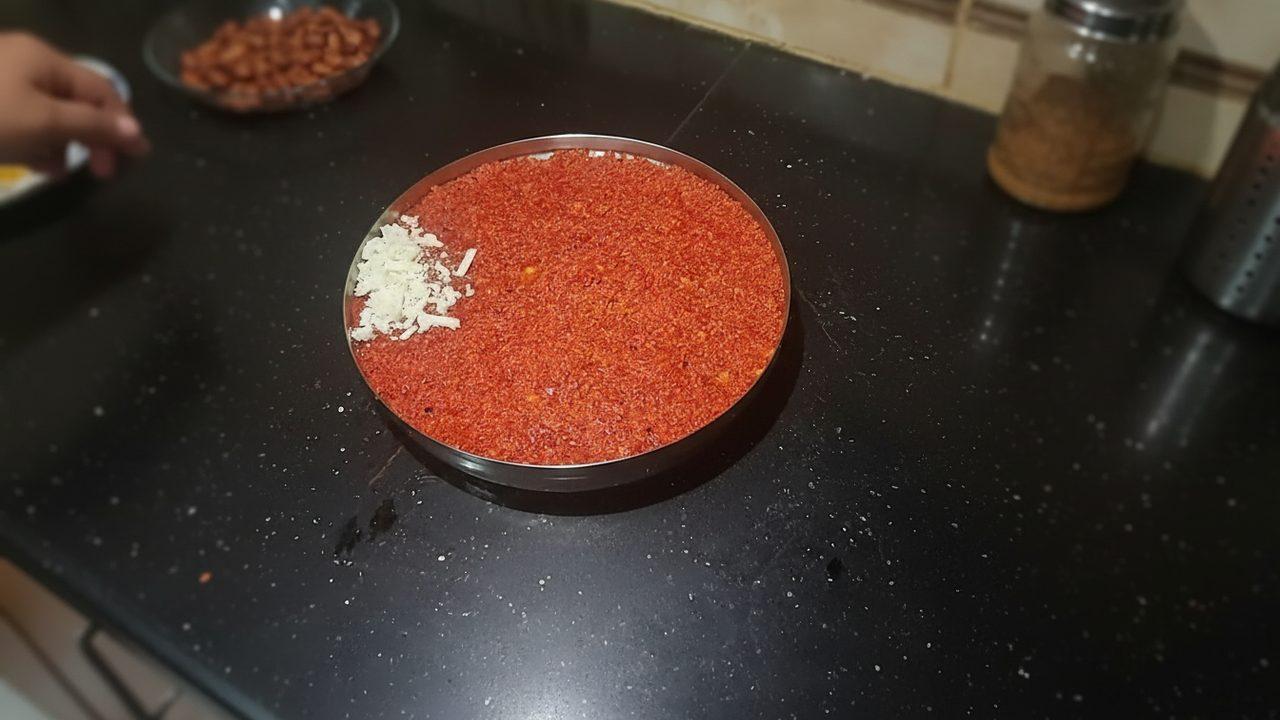
Gajar Halwa (Carrot Halwa) - Traditional Indian Dessert
Cuisine
Indian · North Indian
Prep + Cook Time
45 Minutes
Difficulty Level
Comments (0)
Sign in to leave a comment on this recipe.
Loading comments...