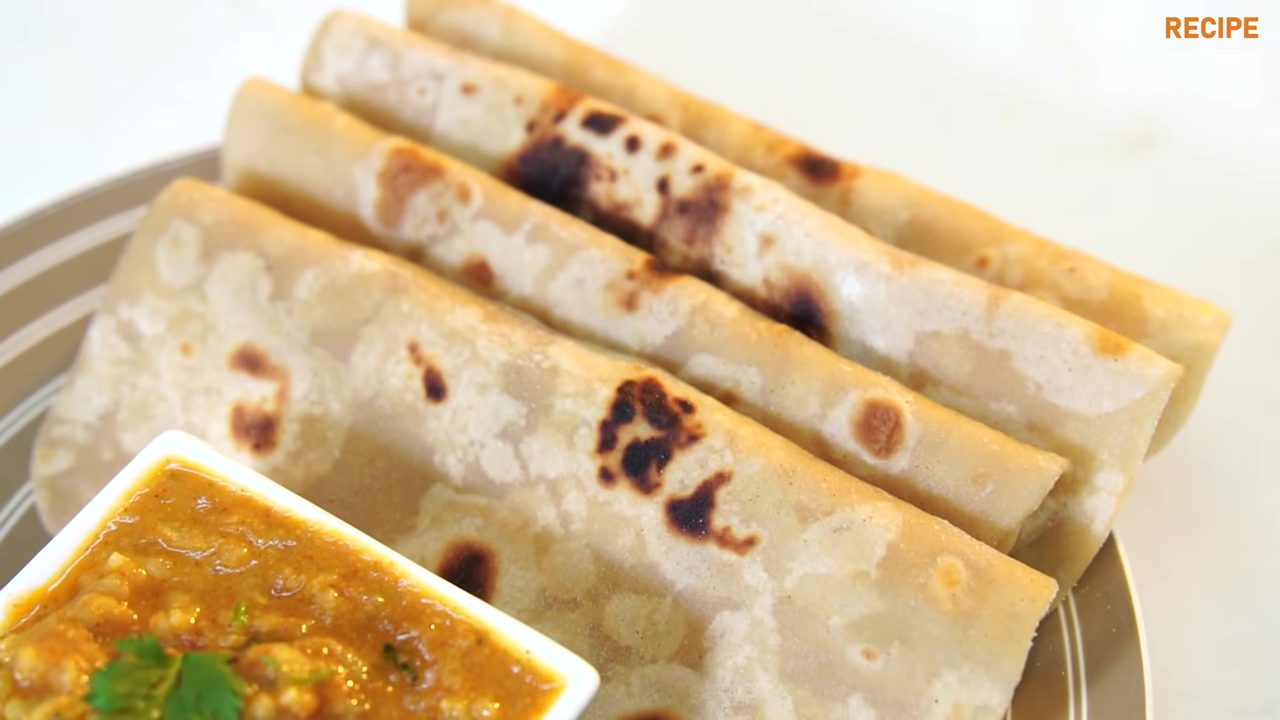
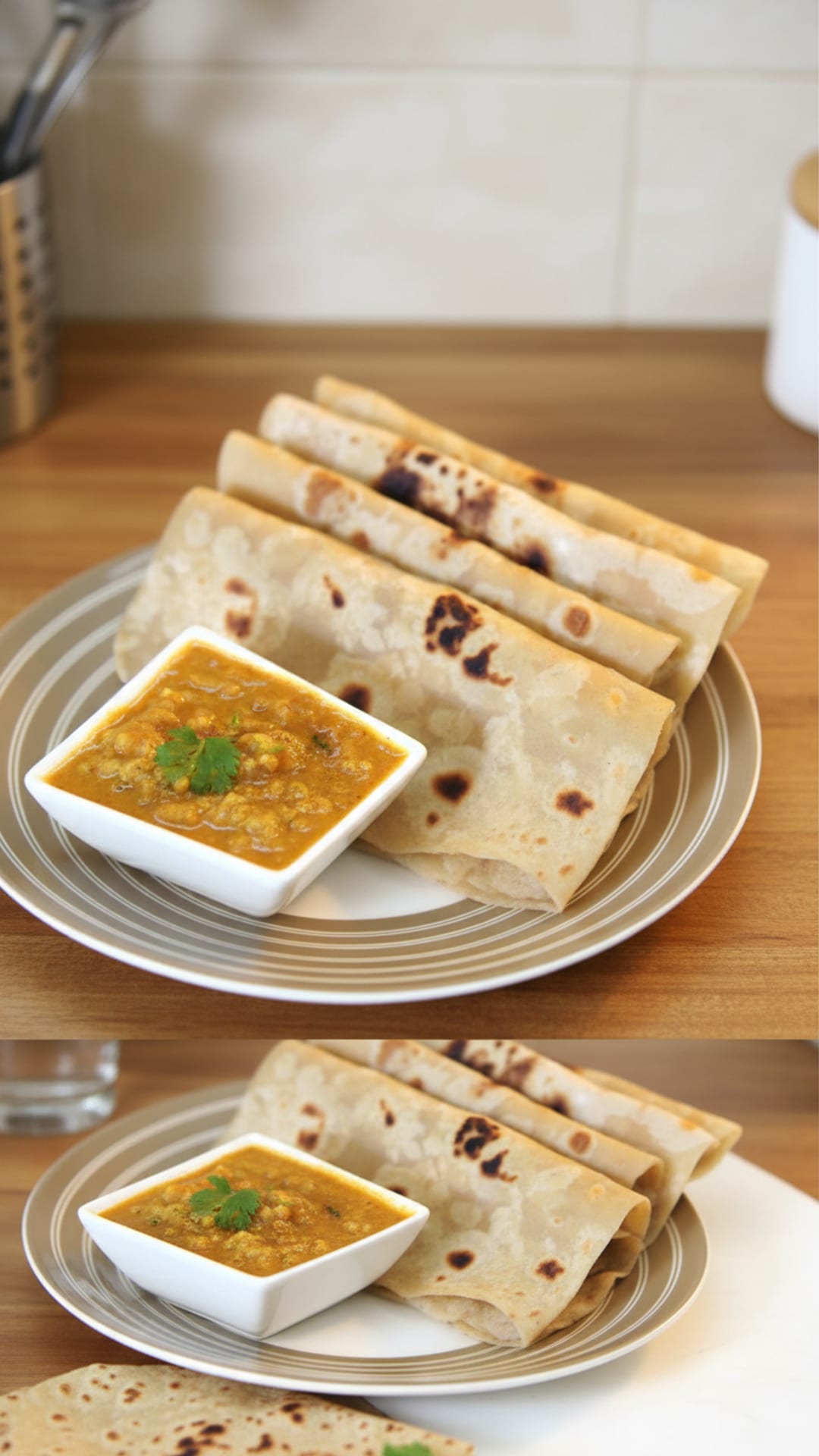
Soft Chapati
Recipe by Recipe Checkr
Ingredients
Main Ingredients
- 1 cupWheat Flour
- to tasteSalt
- 2 tspGhee
- 150 mlMilk
- 1 tspOil
- as neededWater
Step-by-Step Instructions
- 1.Prepare the Dough Base
In a large bowl, combine 1 cup of wheat flour with salt to taste. Mix well.
- 2.Add Milk and Water
Add 150 ml of milk to the flour mixture. Gradually add water while mixing the dough. For 1 kg of flour, approximately 550-600 ml of water is needed. Adjust water quantity based on the flour's absorption.
- 3.Knead the Dough
Knead the dough thoroughly until it comes together and is no longer sticky. Add 1 tsp of oil and continue kneading until the dough is soft, smooth, and elastic, indicating good gluten development.
- 4.Rest the Dough
Apply a few drops of oil over the kneaded dough to prevent it from drying out. Cover the bowl with a plate and let the dough rest at room temperature for 20 minutes. Do not refrigerate.
- 5.Form Dough Balls
After resting, divide the dough into small, equal-sized balls.
- 6.Roll Out Chapatis
Dust your rolling surface with wheat flour (not maida). Take one dough ball, flatten it slightly, and roll it out into a thin, even circle using a rolling pin. Avoid making it too thick or too thin, and use minimal dusting flour.
- 7.Cook the Chapati
Heat a tawa (griddle) over medium-high heat. Place the rolled chapati on the hot tawa. Cook until small bubbles appear on the surface (about 30 seconds).
- 8.Apply Ghee and Finish Cooking
Flip the chapati. Now, apply 2 tsp of ghee (or oil) evenly over the cooked side. Cook for another 30 seconds until light brown spots appear. Flip again and apply ghee to the other side. Cook until both sides are golden brown and the chapati puffs up.
- 9.Serve
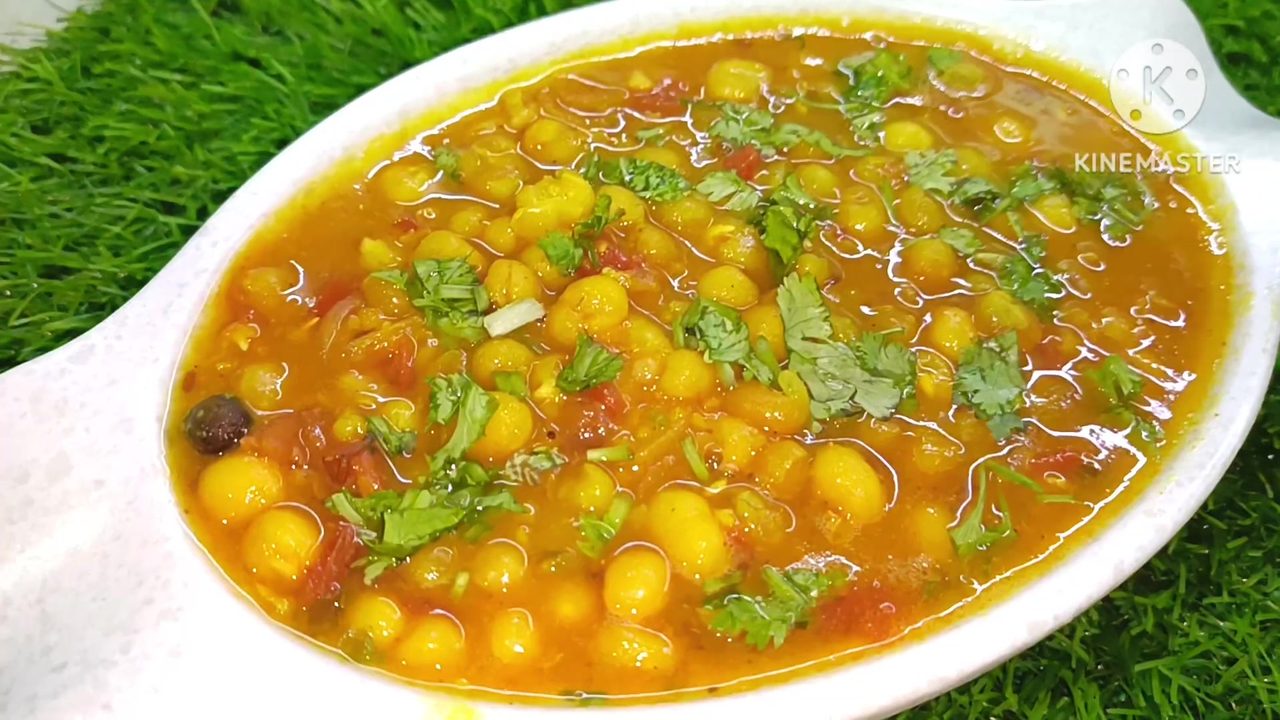
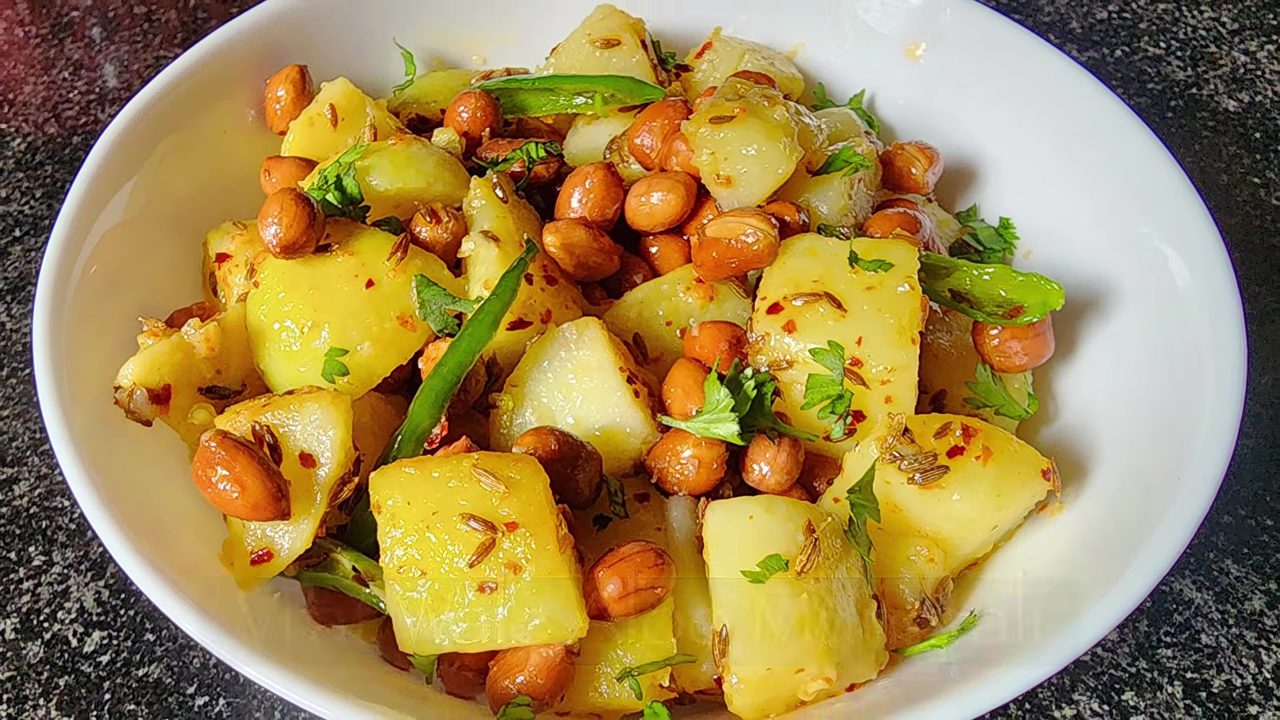
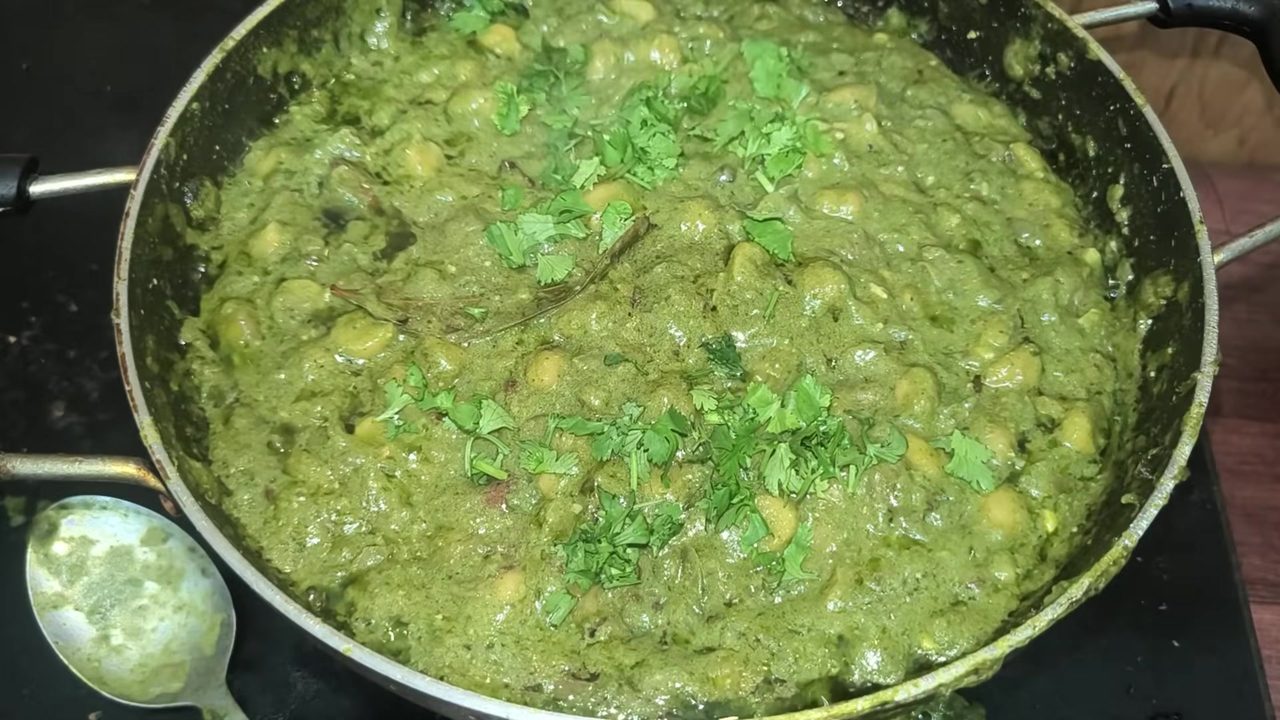
Remove the cooked chapati from the tawa and serve hot with your favorite curry or side dish.




Comments (0)
Sign in to leave a comment on this recipe.
Loading comments...