
Simple Indian Curry Paste & Chickpea Curry
For the Simple Curry Paste
For the Chickpea Curry (Variation)
Step-by-Step Instructions
Follow each step to make the recipe successfully.
Prepare Onion and Tomato
Finely chop or puree the medium-sized onion and tomatoes. If using less oil, pureeing is advisable for a smoother paste.
Make Ginger-Garlic Paste
Take roughly equal proportions of peeled ginger and garlic. Chop them roughly and blend with a little water until a fine, smooth paste is formed. Alternatively, use a mortar and pestle for a single-use portion.
Sauté Onion and Ginger-Garlic Paste
Place a thick-bottomed pan or wok on medium heat. Add your preferred cooking oil (ghee, sesame, mustard, or peanut oil). Once the oil is hot, add the pureed onion and ginger-garlic paste. Stir well and cook for until the raw smell fades and the mixture browns slightly.
Add Dry Spices
Add 1 tablespoon of coriander powder, 0.5 tablespoon of cumin powder, 0.5 teaspoon of turmeric powder, and 1 teaspoon of red chili powder (Kashmiri red chili powder is recommended for color without excessive heat). If you prefer extra hot food, you can add a deseeded fresh green chili at this stage.
Cook Spices and Tomato Puree
Cook the spices for about , adding a little water if needed to ensure uniform mixing and prevent burning. Then, add the tomato puree. If using store-bought tomato puree, the quantity by half. If using tomato paste or passata, use only 2 tablespoons. Mix everything nicely.
Simmer the Paste
Continue to cook the mixture for 5 more minutes on medium heat. The paste will start to thicken, dry out, and you will notice some oil separating at the edges of the pan. This indicates that the raw aromas have mellowed.
Cool and Store the Paste
Remove the pan from the heat and let the curry paste cool down completely. Once cooled, transfer it to an airtight jar or container for storage. Do not add salt to the paste at this stage; add it when you use the paste in a recipe.
Prepare for Chickpea Curry (Optional Variation)
Heat some cooking oil in a pan on medium heat. Add 2 Tej Patta (Indian Bay Leaf), 1 inch cinnamon stick, 4 green cardamom pods, and 5 cloves. Fry these whole spices for until they become aromatic.
Combine Paste and Chickpeas
Add 4-5 tablespoons of the prepared curry paste to the pan with the fried whole spices. Cook briefly, as the paste is already cooked. Then, add the cooked chickpeas (either soaked and boiled or canned). Add more water if you prefer a thinner curry, but avoid adding too much to retain flavor.
Simmer and Finish Chickpea Curry
Cook the chickpea curry for a further until it comes to a boil. Once boiling, the chickpea curry is ready. Optionally, you can add dried fenugreek leaves (Kasuri Methi) for an umami flavor or fresh herbs like parsley or coriander for a different taste.
Before You Cook
Helpful details before you startIngredient SubstitutionsMissing something? View suitable alternatives.View 4 swaps
No Onion?
- 1 tbsp onion powder (per medium onion)
- 3 tbsp dried minced onion
- Shallots or leeks (1:1)
No Garlic (fresh)?
- 1/4 tsp garlic powder (per clove)
- 1/2 tsp garlic granules (per clove)
No Ghee?
- Unsalted butter (1:1)
- Neutral oil (1:1, lacks the toasted note)
No Bay leaf?
- 1/4 tsp dried thyme (per leaf)
- Pinch of dried oregano
Storage & Leftovers
Keep your leftovers fresh and ready to enjoy.
- Store
Cool and Store the Paste
Variations
Simple ways to adapt this recipe.
- For the chickpea curryCustomise
You can add dried fenugreek leaves (Kasuri Methi) for an umami flavor.
- Fresh herbs like parsley or
Fresh herbs like parsley or coriander can be added to the chickpea curry for a different flavor profile.
- For other curriesCustomise
You can add cashew cream or yogurt to alter the taste and richness of the gravy.
Helpful Tips
Small details that can improve the final result.
You might also like
Other recipes in the same cuisine, meal type, or style — ready to cook whenever you are.

Drumstick and Potato Curry (Aloo Sahjan ki Sabzi)
Cuisine
Indian · North Indian
Prep + Cook Time
40 Minutes
Difficulty Level
Medium

One Pot White Pulao – Hotel Style
Cuisine
Indian · South Indian
Prep + Cook Time
35 Minutes
Difficulty Level
Easy
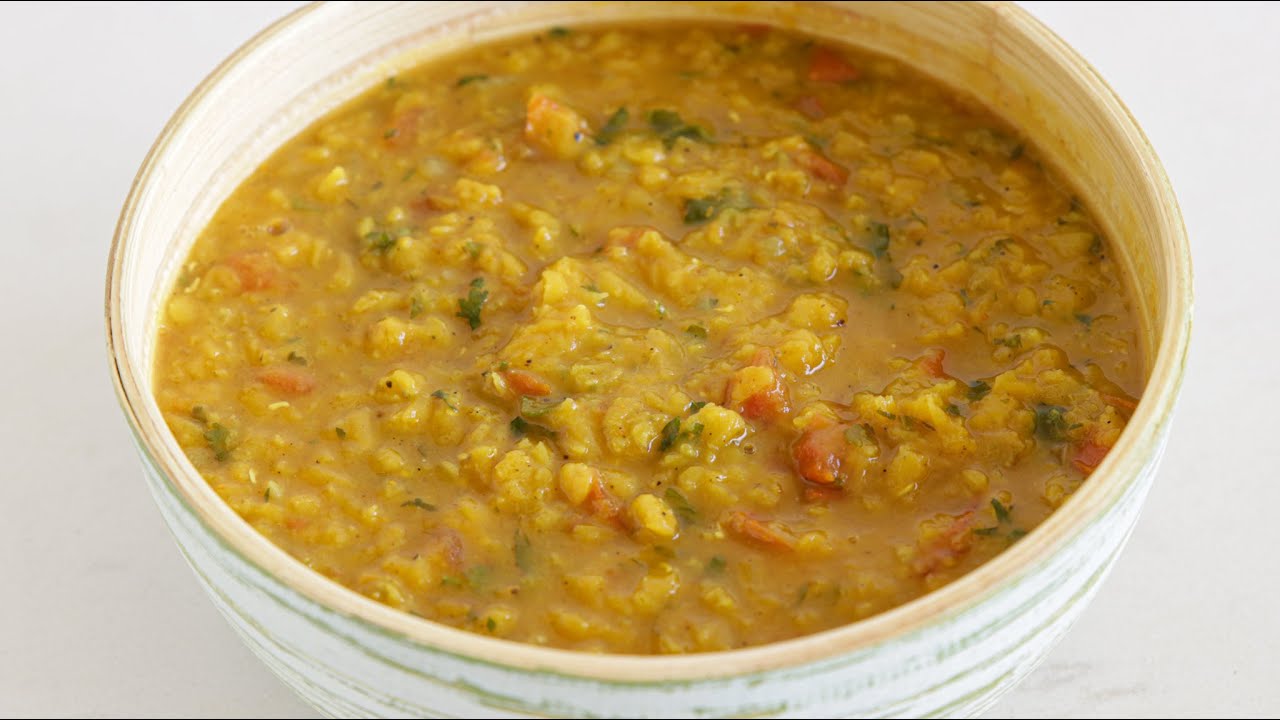
Red Lentil Dal (Masoor Dal)
Cuisine
Indian
Prep + Cook Time
45 Minutes
Difficulty Level
Easy

Dhal – Indian Style
Cuisine
Indian · South Indian
Prep + Cook Time
1 hr
Difficulty Level
Easy

Easy Paneer Curry – North Indian Style
Cuisine
Indian · North Indian
Prep + Cook Time
45 Minutes
Difficulty Level
Easy
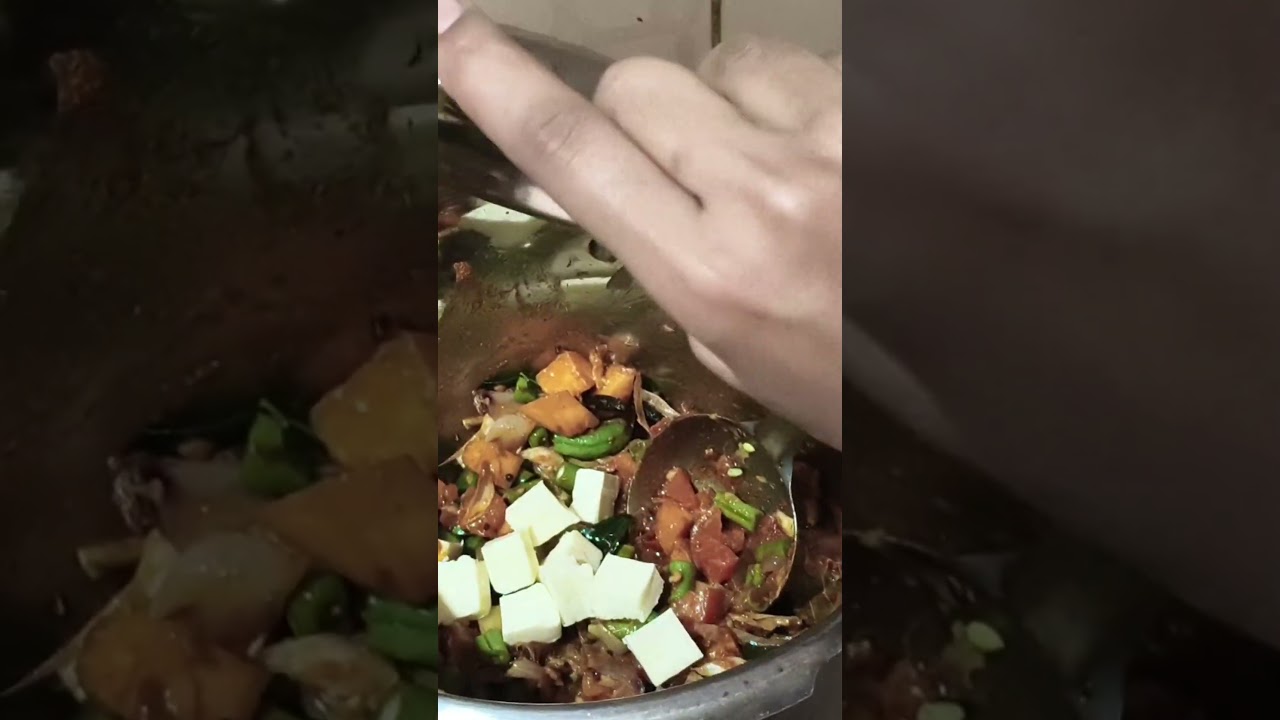
Mixed Vegetable Paneer Pulao
Cuisine
Indian · South Indian
Prep + Cook Time
40 Minutes
Difficulty Level
Comments (0)
Sign in to leave a comment on this recipe.
Loading comments...