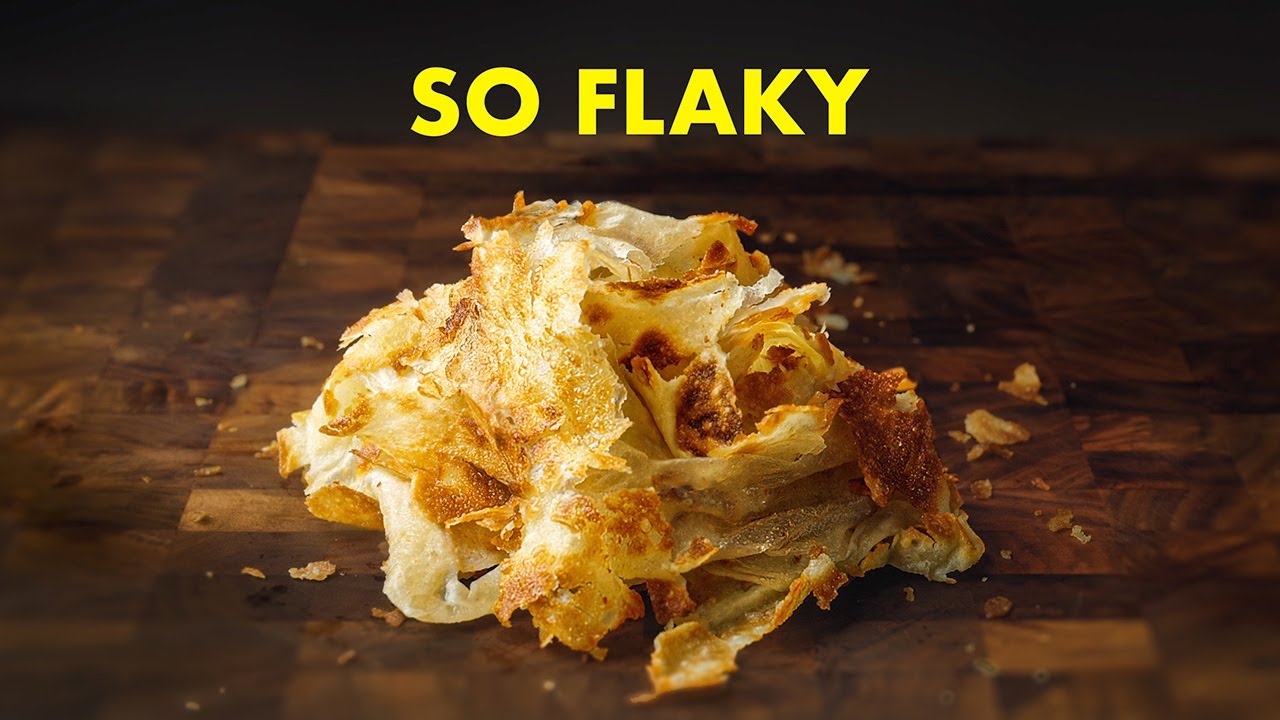
Sheldo's Very Best Roti Canai with Easy Curry Dip

For the Roti Dough
For the Curry Dip
Step-by-Step Instructions
Follow each step to make the recipe successfully.
Prepare the Dough Base
To a large mixing bowl, add 300ml lukewarm water, 60g condensed milk, 35g melted butter or ghee, 12g fine sea salt, and 20g granulated sugar. Stir it all together until well combined.
Mix in Flour
Add 600g all-purpose flour. Stir as much as possible with a or spoon, then switch to your hands to bring the dough together.
Adjust Hydration and Initial Knead
If there's lots of dry flour left at the bottom of the bowl, add up to 3 teaspoons of water to help the dough come together (the chef added about 2 tsp). only until all the dry flour is incorporated and the dough is lump-free. The dough should still be shaggy, soft in texture, and slightly tacky.
First Rest and Final Knead
Cover the bowl and let the dough rest for . After resting, the dough will be noticeably more elastic. it until smooth, which should only take about .
Divide and Shape Dough Balls
Divide the dough into 10 equal parts (each portion should be around 100g). Form the dough into smooth balls by gathering everything in the center and pinching it together. Then, flip it around and roll with a lightly cupped hand until smooth and round.
Oil and Rest Dough Balls
Spread a generous amount of neutral oil all over a sheet tray. Liberally coat each dough ball with oil to prevent it from sticking and drying. Cover the tray tightly with plastic wrap. Let the dough rest for at least at room temperature. For best results, for at room temperature or chill overnight in the fridge. If chilled, take it out of the fridge ahead so the dough can warm up again before proceeding.
Prepare the Curry Dip - Reduce Coconut Milk
Add 1/2 cup (120ml) full-fat coconut milk to a small pan over medium heat. Cook the coconut milk for about until it's , thick, and bubbling. This will concentrate the coconut flavor.
Fry Curry Paste and Spices
Add 2 tablespoons of Thai red curry paste. Fry the curry paste for a few minutes until a vibrant red oil separates out. Once that happens, add 1/4 teaspoon turmeric and 1/2 teaspoon garam masala. Briefly stir and cook for about to extract fat-soluble flavors from the spices. Do not cook longer than this to avoid burning the powdered spices.
Simmer Curry Dip
Immediately add another 1/2 cup (120ml) coconut milk, 1/4 cup (60ml) water, and a few dashes of fish sauce. Let it bubble away for for the flavors to meld together, stirring occasionally so that nothing sticks. You should see a beautiful red oil floating on the curry. Finish with 1/4 teaspoon sugar. Taste to see if it needs any more salt (the chef's was perfect, but it may need more depending on the curry paste).
Prepare Work Surface for Stretching
Work on the smoothest surface possible with at least 3ft by 3ft of working area. Have ready a small bowl filled with about 1/3 cup of neutral oil. Spread a thin layer of oil all over the entire work surface.
Initial Dough Stretch (Smearing)
Place down a ball of rested dough and add some more oil over top. Use a smooth, smearing motion with the heel of your hand to thin out the dough. Work from the center out. Aim for a circle about the size of a dinner plate with even thickness throughout.
Tossing Technique (Advanced)
Start with hands together, dominant hand face up and non-dominant hand face down. The hand facing up will go under the dough and the other hand on top. Gently grip with the thumbs, keeping the other fingers flat to evenly distribute pressure. Imagine you're holding a large plate so that the hands stay parallel to each other. The toss will go in the direction of the non-dominant hand. Bring both hands towards that shoulder, then briskly swing them down back towards the counter, keeping the hands parallel throughout the entire motion. Go fast on the way down, as it's momentum that stretches the dough. The goal is to have the dough land evenly without creasing or folding over. If the dough does fold, smooth it out before moving on to the next toss. With each subsequent toss, rotate the dough slightly so that you're stretching all the way around the perimeter. Continue until the center of the dough is thin and translucent.
Final Stretching of Edges
Now, stretch the edges of the dough and any other parts that remained thick so that the whole surface is thin and translucent. Any thick portions left will interfere with the final texture. Lightly pull with the fingertips, barely even gripping. Be patient here, go gently but firmly, and stretch as thin as possible. There will still be a tiny portion of thick dough left around the edges. Go around with the heel of the hand and smudge out this border to thin it out. Alternatively, you can tug on only the border and it will naturally rip off.
Stretching Technique (Beginner-Friendly)
To stretch the dough without tossing, start with a rolling pin. Roll it as thin as it will go. Since you didn't toss, the center of the dough isn't thin yet. Stretch the center by placing a flat palm underneath the dough. Hold the opposing side on top with the other hand. Slowly pull away with the hand underneath. Instead of gripping, let the friction of the dough weigh itself down. Be patient and go slowly. Keep repeating this motion in different directions until the dough is translucent all over and evenly stretched. This method is slower but makes for a dough sheet that's just as thin as tossing.
Shape the Roti
Scatter some oil onto the stretched-out dough. Gently lift up one side of the dough and fold it towards the center. Fold the opposite side towards the center as well. The two sides should meet in the middle, overlapping slightly. If the edges of the dough roll back or bunch up, unroll it and smooth it out to avoid dense sections. Fold the left and right sides towards the center as well, overlapping slightly. What you're left with should be a neat square or rectangle. Flip it over so the bottom is face up. Smooth a bit more oil all over. Set the roti aside to rest while you shape the other dough balls.
Cook the Roti
Preheat a non-stick skillet over medium-low heat for about . Cook the roti in the order that you shaped them. Right before cooking, give each roti one final stretch out by smushing and stretching from the center out, focusing on any thicker sections. Try to make the roti evenly translucent all over. Add about 2 to 3 tablespoons of oil or ghee to the skillet. Once the oil is lightly shimmering, place in the stretched roti. If the roti puffs up, use a spatula to gently press it down so that it cooks evenly. Cook on the first side until it's golden brown, then flip over. The second side won't take as long to cook. If cooking with oil and not ghee, when the second side is just starting to color, add a small knob of butter and swirl it around to melt. Make sure that both sides of the roti get to soak up some butter. Once golden on both sides, transfer the roti out of the pan. Wipe out the skillet with a paper towel and add fresh oil before cooking another roti.
Fluff the Roti
Once the roti comes out of the pan, for a few moments to cool a bit. Then, vigorously and firmly clap the roti between two hands. Be careful because it may still be hot (you can use a tea towel to protect your hands). This process transforms the roti into its final form, breaking up the crisp exterior and fluffing up all of the layers inside. Really go for it, clap and fluff to your heart's content. There's no overdoing it.
Serve and Enjoy
Roti Canai is best when it's hot and fresh. There's no elegant way to do this: tear off a piece of roti, dunk it into the curry sauce, then slam the whole thing into your face. The flavor is lightly sweet, that of wholesome simple starch, imbued with deep butteriness. The curry dip is so vibrant, spicy, fragrant, pungent, and complex, rich with coconut. The curry soaks into each bite of roti, enhancing yet not overshadowing.
Freeze for Later
After the roti has been shaped and rested, give each one a final stretch out as if about to cook it. Stack them on a tray, placing parchment paper between each roti to prevent sticking. Cover the tray tightly and freeze for several hours until all the rotis are hardened. Finally, transfer all of it to a freezer bag and seal it up tight. They'll be good for at least 3 months in the freezer. The roti can be cooked straight from frozen; because it's so thin, it thaws almost instantly in the pan.
Before You Cook
Helpful details before you startIngredient SubstitutionsMissing something? View suitable alternatives.View 6 swaps
No Butter?
- 3/4 the amount of olive oil (for cooking, not baking)
- Equal parts ghee — Slightly nuttier flavor.
- Equal parts coconut oil (in baking)
No Ghee?
- Unsalted butter (1:1)
- Neutral oil (1:1, lacks the toasted note)
No All-purpose flour?
- White whole wheat flour (1:1)
- 1 cup minus 2 tbsp + 2 tbsp cornstarch (cake flour swap)
No Coconut milk?
- Equal parts heavy cream + 1/2 tsp coconut extract
- Whole milk + 1 tsp coconut oil (per cup)
No Garam masala?
- 1 tsp cumin + 1/2 tsp coriander + 1/4 tsp cinnamon + 1/4 tsp cardamom
No Fish sauce?
- Soy sauce + a squeeze of lime
- Worcestershire sauce + 1/2 tsp water
Plan Ahead
Complete this step earlier to save time later.
- View Step 6Oil and Rest Dough Balls3 hours or overnight
Spread a generous amount of neutral oil all over a sheet tray. Liberally coat each dough ball with oil to prevent it from sticking and drying. Cover the tray tightly with plastic wrap. Let the dough rest for at least 1 hour at room temperature. For best results, let it rest for 3 hours at room temperature or chill overnight in the fridge. If chilled, take it out of the fridge 1 hour ahead so the dough can warm up again before proceeding.
Storage & Leftovers
Keep your leftovers fresh and ready to enjoy.
- FreezeUp to 3 months
Roti can be frozen for up to 3 months and cooked straight from frozen.
- Freeze
Freeze for Later
- Freeze
Cover the tray tightly and freeze for several hours until all the rotis are hardened.
- FreezeAt least 3 months
They'll be good for at least 3 months in the freezer.
Variations
Simple ways to adapt this recipe.
- Vegan / Dairy-Free RotiDietary option
The video mentions a vegan/dairy-free recipe in the description for condensed milk and butter substitutes.
- Roti texture
Adjust oil and browning during cooking for crispier/flakier or softer roti.
Helpful Tips
Small details that can improve the final result.
More from Sheldo's Kitchen
Other recipes converted from Sheldo's Kitchen's cooking videos.
You might also like
Other recipes in the same cuisine, meal type, or style — ready to cook whenever you are.
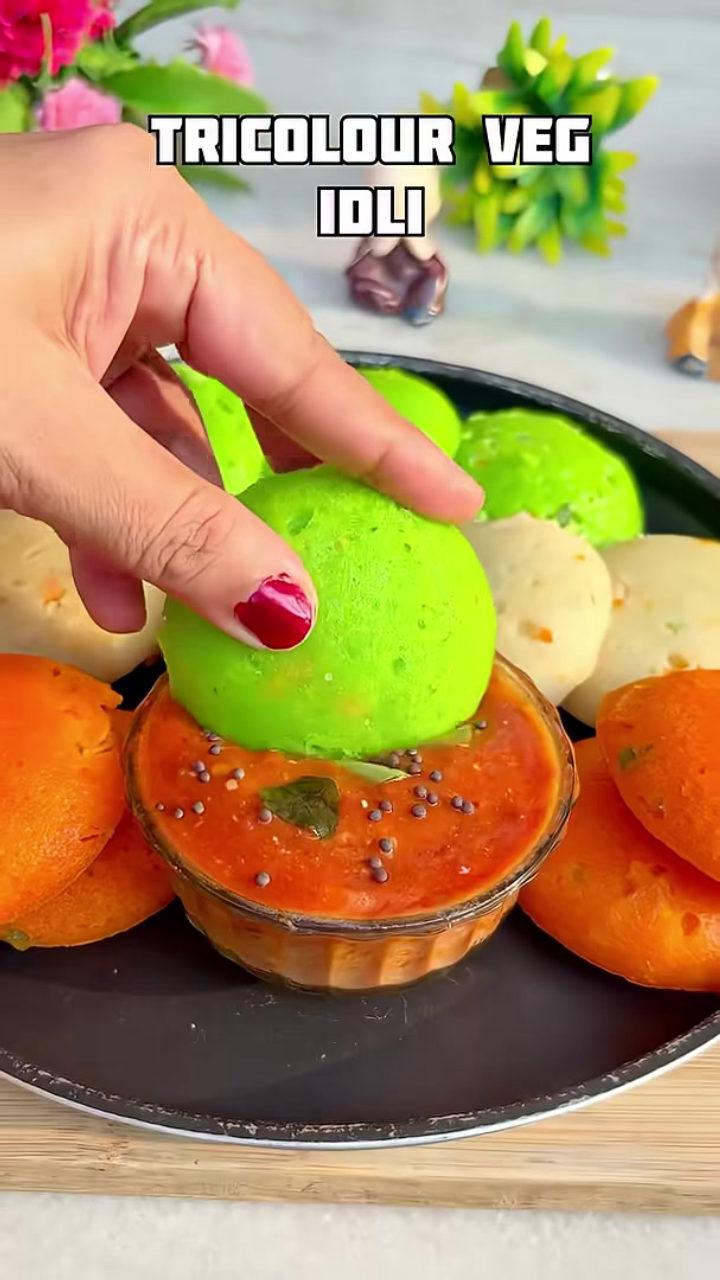
Tricolour Veg Idli – Indian Breakfast
Cuisine
Indian · South Indian
Prep + Cook Time
35 Minutes
Difficulty Level
Easy
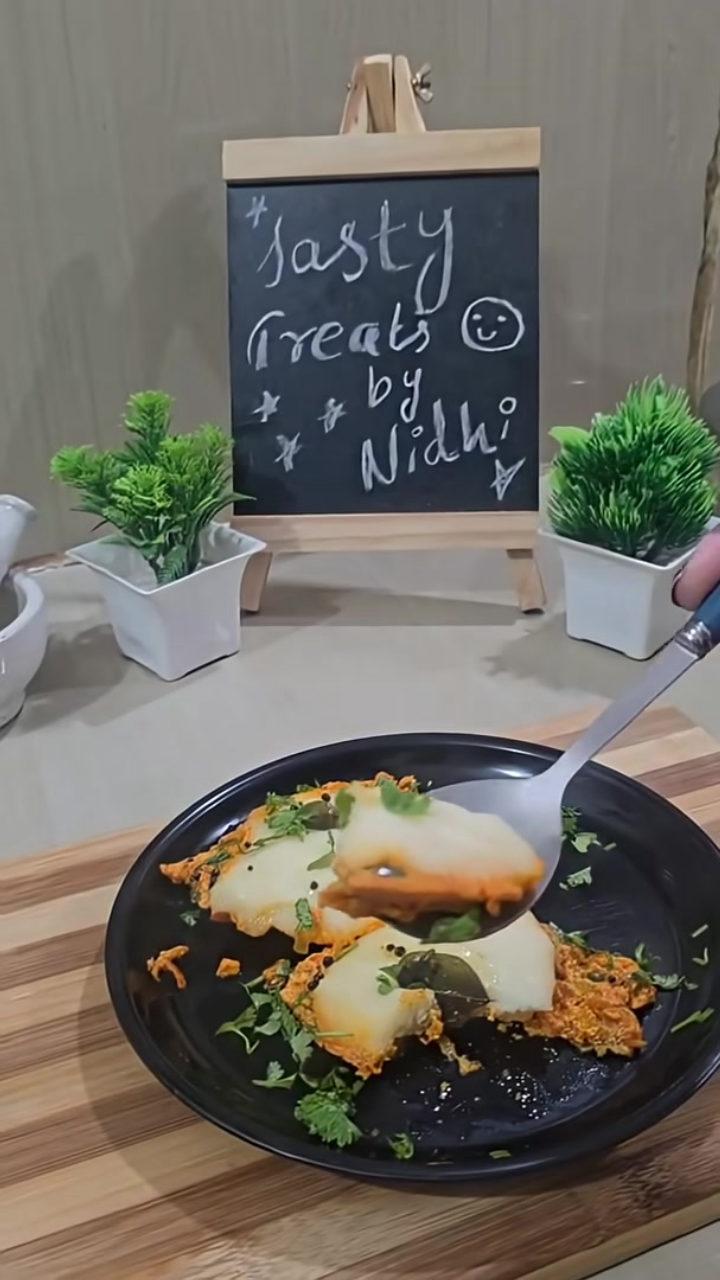
Suji Paneer Delight - Healthy & Tasty Breakfast
Cuisine
Indian · Fusion
Prep + Cook Time
35 Minutes
Difficulty Level
Easy

Soya Fry – Home Cooking Style
Cuisine
Indian · South Indian
Prep + Cook Time
40 Minutes
Difficulty Level
Easy

Sooji Poha Pancake
Cuisine
Indian · South Indian
Prep + Cook Time
25 Minutes
Difficulty Level
Easy
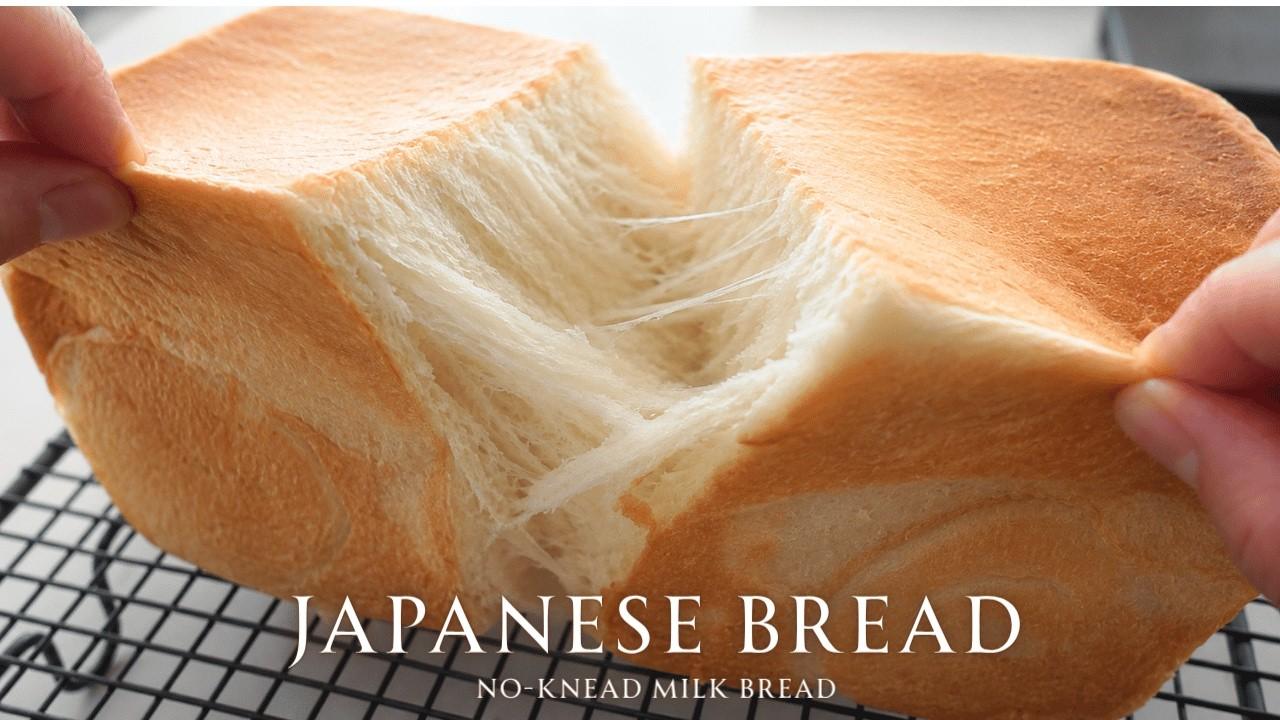
Soft Milk Bread Loaf
Cuisine
Asian · Japanese
Prep + Cook Time
4 hr 10 min
Difficulty Level
Medium
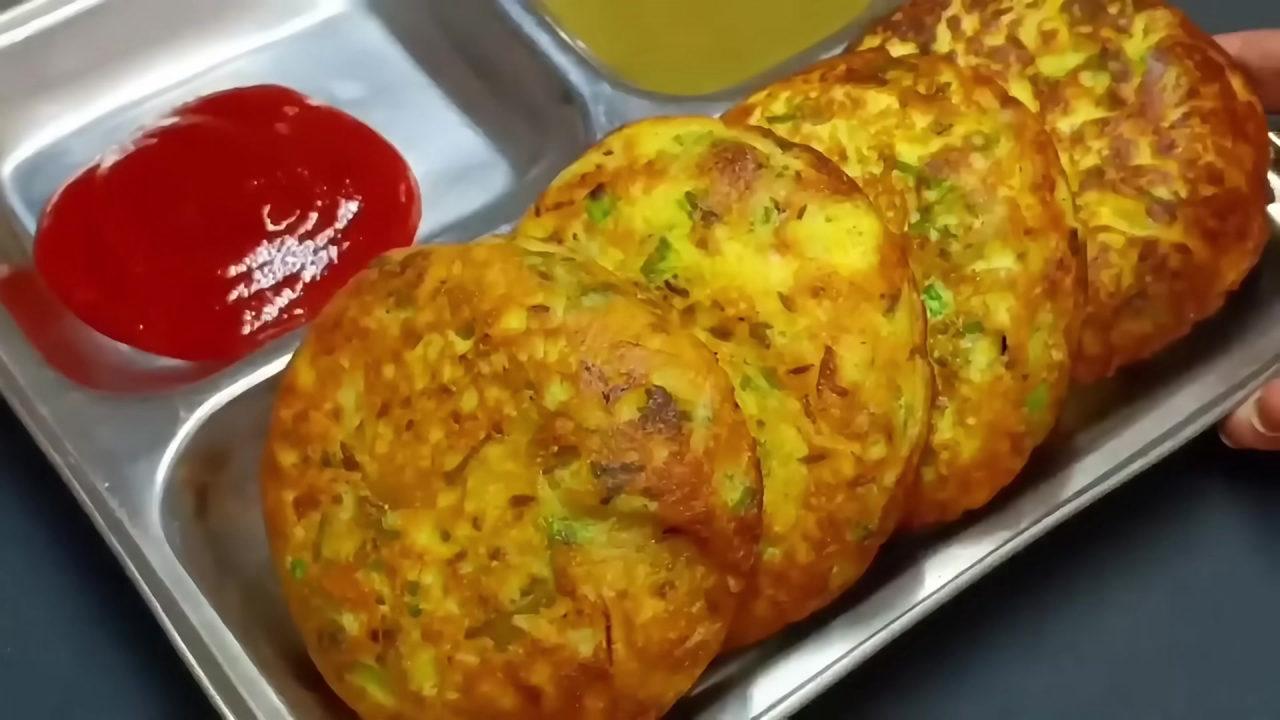
Instant Besan Rice Flour Savory Pancakes
Cuisine
Indian · North Indian
Prep + Cook Time
25 Minutes
Difficulty Level
Comments (0)
Sign in to leave a comment on this recipe.
Loading comments...