Sardar Pav Bhaji Recipe
Recipe by Avanti Khana Khazana
Ingredients
For Boiling Vegetables
- 2 glasses (approx. 500 ml)Water
- 2 medium, choppedPotatoes
- 1 large, choppedCarrots
- 1 small head, choppedCauliflower
- to tasteSalt
For Pav Bhaji Gravy
- 1 tablespoonOil/Ghee
- 1Bay leaf
- 1 small pieceCinnamon stick
- 4-5Curry leaves
- 1 large, pureedOnion
- 1 large, pureedTomato
- 1 tablespoonPav Bhaji Masala
- 1 teaspoonCoriander powder
- 1 teaspoonRed chili powder
- 0.5 teaspoonTurmeric powder
- to tasteSalt
- 1 teaspoonGinger-garlic paste
- 0.5 cupGreen peas
- for garnish, choppedFresh coriander
Step-by-Step Instructions
- 1.Boil Vegetables
Add 2 glasses of water to a pressure cooker. Then add chopped potatoes, chopped carrots, and chopped cauliflower. Season with salt to taste. Close the lid and cook until 3 whistles, allowing the vegetables to boil until tender.
- 2.Prepare the Gravy Base
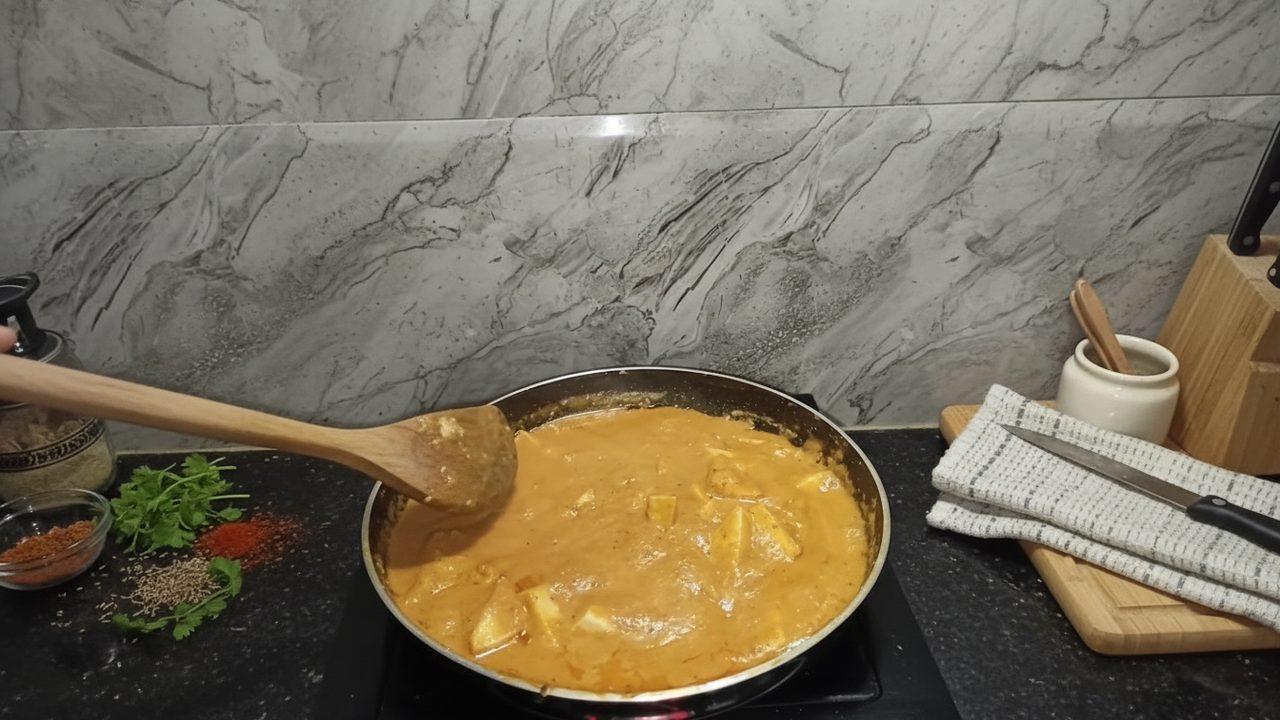
Heat 1 tablespoon of oil or ghee in a pan. Add 1 bay leaf, 1 small cinnamon stick, and 4-5 curry leaves. Stir for a few seconds until fragrant. Add the pureed onion and tomato paste and cook for 2 minutes, stirring continuously, until the raw smell disappears and the mixture thickens slightly.
- 3.Add Spices
To the gravy base, add 1 tablespoon of pav bhaji masala, 1 teaspoon of coriander powder, 1 teaspoon of red chili powder, 0.5 teaspoon of turmeric powder, and salt to taste. Mix well and cook for 2-3 minutes, stirring until the spices are well combined and the oil starts to separate from the mixture.
- 4.Combine and Mash
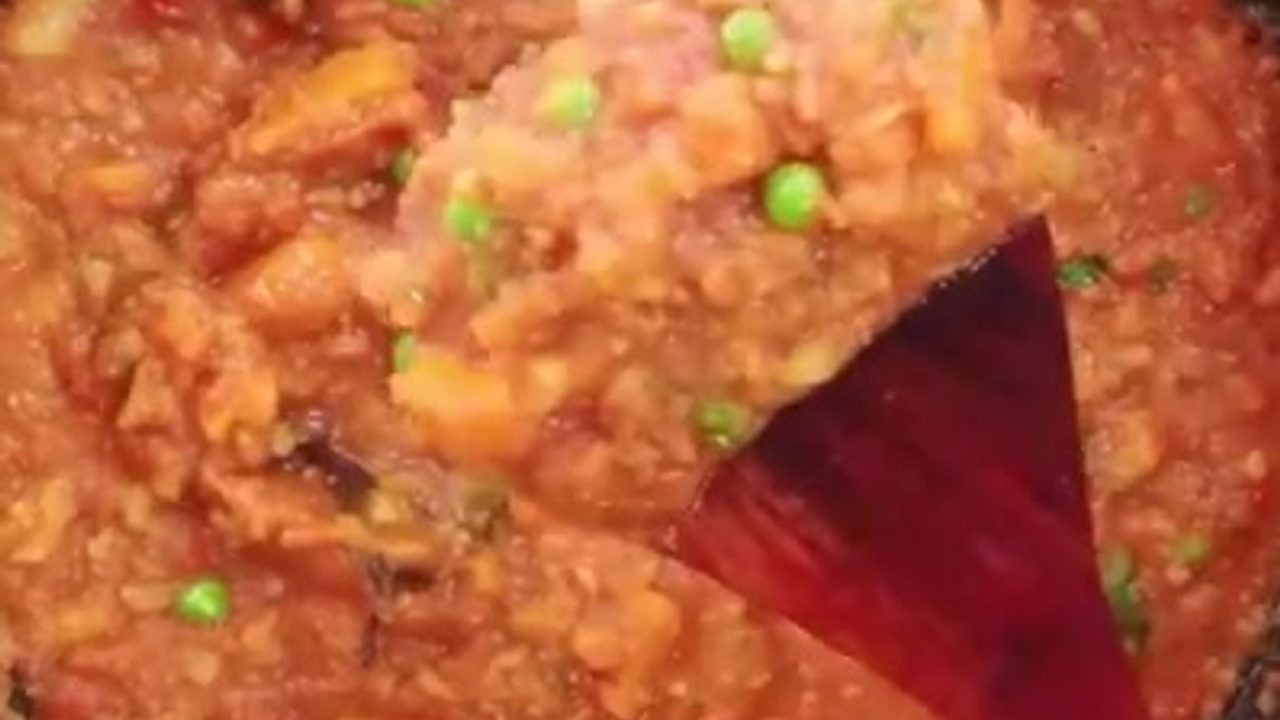
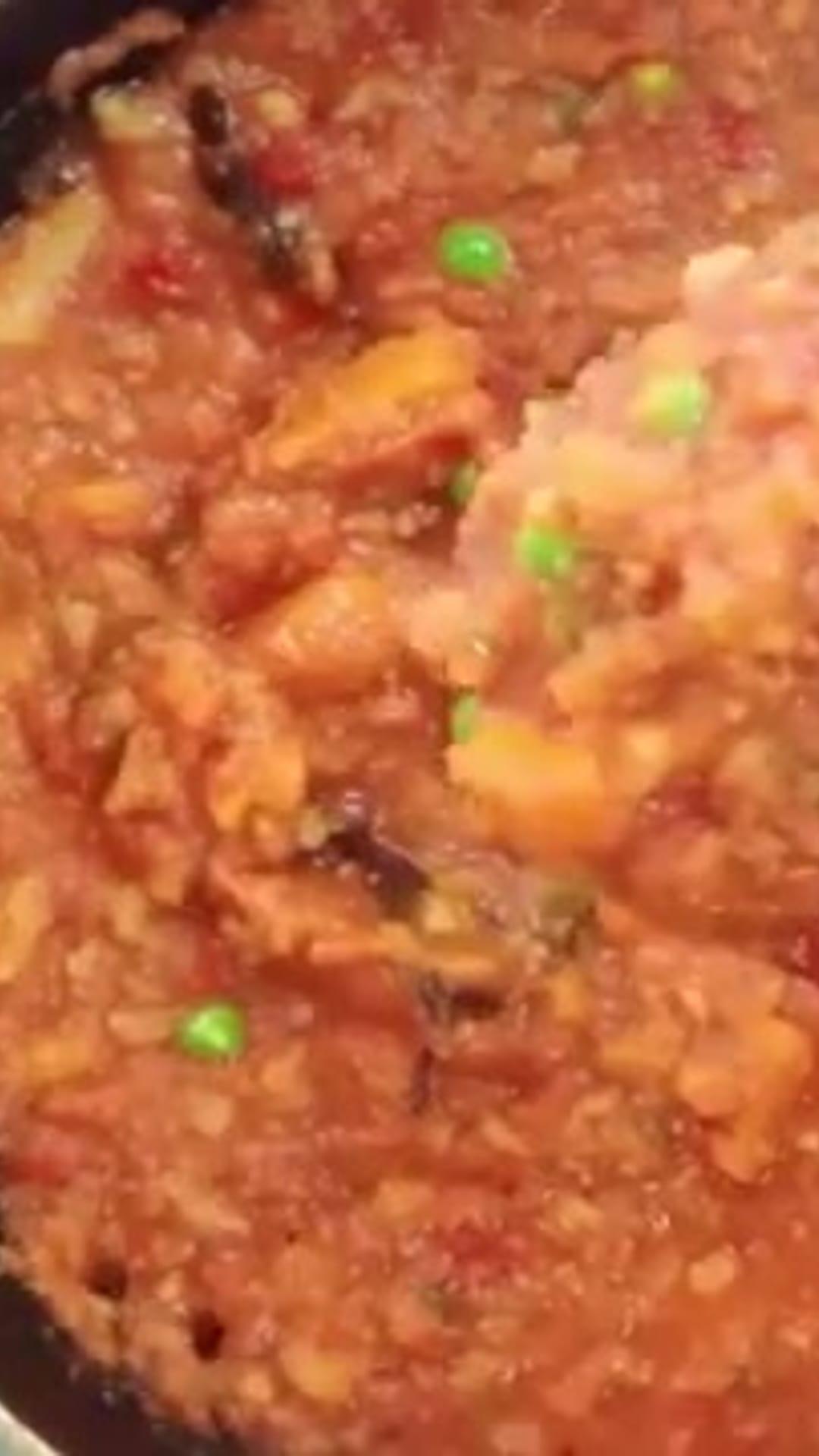
Add the boiled vegetables from the pressure cooker to the pan with the gravy. Using a potato masher, thoroughly mash all the vegetables directly in the pan until a smooth consistency is achieved. Continue cooking for a few minutes.
- 5.Final Additions
Add 1 teaspoon of ginger-garlic paste, 0.5 cup of green peas, and chopped fresh coriander to the bhaji. Mix everything well and cook for another 2-3 minutes, allowing the flavors to meld. The bhaji should be thick and well-combined.
- 6.Serve Pav Bhaji
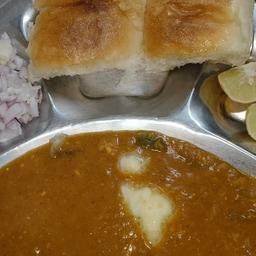
Once the pav bhaji is ready, serve it hot on a plate. Garnish with fresh coriander, chopped raw onions, and a lemon wedge. Serve with buttered pav buns.

Comments (0)
Sign in to leave a comment on this recipe.
Loading comments...