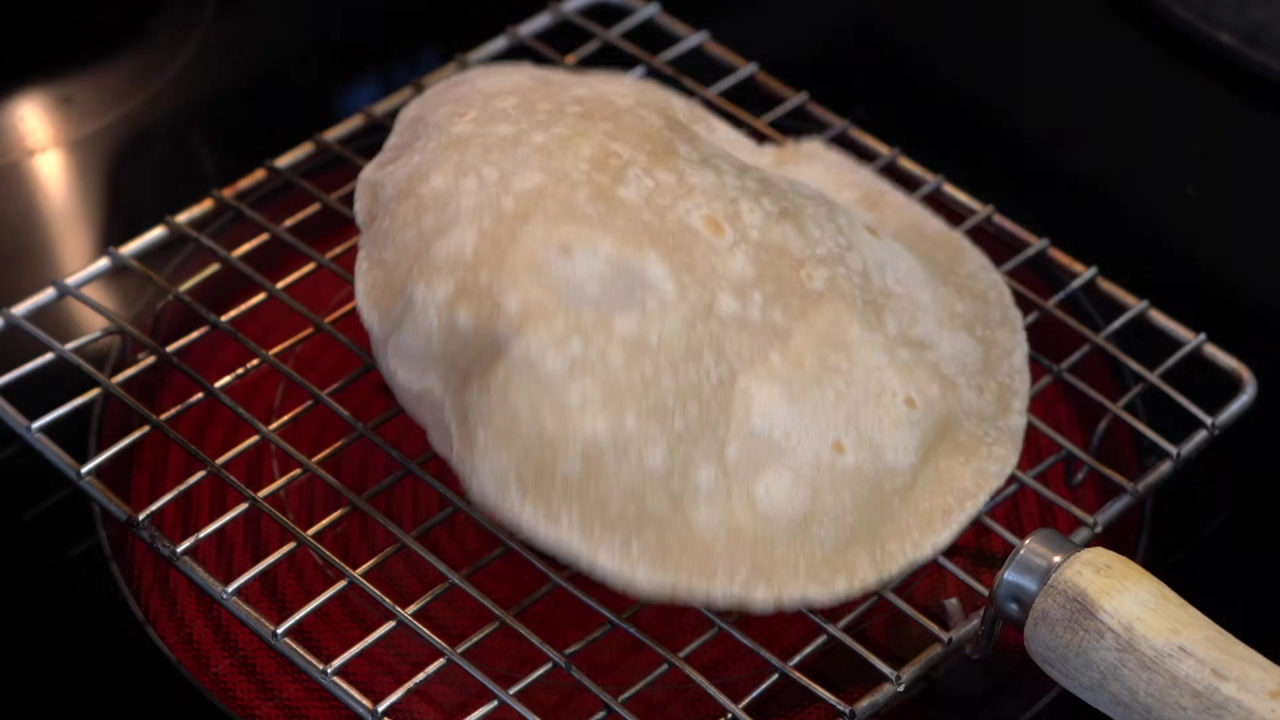
Roti/Chapati – Indian Flatbread
For the Dough
Step-by-Step Instructions
Follow each step to make the recipe successfully.
Prepare the Dough Mixture
In a large bowl, combine 1.5 cups of atta, 1/4 tsp of salt, and 1 tsp of oil. Rub the flour and oil together with your fingers until you get a breadcrumb-like texture.
Add Hot Water and Rest
Pour a little less than 1 cup of boiling hot water into the flour mixture. Mix everything with a spoon until it forms a shaggy mass. Cover and for to cool down.
Knead the Dough
Once the dough is comfortable to handle, begin . If the dough isn't coming together, sprinkle a little warm water. for using your knuckles to press and spread the dough, then gathering it back together. Repeat this process until the dough is soft, smooth, and non-sticky. The dough is ready when you press a finger into it and the indentation stays.
Rest the Dough
Dab your fingers in water and pat the surface of the dough. Cover the bowl with a lid or a wet cloth and let the dough rest for . This step is crucial for soft rotis.
Form Dough Balls
After resting, the dough for one more minute. Divide the dough into 8 equal portions. Take each portion and roll it between your palms to form a smooth, crack-free ball. Gently press each ball to flatten it into a small disc.
Roll the Roti
Take a flattened dough disc and dust it with dry atta. Place it on a rolling board (chakla) and roll it out into a thin, even circle using a rolling pin (belan). Apply gentle pressure and roll from the center outwards, turning the roti as you go to maintain a round shape. Dust off any excess flour by flipping it between your hands.
Cook the Roti
Heat a tawa or a cast-iron skillet on medium-high heat. To test if it's hot enough, sprinkle a few drops of water; they should sizzle and evaporate quickly. Place the rolled roti on the hot tawa.
Flip and Cook
Cook the first side for about , until you see the color change and small bubbles start to form. Flip the roti. Cook the second side for about until light brown spots appear.
Puff the Roti
Flip the roti again. As it starts to puff up, gently press the puffed areas with a spatula to encourage it to inflate fully like a balloon. Cook for another .
Finish and Store
Remove the puffed roti from the tawa. Place it in a cloth-lined container or pot. Optionally, brush the top with ghee, butter, or olive oil. Keep it covered to retain heat and softness. Repeat the process for the remaining dough balls.
Helpful Tips
Small details that can improve the final result.
More from CURRIES WITH BUMBI
Other recipes converted from CURRIES WITH BUMBI's cooking videos.
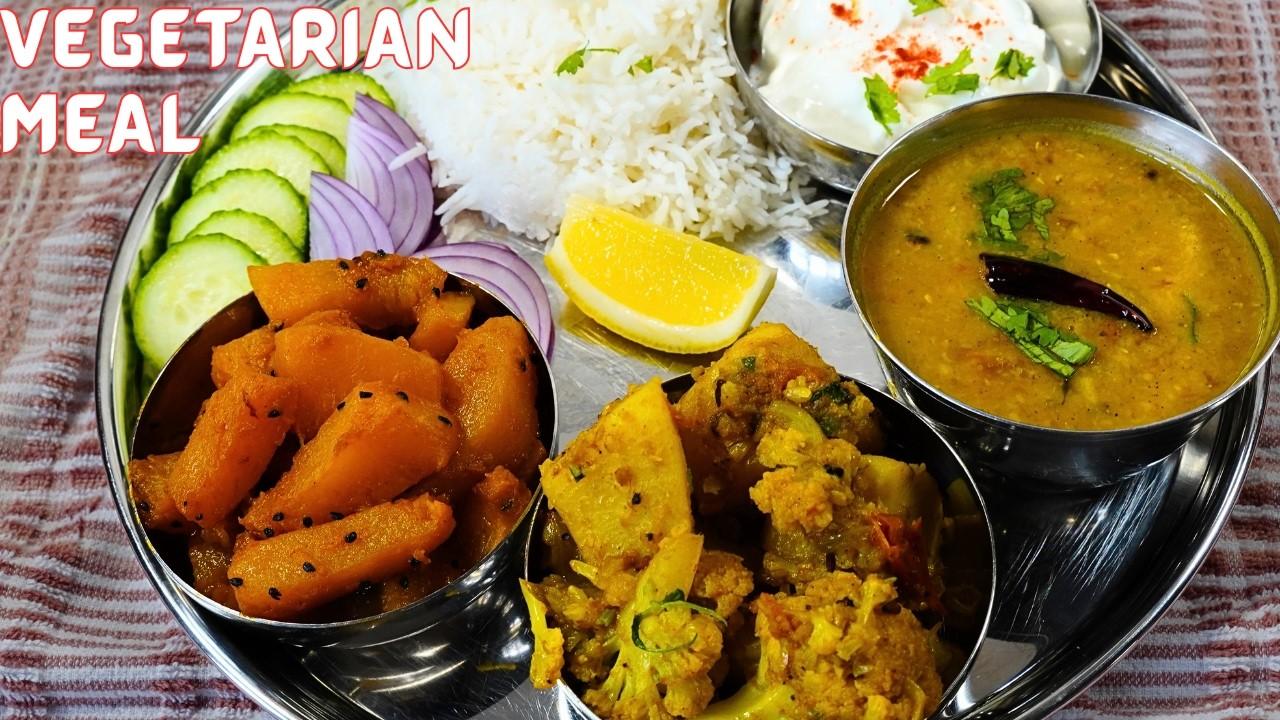
Simple Indian Vegetarian Meal: Dal, Cauliflower Curry & Stir-fried Pumpkin
Cuisine
Indian · Bengali
Prep + Cook Time
45 Minutes
Difficulty Level
Medium
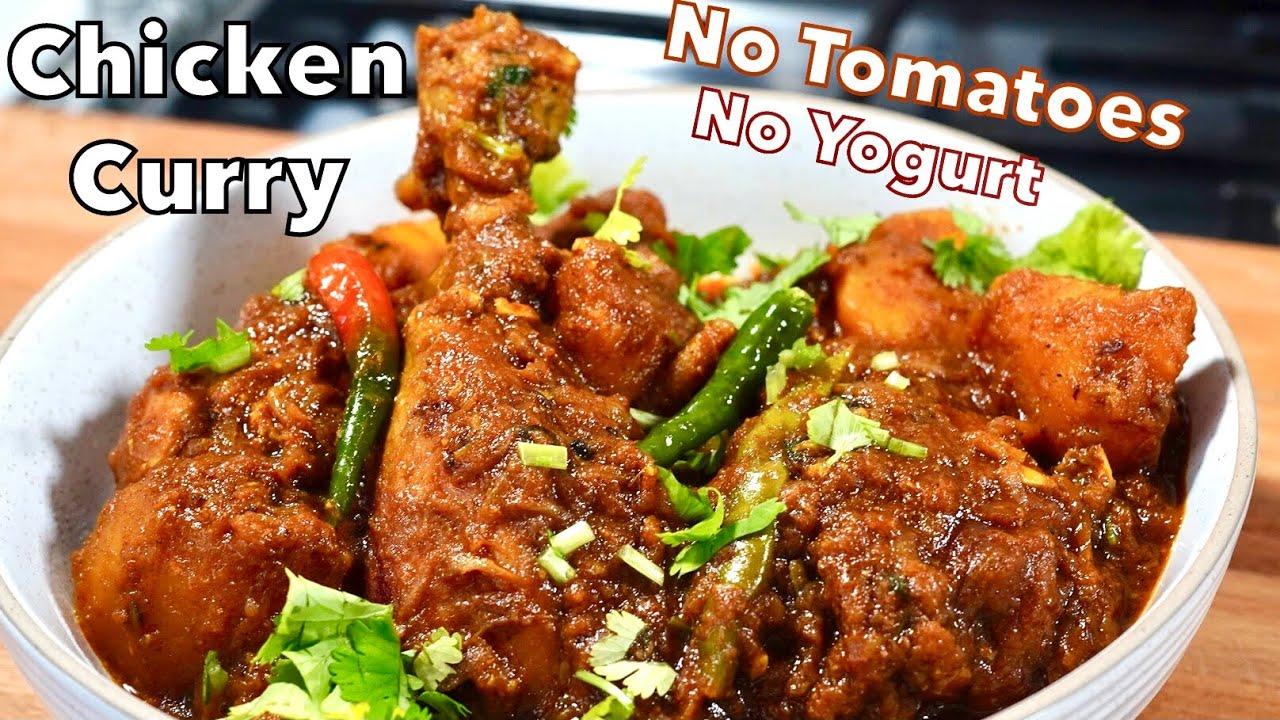
Easy Chicken Curry without Tomatoes or Yogurt
Cuisine
Indian · North Indian
Prep + Cook Time
1 hr
Difficulty Level
Medium
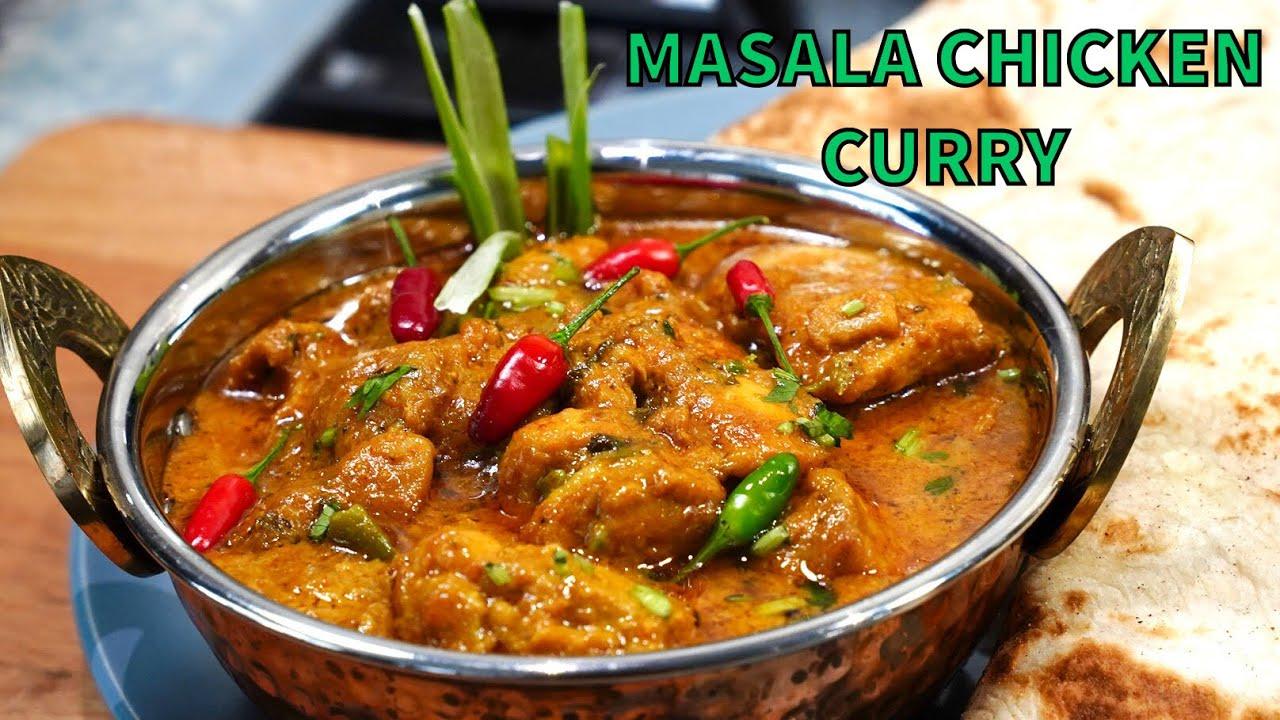
Quick & Easy Chicken Curry with Yogurt & Cream – Indian
Cuisine
Indian · North Indian
Prep + Cook Time
45 Minutes
Difficulty Level
Easy
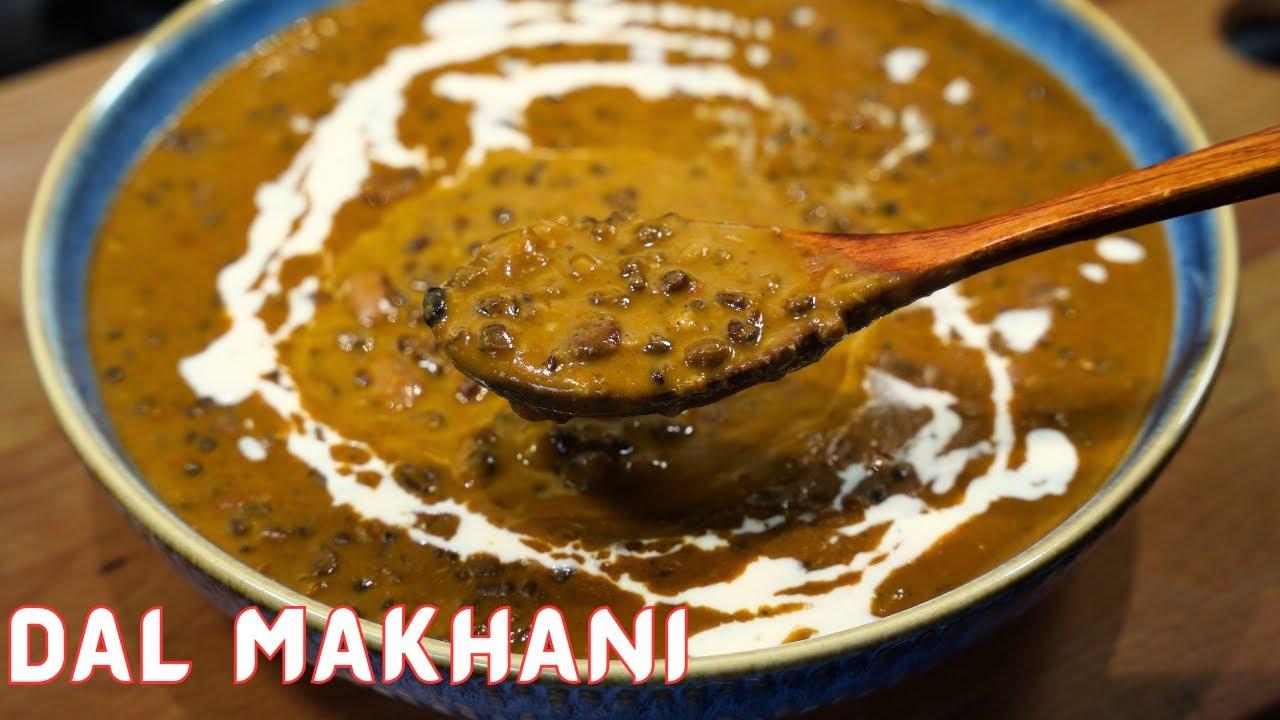
Dal Makhani – Punjabi Style
Cuisine
Indian · North Indian
Prep + Cook Time
1 hr 5 min
Difficulty Level
Medium
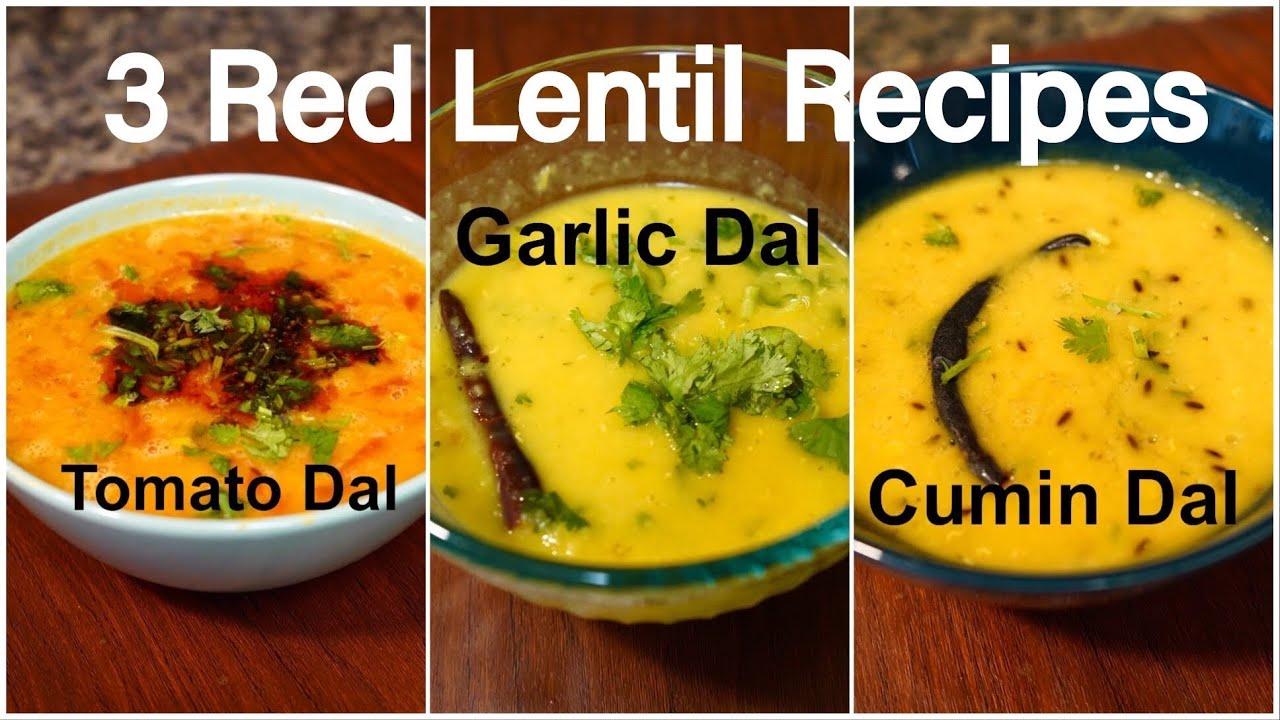
Three Easy Red Lentil Dal Recipes (Masoor Dal)
Cuisine
Indian · North Indian
Prep + Cook Time
1 hr 10 min
Difficulty Level
Easy
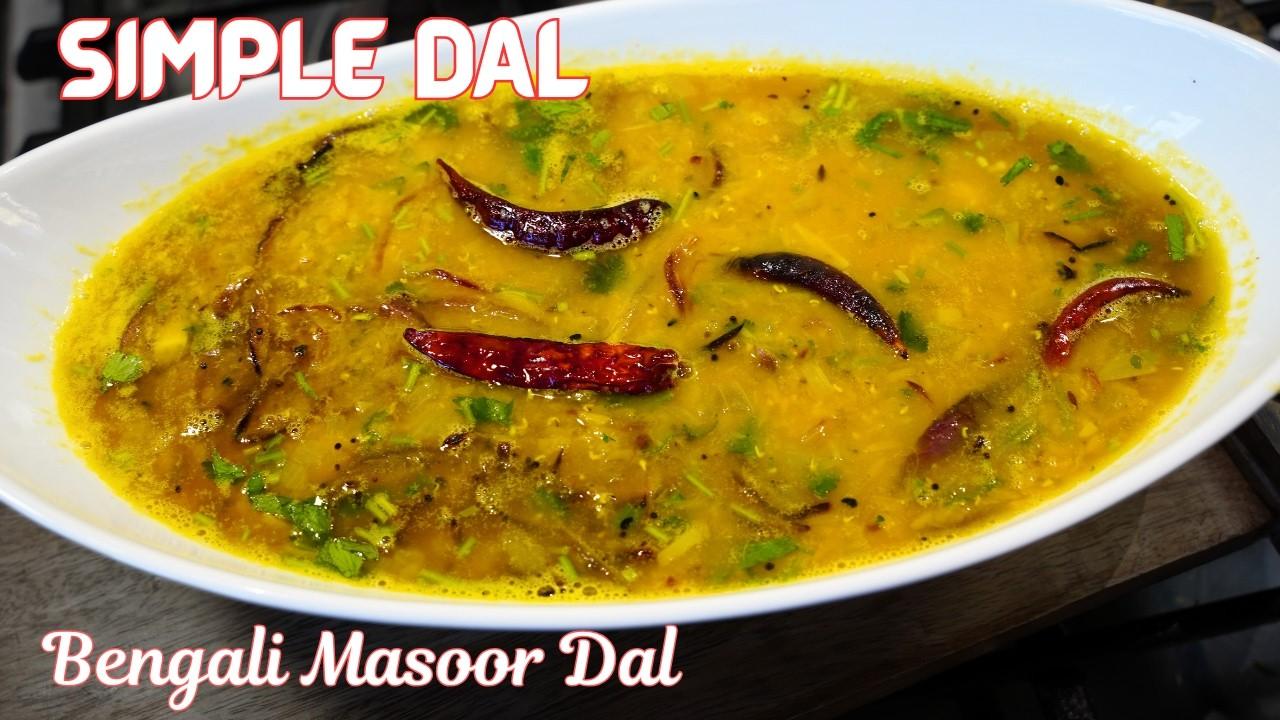
Simple and Delicious Masoor Dal Recipe – Bengali Style
Cuisine
Indian · Bengali
Prep + Cook Time
50 Minutes
Difficulty Level
Easy
You might also like
Other recipes in the same cuisine, meal type, or style — ready to cook whenever you are.
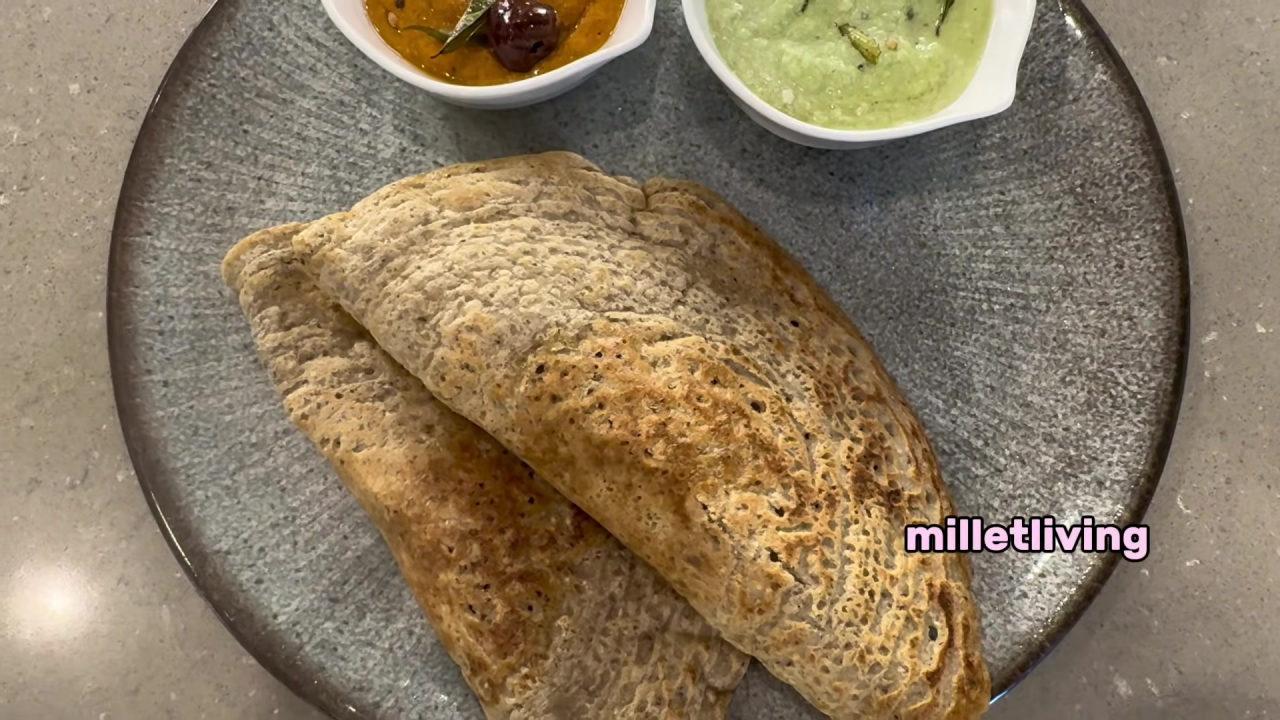
Everyday Millet Dosa - No Rice | Gluten-Free | Vegan
Cuisine
Indian · South Indian
Prep + Cook Time
40 Minutes
Difficulty Level
Easy
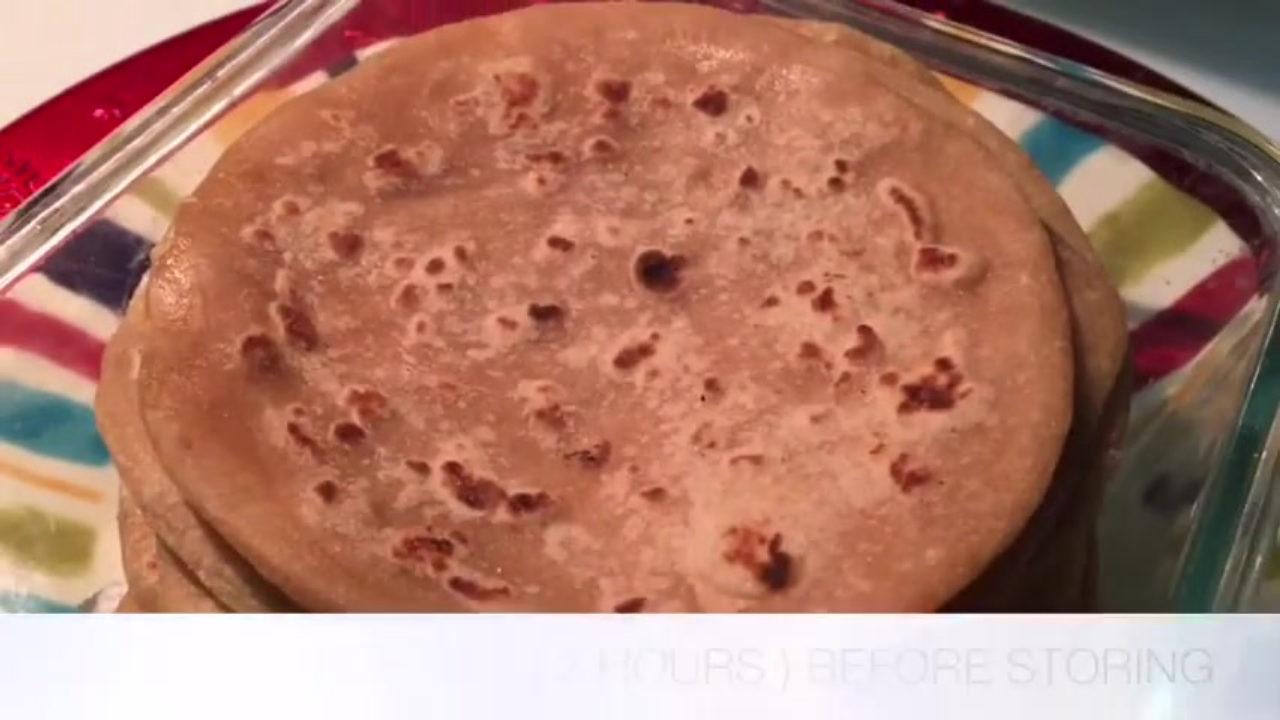
Whole Wheat Flour Tortilla
Cuisine
Indian · North Indian
Prep + Cook Time
2 hr
Difficulty Level
Easy
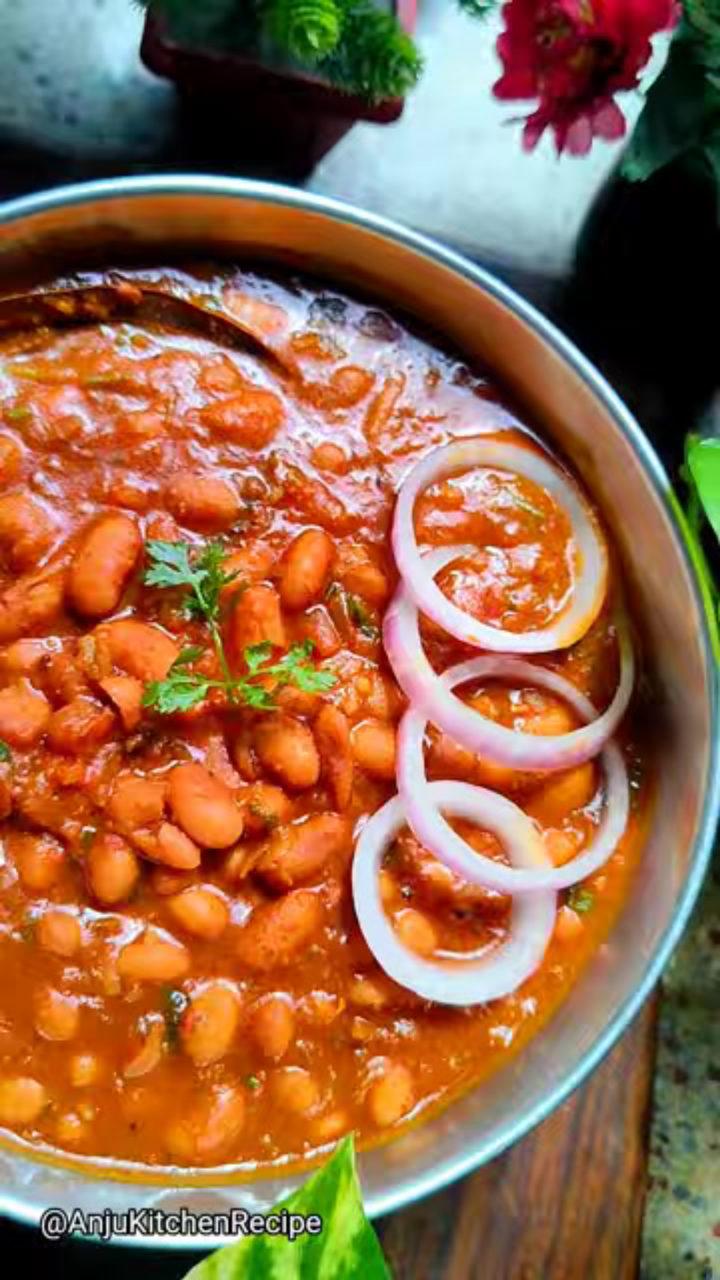
Rajma Masala - Dhaba Style
Cuisine
Indian · North Indian
Prep + Cook Time
45 Minutes
Difficulty Level
Medium
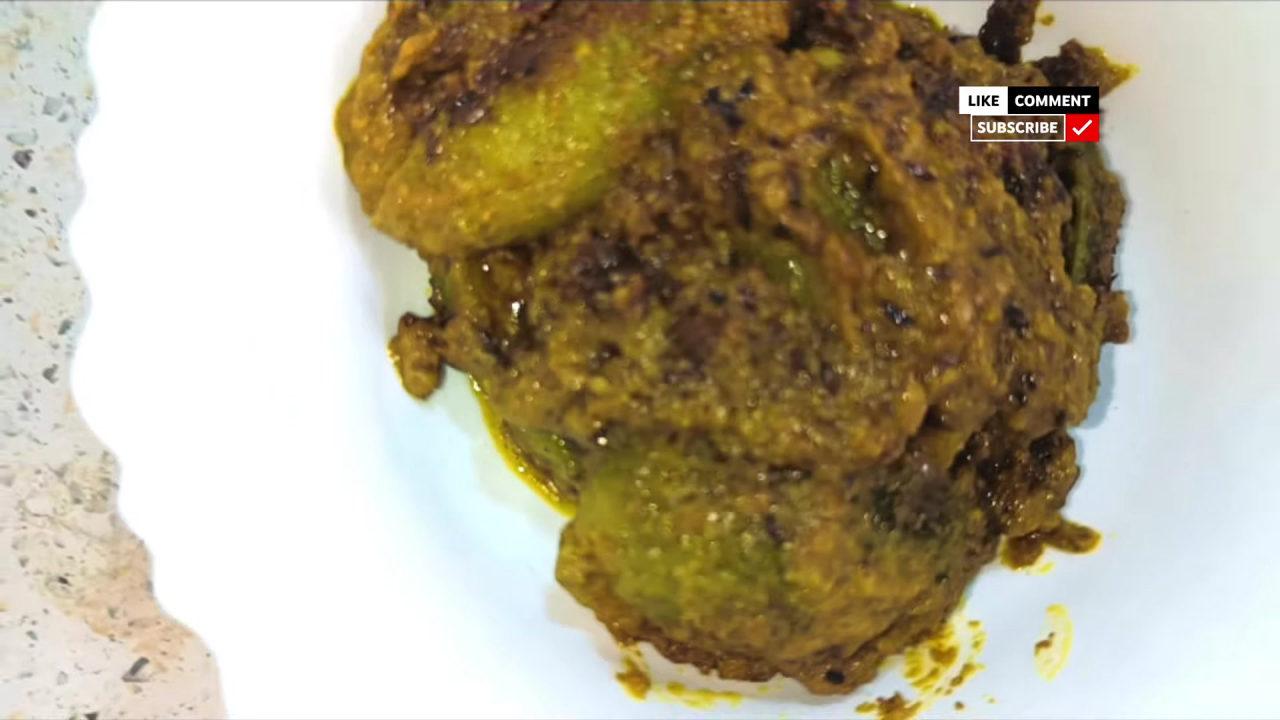
Stuffed Kantola (Spiny Gourd) Sabzi – Delicious Indian Curry
Cuisine
Indian · North Indian
Prep + Cook Time
40 Minutes
Difficulty Level
Medium
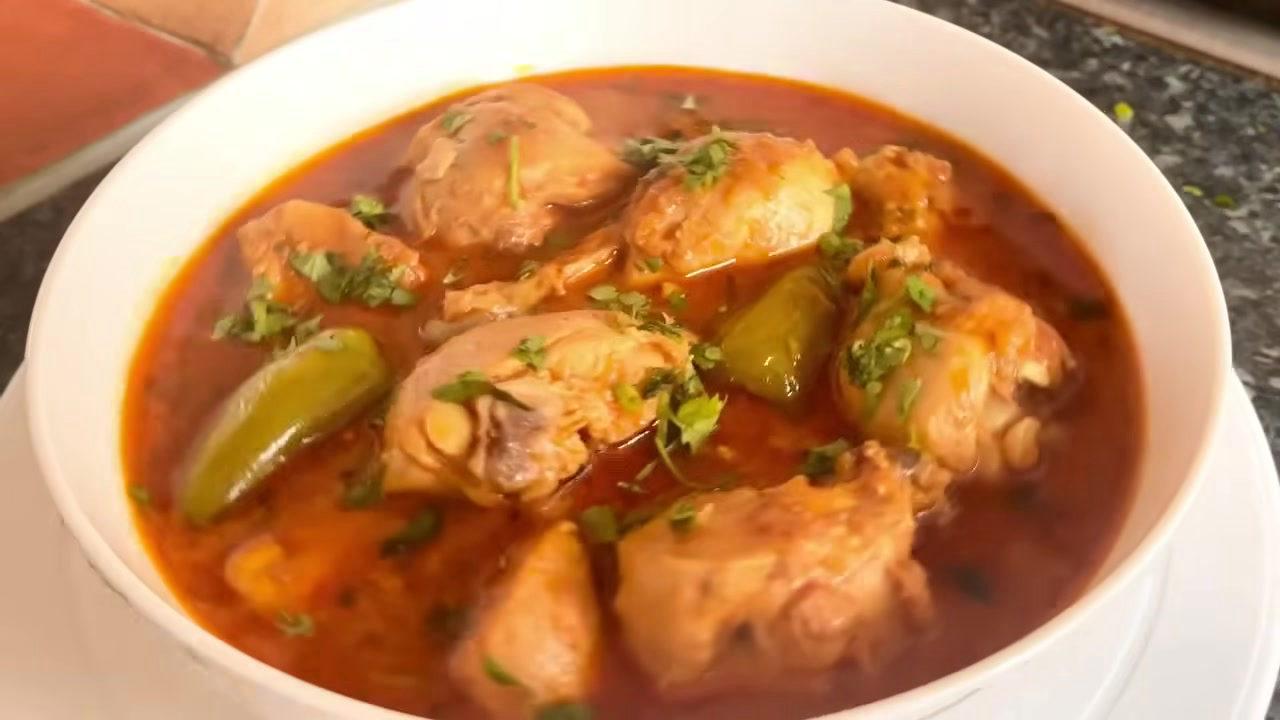
Delicious Chicken Curry
Cuisine
Indian · North Indian
Prep + Cook Time
1 hr 30 min
Difficulty Level
Medium
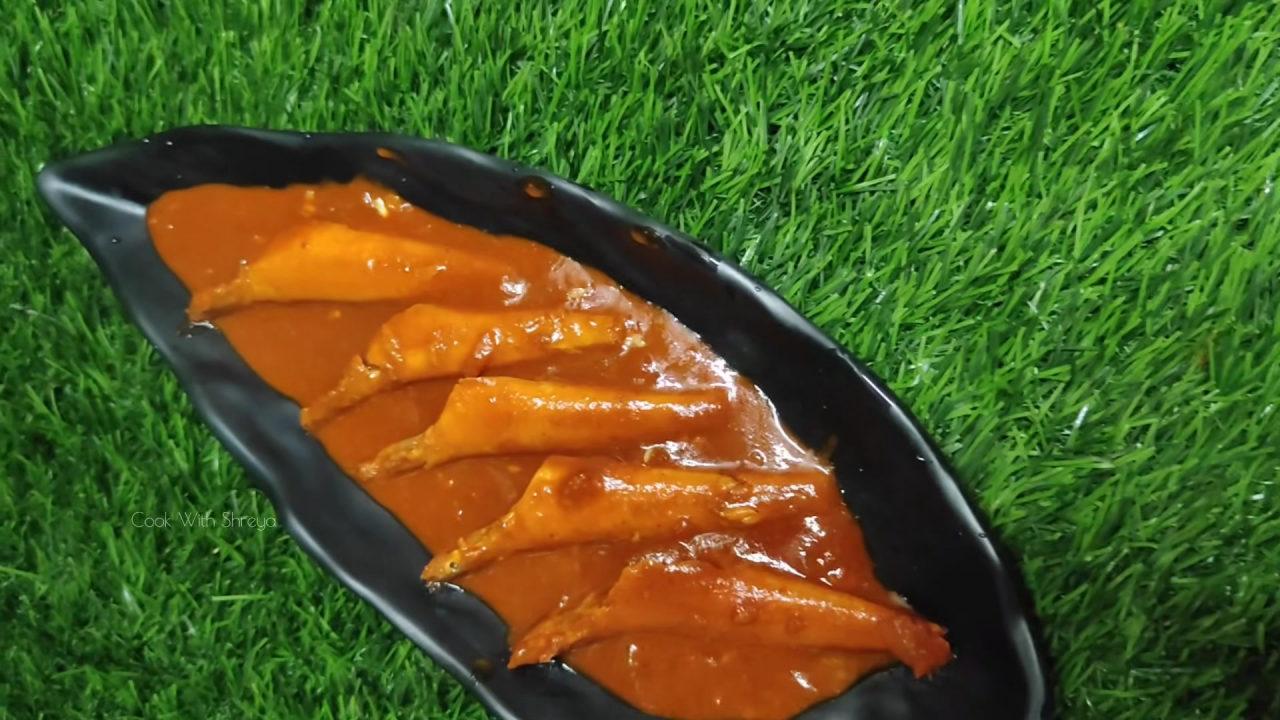
Kaane Meenina Puli Munchi (Ladyfish Curry) – Tulu Nadu Special
Cuisine
Indian · South Indian
Prep + Cook Time
35 Minutes
Difficulty Level
Comments (0)
Sign in to leave a comment on this recipe.
Loading comments...