
Paneer Biryani - Restaurant Style
For Rice
For Paneer Marinade
For Frying Paneer Tikka
For Garnish (Optional)
Step-by-Step Instructions
Follow each step to make the recipe successfully.
Prepare and Soak Rice
Take 2 cups of Basmati rice, wash it thoroughly, and then soak it in water for . Set aside.
Cut Paneer
Cut 200g of paneer into desired cubes. Keep them ready for marination.
Prepare Marinade Base
In a bowl, combine 1/2 cup curd, 1 tbsp Kashmiri red chili powder, 1/4 tsp turmeric, 1/2 tbsp coriander powder, 1/4 tsp cumin powder, 1/4 tsp black pepper powder, 1/2 tbsp garam masala, 1 tbsp biryani masala, 1 tbsp ginger-garlic paste, juice of 1/2 lemon, salt to taste, and 2 tbsp roasted gram flour. Mix well to form a smooth paste.
Marinate Paneer for Tikka
Take out about 2 tablespoons of the prepared marinade into a separate small bowl. Add 7-8 paneer cubes to this small portion and mix gently to coat. Set aside for frying later.
Prepare Main Paneer Mixture
To the remaining marinade in the large bowl, add a few mint leaves, a large handful of crushed fried onions, 1/2 chopped tomato, 2 slit green chilies, and 2 tablespoons of cooking oil. Mix everything thoroughly. Then, add the remaining paneer cubes and gently fold them into the mixture, being careful not to break them. this mixture for .
Fry Paneer Tikka
Heat cooking oil in a pan. Add a few curry leaves. Once hot, add the paneer cubes for tikka (from Step 4) and fry them until they are golden brown on all sides. Remove and set aside.
Cook Basmati Rice
In a large pot, bring water to a boil. Add 2 bay leaves, 2 star anise, 2 small pieces of cinnamon stick, 2 black cardamoms, 3-4 green cardamoms, 5-6 cloves, 1/2 tsp black peppercorns, 1 tbsp fennel seeds, 1 large biryani leaf, salt to taste, and 2 tbsp ghee. Once the water is boiling, add the soaked basmati rice. Cook the rice until it is 90% done (it should break easily but not be mushy).
Strain Rice
Carefully strain the cooked basmati rice, ensuring the whole spices remain with the rice. Set aside.
Cook Paneer Gravy
In a large pot (the same one used for frying paneer or a fresh one), add 1 tbsp ghee. Once hot, add the main paneer mixture (from Step 5). Add 3-4 tablespoons of water (you can rinse the marinade bowl with this water). Cook on a low flame, stirring gently, until the oil separates from the gravy and the mixture thickens. If the gravy is too thick, add another 2 tablespoons of water and continue cooking until the desired consistency is reached.
Layer Biryani for Dum
Once the paneer gravy is ready and oil has separated, spread the cooked basmati rice evenly over the gravy in the pot. Sprinkle fried onions, cashews, and raisins over the rice. Then, sprinkle chopped coriander leaves. Arrange the fried paneer tikka pieces on top of the rice. Drizzle 1 tablespoon of ghee over the entire layer.
Dum Cooking
Using a spoon, make 4 small holes in the rice layer. Pour about 2 teaspoons of water into each hole. Cover the pot with a tight-fitting lid. If your lid has a vent hole, plug it with a clove to ensure no escapes. Cook on a very low flame for to allow the flavors to meld and the rice to finish cooking through .
Serve Paneer Biryani
After , turn off the flame and let the biryani rest for a few minutes. Gently open the lid and fluff the biryani from bottom to top with a spatula to mix the gravy and rice. Serve hot with raita and sliced cucumbers and onions.
Before You Cook
Helpful details before you startIngredient SubstitutionsMissing something? View suitable alternatives.View 10 swaps
No Bay leaf?
- 1/4 tsp dried thyme (per leaf)
- Pinch of dried oregano
No Ghee?
- Unsalted butter (1:1)
- Neutral oil (1:1, lacks the toasted note)
No Paneer?
- Extra-firm tofu, pressed and cubed — Pan-fry first for closer texture.
- Halloumi — Saltier; reduce added salt.
No Yogurt?
- Sour cream (1:1)
- Buttermilk (1:1, slightly thinner result)
No Garam masala?
- 1 tsp cumin + 1/2 tsp coriander + 1/4 tsp cinnamon + 1/4 tsp cardamom
No Garlic (fresh)?
- 1/4 tsp garlic powder (per clove)
- 1/2 tsp garlic granules (per clove)
No Lemon juice?
- Lime juice (1:1)
- 1/2 the amount white vinegar — In dressings, savory dishes.
No Cilantro?
- Flat-leaf parsley (1:1, milder)
- Fresh mint (in chutneys, salads)
No Onion?
- 1 tbsp onion powder (per medium onion)
- 3 tbsp dried minced onion
- Shallots or leeks (1:1)
No Curry leaves?
- 1 bay leaf + a pinch of lemon zest — Aroma only — flavor is unique.
Plan Ahead
Complete this step earlier to save time later.
- View Step 1Prepare and Soak Rice30 minutes
Take 2 cups of Basmati rice, wash it thoroughly, and then soak it in water for 30 minutes. Set aside.
Variations
Simple ways to adapt this recipe.
- You can skip frying theCustomise
You can skip frying the paneer tikka and add all paneer cubes directly to the main gravy if preferred.
- Adjust the spice levels by
Adjust the spice levels by increasing or decreasing chili powder and green chilies according to your taste.
- Add other vegetables like carrotsCustomise
Peas, or potatoes for a mixed vegetable paneer biryani.
Helpful Tips
Small details that can improve the final result.
More from Cook With Shreya
Other recipes converted from Cook With Shreya's cooking videos.
You might also like
Other recipes in the same cuisine, meal type, or style — ready to cook whenever you are.
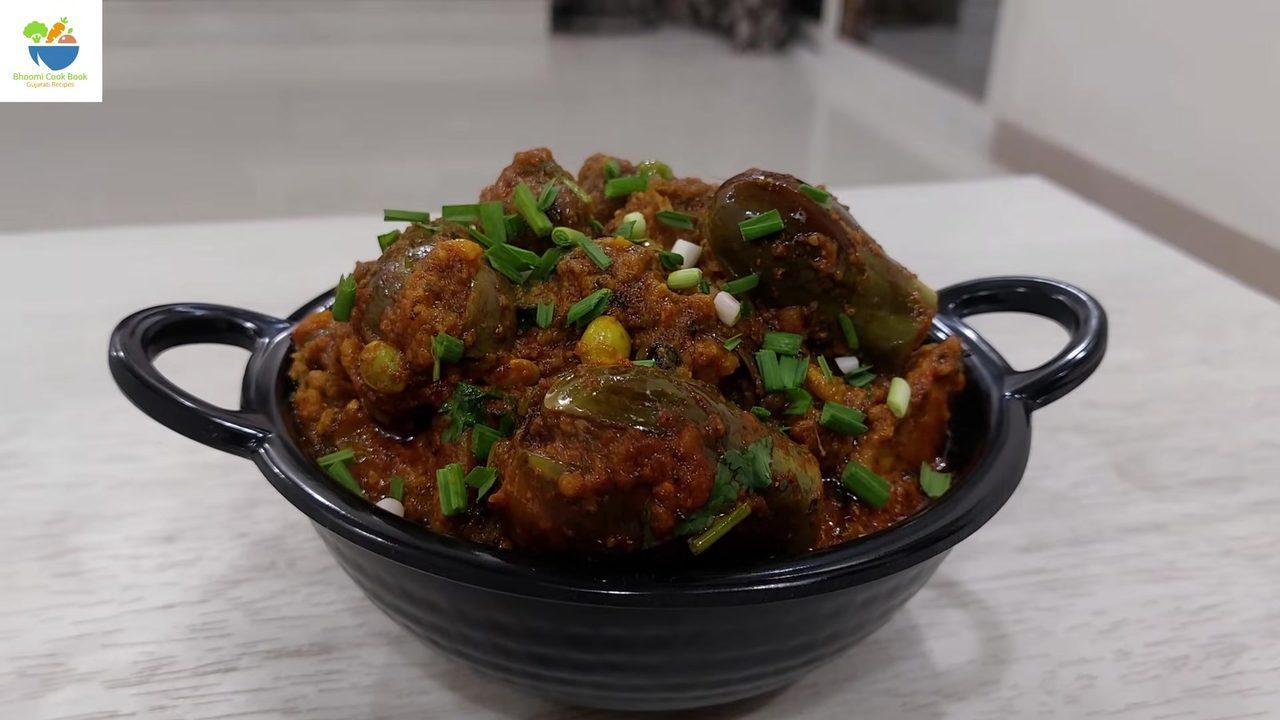
Gujarati Undhiyu - Quick Pressure Cooker Recipe
Cuisine
Indian · Gujarati
Prep + Cook Time
1 hr
Difficulty Level
Medium
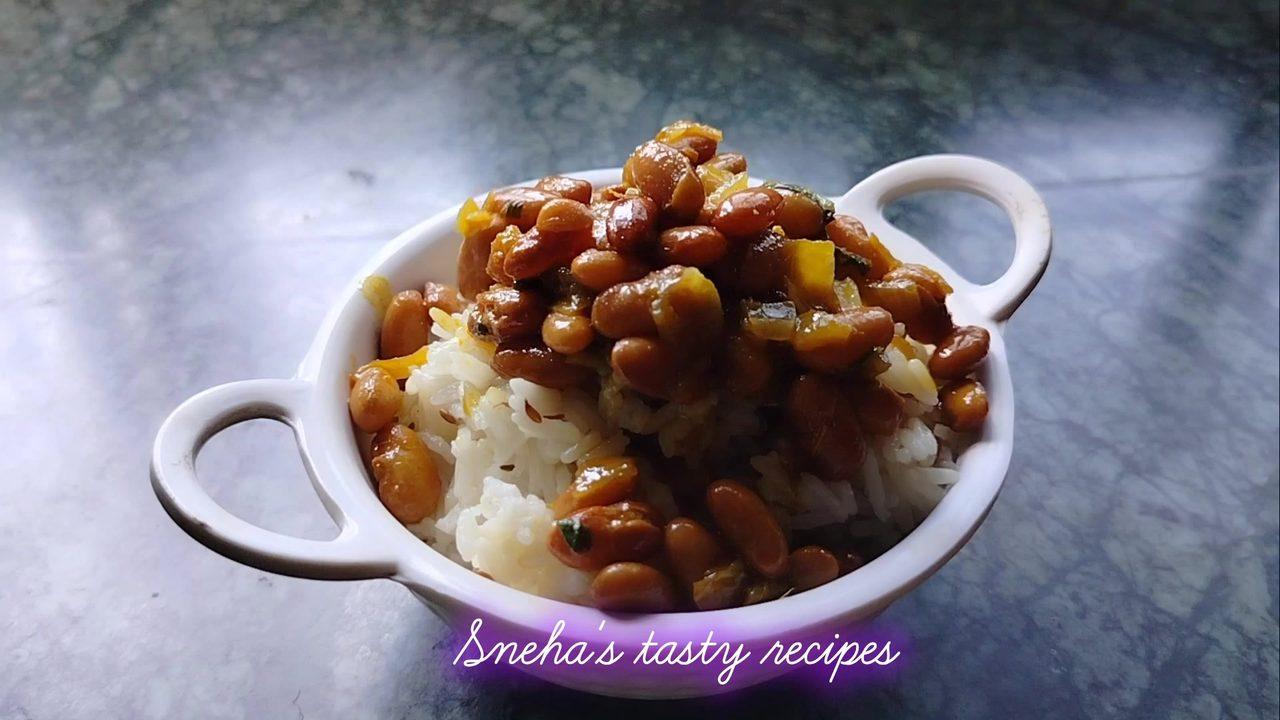
Rajma Chawal (Kidney Beans Curry with Cumin Rice)
Cuisine
Indian · North Indian
Prep + Cook Time
1 hr 15 min
Difficulty Level
Medium
Kerala Style Red Pumpkin Kootu
Cuisine
Indian · South Indian
Prep + Cook Time
55 Minutes
Difficulty Level
Medium
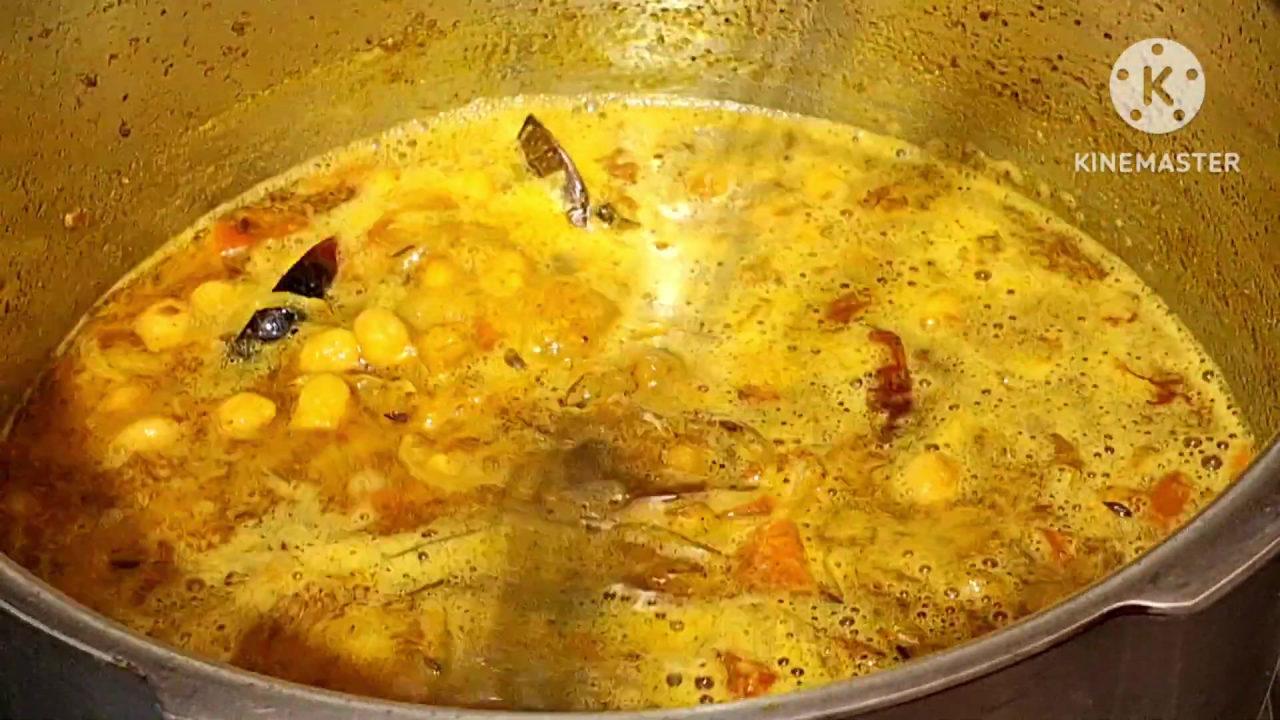
Delicious Chickpea Curry (Chole) - Quick & Easy Recipe
Cuisine
Indian · North Indian
Prep + Cook Time
45 Minutes
Difficulty Level
Easy
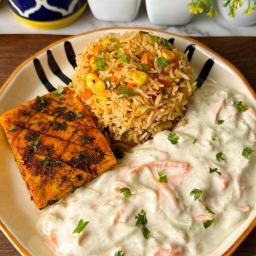
Spicy Paneer Rice Bowl – Indian
Cuisine
Indian · North Indian
Prep + Cook Time
45 Minutes
Difficulty Level
Easy
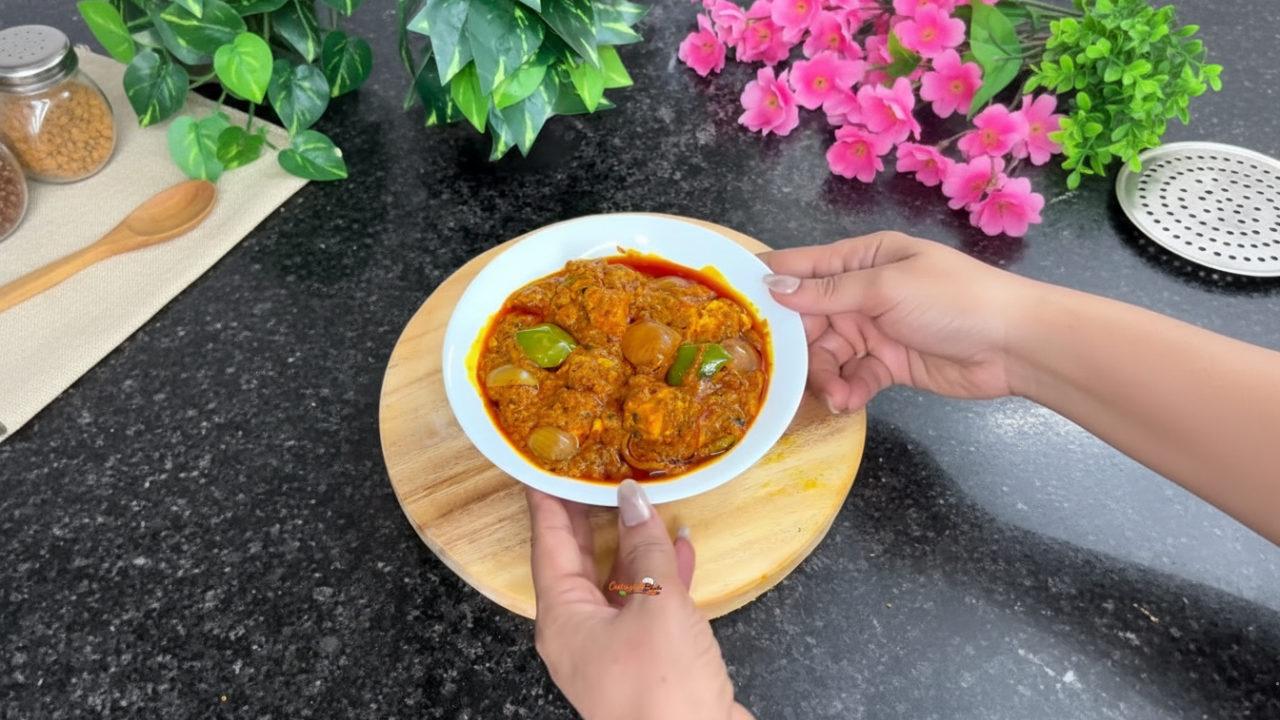
Paneer Tikka Masala – Indian Style
Cuisine
Indian · North Indian
Prep + Cook Time
40 Minutes
Difficulty Level
Comments (0)
Sign in to leave a comment on this recipe.
Loading comments...