Multani Akhroti Sohan Halwa
Recipe by HONEY KITCHEN
Ingredients
Main Ingredients
- 5 litersMilk
- 125 gAngoori / Samnak
- 250 gMaida (All-purpose flour)
- 2 cupsWater (for Amezah)
- 1 tspTatri / Citric Acid
- 3 tspAlum (Phitkari)
- 1-1.5 cupsWater (for chemical dilution)
- 500 gSugar
- 175 g (125g + 50g)Desi Ghee
- 1 kgLiquid Glucose
- as neededSaffron (soaked in milk)
- 1 tspCardamom Powder
For Garnish
- 200 gWalnuts
- as neededCashews
- as neededPistachios
Step-by-Step Instructions
- 1.Heat the Milk
Pour 5 liters of pure milk into a large pot and heat it until it comes to a boil. Ensure the milk is pure for the best Sohan Halwa. Buffalo milk is preferred for its higher fat and protein content.
- 2.Prepare the Amezah Mixture
In a bowl, combine 125g of Angoori (Samnak) and 250g of Maida (all-purpose flour). Gradually add 2 cups of water while continuously whisking to prevent any lumps from forming. Mix until a smooth batter is achieved.
- 3.Add Amezah to Milk
Once the milk is hot, turn on the flame to medium. Slowly pour the prepared Amezah mixture into the hot milk while continuously stirring with a whisk to ensure it mixes well and doesn't stick to the bottom.
- 4.Prepare the Chemical Solution
In a separate bowl, combine 3 teaspoons of Alum (Phitkari) and 1 teaspoon of Citric Acid (Tatri). Add 1 to 1.5 cups of water to this mixture and whisk well until the solids dissolve. This chemical solution will curdle the milk and create the desired texture for the halwa. Use steel utensils for this step to avoid chemical reactions with aluminum or non-stick.
- 5.Curdle the Milk
Once the milk with Amezah comes to a boil, slowly add the chemical solution (alum and citric acid mixture) while gently stirring with a spatula. Continue adding the chemical until the milk starts to curdle and milk solids (paneer) separate from the whey. Stop adding the chemical as soon as curdling begins to avoid a sour taste.
- 6.Add Sugar and Ghee
After the milk has curdled and the granules have formed, add 500g of sugar and 125g of desi ghee to the pot. The sugar will change the color of the halwa and add sweetness, while the ghee will provide shine and prevent sticking.
- 7.Incorporate Liquid Glucose and Saffron
Add 1 kg of liquid glucose to the halwa. Wet your hands before handling liquid glucose to prevent it from sticking. Liquid glucose adds shine, stickiness, and helps in forming the 'taar' (string-like consistency) in the halwa. Also, add saffron that has been soaked in milk overnight for enhanced color and aroma.
- 8.Cook and Dry the Halwa
Turn the flame to medium and cook the halwa for 50 minutes to 1 hour, stirring occasionally to prevent it from sticking. The goal is to dry out the excess water. After this, reduce the flame to very low and continue cooking for another 30 minutes, stirring every few minutes. This process, known as 'kasai' or 'bhunai', is crucial for developing the halwa's texture and preventing it from burning.
- 9.Add Remaining Ghee and Cardamom
After 15 minutes of 'kasai', check the halwa for stickiness and string formation. Add the remaining 50g of desi ghee and 1 teaspoon of cardamom powder for extra flavor and aroma. Continue stirring until the halwa reaches the desired consistency and doesn't stick to the pan.
- 10.Prepare Tray and Transfer Halwa
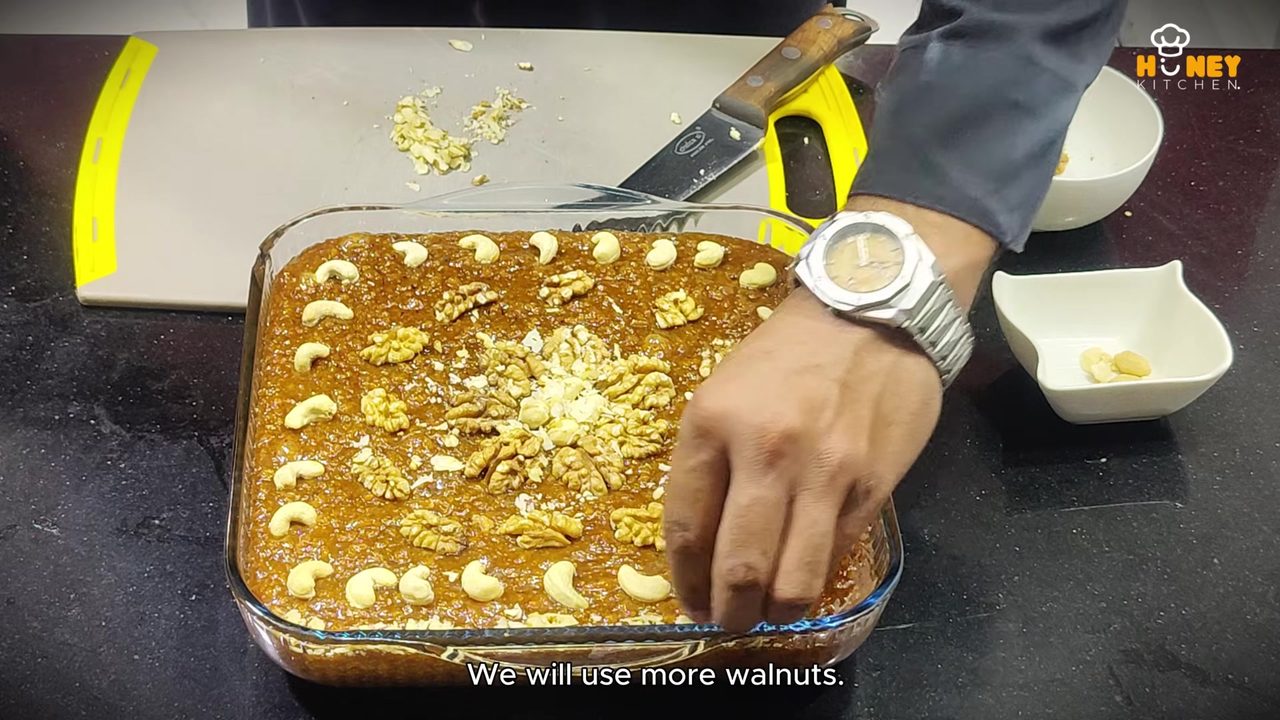
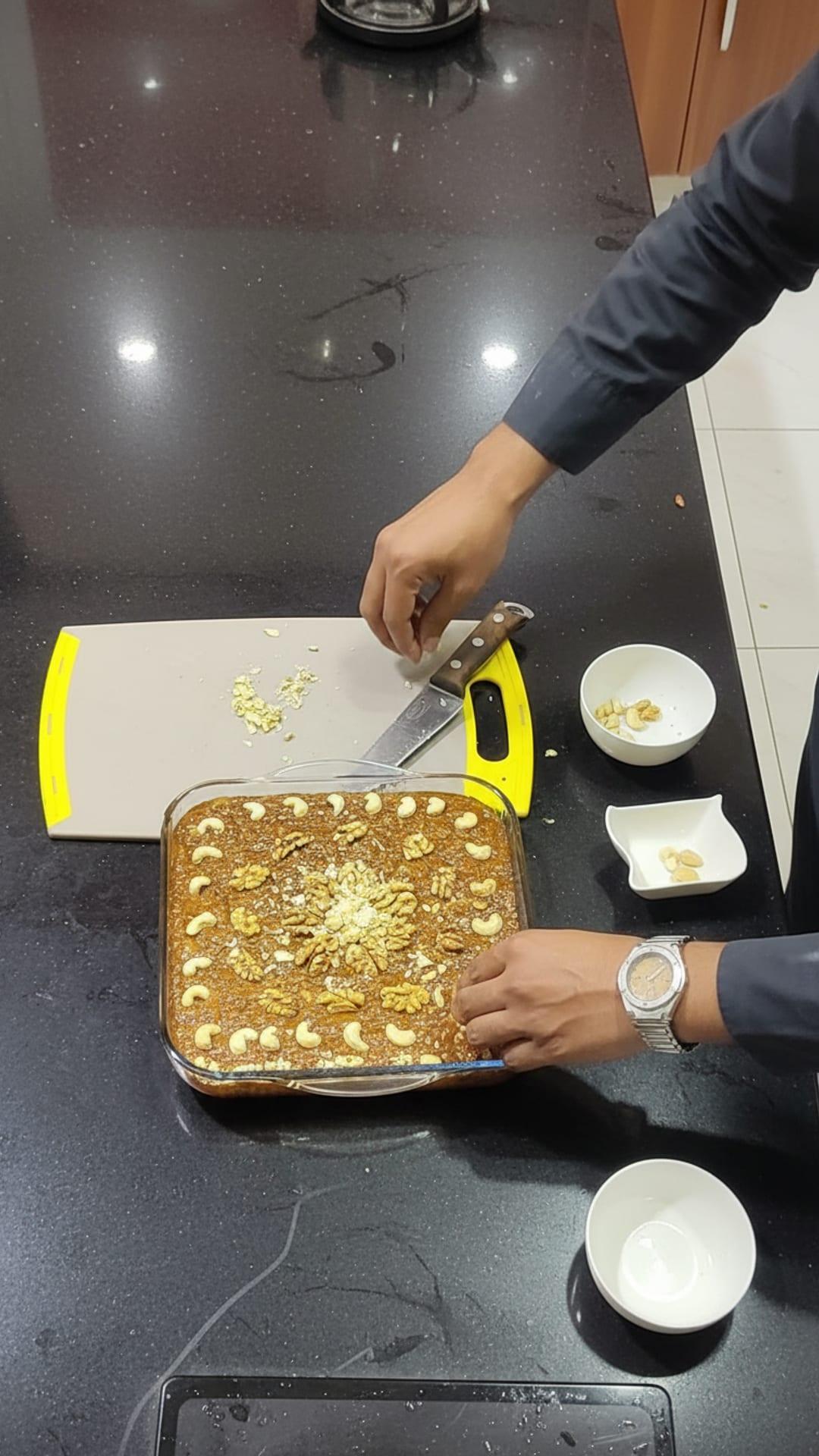
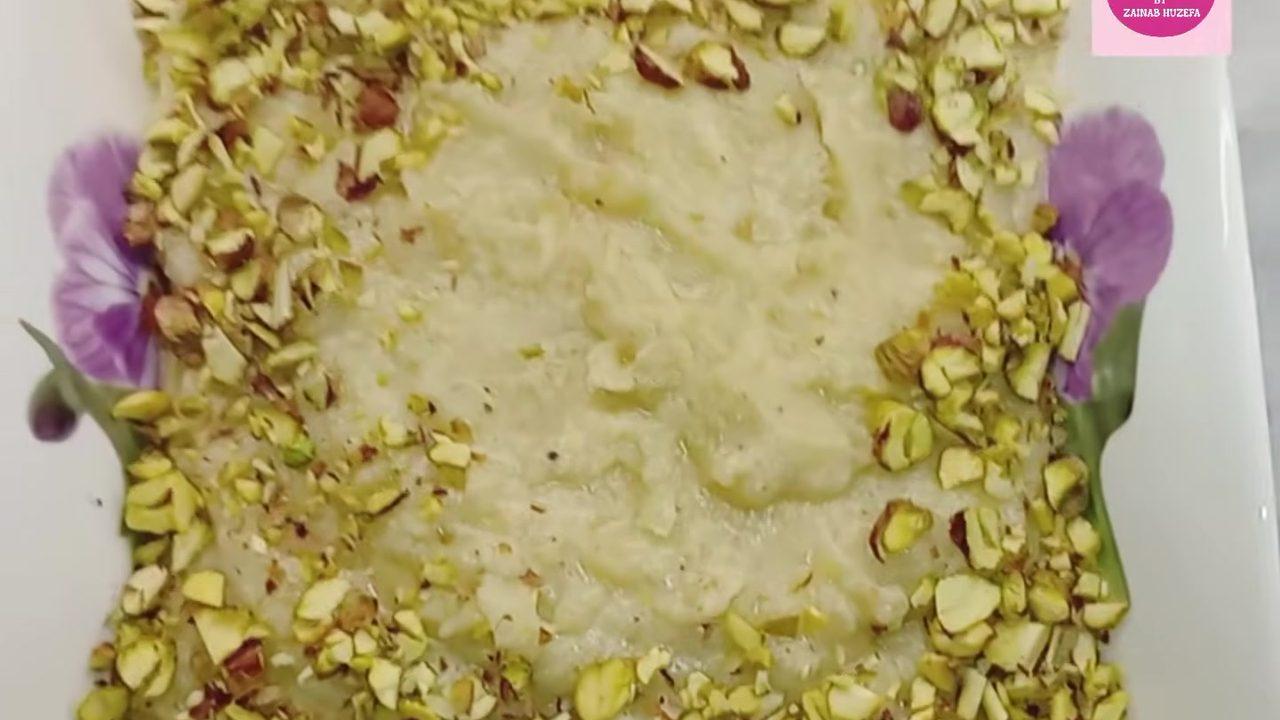
Grease a serving tray with desi ghee. Arrange a layer of walnuts at the bottom of the tray. Carefully transfer the hot Sohan Halwa into the prepared tray, spreading it evenly.
- 11.Garnish and Cool
Garnish the top of the halwa generously with more walnuts, cashews, and pistachios. Allow the halwa to cool down completely at room temperature. Once cooled, it will firm up and be ready to serve.
- 12.Cut and Serve
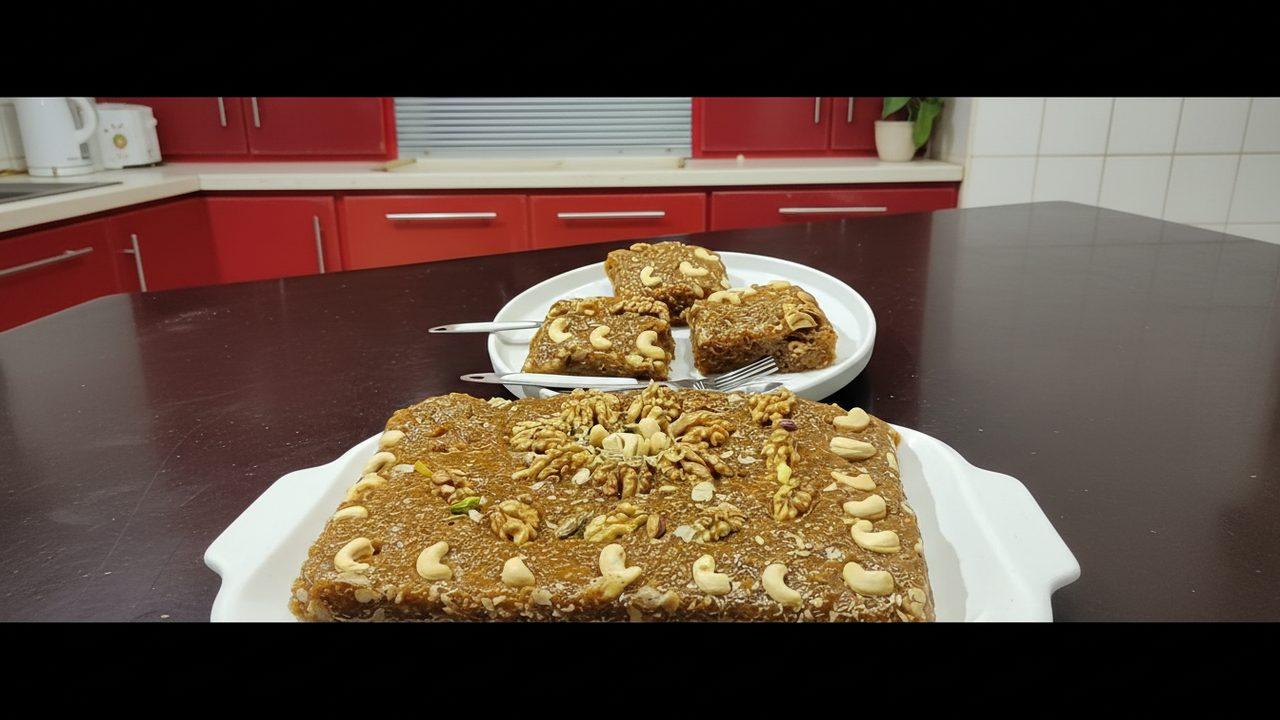
Once the Multani Akhroti Sohan Halwa has cooled and set, carefully invert it onto a serving tray so the garnished side is on top. Cut it into desired square or rectangular pieces and serve. Enjoy this delicious homemade sweet!


Comments (0)
Sign in to leave a comment on this recipe.
Loading comments...