
Kanji Vada - Traditional Indian Fermented Drink with Lentil Fritters
For Kanji Liquid
For Vada Batter
Step-by-Step Instructions
Follow each step to make the recipe successfully.
Prepare Kanji Masala
In a mixer grinder, add 1.5 tbsp black mustard seeds and 1 tbsp yellow mustard seeds. Grind them coarsely, ensuring it's not a fine powder. Set aside.
Prepare Kanji Liquid
In a clay pot (or any suitable vessel), pour 1.5 liters of water. Add 1/2 tsp black salt, 1/2 tsp white salt, 1/2 tsp Kashmiri red chili powder, 1/2 tsp asafoetida, and 1/4 tsp turmeric powder. Add 2 tbsp of the coarsely ground mustard mixture from Step 1. Mix everything well. Cover the pot and let it ferment for 2-3 days in a warm place.
Soak and Grind Dal for Vadas
Combine 1.5 cups moong dal and 3 tbsp urad dal. Wash thoroughly 3-4 times and soak in water for or overnight until soft and plump. Drain all the water completely from the soaked dals. Transfer the dal to a mixer grinder. Add 2 green chilies and 1 inch of chopped ginger. Grind the mixture coarsely without adding any water. Transfer the ground dal batter to a large bowl.
Prepare Vada Spice Mix
In a mortar and pestle, coarsely crush 1/2 tsp coriander seeds, 1/2 tsp fennel seeds, and 1/2 tsp cumin seeds. Do not make a fine powder.
Season Vada Batter
Add 1 tbsp of the crushed spice mix from Step 4 to the dal batter. Also add 1/2 tsp chili flakes, salt to taste (approx. 1/2 tsp), and 1/4 tsp turmeric powder. Add chopped fresh coriander leaves.
Add Tempering to Batter
Heat 1 tbsp oil in a small pan until hot. Turn off the heat and add 1/4 tsp asafoetida (hing) to the hot oil. Immediately pour this over the seasoned dal batter. Mix everything thoroughly with a spoon.
Whip Batter for Fluffy Vadas
Using your hands, vigorously beat the dal batter for . This process incorporates air, making the batter light and fluffy, which results in soft vadas.
Fry the Vadas
Heat oil for deep frying in a pan. Wet your hands with water. Take a small portion of the batter, flatten it slightly into a vada shape (you can make a small hole in the center if desired, or keep them flat), and gently drop it into the hot oil. Fry the vadas on medium heat until they are golden brown and puffed up on both sides. Remove the fried vadas and place them on a plate.
Soak Fried Vadas
Pour warm water into a large bowl. Add all the fried vadas to the warm water. Gently mix them to ensure they are fully submerged. Cover the bowl and let the vadas soak for at least . This step makes the vadas incredibly soft.
Assemble Kanji Vada
After 2-3 days of fermentation, the kanji liquid should have a slightly foamy layer on top, indicating it's ready. Stir the kanji liquid well. Take the soaked vadas from the warm water, gently squeeze out the excess water from each vada. Place the squeezed vadas into the fermented kanji liquid. Garnish with fresh coriander leaves. Cover the pot and let the vadas soak in the kanji for another before serving to allow the flavors to fully infuse.
Before You Cook
Helpful details before you startIngredient SubstitutionsMissing something? View suitable alternatives.View 2 swaps
No Asafoetida (hing)?
- 1/4 tsp garlic powder + 1/4 tsp onion powder
No Cilantro?
- Flat-leaf parsley (1:1, milder)
- Fresh mint (in chutneys, salads)
Plan Ahead
Complete this step earlier to save time later.
- View Step 2Prepare Kanji Liquid
In a clay pot (or any suitable vessel), pour 1.5 liters of water. Add 1/2 tsp black salt, 1/2 tsp white salt, 1/2 tsp Kashmiri red chili powder, 1/2 tsp asafoetida, and 1/4 tsp turmeric powder. Add 2 tbsp of the coarsely ground mustard mixture from Step 1. Mix everything well. Cover the pot and let it ferment for 2-3 days in a warm place.
- View Step 3Soak and Grind Dal for Vadas5 hours or overnight
Combine 1.5 cups moong dal and 3 tbsp urad dal. Wash thoroughly 3-4 times and soak in water for 5-6 hours or overnight until soft and plump. Drain all the water completely from the soaked dals. Transfer the dal to a mixer grinder. Add 2 green chilies and 1 inch of chopped ginger. Grind the mixture coarsely without adding any water. Transfer the ground dal batter to a large bowl.
- View Step 10Assemble Kanji Vada
After 2-3 days of fermentation, the kanji liquid should have a slightly foamy layer on top, indicating it's ready. Stir the kanji liquid well. Take the soaked vadas from the warm water, gently squeeze out the excess water from each vada. Place the squeezed vadas into the fermented kanji liquid. Garnish with fresh coriander leaves. Cover the pot and let the vadas soak in the kanji for another 2-3 hours before serving to allow the flavors to fully infuse.
Variations
Simple ways to adapt this recipe.
- You can make the vadas
You can make the vadas using only moong dal if urad dal is not preferred.
- The vadas can also be
The vadas can also be used to make Dahi Vada by soaking them in yogurt.
Helpful Tips
Small details that can improve the final result.
More from Indian Recipes by Poonam
Other recipes converted from Indian Recipes by Poonam's cooking videos.


You might also like
Other recipes in the same cuisine, meal type, or style — ready to cook whenever you are.

Crispy Potato Bites Recipe
Cuisine
Indian · Snack
Prep + Cook Time
35 Minutes
Difficulty Level
Easy
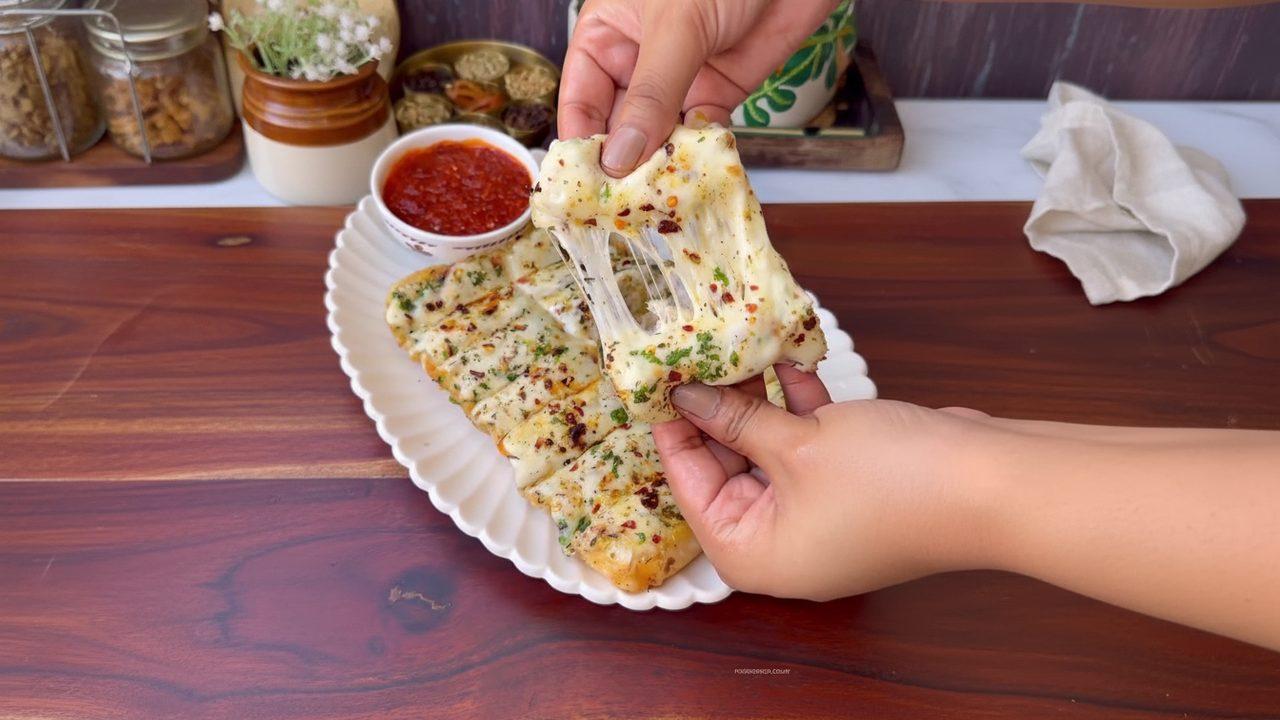
Cheesy Garlic Bread Sticks
Cuisine
Indian · Fusion
Prep + Cook Time
20 Minutes
Difficulty Level
Easy

Crispy Potato Matar Roll – Indian Snack
Cuisine
Indian · Street Food
Prep + Cook Time
25 Minutes
Difficulty Level
Easy
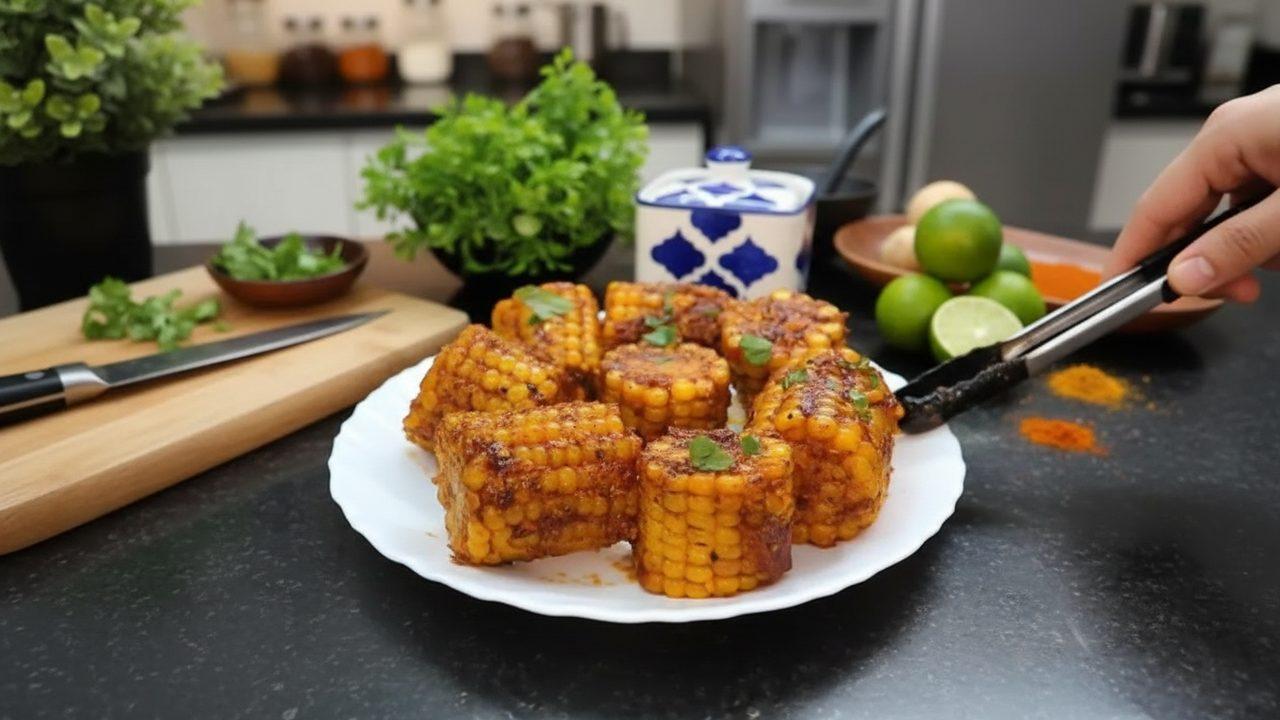
Spicy Garlic Masala Corn
Cuisine
Indian
Prep + Cook Time
20 Minutes
Difficulty Level
Easy
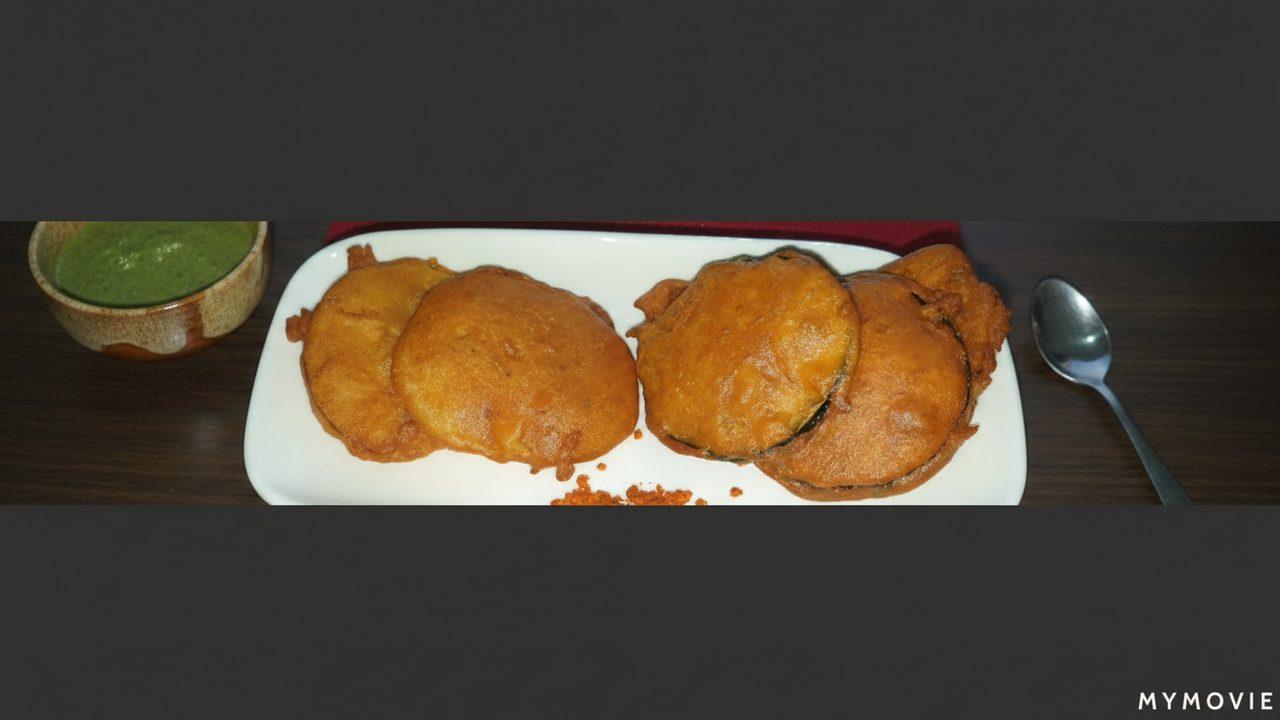
Pakora – Indian Fritters
Cuisine
Indian
Prep + Cook Time
35 Minutes
Difficulty Level
Easy
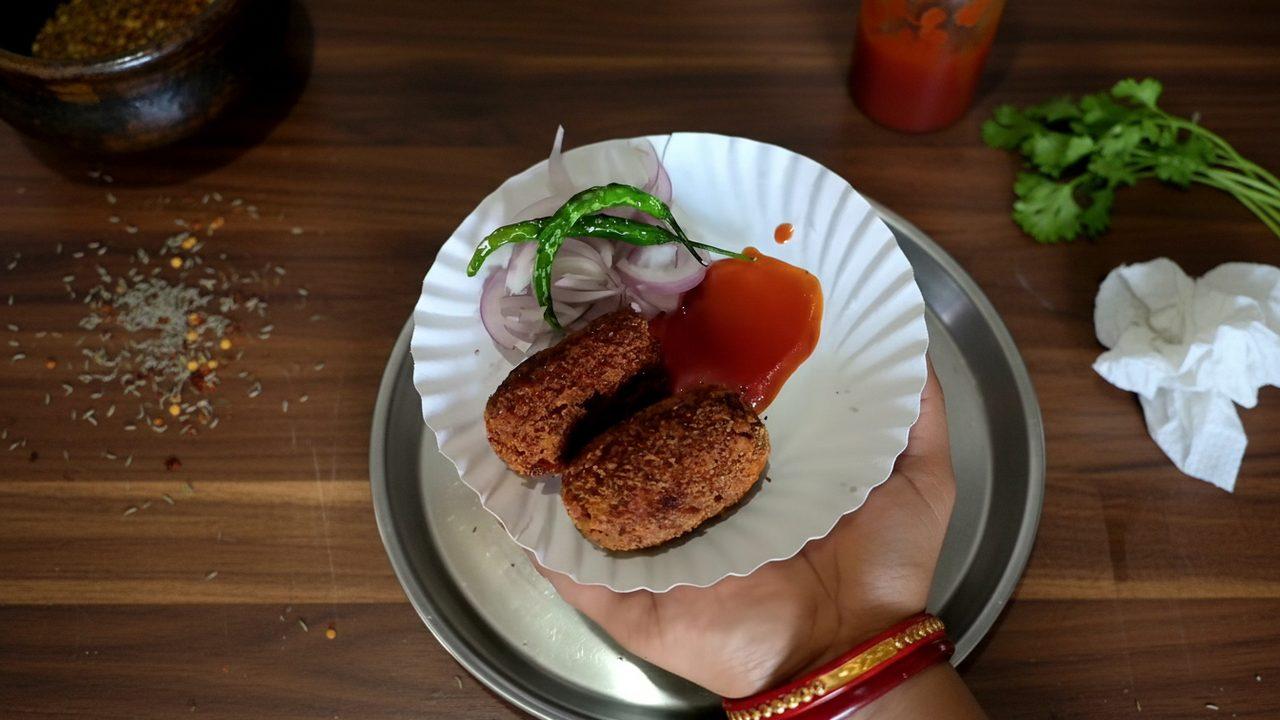
Vegetable Chop Kolkata Style
Cuisine
Indian · Bengali
Prep + Cook Time
35 Minutes
Difficulty Level
Comments (0)
Sign in to leave a comment on this recipe.
Loading comments...