
How to Make Roti at Home – South Asian Flatbread
For the Roti Dough
Other Ingredients (Not Pictured)
Step-by-Step Instructions
Follow each step to make the recipe successfully.
Prepare the Dough
In a kitchen aid mixing bowl, add 2 cups of roti/aata flour, 1/2 teaspoon of salt, and 1 teaspoon of vegetable oil. Lower the dough hook attachment, lock it, and start mixing on low speed.
Add Water Gradually
Start by adding 1 cup of water, then gradually add more as needed while the mixer continues to . The dough should start to come together.
Add Remaining Flour and Knead
Add the remaining 1 cup of roti/aata flour and continue . You can increase the speed if the dough hook slows down. Add water a little bit at a time until the dough is smooth and the sides of the bowl come out clean. The dough should be soft but not too sticky.
Rest the Dough
If using the dough later in the day, place it in an airtight container and refrigerate. If making rotis right away, lightly oil a bowl and place the dough there. Let the dough rest for before making your rotis.
Form and Flour the Peda
Break off a handful of dough and start by taking the sides of the dough and moving them inward, then smoothing it out to form a round ball (called a peda). Pinch the bottom to seal. Dip the peda in some dry all-purpose flour on both sides.
Roll the Roti
Place the floured peda on a clean counter or a rolling board. Begin rolling it thin like a tortilla using a rolling pin. Sprinkle more all-purpose flour if the dough starts sticking to the rolling pin.
Cook on a Flat Pan
Heat a non-stick flat pan (like a crepe pan) on medium heat. You'll know it's ready when a few drops of water sizzle as they hit the pan. Place your rolled roti on the hot pan. Once the roti is easy to lift off (after about ), flip it to the other side.
Puff the Roti
Keep lifting and checking the roti to see brown spots of cooked dough. Using a rolled-up tea towel, press down on the roti and move it around to ensure no raw spots are left. The roti should puff up with hot air. Flip the roti again and continue pressing gently until both sides have evenly placed brown spots and no raw dough is visible. Be careful not to press too hard to avoid burns.
Alternative Cooking Method (Direct Flame)
After flipping the roti for the first time on the pan, remove the pan from the stove. Place a wire stand over the burner and use metal tongs to move the roti over the flame. Move it around, making sure all sides are cooked and it puffs up. Then flip and do the same to the other side until it's done.
Serve and Store
Once cooked, lift your roti and place it on a tea towel in a basket to absorb any moisture. You can lightly butter the tops of the rotis to keep them soft and give them a buttery flavor. Fresh rotis are best eaten right away. To keep rotis soft for up to a day, store them in an airtight container or a ziplock bag.
Before You Cook
Helpful details before you startIngredient SubstitutionsMissing something? View suitable alternatives.View 2 swaps
No All-purpose flour?
- White whole wheat flour (1:1)
- 1 cup minus 2 tbsp + 2 tbsp cornstarch (cake flour swap)
No Butter?
- 3/4 the amount of olive oil (for cooking, not baking)
- Equal parts ghee — Slightly nuttier flavor.
- Equal parts coconut oil (in baking)
Storage & Leftovers
Keep your leftovers fresh and ready to enjoy.
- Store
If using the dough later in the day, place it in an airtight container and refrigerate.
- Store
To keep rotis soft for up to a day, store them in an airtight container or a ziplock bag.
Variations
Simple ways to adapt this recipe.
- Lightly butter the tops ofCustomise
Lightly butter the tops of the cooked rotis to keep them soft and add a buttery flavor.
Helpful Tips
Small details that can improve the final result.
More from Masala Mama
Other recipes converted from Masala Mama's cooking videos.
You might also like
Other recipes in the same cuisine, meal type, or style — ready to cook whenever you are.

Crispy Dosa with Chutney - South Indian Style
Cuisine
Indian · South Indian
Prep + Cook Time
10 hr 45 min
Difficulty Level
Medium

Spicy Indian Potato (Aloo Fry)
Cuisine
Indian
Prep + Cook Time
25 Minutes
Difficulty Level
Easy

Bread Cream Custard Delight
Cuisine
Indian · South Asian
Prep + Cook Time
35 Minutes
Difficulty Level
Medium

Dhaba Style Paneer Masala
Cuisine
Indian · North Indian
Prep + Cook Time
45 Minutes
Difficulty Level
Medium
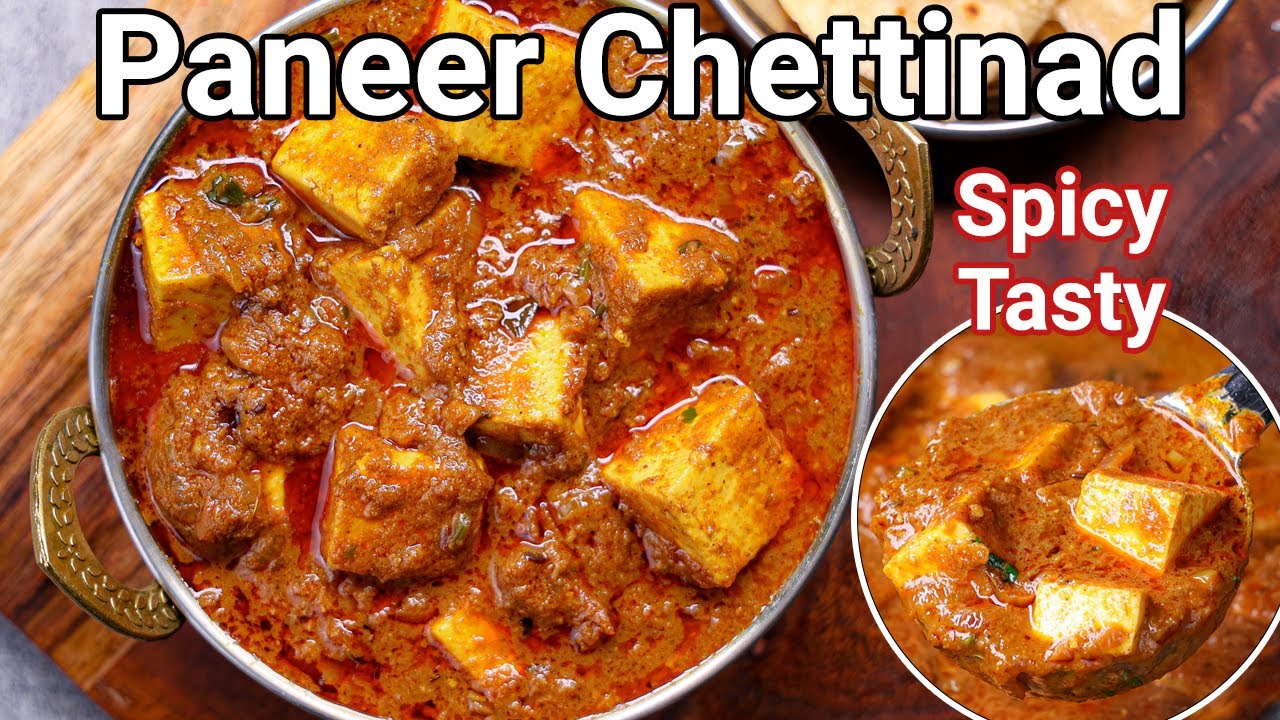
Spicy Homemade Masala Paneer Chettinad (South Indian Paneer Curry)
Cuisine
Indian · South Indian
Prep + Cook Time
45 Minutes
Difficulty Level
Medium

Mysore Bonda with Special Kara Chutney
Cuisine
Indian · South Indian
Prep + Cook Time
45 Minutes
Difficulty Level
Comments (0)
Sign in to leave a comment on this recipe.
Loading comments...