
Chundakka Curry – Kerala Style
Main Ingredients
For Roasted Paste (Arapu)
Step-by-Step Instructions
Follow each step to make the recipe successfully.
Prepare the Turkey Berries
Detach the turkey berries (chundakka) from their stems. Wash them thoroughly. Place the washed berries in a stone mortar (or use a pestle on a cutting board) and gently crush them. This helps to break them open and release the small seeds inside. After crushing, wash the berries again under tap water in a colander to discard the seeds, which can impart a slight bitterness. Set aside the crushed and washed berry shells.
Roast Ingredients for Paste
Heat a dry pan and add the grated coconut. Dry roast the coconut on medium heat. After a few minutes, add the curry leaves, dried red chilies, and coriander seeds. Continue roasting, stirring constantly, until the coconut turns a golden brown color and the spices are fragrant. Remove from heat and let it cool down.
Grind the Paste
Once the roasted ingredients have cooled, transfer them to a mixer grinder jar. Grind to a very fine paste, adding a little water if necessary to achieve a smooth consistency. Set aside.
Sauté Onions and Berries
Heat coconut oil in a thick-bottomed pan or uruli. Add the peeled small onions and until they start to soften and change color. Then, add the crushed and washed turkey berries. Continue to for a few minutes until the berries also change color slightly.
Add Spices and Tamarind
Add turmeric powder to the onions and berries and mix well. Pour in the tamarind extract. Add salt to taste (note: salt addition was missed in the video clip, but is essential). Add 1 cup of water and bring the mixture to a boil.
Combine with Roasted Paste and Simmer
Once the mixture is boiling and the raw smell of tamarind has dissipated, add the ground roasted coconut paste. Rinse the mixer jar with a little water and add that water to the curry. Mix everything thoroughly. the heat to low, cover the pan, and let the curry for about , or until the oil separates and floats to the top, indicating the curry has thickened and the flavors have melded. Turn off the gas.
Serve
Serve the hot Chundakka Curry with matta rice, chapati, or your preferred accompaniment. Enjoy!
Before You Cook
Helpful details before you startIngredient SubstitutionsMissing something? View suitable alternatives.View 2 swaps
No Onion?
- 1 tbsp onion powder (per medium onion)
- 3 tbsp dried minced onion
- Shallots or leeks (1:1)
No Curry leaves?
- 1 bay leaf + a pinch of lemon zest — Aroma only — flavor is unique.
Variations
Simple ways to adapt this recipe.
- Chundakka can also be made
Chundakka can also be made into 'kondattam' (fried sun-dried berries) similar to chili kondattam.
Helpful Tips
Small details that can improve the final result.
You might also like
Other recipes in the same cuisine, meal type, or style — ready to cook whenever you are.
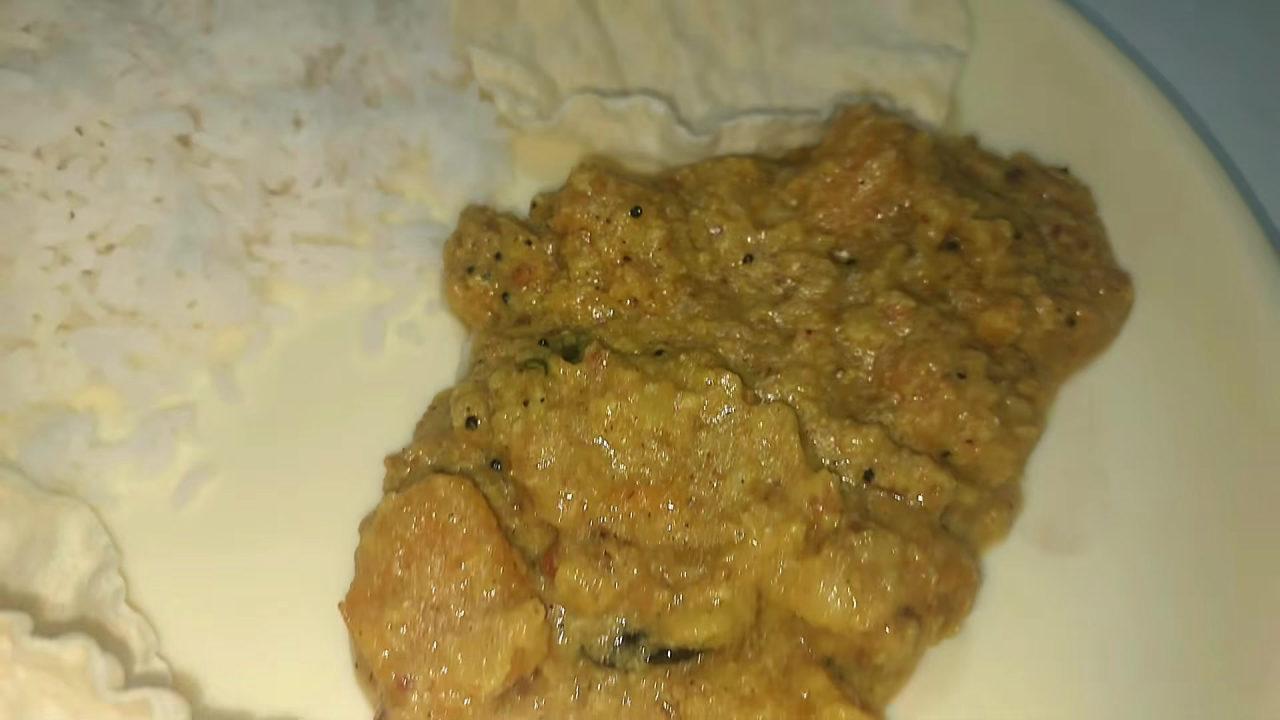
Kerala Style Red Pumpkin Kootu
Cuisine
Indian · South Indian
Prep + Cook Time
55 Minutes
Difficulty Level
Medium
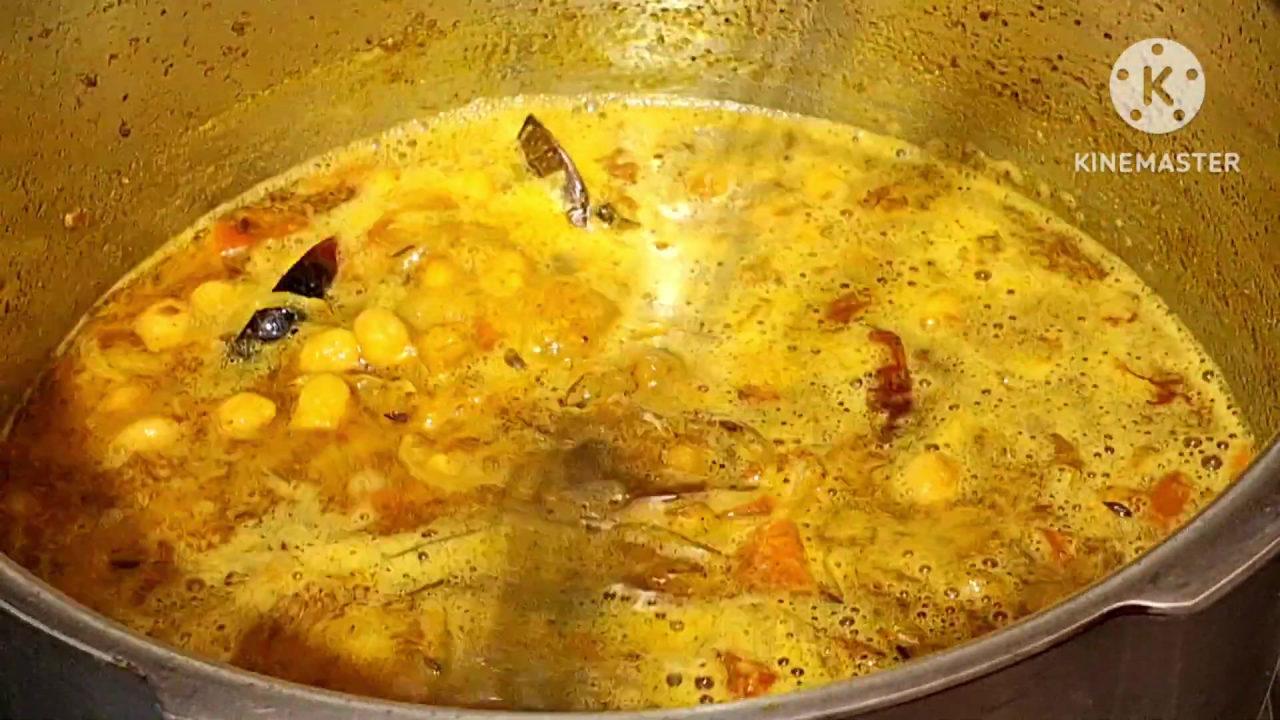
Delicious Chickpea Curry (Chole) - Quick & Easy Recipe
Cuisine
Indian · North Indian
Prep + Cook Time
45 Minutes
Difficulty Level
Easy
Spicy Paneer Rice Bowl – Indian
Cuisine
Indian · North Indian
Prep + Cook Time
45 Minutes
Difficulty Level
Easy
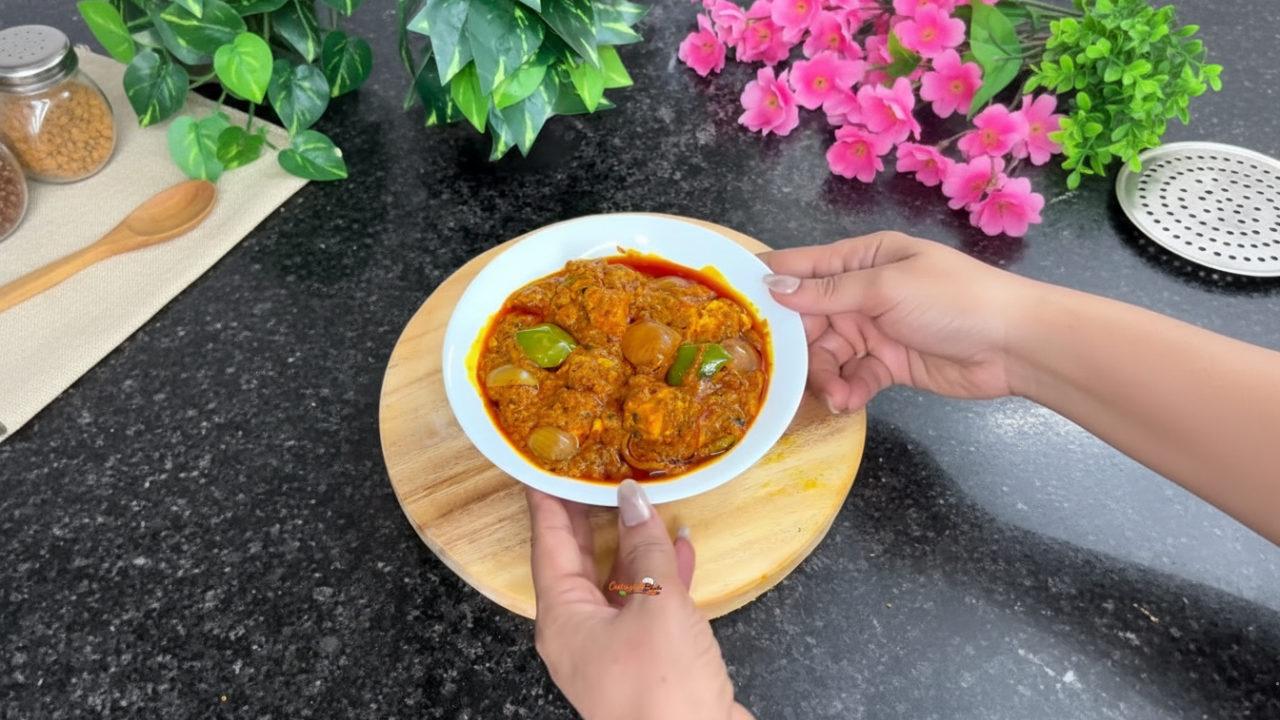
Paneer Tikka Masala – Indian Style
Cuisine
Indian · North Indian
Prep + Cook Time
40 Minutes
Difficulty Level
Medium
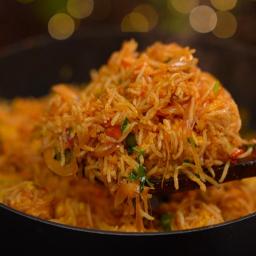
Paneer Tawa Pulao
Cuisine
Indian · North Indian
Prep + Cook Time
35 Minutes
Difficulty Level
Easy
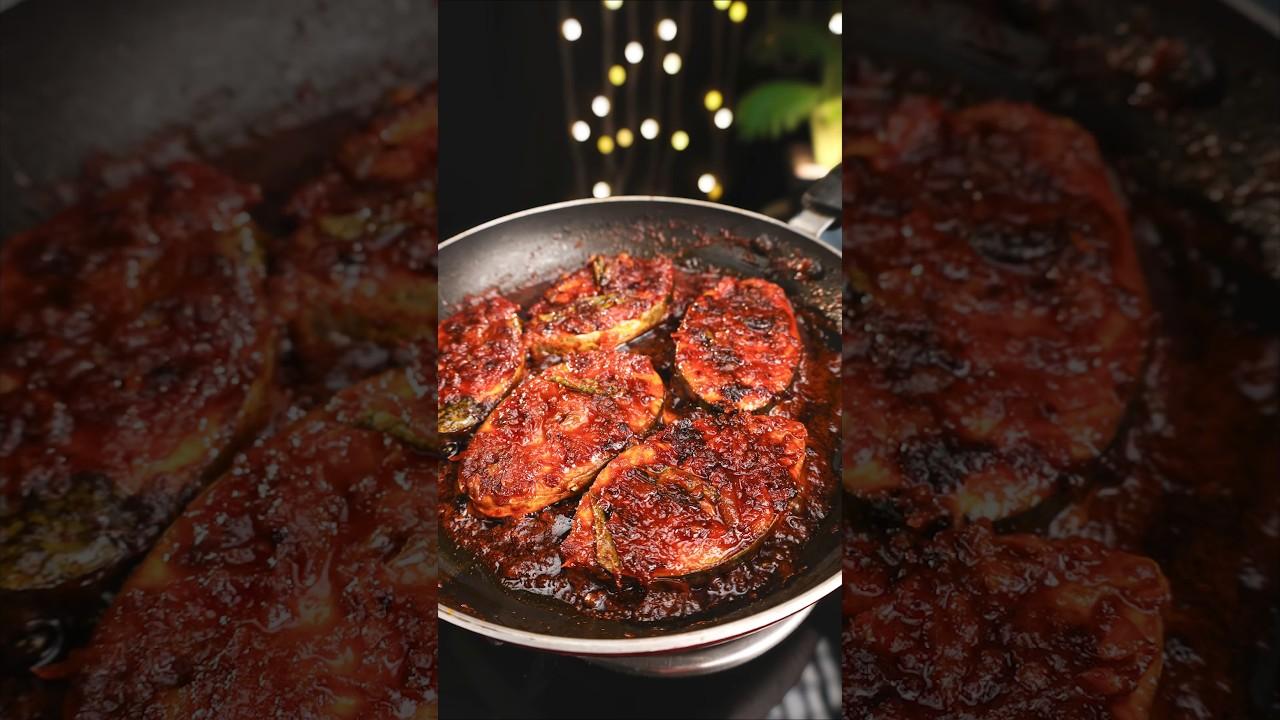
Spicy Fish Fry
Cuisine
Indian · South Indian
Prep + Cook Time
40 Minutes
Difficulty Level
Comments (0)
Sign in to leave a comment on this recipe.
Loading comments...