
Cacio e Pepe – Italian Pasta
Main Ingredients
Step-by-Step Instructions
Follow each step to make the recipe successfully.
Prepare Cheese and Pepper
Grate Pecorino Romano cheese into a bowl. Grind fresh black pepper into the cheese and mix well to combine. This mixture will form the base of your creamy sauce.
Boil Pasta Water
Fill a pot with water and bring it to a rolling boil over high heat. Add 1 teaspoon of salt to the boiling water.
Cook Pasta
Add 200g of spaghetti or linguine to the boiling salted water. Stir to ensure the pasta doesn't stick together. Cook for approximately , or until the pasta is .
Toast Pepper
While the pasta cooks, place 2 tablespoons of black pepper in a dry pan over medium heat. for about until the pepper becomes fragrant and slightly smoky.
Create Pepper Base
Add 1/2 cup of starchy pasta water (from the boiling pasta pot) to the pepper in the pan. Stir and let it , allowing the starch to create a slightly thickened base for the sauce.
Transfer Pasta
Once the pasta is cooked, use tongs to transfer it directly from the pot to the pan with the pepper and pasta water. Stir to combine the pasta with the pepper base.
Prepare Cheese Cream
Return to the bowl with the grated cheese and pepper. Gradually add 1/2 cup of pasta water, mixing continuously with a or spatula until a smooth, creamy paste forms. This step is crucial for preventing the cheese from clumping.
Combine and Emulsify
Add the prepared cheese cream to the pasta in the pan. Mix vigorously and continuously, adding more pasta water gradually if needed, until a rich, creamy, and sauce coats the pasta. The sauce should be smooth and glossy.
Serve
Plate the Cacio e Pepe. Grate additional Pecorino Romano cheese on top for garnish.
Taste
Enjoy the freshly made Cacio e Pepe. The chef describes it as "very, very good."
Before You Cook
Helpful details before you startHelpful Tips
Small details that can improve the final result.
More from Food N Bake by Antoine Pisani
Other recipes converted from Food N Bake by Antoine Pisani's cooking videos.

Vegetarian Lasagna with Ricotta and Spinach - Italian Style
Cuisine
Italian
Prep + Cook Time
2 hr
Difficulty Level
Medium

Chocolate Cake with Ganache & Buttercream – Rich & Decadent
Cuisine
European · Western
Prep + Cook Time
8 hr
Difficulty Level
Medium

Maltese Ftira – Sourdough Bread with Traditional Filling
Cuisine
Maltese · Mediterranean
Prep + Cook Time
8 hr
Difficulty Level
Medium
Vegetarian Lasagna with Marrows, Carrots, and Spinach – Italian Style
Cuisine
Italian
Prep + Cook Time
1 hr 50 min
Difficulty Level
Medium

Maltese Pastizzi (Qassatat) - Savory Pastries
Cuisine
Maltese
Prep + Cook Time
1 hr 25 min
Difficulty Level
Medium

Chicken Roulade with Prosciutto, Spinach, and Mascarpone – Food N Bake
Cuisine
Mediterranean · Italian-inspired
Prep + Cook Time
1 hr 15 min
Difficulty Level
Medium
You might also like
Other recipes in the same cuisine, meal type, or style — ready to cook whenever you are.

Aloo Baingan - Pakistani Style
Cuisine
Pakistani · North Indian
Prep + Cook Time
45 Minutes
Difficulty Level
Medium
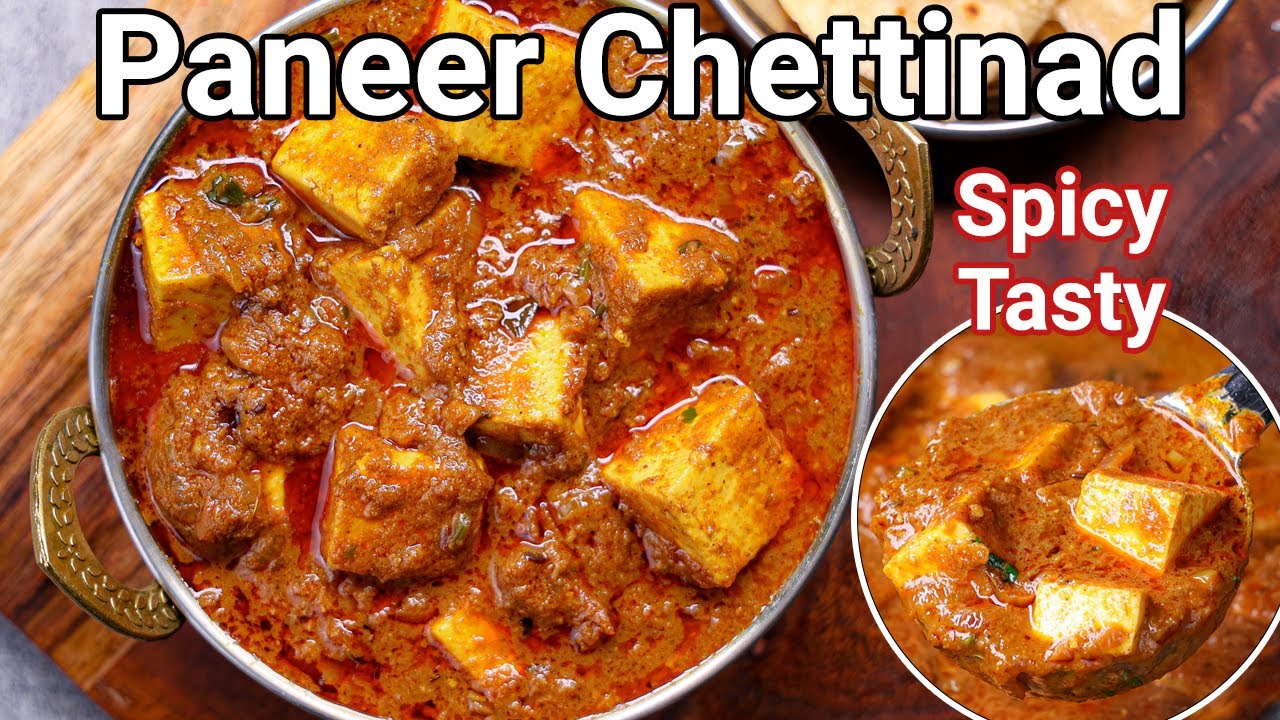
Spicy Homemade Masala Paneer Chettinad (South Indian Paneer Curry)
Cuisine
Indian · South Indian
Prep + Cook Time
45 Minutes
Difficulty Level
Medium

Perfect Chapatti / Roti
Cuisine
Indian · South Asian
Prep + Cook Time
47 Minutes
Difficulty Level
Medium

Homemade Roti (Indian Flatbread)
Cuisine
Indian · North Indian
Prep + Cook Time
32 Minutes
Difficulty Level
Easy
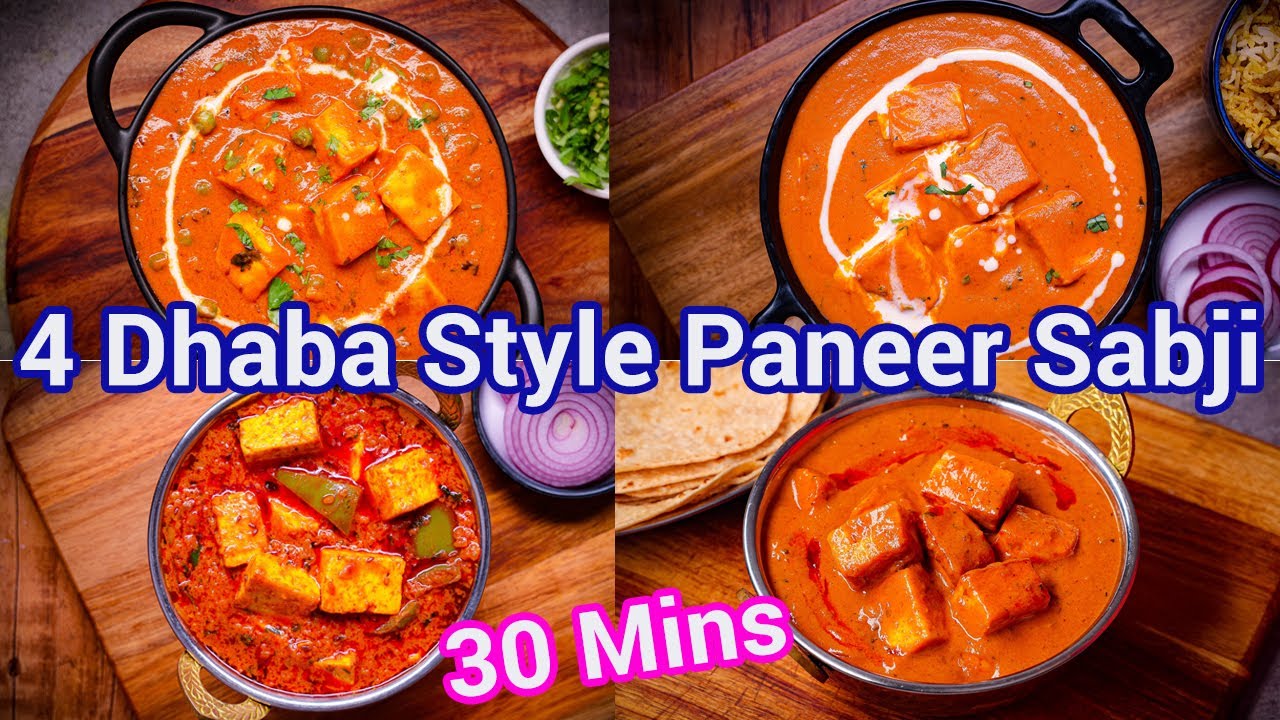
Dhaba Style Curry MUTTER PANEER
Cuisine
Indian · North Indian
Prep + Cook Time
40 Minutes
Difficulty Level
Medium

Palak Paneer with a Twist
Cuisine
Indian · North Indian
Prep + Cook Time
35 Minutes
Difficulty Level
Comments (0)
Sign in to leave a comment on this recipe.
Loading comments...