
Bánh Bông Lan Mềm Xốp Kiểu Hồng Kông (Gato Hồng Kông) - Sukie's Kitchen
Main Ingredients (for 16cm round pan)
Alternative Flour Quantities
Step-by-Step Instructions
Follow each step to make the recipe successfully.
Preheat Oven and Prepare Ingredients
Preheat your oven to 150°C (approximately 300°F) (300°F (approximately 150°C)) using top and bottom heat, without a fan. Ensure all cold ingredients like eggs and milk are at room temperature. Weigh out all dry and wet ingredients accurately.
Separate Eggs
Carefully separate the yolks and whites from 3 large eggs. Aim for 54-60g of yolks (18-20g each) and 110-120g of whites (37-40g each). Use fresh eggs for best results.
Prepare Yolk Mixture
Lightly the egg yolks. Add 36g of vegetable oil and until well combined. Then, add 45g of unsweetened whole milk and again.
Combine Dry Ingredients with Yolk Mixture
Sift 30g of cornstarch and 45g of cake flour (or 37g cornstarch and 38g all-purpose flour) into the yolk mixture. gently until just combined and no lumps remain. Do not overmix to prevent the batter from becoming tough. If the batter is too thick, add 10-15g of unwhipped egg white to loosen it.
Whip Egg Whites (Meringue)
In a clean bowl (free of any fat or yolk), add the egg whites and 1/8 tsp of salt. until foamy. Add 1/4 tsp of cream of tartar (or 1/2 tsp white vinegar/lemon juice) and continue . Gradually add 65g of granulated sugar in several additions while . Continue until the meringue forms stiff, glossy peaks that hold their shape but are still soft.
Fold Meringue into Yolk Batter
Add 1/3 of the meringue to the yolk batter. Fold gently using a spatula, scooping from the bottom up, until well combined. This lightens the batter. Add the remaining meringue in two more additions, folding gently until no streaks of white remain. Be careful not to deflate the meringue.
Prepare and Fill Cake Pan
Line the bottom of a 16cm round cake pan with parchment paper. Do not grease the sides of the pan. Pour the batter into the prepared pan from a height to help release large air bubbles. Fill the pan to about 60-70% full. Use a skewer to gently swirl the batter from the center outwards to release any remaining large air bubbles and level the surface. Gently tap the pan on the counter a few times.
Bake the Cake
Immediately place the cake pan into the preheated oven. Bake at 150°C (approximately 300°F) (300°F (approximately 150°C)) for approximately . If the top browns too quickly or cracks, cover it with aluminum foil for the first , then remove the foil to allow it to brown.
Cool and Release Cake
Once baked, turn off the oven and leave the cake inside for about . Remove the cake from the oven and immediately drop the pan from a height of about 50cm (20 inches) onto the floor or a sturdy table. This helps release hot air and prevents sinking. If the pan is still very hot, invert it onto a wire rack for , then remove the cake from the pan by running a thin knife around the edges. Let it cool completely on the wire rack.
Before You Cook
Helpful details before you startIngredient SubstitutionsMissing something? View suitable alternatives.View 5 swaps
No Egg?
- 1 tbsp ground flax + 3 tbsp water (rest 5 min) — Per egg, best in baking.
- 1/4 cup unsweetened applesauce — Per egg, in sweet baked goods.
- 1/4 cup silken tofu, blended — Per egg.
No Cornstarch?
- 2 tbsp all-purpose flour (per 1 tbsp cornstarch)
- Arrowroot powder (1:1)
- Tapioca starch (1:1)
No Milk?
- Unsweetened almond / soy / oat milk (1:1)
- 1/2 cup evaporated milk + 1/2 cup water (per 1 cup)
No Cream of tartar?
- 1 tsp lemon juice or white vinegar (per 1/2 tsp)
No All-purpose flour?
- White whole wheat flour (1:1)
- 1 cup minus 2 tbsp + 2 tbsp cornstarch (cake flour swap)
Storage & Leftovers
Keep your leftovers fresh and ready to enjoy.
- Store
Store the cake in the refrigerator, covered tightly, for up to one week.
Variations
Simple ways to adapt this recipe.
- If you don't have cornstarch
You can use all-purpose flour, but the cake will be denser.
- For a less sweet cakeIngredient swap
Use 55-60g of sugar instead of 65g.
- To prevent cracking
Use light-colored pans, reduce oven temperature slightly if your oven runs hot, lower the oven rack, or cover the top/bottom of the cake with foil during initial baking.
Helpful Tips
Small details that can improve the final result.
You might also like
Other recipes in the same cuisine, meal type, or style — ready to cook whenever you are.
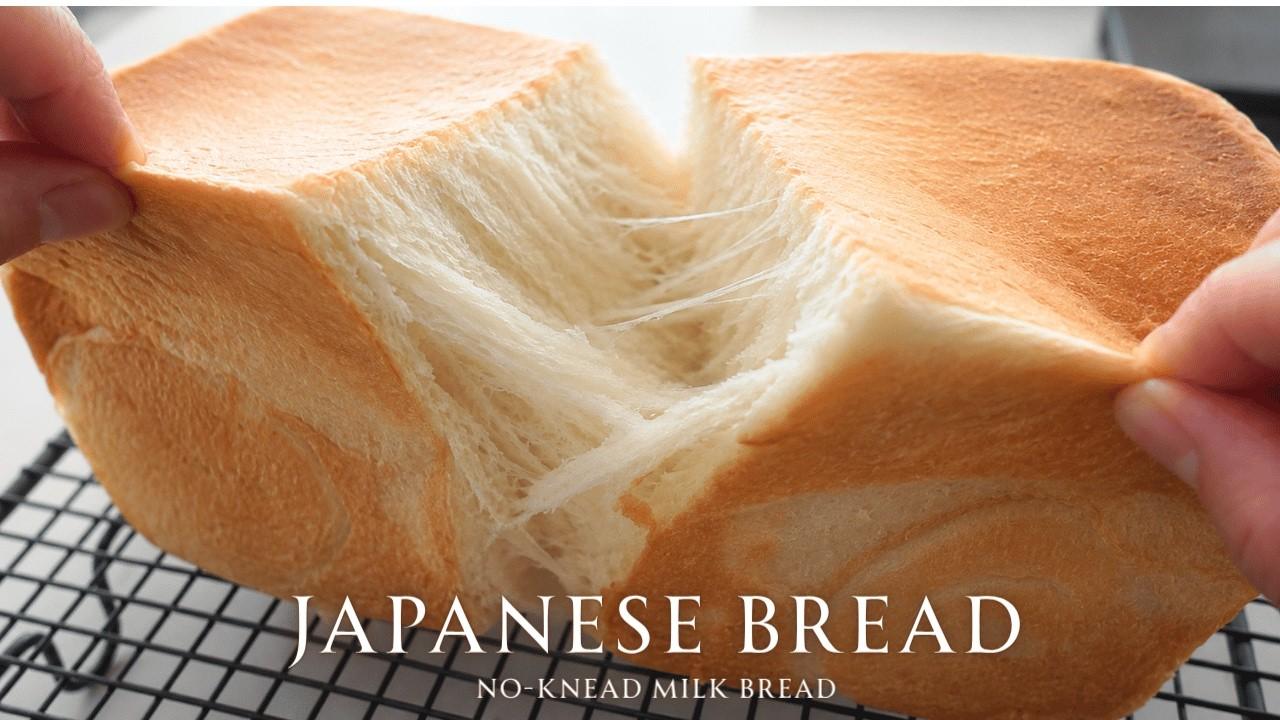
Soft Milk Bread Loaf
Cuisine
Asian · Japanese
Prep + Cook Time
4 hr 10 min
Difficulty Level
Medium
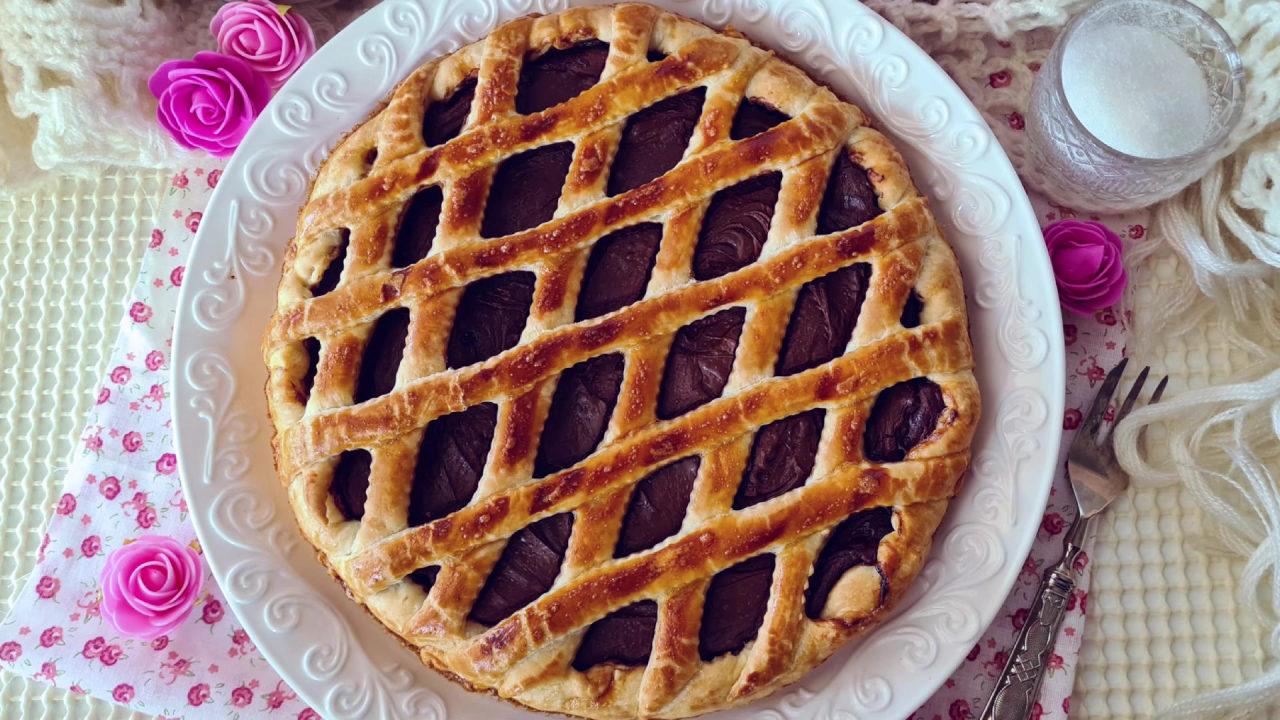
Crostata alla Nutella in 5 minuti – Facile e Veloce
Cuisine
Italian · Dessert
Prep + Cook Time
29 Minutes
Difficulty Level
Easy
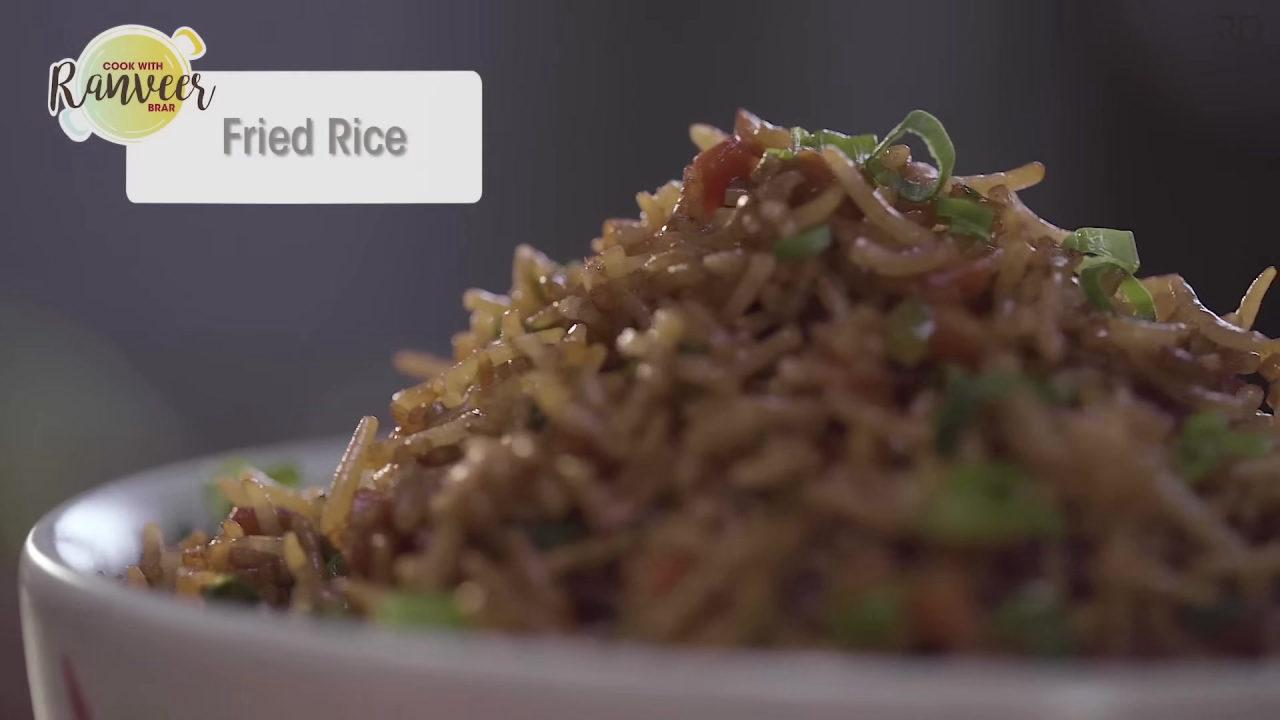
Street Style Fried Rice
Cuisine
Asian · Indian Chinese
Prep + Cook Time
35 Minutes
Difficulty Level
Medium
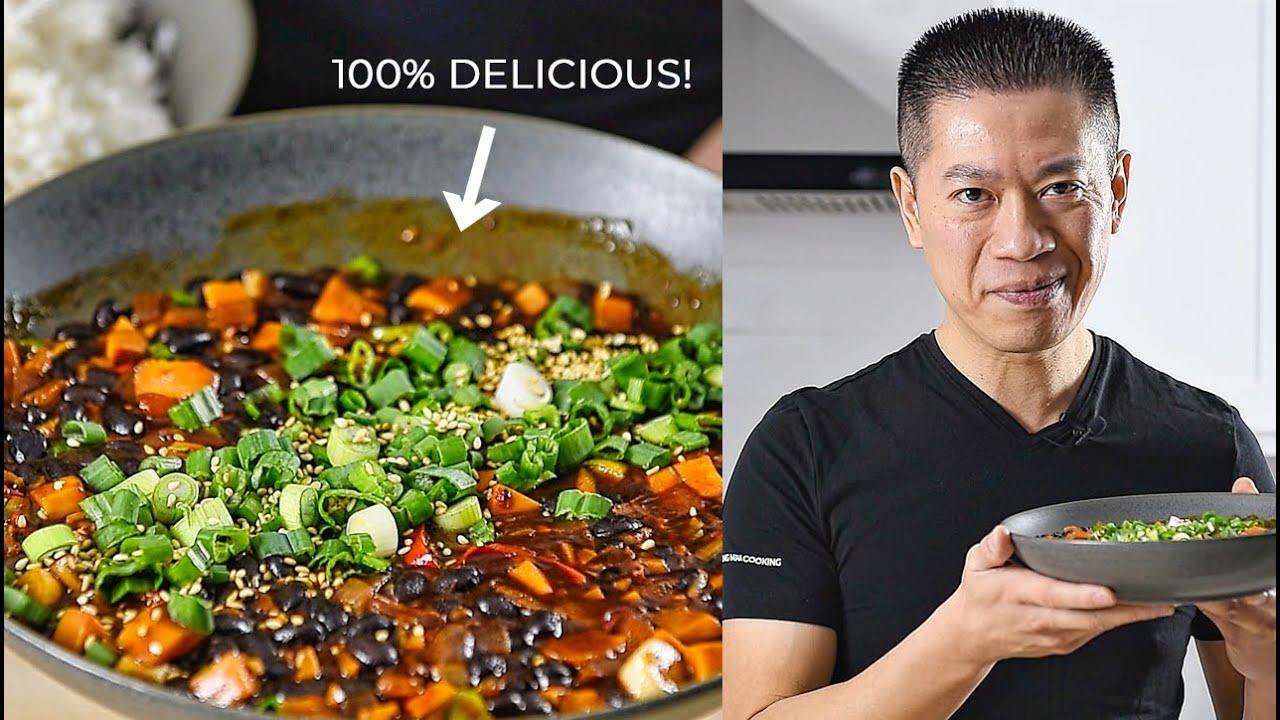
Chili Black Beans + Rice – Savory & Spicy
Cuisine
Asian · Chinese
Prep + Cook Time
45 Minutes
Difficulty Level
Easy
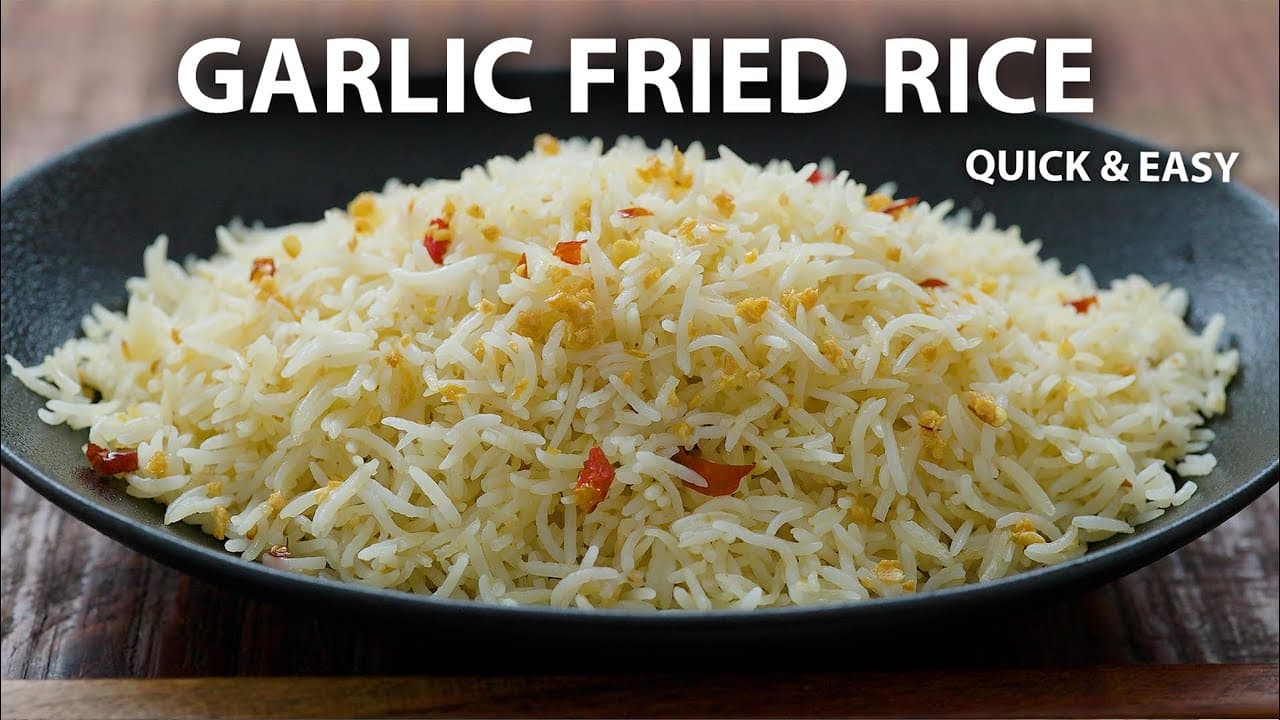
Garlic Rice - Simple
Cuisine
Asian
Prep + Cook Time
10 Minutes
Difficulty Level
Easy
Uthiri Uthiri Rice for Fried Rice
Cuisine
Asian · Indian-Chinese
Prep + Cook Time
36 Minutes
Difficulty Level
Comments (0)
Sign in to leave a comment on this recipe.
Loading comments...