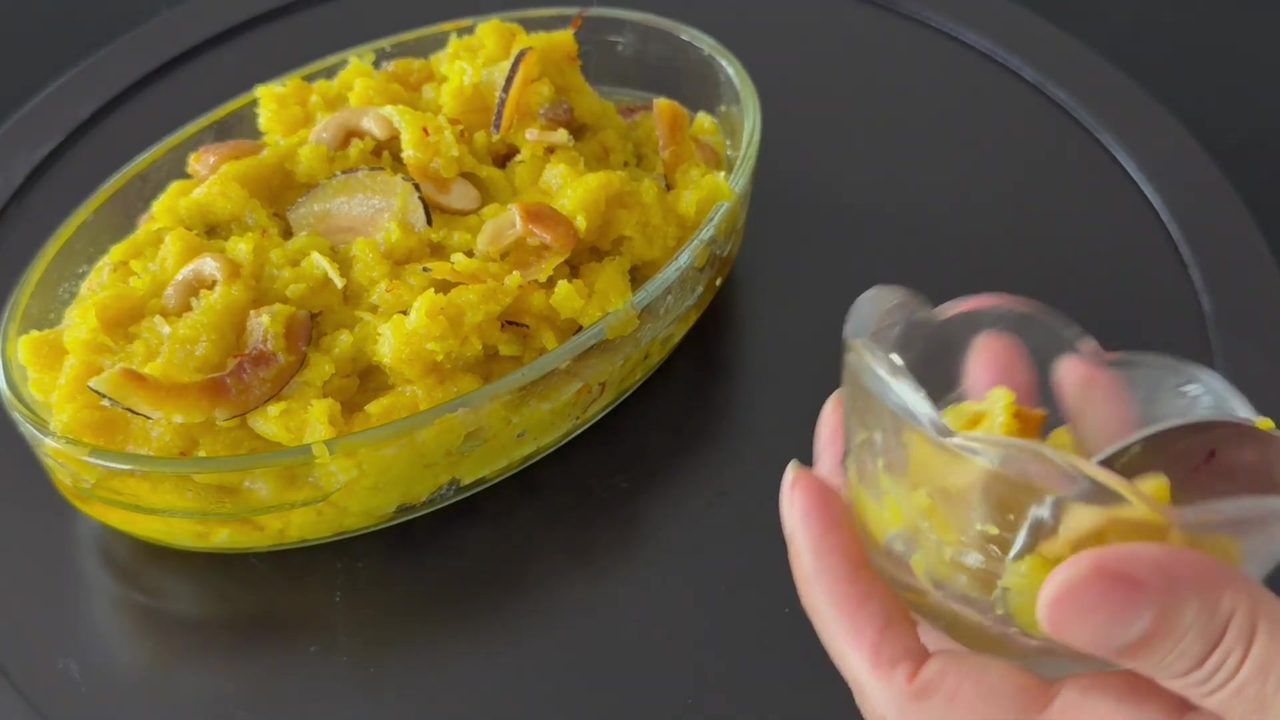
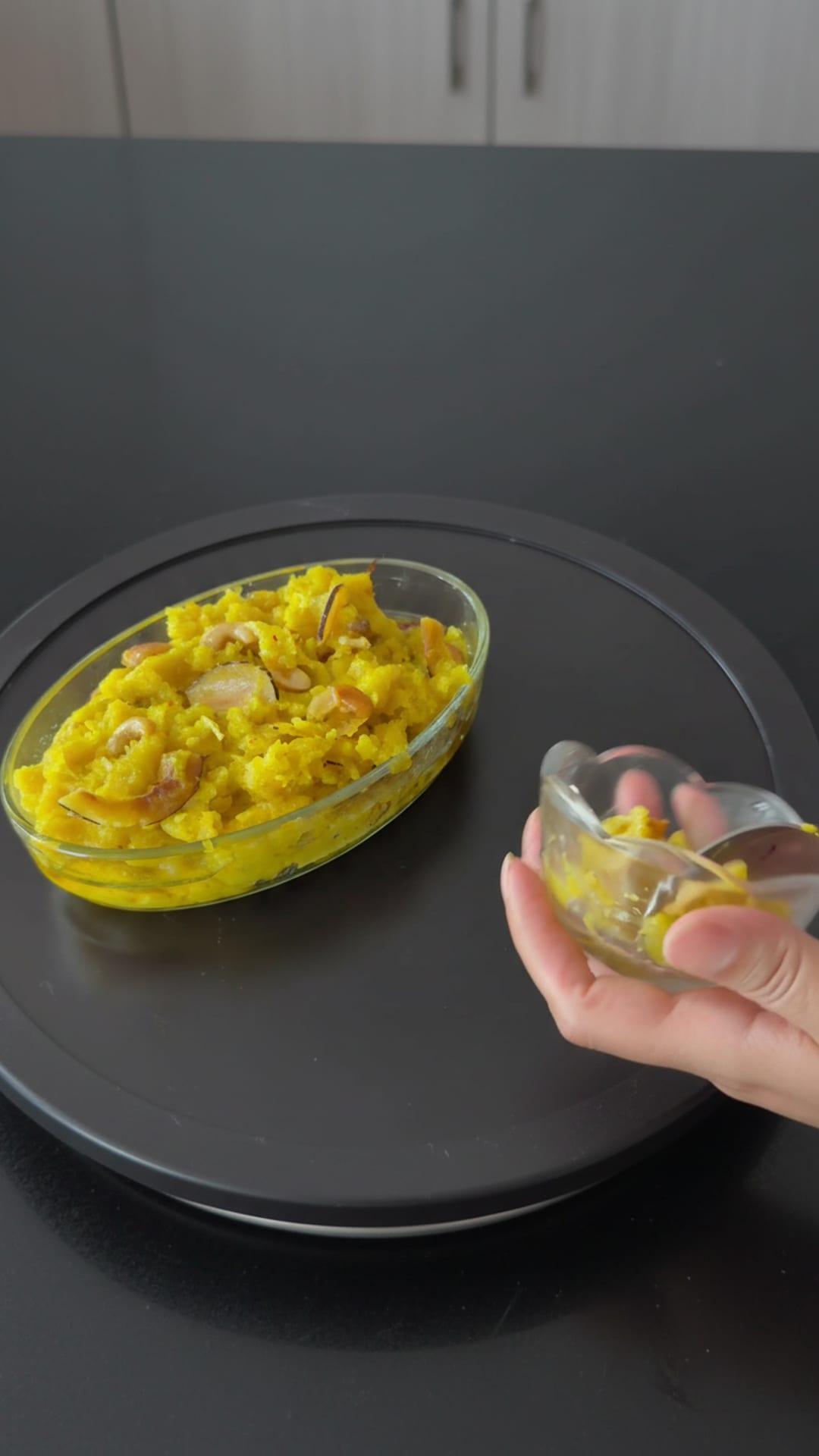
Winter Melon Halwa (Petha Halwa)
Main Ingredients
Step-by-Step Instructions
Follow each step to make the recipe successfully.
Prepare the Winter Melon
Wash the winter melon thoroughly. Cut it in half, then scoop out and discard all the seeds and the soft pith from the center. Carefully peel off the tough outer green skin. Grate the melon flesh using the larger holes of a grater.
Cook the Grated Melon
Transfer the grated winter melon along with its natural water into a pot. Bring it to a boil on high heat. Once boiling, the heat to medium, cover the pot, and let it cook for , stirring in between. Then, uncover and continue cooking until all the water has evaporated and the melon is soft and cooked through.
Roast the Semolina
In a separate pan, dry roast 2 tbsp of semolina on low heat for . Add 1 tbsp of ghee and continue to roast for another until it's fragrant and lightly golden. Remove from the pan and set aside.
Combine Ingredients
To the cooked melon in the pot, add a pinch of green cardamom powder and a pinch of saffron, and mix. Add the roasted semolina and stir to combine. Then, add 1/2 bowl of sugar. Cook on low heat, stirring until the sugar dissolves completely.
Sauté the Halwa (Bhunai)
Add 2 tbsp of ghee to the halwa. Increase the heat to medium-high and cook, stirring continuously. This process, known as 'bhunai', is crucial for the texture. Cook until the mixture thickens and starts to come together.
Fry the Nuts
In a small pan, heat the remaining 1 tbsp of ghee. Add the cashews and dried coconut slices and fry on low heat until lightly golden. Add the raisins and fry for another until they plump up.
Final Assembly
Add the fried nuts, 1 tbsp of coconut powder, and 1 tbsp of dry milk powder (if using) to the halwa. Mix well. Add a few drops of Kewra water for aroma. Turn the heat to high and cook for a final , stirring constantly until the halwa forms a single mass and ghee starts to separate from the sides.
Serve
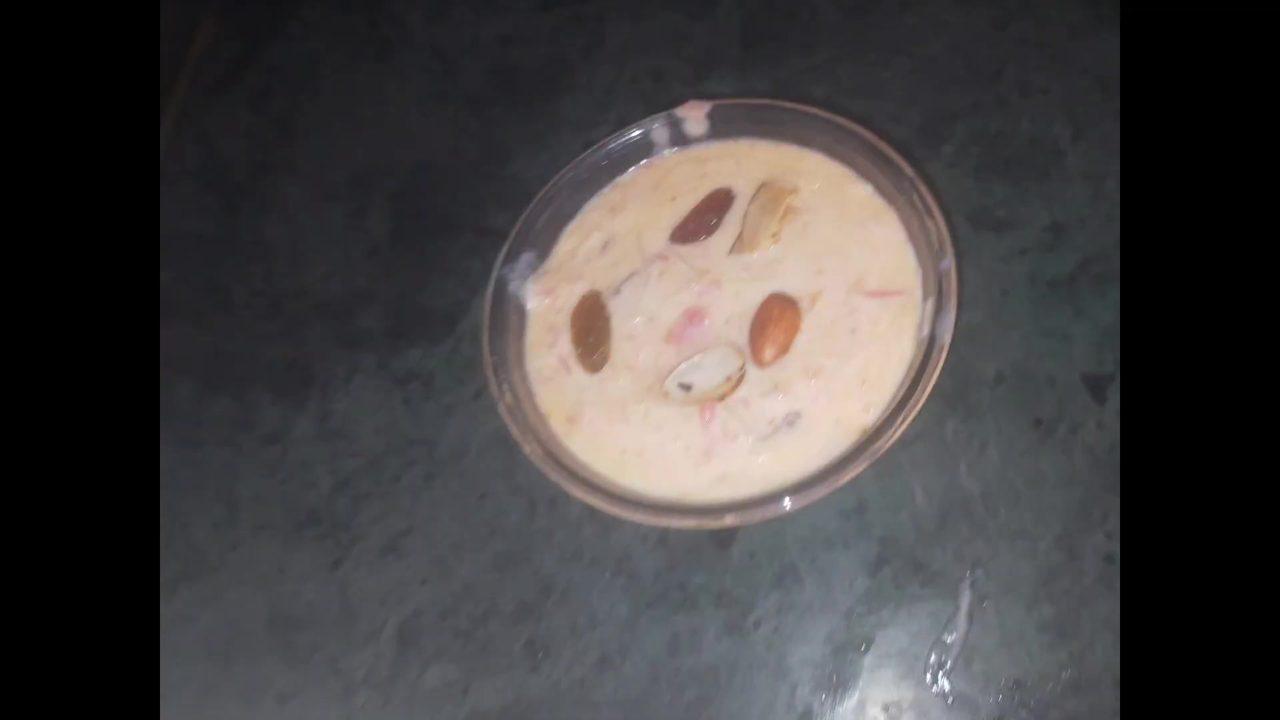
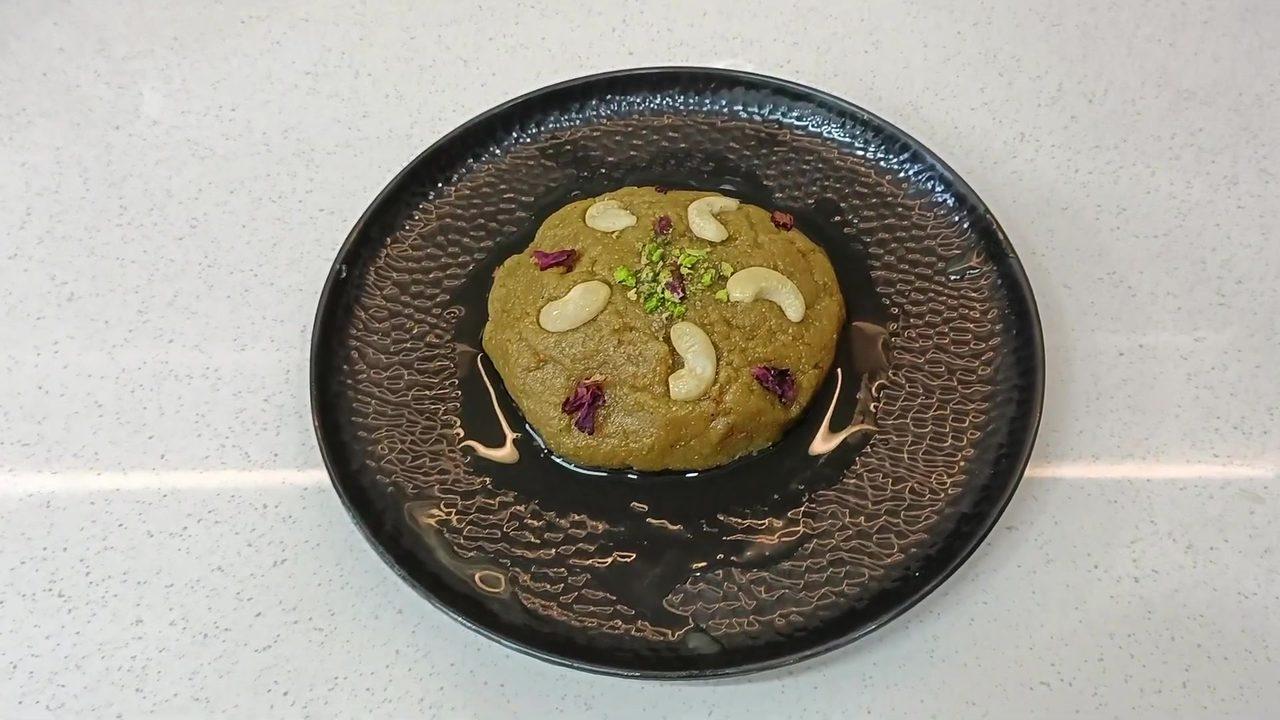
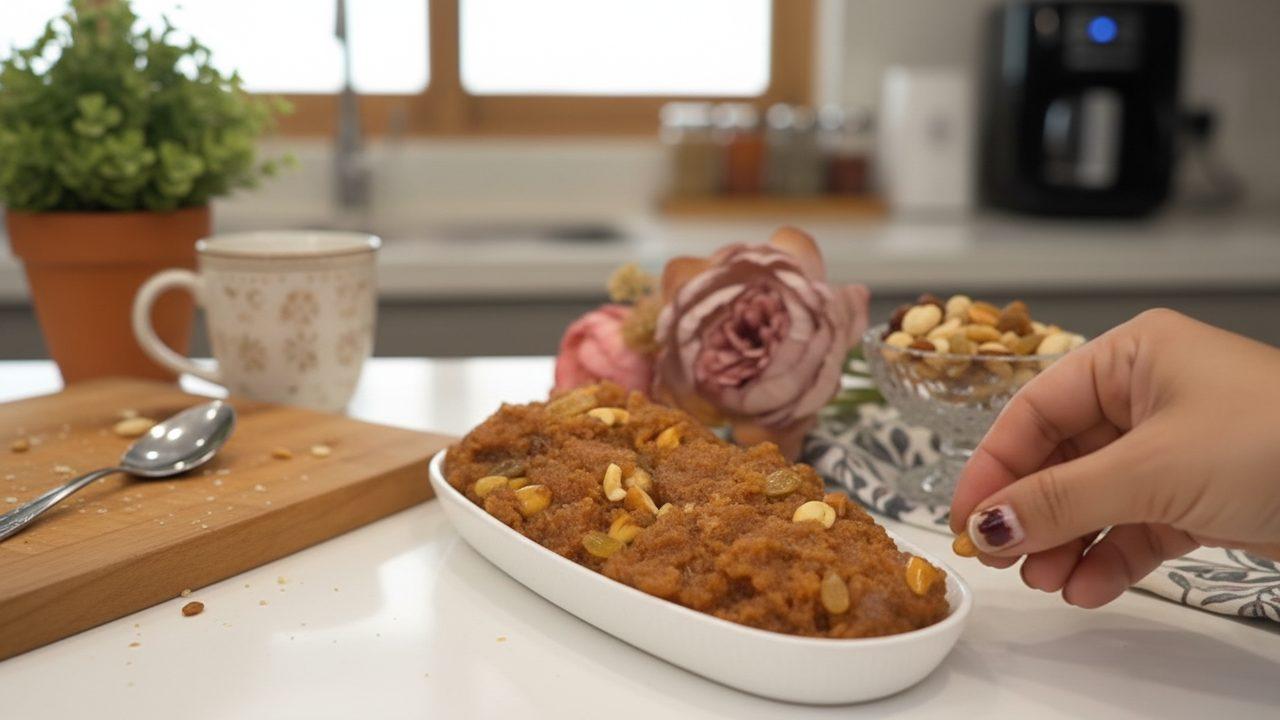
Once the halwa is ready and has a thick, non-sticky consistency, turn off the heat. Transfer it to a serving bowl. The Winter Melon Halwa is ready to be served warm.
Before You Cook
Helpful details before you startIngredient SubstitutionsMissing something? View suitable alternatives.View 4 swaps
No Butter?
- 3/4 the amount of olive oil (for cooking, not baking)
- Equal parts ghee — Slightly nuttier flavor.
- Equal parts coconut oil (in baking)
No Ghee?
- Unsalted butter (1:1)
- Neutral oil (1:1, lacks the toasted note)
No Saffron?
- 1/4 tsp turmeric (color only, no flavor match)
- 1/2 tsp safflower threads
No Milk?
- Unsweetened almond / soy / oat milk (1:1)
- 1/2 cup evaporated milk + 1/2 cup water (per 1 cup)
Variations
Simple ways to adapt this recipe.
- For a richerCustomise
Khoya-like flavor, add 1-2 tablespoons of dry milk powder.
- You can use oil instead of gheeIngredient swap
But ghee provides a more authentic and richer flavor.
- Other nuts like almonds or
Other nuts like almonds or pistachios can be used.
Helpful Tips
Small details that can improve the final result.



Comments (0)
Sign in to leave a comment on this recipe.
Loading comments...