
Traditional Tomato Rasam with Rice and Fried Papad
For Tomato Rasam
For Rasam Masala (Dry Roasted & Ground)
For Tempering (Rasam)
For Cumin Rice
For Fried Papad
Step-by-Step Instructions
Follow each step to make the recipe successfully.
Wash and Prepare Tomatoes
Thoroughly wash 5 kg of tomatoes under running water. Place them in a large basin or pot filled with water and rinse well. Drain the water and repeat the washing process until the tomatoes are clean.
Cut and Dice Tomatoes
Cut the washed tomatoes into halves or quarters. Use a manual vegetable chopper to all the tomatoes into small, uniform pieces. Transfer the tomatoes to a large mixing bowl.
Season Diced Tomatoes
Add salt to taste, 3 tablespoons of red chilli powder, 2 tablespoons of turmeric powder, and 2 bunches of fresh curry leaves to the tomatoes. Mix everything thoroughly by hand, ensuring the spices are evenly distributed.
Prepare Tamarind Extract
Place 250g of tamarind in a bowl and add enough water to cover it. Let it soak for some time to soften. Once softened, mash the tamarind by hand to extract the pulp. Strain the tamarind pulp through a sieve to remove any seeds or fibrous material, collecting the smooth tamarind water in a separate bowl.
Dry Roast Rasam Masala Spices
In a pan over an open fire, dry roast 1 cup of coriander seeds, 1/2 cup of arhar dal, 1/4 cup of cumin seeds, 1/4 cup of black pepper, 15-20 dried red chillies, and 2 tablespoons of fenugreek seeds. Stir continuously until the spices are fragrant and lightly , about . Be careful not to burn them.
Grind Rasam Masala
Transfer the dry-roasted spices to a grinder. Grind them into a fine powder. Set aside the freshly ground rasam masala.
Prepare Tempering for Rasam
Place a large wok (kadai) over an open fire. Add 1/2 cup of desi ghee. Once the ghee is hot, add 2 tablespoons of mustard seeds and 1 tablespoon of fenugreek seeds. Let them splutter. Then add 1 cup of garlic, 1 bunch of curry leaves, and 5-7 dried red chillies. until the garlic turns golden brown and the chillies are fragrant.
Cook the Rasam Base
Carefully add the seasoned tomatoes to the in the wok. Stir well to combine. Cook for about , stirring occasionally, until the tomatoes soften and release their juices. Add water as needed to achieve the desired consistency. Pour in the strained tamarind water and add 150g of jaggery. Stir until the jaggery dissolves. Bring the mixture to a boil.
Finish the Rasam
Add the freshly ground rasam masala to the boiling tomato mixture. Stir well to incorporate. Sprinkle with 1/2 cup of chopped fresh coriander. Continue to cook for another on medium heat, allowing the flavors to meld and the rasam to thicken slightly. The rasam should be bubbling and aromatic.
Prepare Cumin Rice
Place a large pot over an open fire. Add 1/4 cup of desi ghee. Once hot, add 2 tablespoons of cumin seeds and 1/4 cup of chopped fresh coriander. for a minute until fragrant. Add 2 kg of rice and enough water to cook the rice (typically 1.5-2 cups of water per cup of rice). Stir well, cover the pot, and cook until the rice is tender and fluffy, about .
Fry Papad
In a separate large wok, heat 1-2 liters of cooking oil over an open fire. Once the oil is hot, carefully place papad one by one into the hot oil. Fry for a few seconds on each side until they puff up and turn golden brown. Remove the fried papad with a slotted spoon and place them on a tray lined with paper towels to drain excess oil.
Serve the Meal
Serve a generous portion of the hot cumin rice on a plate. Ladle the prepared tomato rasam over the rice. Crush some of the freshly fried papad and sprinkle them on top of the rasam and rice. Enjoy the traditional Indian meal.
Before You Cook
Helpful details before you startIngredient SubstitutionsMissing something? View suitable alternatives.View 5 swaps
No Curry leaves?
- 1 bay leaf + a pinch of lemon zest — Aroma only — flavor is unique.
No Jaggery?
- Dark brown sugar (1:1)
- Muscovado sugar (1:1)
No Cilantro?
- Flat-leaf parsley (1:1, milder)
- Fresh mint (in chutneys, salads)
No Ghee?
- Unsalted butter (1:1)
- Neutral oil (1:1, lacks the toasted note)
No Garlic (fresh)?
- 1/4 tsp garlic powder (per clove)
- 1/2 tsp garlic granules (per clove)
Variations
Simple ways to adapt this recipe.
- For a richer flavorCustomise
You can add a pinch of asafoetida (hing) to the tempering.
- Different types of lentils can
Different types of lentils can be used in the rasam masala for varied flavor profiles.
- Serve with a side of vegetable stir
Fry or a simple salad for a complete meal.
Helpful Tips
Small details that can improve the final result.
More from Village Food Secrets
Other recipes converted from Village Food Secrets's cooking videos.


You might also like
Other recipes in the same cuisine, meal type, or style — ready to cook whenever you are.

Whole Wheat Flour Tortilla
Cuisine
Indian · North Indian
Prep + Cook Time
2 hr
Difficulty Level
Easy
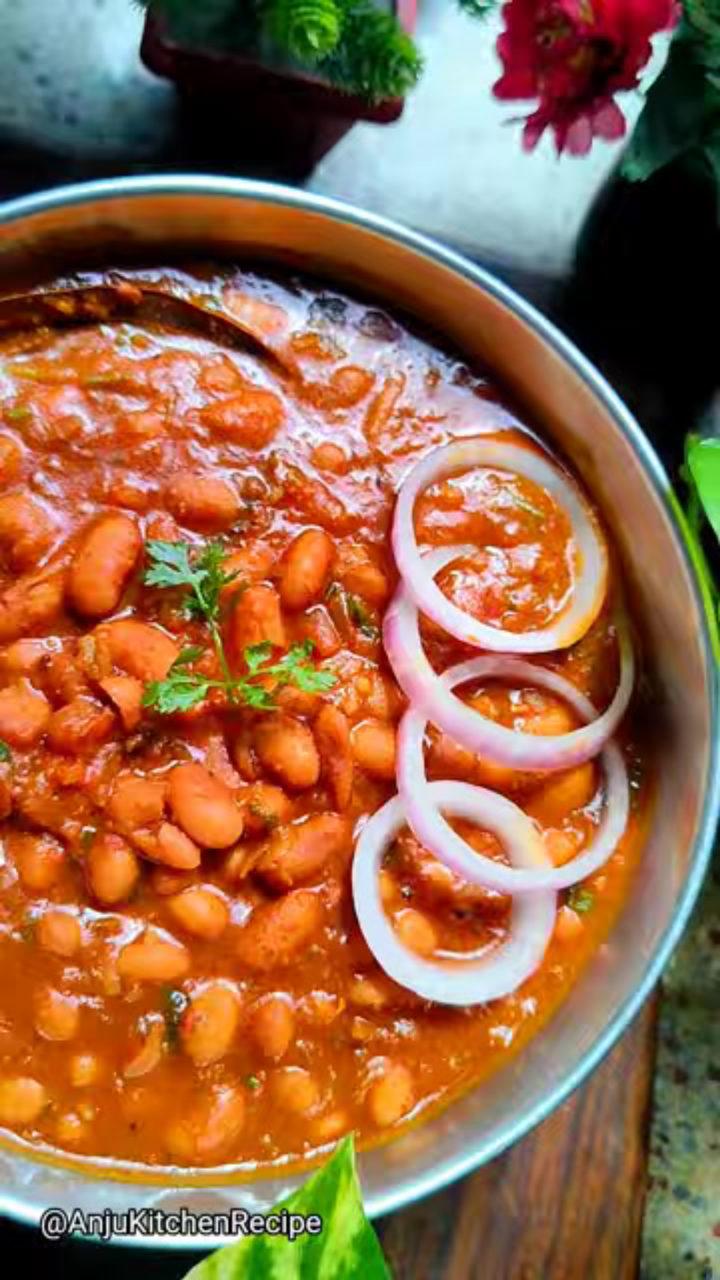
Rajma Masala - Dhaba Style
Cuisine
Indian · North Indian
Prep + Cook Time
45 Minutes
Difficulty Level
Medium
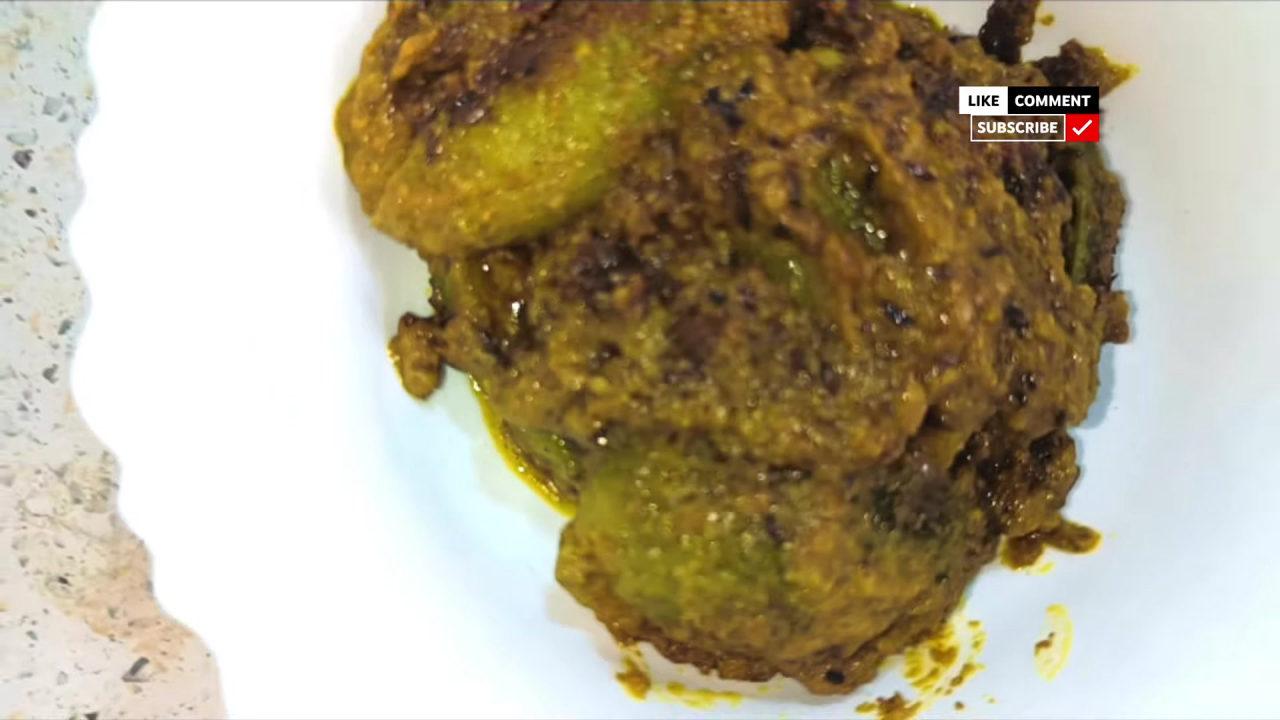
Stuffed Kantola (Spiny Gourd) Sabzi – Delicious Indian Curry
Cuisine
Indian · North Indian
Prep + Cook Time
40 Minutes
Difficulty Level
Medium
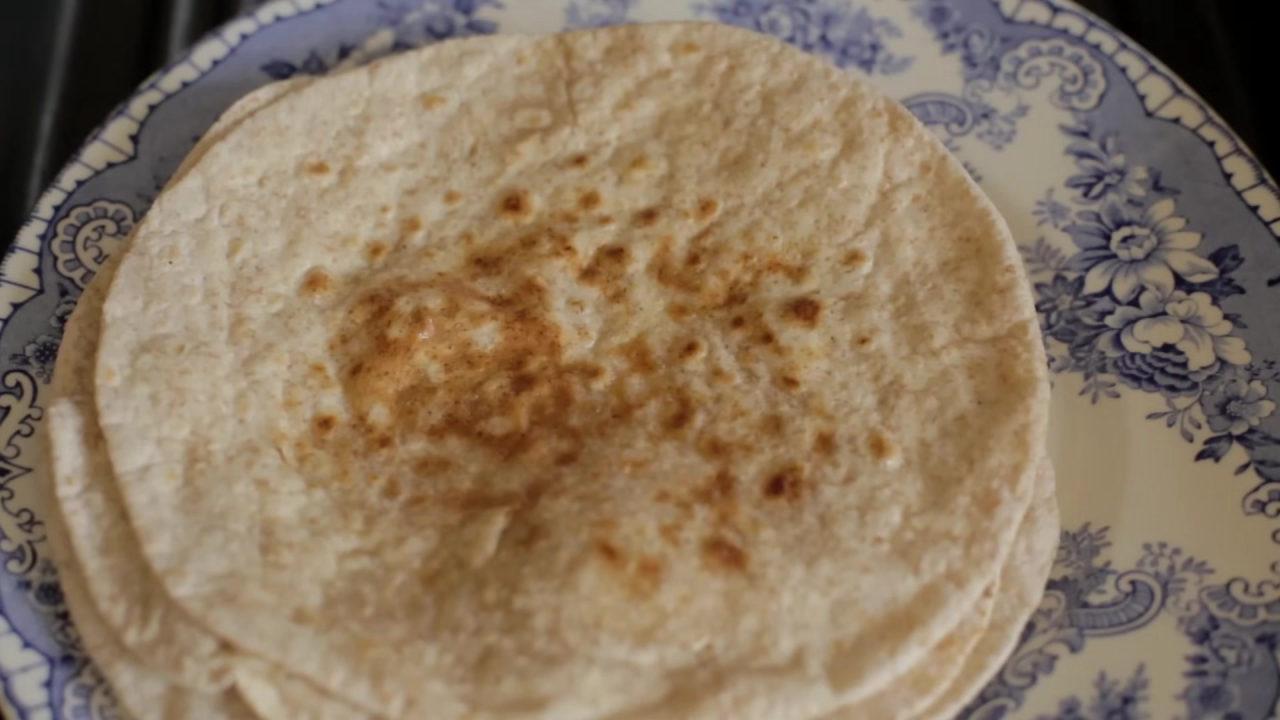
Homemade Soft Chapati – Indian Flatbread
Cuisine
Indian · North Indian
Prep + Cook Time
35 Minutes
Difficulty Level
Easy
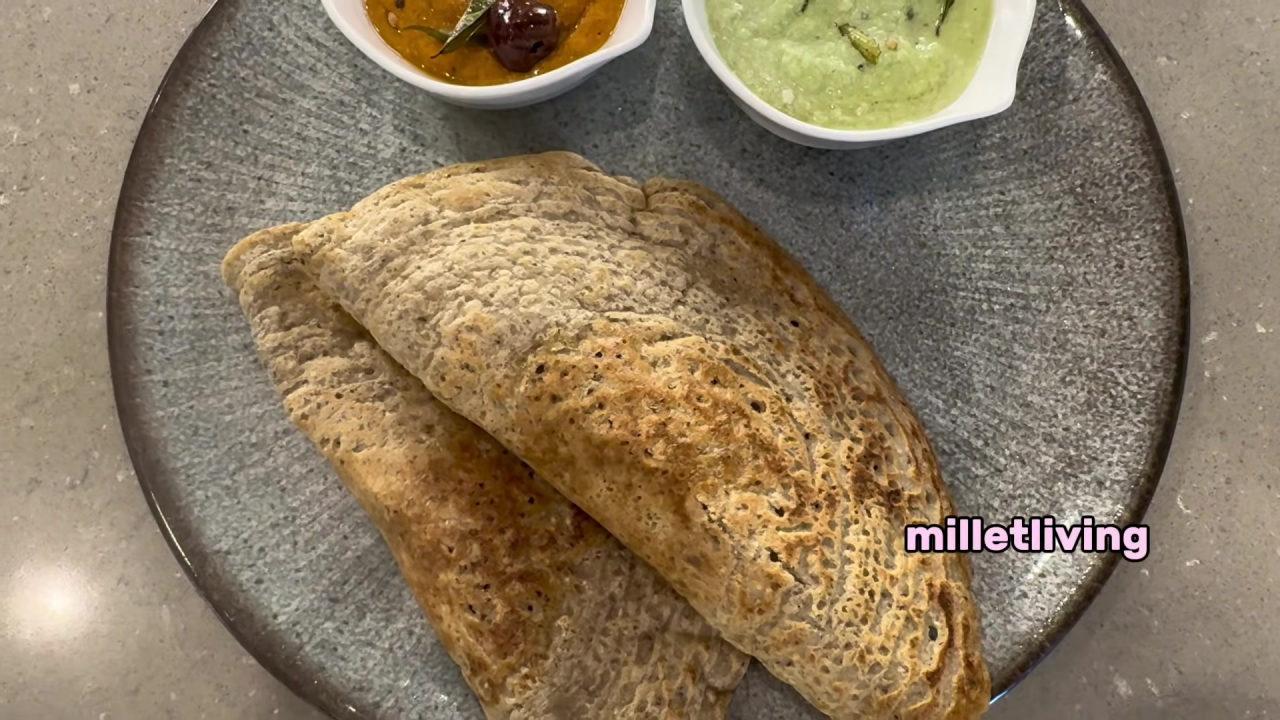
Everyday Millet Dosa - No Rice | Gluten-Free | Vegan
Cuisine
Indian · South Indian
Prep + Cook Time
40 Minutes
Difficulty Level
Easy
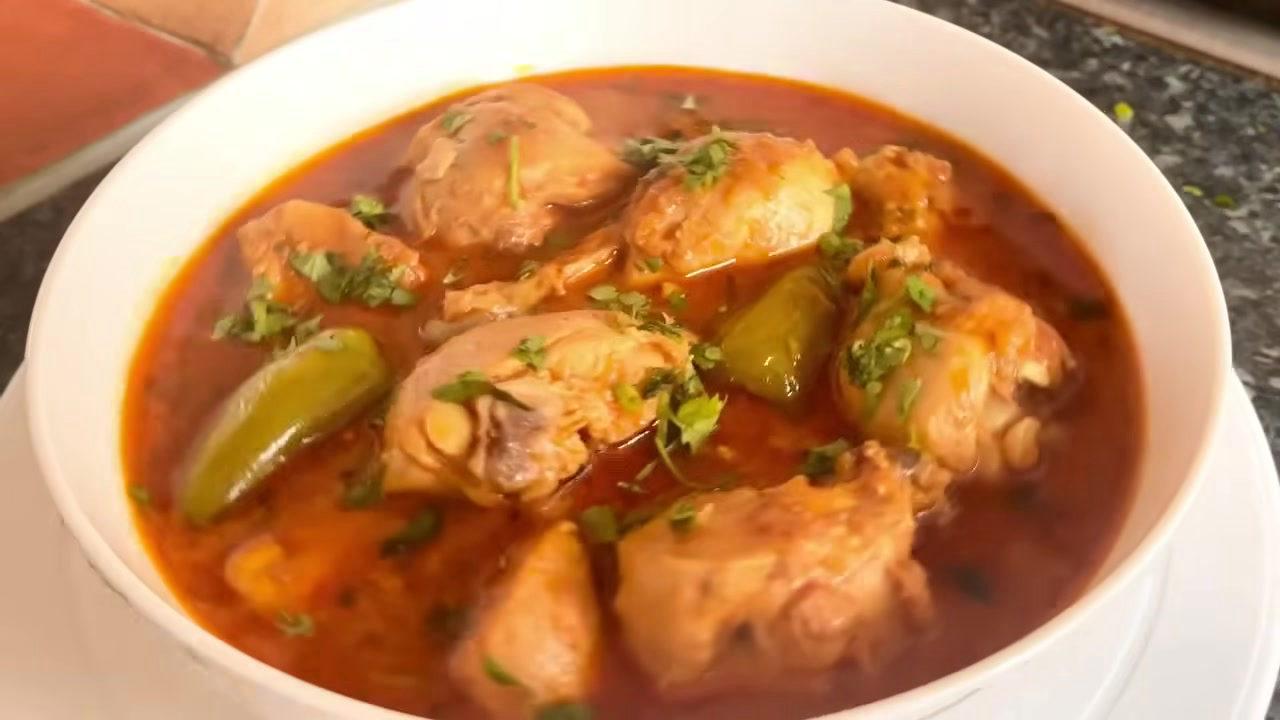
Delicious Chicken Curry
Cuisine
Indian · North Indian
Prep + Cook Time
1 hr 30 min
Difficulty Level
Comments (0)
Sign in to leave a comment on this recipe.
Loading comments...