
Soft & Bouncy Khatta Dhokla (Idra/Idada) with Versatile Idli Dosa Batter
For Base Batter (Soaking)
For Khatta Dhokla (Additions to Batter)
For Special Chutney
For Soft Idli (Additions to Batter)
Step-by-Step Instructions
Follow each step to make the recipe successfully.
Soak Rice, Dal, Fenugreek, and Poha
Take 3 cups of idli rice in a bowl, add water, wash thoroughly, and soak. In another bowl, add 1 cup urad dal and 1 tsp fenugreek seeds, wash, and soak in clean water (this water will be used for grinding). In a third bowl, add 3/4 cup poha, wash, and soak. Soak all ingredients for .
Grind Rice
After , drain the water from the rice and transfer it to a grinding jar. Add cold water or ice to keep the batter cool during grinding. Grind the rice to a fine but slightly grainy paste. Transfer to a large bowl.
Grind Dal and Poha
Transfer the soaked urad dal (along with its soaking water) and soaked poha to the grinding jar. Add cold water or ice if needed. Grind to a very fine, light, and creamy paste. Transfer this mixture to the bowl with the ground rice.
Mix and Ferment the Batter
Mix both batters thoroughly with clean hands for . This helps in better fermentation. Divide the batter into two portions: one for dhokla and one for idli/dosa. To the dhokla portion (approx. 2 cups), add 2-3 tbsp curd (preferably sour). Mix well. Cover both portions and let them ferment for .
Prepare Dhokla Batter
After fermentation, take the dhokla batter. Add 1 tsp salt, 1/4 tsp asafoetida, 1 tsp sugar (optional), and 2 tbsp green chili ginger paste. Mix well. The batter should be slightly thin; add a little water if needed. Just before , add less than 1/2 tsp baking soda and 1 tsp oil. Mix gently until frothy.
Steam Dhokla
Grease a plate with oil. Pour the dhokla batter into the plate, spreading it into a thin layer. Sprinkle crushed black pepper on top. Place the plate in a preheated steamer (or a pot with water and a stand). Cover the lid with a cloth to prevent water droplets from falling on the dhokla. for .
Prepare Special Chutney
While dhokla is , prepare the chutney. In a grinder, combine 1 bunch fresh coriander, 2 green chilies, 1/2 inch ginger, 2 tbsp roasted peanuts, 1 tsp cumin seeds, 1/2 tsp salt, 2 tsp sugar, 2 tsp lemon juice, and 2 tbsp curd. Add water as needed and grind to a smooth, vibrant green paste.
Finish Dhokla
After , check the dhokla with a knife; it should come out clean. The dhokla will be cooked quickly due to its thinness. Remove from steamer. Brush a little peanut or sesame oil on top to keep it moist. Let it cool slightly for , then cut into desired pieces. Garnish with fresh coriander leaves.
Prepare and Steam Idli
Take the fermented idli batter. Add salt to taste and mix well. Grease idli molds with oil and pour the batter into each mold. Arrange the molds in an idli steamer. for . Do not overcook.
Demold and Serve Idli
After , remove the idli molds. Sprinkle a little water or brush with water on the idlis to prevent the surface from drying. Let them cool slightly. Dip a spoon in water and gently demold the idlis. Serve the soft and spongy dhokla with the special green chutney, and enjoy the idlis with your favorite accompaniments.
Re-steam Stale Idlis (Optional)
If you have leftover idlis that have become hard after refrigeration, place them back in a steamer. for until they become soft and fluffy again.
Before You Cook
Helpful details before you startIngredient SubstitutionsMissing something? View suitable alternatives.View 4 swaps
No Yogurt?
- Sour cream (1:1)
- Buttermilk (1:1, slightly thinner result)
No Asafoetida (hing)?
- 1/4 tsp garlic powder + 1/4 tsp onion powder
No Cilantro?
- Flat-leaf parsley (1:1, milder)
- Fresh mint (in chutneys, salads)
No Lemon juice?
- Lime juice (1:1)
- 1/2 the amount white vinegar — In dressings, savory dishes.
Plan Ahead
Complete this step earlier to save time later.
- View Step 4Mix and Ferment the Batter1 minute
Mix both batters thoroughly with clean hands for 1-2 minutes. This helps in better fermentation. Divide the batter into two portions: one for dhokla and one for idli/dosa. To the dhokla portion (approx. 2 cups), add 2-3 tbsp curd (preferably sour). Mix well. Cover both portions and let them ferment for 8-10 hours.
- View Step 5Prepare Dhokla Batter
After fermentation, take the dhokla batter. Add 1 tsp salt, 1/4 tsp asafoetida, 1 tsp sugar (optional), and 2 tbsp green chili ginger paste. Mix well. The batter should be slightly thin; add a little water if needed. Just before steaming, add less than 1/2 tsp baking soda and 1 tsp oil. Mix gently until frothy.
- View Step 9Prepare and Steam Idli
Take the fermented idli batter. Add salt to taste and mix well. Grease idli molds with oil and pour the batter into each mold. Arrange the molds in an idli steamer. Steam for 10-12 minutes. Do not overcook.
Storage & Leftovers
Keep your leftovers fresh and ready to enjoy.
- Store
If you have leftover idlis that have become hard after refrigeration, place them back in a steamer.
Variations
Simple ways to adapt this recipe.
- The base fermented batter can
The base fermented batter can be used to make crispy dosa, benne dosa, appam, band dosa, and uttapam.
- If making only dhoklaCustomise
Add curd directly while grinding the dal and rice mixture.
Helpful Tips
Small details that can improve the final result.
More from Homemade Happiness with Manisha
Other recipes converted from Homemade Happiness with Manisha's cooking videos.
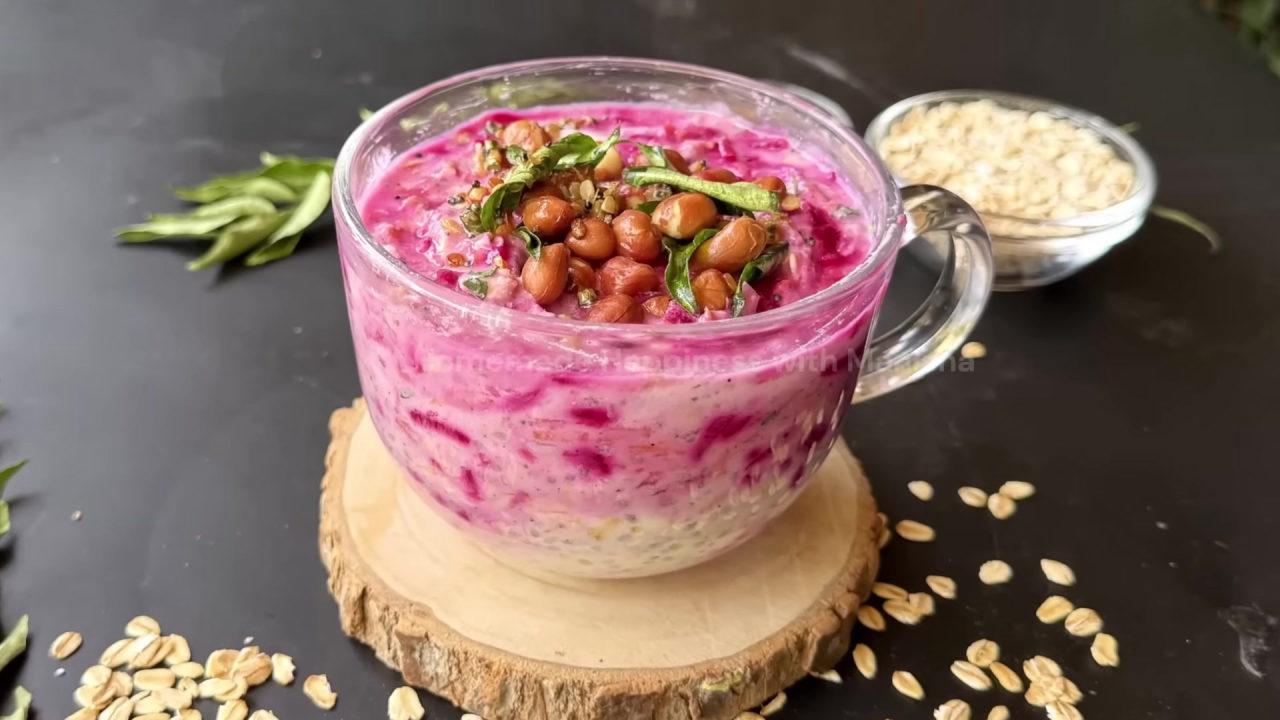
You might also like
Other recipes in the same cuisine, meal type, or style — ready to cook whenever you are.
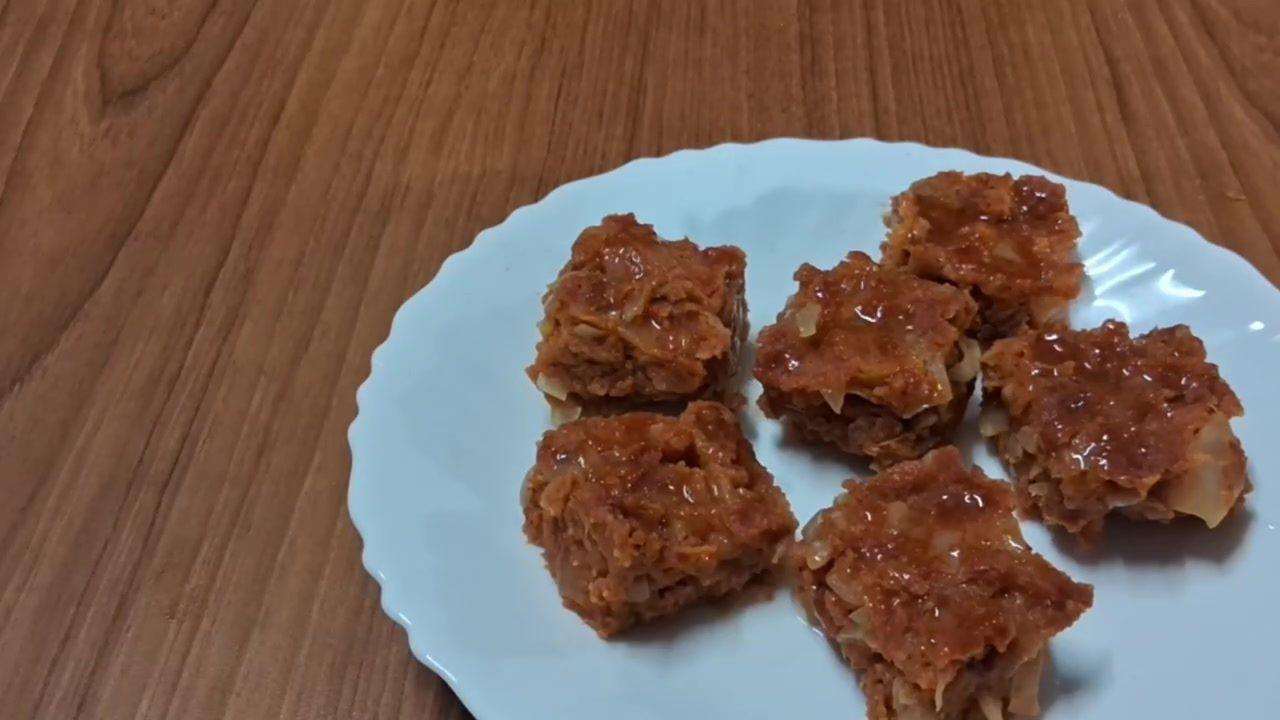
Steamed Spicy Cabbage Idli (Cabbage Sanna Kotto)
Cuisine
Indian · South Indian
Prep + Cook Time
40 Minutes
Difficulty Level
Easy
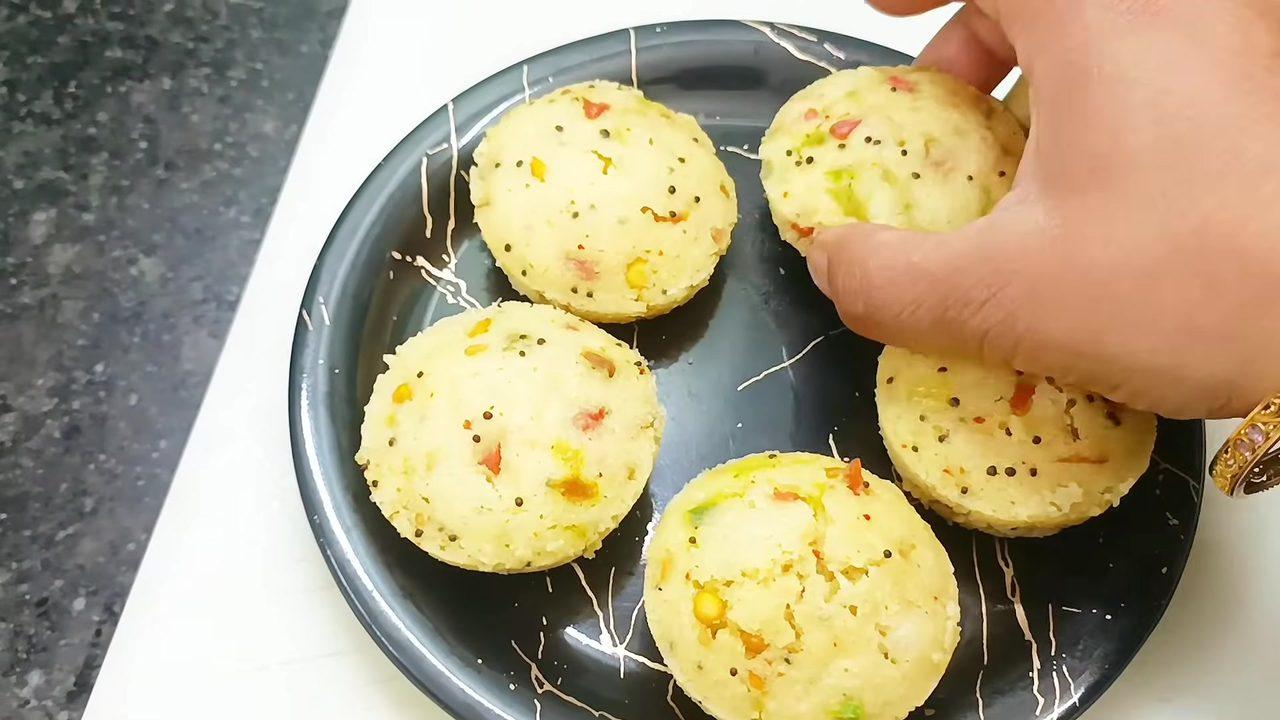
Vegetable Rava Mini Idli (Low Oil)
Cuisine
Indian · South Indian
Prep + Cook Time
35 Minutes
Difficulty Level
Easy
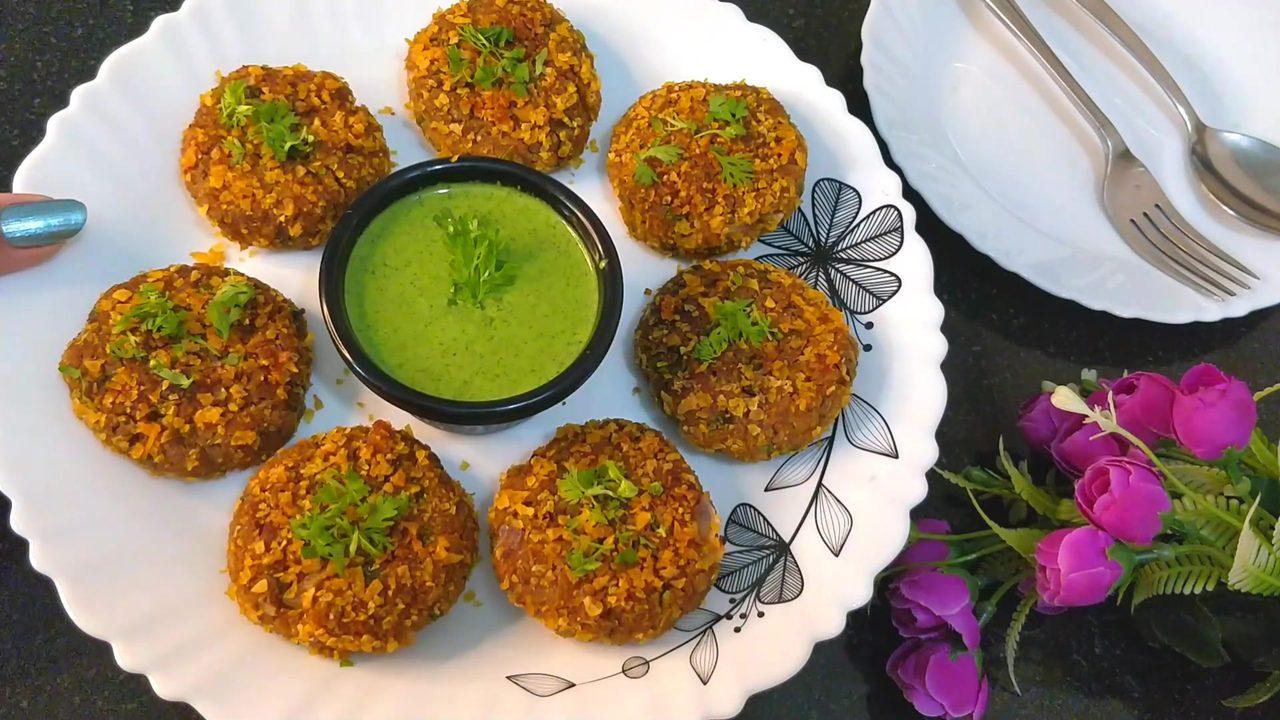
Soya Cutlet / Soya Kabab
Cuisine
Indian
Prep + Cook Time
30 Minutes
Difficulty Level
Easy
Baked Medu Vada – Healthy Snack
Cuisine
Indian · South Indian
Prep + Cook Time
45 Minutes
Difficulty Level
Medium
Oats Dosa – Healthy Indian Breakfast
Cuisine
Indian · South Indian
Prep + Cook Time
30 Minutes
Difficulty Level
Easy
Soft Dosa – Quick & Instant
Cuisine
Indian · South Indian
Prep + Cook Time
25 Minutes
Difficulty Level
Comments (0)
Sign in to leave a comment on this recipe.
Loading comments...