
Smoked Longganisa (Filipino Sausage)
Meat Block (for 2000g total)
Seasonings & Fillers (per 2000g meat block)
Step-by-Step Instructions
Follow each step to make the recipe successfully.
Prepare Meat for Grinding
Cut pork shoulder and back fat into small cubes. Ensure meat is very cold, ideally partially frozen, for optimal grinding. The ratio used is roughly 70% lean meat (pork shoulder) and 30% back fat, but can be adjusted to 50/50 based on preference.
First Grind of Lean Meat
Attach the meat grinder with a large hole plate. Begin grinding the pork shoulder. The first grind should be coarse. If the meat comes out pasty, the holes might be too small or the meat not cold enough. Adjust the plate to a larger size if needed.
Second Grind of Lean Meat
Collect all the coarsely ground lean meat. Pass it through the meat grinder a second time using the same large hole plate. This ensures a more consistent texture suitable for chunky longganisa. Keep the meat cold between grinds by returning it to the refrigerator.
Grind Back Fat
Grind the back fat separately. The video shows grinding it once through the large hole plate. Ensure the fat is cold and skinless.
Combine Meats and Seasonings
In a large bowl, combine the double-ground lean meat and the ground back fat. Add salt (40g), curing salt (5g), black pepper (5g), paprika (5g), mustard seed powder (5g), and garlic powder (5g). Add garlic (200g), water (100g), and brown sugar (150g).
Mix the Longganisa Mixture
Mix all ingredients thoroughly by hand until the mixture becomes very sticky and cohesive. This process extracts myosin, a protein that helps bind the sausage. Alternatively, use a food processor for a smoother, hotdog-like texture.
Prepare Natural Casings
Take natural hog casings (usually packed in salt). Rinse them thoroughly under running water to remove excess salt and any odor. Check for holes by running water through them. Soak in water for a few minutes to make them pliable.
Stuff the Longganisa
Attach the stuffing horn to the meat grinder. Carefully slide the prepared casing onto the stuffing horn, gathering it up. Begin feeding the longganisa mixture into the grinder, gently guiding the casing to fill evenly. Avoid overfilling to prevent bursting.
Tie the Longganisa Links
Once the casing is filled, tie off the end. Use a string to create individual links by pinching the sausage at desired intervals (e.g., 2-3 inches), twisting, and then tying with string. Ensure each link is firm but not too tight. The video demonstrates a traditional tying method and a 'British banger' style.
Set Up Cold Smoker
Arrange the longganisa links on racks, ensuring space between each link for even smoking. Place the racks inside a cardboard box (or a dedicated smoker). Light charcoal in a chimney starter. Once the charcoal is hot, transfer it to a heat-resistant container inside the box. Add wood chips (e.g., santol wood) wrapped in foil with holes on top of the charcoal to generate smoke. Add a container of water to the bottom of the smoker to maintain humidity.
Cold Smoke the Longganisa
Monitor the internal temperature of the smoker using a thermometer. The target temperature for cold smoking is 130-140°F (approximately 55°C) (60°C (approximately 140°F)). Smoke the longganisa for approximately , or until desired color and flavor are achieved. The video shows the longganisa turning a darker brown color after smoking.
Poach the Longganisa
After smoking, the longganisa in water. Bring water to a temperature of 140°F (approximately 60°C) (60°C (approximately 140°F)) and add the longganisa. until the internal temperature of the longganisa reaches 155°F (approximately 70°C) (68°C (approximately 155°F)). This ensures the sausage is fully cooked and safe to eat. The video shows using a thermometer to check the water temperature.
Fry and Serve
Once , the longganisa can be fried until golden brown and crispy. Serve hot with rice or as desired.
Before You Cook
Helpful details before you startIngredient SubstitutionsMissing something? View suitable alternatives.View 2 swaps
No Garlic (fresh)?
- 1/4 tsp garlic powder (per clove)
- 1/2 tsp garlic granules (per clove)
No Brown sugar?
- 1 cup white sugar + 1 tbsp molasses
- Coconut sugar (1:1)
Variations
Simple ways to adapt this recipe.
- Adjust the lean meat to fat ratio (e
G., 50/50) for a richer, fattier sausage.
- Experiment with different spice blendsCustomise
Experiment with different spice blends to create unique flavor profiles (e.g., more garlic, different peppers, herbs).
- For a sweeter longganisaCustomise
Increase the amount of brown sugar.
- For a spicier longganisaCustomise
Add more chili flakes or fresh chilies.
Helpful Tips
Small details that can improve the final result.
You might also like
Other recipes in the same cuisine, meal type, or style — ready to cook whenever you are.

Quick & Easy Sambar Recipe
Cuisine
Indian · South Indian
Prep + Cook Time
30 Minutes
Difficulty Level
Easy

Authentic South Indian Sambar Recipe
Cuisine
Indian · South Indian
Prep + Cook Time
45 Minutes
Difficulty Level
Easy
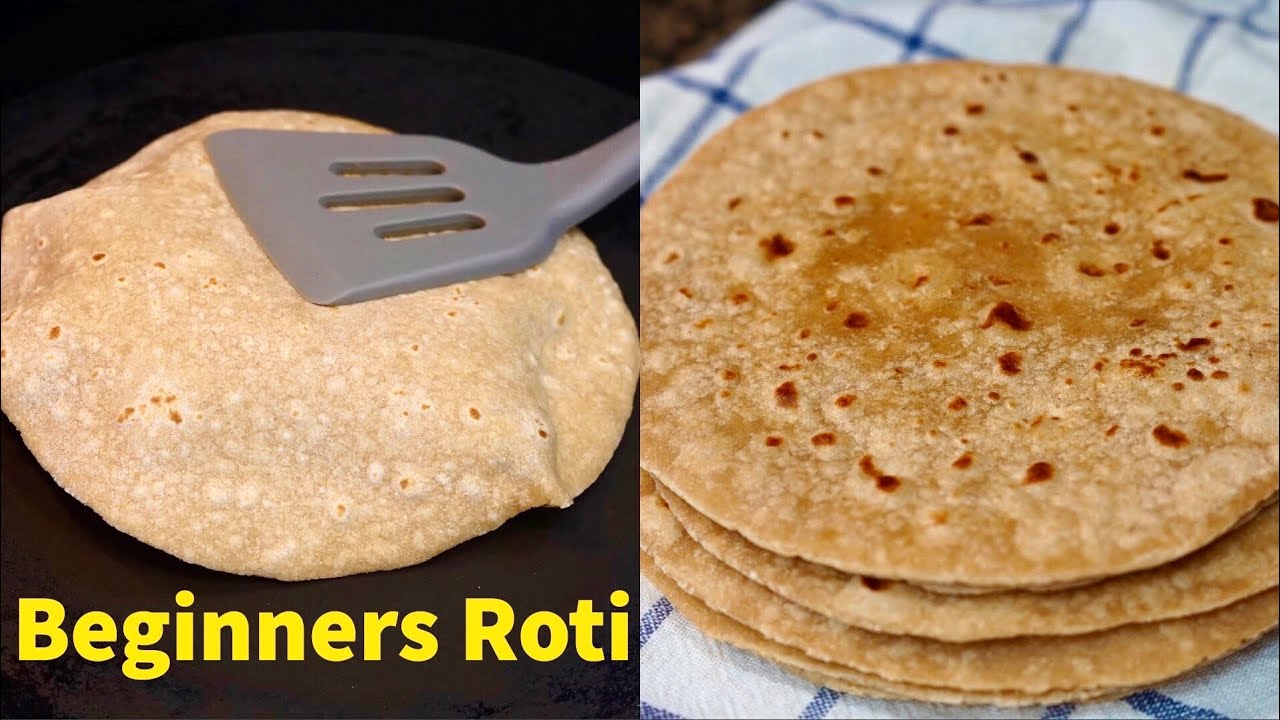
How to make soft Roti/Chapati/Phulka on an electric stove
Cuisine
Indian · North Indian
Prep + Cook Time
50 Minutes
Difficulty Level
Medium

Butter Chicken (Mur Makhani) – Indian
Cuisine
Indian · North Indian
Prep + Cook Time
1 hr 15 min
Difficulty Level
Medium

Instant Javvarisi Puttu (Sago Puttu)
Cuisine
Indian · South Indian
Prep + Cook Time
25 Minutes
Difficulty Level
Easy
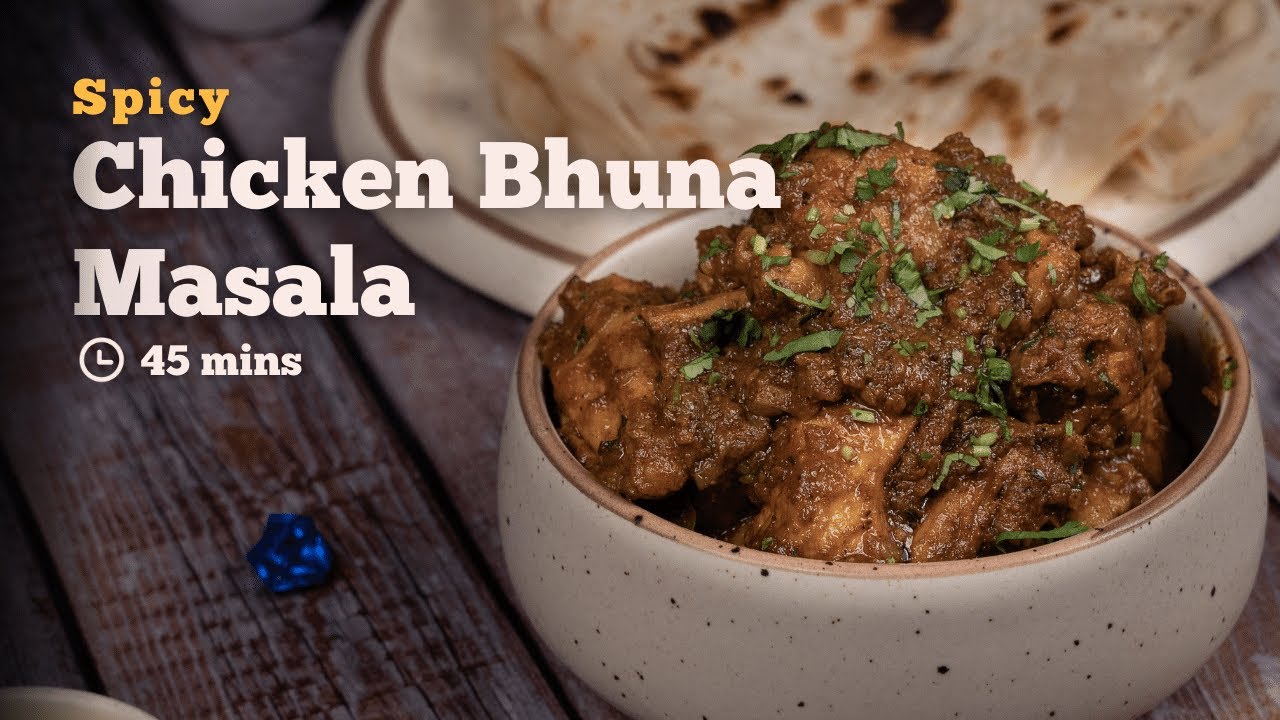
Chicken Bhuna Masala – Indian
Cuisine
Indian · North Indian
Prep + Cook Time
45 Minutes
Difficulty Level
Comments (0)
Sign in to leave a comment on this recipe.
Loading comments...