Sambar Recipe - South Indian Style
Recipe by Rajan Singh Jolly
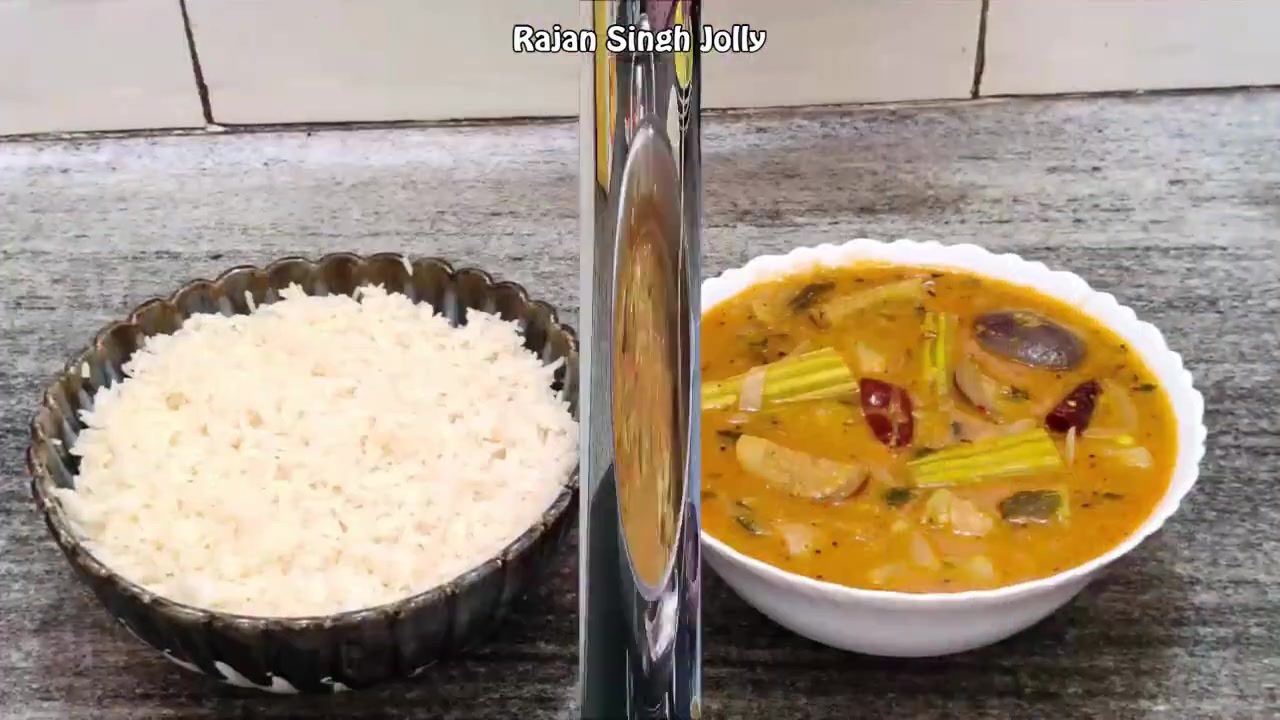
Ingredients
For Dal
- 1/4 cupToor Dal (soaked for 2 hours)
- 1.5 cupsWater
- 1/4 teaspoonTurmeric Powder
For Sambar Masala (Dry Roasted)
- 2 tablespoonsWhole Coriander Seeds
- 1.5 teaspoonsCumin Seeds
- 1 teaspoonFenugreek Seeds
- 0.5 teaspoonBlack Peppercorns
- 1 tablespoonChana Dal
- 1 teaspoonUrad Dal
- 3Dry Red Chilies
- 1/4 cupFresh Grated Coconut
- 3/4 cupWater (for grinding)
For Vegetables
- 3Onions (medium, sliced)
- 250 gramsBottle Gourd (Lauki, diced)
- 1Carrot (diced)
- 2 smallBrinjals (Eggplant, quartered)
- 1 stickDrumstick (peeled, 2-inch pieces)
- 2Tomatoes (pureed)
- 2Green Chilies (slit)
- 2 sprigsCurry Leaves
- 2 teaspoonsSalt
- 1.5 cupsWater
- from 1 lemon-sized tamarindTamarind Pulp
- 1 tablespoonJaggery
For Tempering
- 2 tablespoonsCoconut Oil
- 1 teaspoonMustard Seeds
- 1/4 teaspoonAsafoetida (Hing)
- 1 teaspoonKashmiri Red Chili Powder
- 2Dry Red Chilies
- a fewCurry Leaves
- for garnishFresh Coriander Leaves (chopped)
For Boiled Rice
- 1.5 cupsRice (soaked for 30 minutes, drained)
- 3 cupsWater
- 1 teaspoonSalt
Step-by-Step Instructions
- 1.Cook the Dal
In a pressure cooker, add 1/4 cup of toor dal (soaked for 2 hours), 1.5 cups of water, and 1/4 teaspoon of turmeric powder. Close the lid and cook on medium-high heat for 5 whistles. Once done, turn off the heat and let the pressure release naturally. Mash the dal lightly with a masher.
- 2.Dry Roast Sambar Masala Spices
Heat a pan on low heat. Add 2 tablespoons of whole coriander seeds, 1.5 teaspoons of cumin seeds, 1 teaspoon of fenugreek seeds, and 0.5 teaspoon of black peppercorns. Dry roast for about 30 seconds, stirring continuously. Then, add 1 tablespoon of chana dal and 1 teaspoon of urad dal. Continue roasting until the dals are fragrant and slightly change color. Add 3 dry red chilies and 1/4 cup of fresh grated coconut. Roast lightly for another minute, ensuring the coconut doesn't brown. Turn off the heat, transfer the roasted spices to a plate, and let them cool completely. Once cooled, grind them into a fine paste using 3/4 cup of water.
- 3.Cook the Vegetables
Place a kadai (wok) on medium heat. Add 3 medium sliced onions, 250g diced bottle gourd, 1 diced carrot, 2 small quartered brinjals, 1 stick of drumstick (peeled and cut into 2-inch pieces), 2 pureed tomatoes, 2 slit green chilies, 2 sprigs of curry leaves, and 1 teaspoon of salt. Mix all ingredients well. Add 1.5 cups of water. Cover the kadai and cook on medium-low heat for 15 minutes until the vegetables are tender but still hold their shape.
- 4.Combine with Masala and Tamarind
Once the vegetables are tender, add the ground sambar masala paste and the tamarind pulp (extracted from a lemon-sized tamarind soaked in hot water, using about 0.5 cup water). Mix everything thoroughly. Add 1 tablespoon of jaggery and mix again. Cover and cook for another 7-8 minutes on medium heat to allow the flavors to meld.
- 5.Add Dal and Simmer Sambar
Pour the cooked and mashed dal into the kadai with the vegetables and masala. Mix well. Add 2 cups of hot water initially, and then another 1 cup of hot water if needed, to achieve the desired consistency. Check the salt and add 1 more teaspoon if required. Bring the sambar to a boil on medium-high heat. Once boiling, reduce the heat to low, cover the kadai, and simmer for 10-15 minutes. The longer it simmers, the more flavorful it becomes.
- 6.Cook Boiled Rice
In a separate pan, bring 3 cups of water to a boil. Add 1.5 cups of rice (soaked for 30 minutes and drained) and 1 teaspoon of salt. Stir well. Once the water boils again, reduce the heat to low, cover the pan, and cook for 15 minutes until all the water is absorbed and the rice is tender. Turn off the heat and let the rice rest, covered, for 5 minutes to absorb any remaining moisture.
- 7.Prepare and Add Tempering
Heat 2 tablespoons of coconut oil in a small tempering pan. Add 1 teaspoon of mustard seeds and 1/4 teaspoon of asafoetida. Let the mustard seeds crackle. Turn off the heat. Immediately add 1 teaspoon of Kashmiri red chili powder, 2 dry red chilies, and a few curry leaves. Pour this hot tempering over the simmering sambar. Garnish with fresh chopped coriander leaves. Mix well and cook for 2-3 minutes.
- 8.Serve Sambar with Rice
Your flavorful homemade Sambar is now ready. Serve hot with freshly boiled rice, idli, dosa, or vada.


Comments (0)
Sign in to leave a comment on this recipe.
Loading comments...