Rasmalai – Indian Sweet Dish
Summary
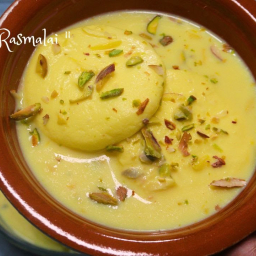
- Learn how to make delicious Rasmalai, a popular Indian dessert featuring soft, spongy cheese discs soaked in a rich, creamy, saffron-flavored milk sauce. This recipe guides you through making fresh chenna and a flavorful rabdi for an authentic taste.
Video Chapters
Jump straight to any step in the video.
All Ingredients - For Chenna
- Vinegar 2 tbsp
- Water (for diluting vinegar) 2 tbsp
- Milk (Full Fat cow milk) 1 litre
- Corn Flour 1 tsp
All Ingredients - For Rabdi
- Milk 1 litre
- Saffron Strands a pinch
- Chopped Pistachios 1 tbsp
- Chopped Almonds 1 tbsp
- Sugar 1/4 cup
- Cardamom 1/2 tsp
- Yellow food color (optional) 2 drops
All Ingredients - For Sugar Syrup (to cook chenna)
- Water 4 cups
- Sugar 1 cup
Tools You'll Need
- Pot
- Pan
- Mixing bowl
- Cheesecloth
- Strainer
- Spatula
- Bowl
Plan Ahead
Up to 2 hrs of hands-off time you can shift to earlier.
- Step 17 · Overnight2 hrs
…y submerged. Allow them to soak for at least 2-3 hours, or preferably overnight, in the refrigerator. This allows the rasmalai to absorb the rich fla…
Don't have an ingredient? Try these swaps
No Milk?
- Unsweetened almond / soy / oat milk (1:1)
- 1/2 cup evaporated milk + 1/2 cup water (per 1 cup)
No Cornstarch?
- 2 tbsp all-purpose flour (per 1 tbsp cornstarch)
- Arrowroot powder (1:1)
- Tapioca starch (1:1)
No Saffron?
- 1/4 tsp turmeric (color only, no flavor match)
- 1/2 tsp safflower threads
⚠ Contains Allergens
Step-by-Step Instructions
Step 1: Prepare Vinegar Solution
Dilute 2 tablespoons of vinegar with 2 tablespoons of water in a small bowl and set aside. This will be used to curdle the milk.
Step 2: Boil Milk
Pour 1 litre of full-fat cow milk into a heavy-bottomed pot. Bring the milk to a rolling boil over medium-high heat. Once it boils, switch off the flame. Stir the milk gently and let it cool down for .
Step 3: Curdle Milk
Gradually add the diluted vinegar solution to the warm milk in batches, stirring continuously. Keep pouring and stirring until the milk completely curdles and separates into white solids (chenna) and greenish-yellow liquid (whey).
Step 4: Rinse Chenna
Pour 2 cups of cold water into the pot with the curdled milk. This helps to stop the cooking process and remove any lingering vinegar taste from the chenna.
Step 5: Strain Chenna
Place a muslin cloth or a clean cotton cloth over a fine-mesh strainer, which is placed over a large bowl. Carefully pour the curdled milk mixture into the muslin cloth to separate the chenna from the whey.
Step 6: Squeeze Excess Water
Gather the edges of the muslin cloth and gently squeeze out all the excess water from the chenna. Do not squeeze too hard, as it can make the chenna dry. Set the chenna aside in the muslin cloth over a strainer for to allow any remaining water to drain.
Step 7: Prepare Rabdi Base
Pour 1 litre of milk into a clean, wide pan. Bring the milk to a boil over medium heat, stirring occasionally to prevent scorching.
Step 8: Add Rabdi Flavorings
Once the milk boils, add a pinch of saffron strands, 1 tablespoon of chopped pistachios, 1 tablespoon of chopped almonds, 1/4 cup of sugar, and 1/2 teaspoon of cardamom powder. Stir well to combine all ingredients.
Step 9: Add Optional Color
If desired, add 2 drops of yellow food color to the rabdi and mix until it reaches a uniform yellow hue. Continue to the rabdi until it slightly thickens but remains thin enough for the rasmalai to absorb easily.
Step 10: Mash Chenna
Transfer the drained chenna from the muslin cloth to a flat plate. Mash and rub the chenna against the plate surface with the heel of your palm for about . This process is crucial to make the chenna smooth and lump-free, which will result in soft rasmalai.
Step 11: Add Corn Flour
Add 1 teaspoon of corn flour to the smooth chenna. Mix it well into the chenna until it is thoroughly incorporated and the mixture forms a cohesive, smooth dough.
Step 12: Shape Chenna Discs
Take small portions of the chenna mixture and roll them into smooth balls. Gently flatten each ball into a disc, ensuring there are no cracks on the surface. Repeat this process for the remaining chenna mixture to form all the discs.
Step 13: Prepare Sugar Syrup for Cooking
In a separate wide pan, combine 4 cups of water and 1 cup of sugar. Bring the mixture to a rolling boil over high heat, stirring occasionally to ensure the sugar is completely dissolved.
Step 14: Cook Chenna Discs
Carefully add the flattened chenna discs one by one to the vigorously boiling sugar syrup. Make sure not to overcrowd the pan. Cover the pan with a lid and cook for . The chenna discs will expand and double in size.
Step 15: Transfer to Cold Water
Using a slotted spatula, carefully remove the cooked, expanded chenna discs from the hot sugar syrup and immediately transfer them into a bowl of cold water (preferably with ice cubes). This helps to stop the cooking process and keeps the rasmalai soft and spongy.
Step 16: Squeeze Sugar Syrup
Once the chenna discs have cooled, gently press each disc between your palms to squeeze out the excess sugar syrup. Be careful not to break them.
Step 17: Soak in Rabdi
Place the squeezed chenna discs into the prepared rabdi. Ensure they are fully submerged. Allow them to soak for at least , or preferably overnight, in the refrigerator. This allows the rasmalai to absorb the rich flavors of the rabdi.
Step 18: Serve
Serve the chilled rasmalai, garnished with additional chopped pistachios for an appealing presentation and added crunch.
Pro Tips
• Use full-fat cow milk for best results when making chenna.
• Do not over-mash the chenna; it should be smooth but not oily.
• Make sure the rabdi is thin enough for the rasmalai to absorb easily.
• Soak the rasmalai in rabdi for at least 2-3 hours, or preferably overnight, for optimal flavor absorption.
More from Passion 2 Cook
Other recipes converted from Passion 2 Cook's cooking videos.
You might also like
Other recipes in the same cuisine, meal type, or style — ready to cook whenever you are.
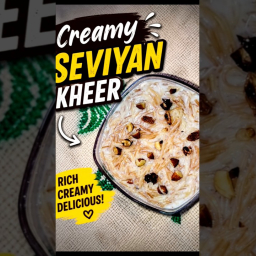
Creamy Seviyan Kheer
Cuisine
Indian · North Indian
Prep + Cook Time
15 Minutes
Difficulty Level
Easy
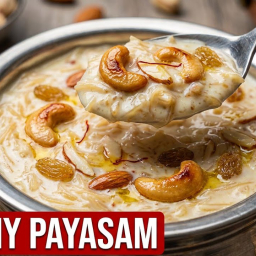
Creamy Vermicelli Payasam
Cuisine
Indian · South Indian
Prep + Cook Time
20 Minutes
Difficulty Level
Easy

Healthy & Energy Rich Dry Fruit Roll
Cuisine
Indian
Prep + Cook Time
2 hr 30 min
Difficulty Level
Easy

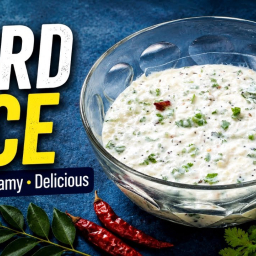
Creamy Curd Rice - South Indian Style
Cuisine
Indian · South Indian
Prep + Cook Time
25 Minutes
Difficulty Level
Easy
Indian Style Rajma Chawal Recipe
Cuisine
Indian · North Indian
Prep + Cook Time
1 hr 20 min
Difficulty Level
Comments
Sign in to leave a comment on this recipe.
Loading comments...